The Science of Cleaning Silver Earrings: Alloy Guide
Discover the science behind cleaning silver earrings. Compare sterling, Argentium, and plated alloys to learn safe, damage-free restoration methods.

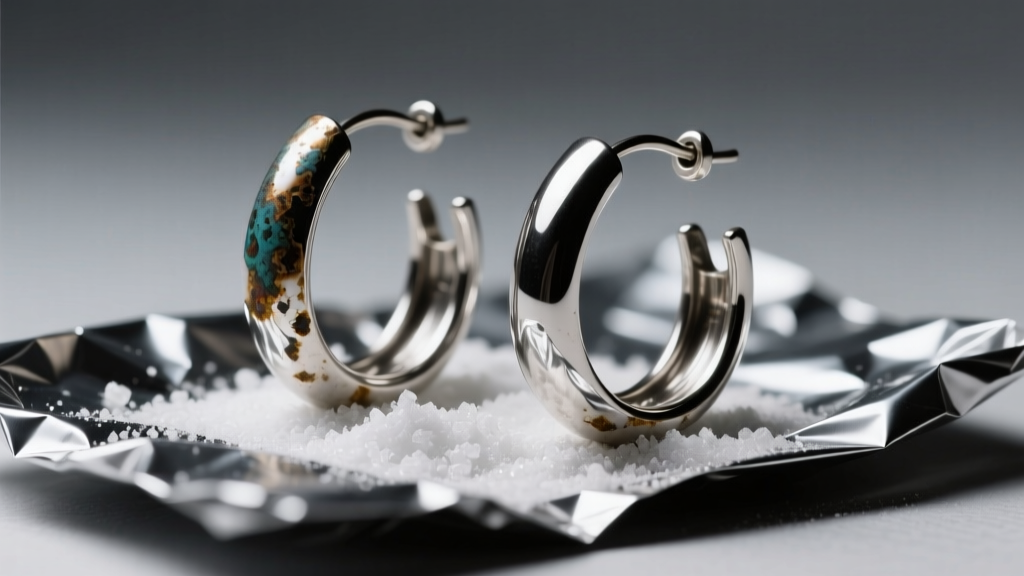
The Metallurgy of Silver Tarnish: Why Your Earrings Turn Black
When it comes to maintaining your jewelry collection, cleaning silver earrings requires a fundamental understanding of metallurgy. Pure silver is highly resistant to tarnish, but it is too soft for functional jewelry. To solve this, metallurgists alloy silver with other metals—most commonly copper. While this increases durability, it introduces a chemical vulnerability. The dark, unsightly film that forms on your favorite studs and huggies is not actually silver rusting; it is primarily copper sulfide and silver sulfide reacting with sulfur compounds in the atmosphere, cosmetics, and even your own skin chemistry.
According to the Jewelers of America, environmental factors like humidity, airborne pollutants, and exposure to sulfur-rich materials (such as latex, wool, and certain cardboards) accelerate this oxidation process. Therefore, the methodology for cleaning silver earrings cannot be a one-size-fits-all approach. The specific alloy composition of your earrings dictates the exact chemical and mechanical protocols you must use to restore their luster without causing irreversible micro-abrasions or stripping vital surface layers.
Alloy Comparison: How Material Dictates Your Cleaning Strategy
Before applying any cleaning solution, you must identify the specific silver alloy of your earrings. Using an aggressive chemical dip on a delicate silver-plated ear cuff, or an ultrasonic cleaner on a porous gemstone set in sterling silver, can result in catastrophic damage. Below is a comparative breakdown of the most common silver alloys used in modern earring manufacturing and their respective cleaning risk profiles.
| Alloy Type | Composition | Tarnish Rate | Cleaning Risk Level |
|---|---|---|---|
| Sterling Silver (925) | 92.5% Ag, 7.5% Cu | High | Low (if solid/unplated) |
| Argentium Silver | 93.5%+ Ag, Germanium | Very Low | Low |
| Fine Silver (999) | 99.9% Ag | Minimal | Moderate (highly malleable) |
| Silver-Plated | Brass/Copper base, <2µm Ag | High (once breached) | Extreme |
Sterling Silver (925) is the industry standard. The 7.5% copper content is the primary culprit for tarnish, but because the alloy is solid throughout, it can withstand electrochemical reduction and gentle polishing. Argentium Silver replaces some copper with germanium, which forms a transparent, self-healing oxide layer that drastically slows tarnish. Fine Silver (999) is often used for bezels and intricate wire-wrapping; it rarely tarnishes but is so soft that aggressive brushing will easily warp the metal. Finally, Silver-Plated earrings feature a microscopic layer of silver (often less than 2 microns thick) over a base metal. Cleaning silver earrings of this type requires extreme caution, as polishing past that microscopic threshold permanently exposes the base metal beneath.
Step-by-Step Protocols for Cleaning Silver Earrings
With your alloy identified, select the appropriate protocol below. These methods prioritize chemical reversal and gentle surfactants over destructive abrasion.
Protocol A: The Electrochemical Reduction Method (For Solid Sterling & Fine Silver)
This method utilizes a galvanic redox reaction to reverse tarnish without removing any underlying silver. It is ideal for heavily tarnished solid sterling silver hoops, chains, and huggies that lack porous gemstones.
- Step 1: Line a glass or ceramic bowl with aluminum foil, shiny side up. The aluminum will act as the sacrificial anode.
- Step 2: Place your solid silver earrings on the foil, ensuring they make direct physical contact with the metal.
- Step 3: Sprinkle one tablespoon of baking soda (sodium bicarbonate) over the earrings. The baking soda acts as an electrolyte, facilitating ion transfer.
- Step 4: Pour boiling water into the bowl until the earrings are fully submerged. You will immediately see bubbling and may smell a faint sulfur (rotten egg) odor. This is the hydrogen sulfide gas releasing as the silver sulfide is converted back into pure silver.
- Step 5: After 3 to 5 minutes, remove the earrings with wooden or plastic tongs (never metal, which can scratch). Rinse thoroughly in distilled water and pat dry with a lint-free microfiber cloth.
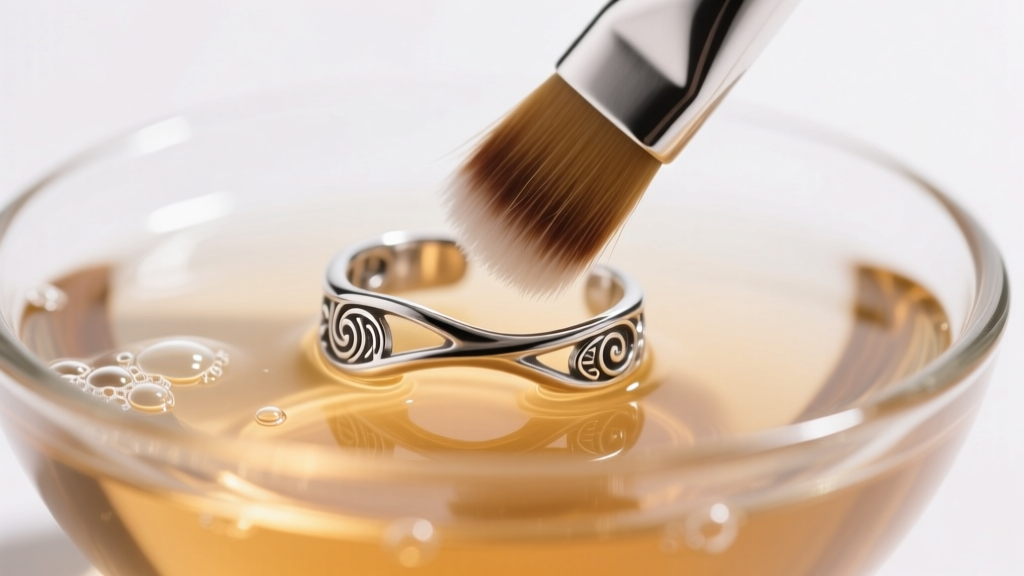
Protocol B: The Surfactant Wash (For Argentium & Gemstone-Set Earrings)
If your earrings feature pearls, opals, turquoise, or are crafted from Argentium silver, the boiling water and baking soda method can fracture heat-sensitive stones or disrupt delicate patinas. Instead, rely on a mild surfactant wash.
- Step 1: Mix a few drops of phosphate-free, mild dish soap (like Dawn) into a bowl of lukewarm distilled water. Avoid tap water, as chlorine and heavy minerals can leave microscopic spots.
- Step 2: Submerge the earrings for 5 to 10 minutes to loosen sebum, dead skin cells, and cosmetic residue.
- Step 3: Using an extra-soft baby toothbrush, gently agitate the crevices, earring posts, and clutch backs. Do not apply heavy pressure.
- Step 4: Rinse under a gentle stream of distilled water and dry immediately. Leaving silver wet promotes water-spotting and accelerates future oxidation.
Protocol C: The Microfiber Polish (For Silver-Plated Earrings)
Cleaning silver earrings that are plated requires abandoning all liquids, dips, and pastes. Submerging plated jewelry can cause the base metal to oxidize from the inside out, and chemical dips will strip the plating entirely.
- Step 1: Obtain a high-quality, untreated jeweler's microfiber cloth. Avoid 'treated' polishing cloths that contain embedded abrasives or chemical polishing agents (like rouge), as these will sand away the microscopic silver layer.
- Step 2: Gently buff the surface of the plated earrings using light, circular motions. Focus on high-friction areas where skin oils accumulate.
- Step 3: If tarnish persists, it indicates the plating has likely worn through. At this stage, no amount of cleaning will help; the earrings must be professionally re-plated by a jeweler.
Critical Failure Modes: What to Avoid When Cleaning Silver Earrings
The internet is saturated with destructive 'hacks' for cleaning silver earrings that cause irreversible damage. As a domain expert, I strongly advise against the following common practices:
1. Toothpaste and Baking Soda Pastes: Toothpaste contains hydrated silica, an abrasive with a Mohs hardness of roughly 7. Silver sits at a mere 2.5 to 3 on the Mohs scale. Scrubbing silver with toothpaste creates thousands of micro-scratches that not only dull the finish but create microscopic grooves where future tarnish and bacteria will rapidly accumulate.
2. Commercial Liquid 'Dips': Many commercial silver dips rely on thiourea, a highly toxic, carcinogenic chemical that forcefully strips tarnish. While it leaves the silver looking stark white, it actually etches the surface, removing the copper-rich outer layer and leaving behind a porous, matte finish. This damaged surface area will tarnish significantly faster the next time it is exposed to air.
3. Ultrasonic Cleaners: While excellent for diamond and platinum, ultrasonic waves create microscopic cavitation bubbles that can easily shatter fragile gemstones frequently set in silver, such as emeralds, opals, and turquoise. Furthermore, the high-frequency vibrations can loosen the prongs on delicate silver stud settings, leading to stone loss.
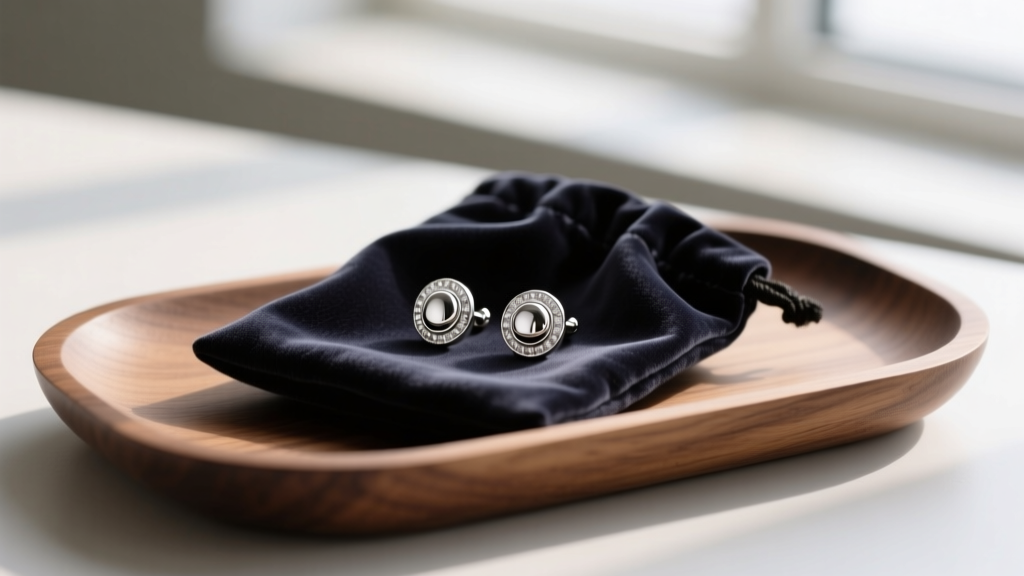
Preventative Storage: Anti-Tarnish Solutions
The most effective approach to cleaning silver earrings is minimizing the need to clean them in the first place. Proper storage alters the micro-environment around your jewelry, halting the sulfidation process before it begins.
According to gemological guidelines from the Gemological Institute of America (GIA), storing silver in a dry, sulfur-free environment is paramount. Invest in Pacific Silvercloth, a specialized cotton flannel embedded with microscopic silver particles. These embedded particles act as a sacrificial shield, absorbing and reacting with airborne sulfur compounds before they can reach your earrings.
Additionally, incorporate silica gel desiccant packets into your jewelry boxes to maintain a relative humidity below 50%, as moisture acts as a catalyst for tarnish. Never store your silver earrings in cardboard boxes, wooden drawers (which emit acidic vapors), or wrapped in rubber bands, as the vulcanization process in rubber releases high concentrations of sulfur. By combining the correct metallurgical cleaning protocols with rigorous environmental storage, your silver earrings will maintain their structural integrity and brilliant luster for generations.


