Essential Earring Accessories: Backs, Converters and Care Guide
Discover the best earring accessories for secure wear. Learn about locking backs, dangle converters, and hypoallergenic materials in our beginner guide.

What Are Earring Accessories? Beyond the Gemstone
When most people think of earrings, they picture the decorative front: the diamond stud, the gold hoop, or the pearl drop. However, the true engineering of ear jewelry lies in its earring accessories. These are the functional components—backs, clutches, converters, stabilizers, and non-pierced cuffs—that dictate how securely an earring sits, how it interacts with your skin, and whether it can be adapted for multiple uses.
As we navigate the jewelry landscape in 2026, the demand for modular, multi-functional earring accessories has surged. Consumers no longer want single-use pieces; they want adaptable systems that maximize their jewelry wardrobes. Whether you are dealing with stretched earlobes from years of heavy dangles, navigating contact dermatitis from cheap alloys, or simply trying to keep a high-value diamond secure during a morning commute, understanding the mechanics of earring accessories is essential. This beginner-friendly explainer breaks down the exact specifications, material grades, and failure modes of the hardware that keeps your jewelry in place.
The Anatomy of Earring Backs: A Comparative Breakdown
The earring back is the most critical accessory in any jewelry box. Standard friction backs (often called butterfly backs) are ubiquitous, but they are rarely the best choice for heavy or valuable earrings. The security of an earring back depends on its grip mechanism, the gauge of the post it accommodates (typically 20G/0.81mm or 18G/1.02mm for lobes), and the precision of its manufacturing.
| Accessory Type | Security Level | Best For | Price Range | Common Failure Mode |
|---|---|---|---|---|
| Friction (Butterfly) | Low-Medium | Lightweight studs, daily wear | $2 - $10 | Loss due to stretched holes or heavy drops |
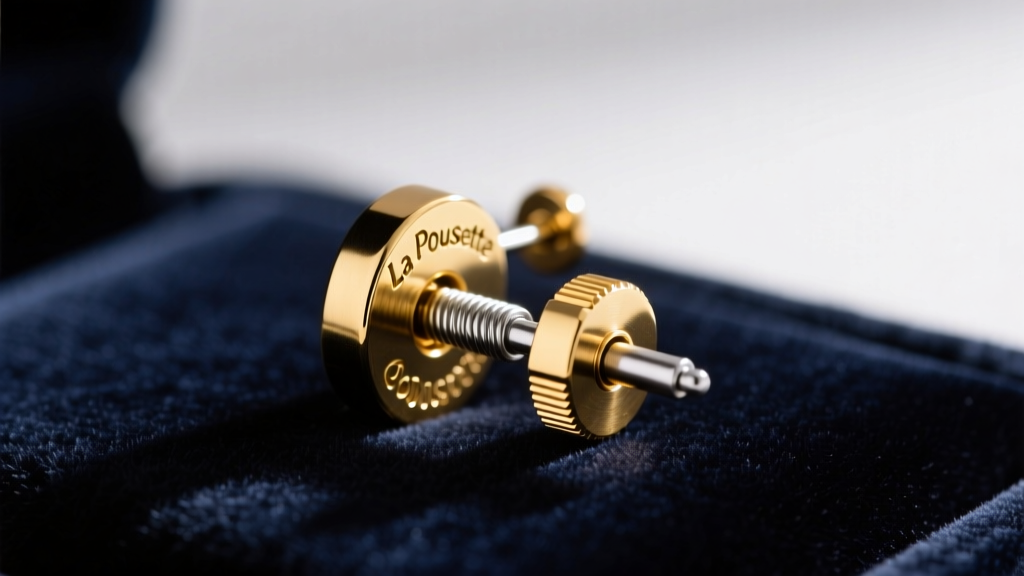
| La Pousette (Locking) | Very High | Heavy dangles, active lifestyles | $40 - $80 | Spring fatigue or dirt clogging the mechanism |
| Silicone O-Rings | Medium | Cartilage, sleepers, sports | $5 - $12 | Degradation from alcohol-based cleaners |
| Screw Backs | High | Children, high-value diamonds | $15 - $30 | Cross-threading or stripped grooves |
The La Pousette back is widely considered the gold standard for security. It utilizes a spring-loaded internal clutch that locks into a specially notched post. To remove it, you must pinch two small metal tabs to retract the internal springs. While expensive, they virtually eliminate the risk of losing a valuable stone. Conversely, silicone O-rings (usually made from medical-grade 40A durometer silicone) are excellent for cartilage piercings and sleeping, but they will dry out, crack, and degrade if repeatedly cleaned with isopropyl alcohol.
Earring Converters: Turning Studs into Dangles
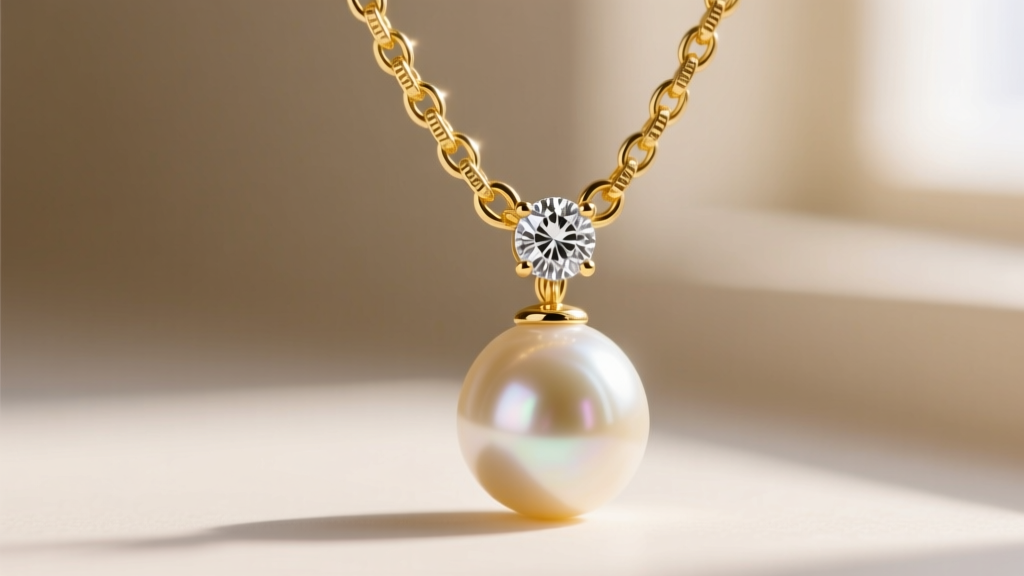
One of the most innovative earring accessories on the market is the dangle converter. This clever piece of hardware allows you to transform a standard stud earring into a drop or dangle earring without needing a new piercing or buying a completely new piece of jewelry. Converters typically consist of a small clutch or threaded back that features an integrated jump ring or a short drop chain.
How to Use Threaded Converters Safely
Threaded converters screw directly onto the post of your existing stud. They are highly secure but require careful handling. If your stud has a 20G (0.81mm) post, you must ensure the converter's internal threading matches exactly. Forcing a mismatched thread will strip the metal. Once the converter is secured to the post, you can attach any compatible charm, pearl drop, or chain to the bottom loop using standard jewelry pliers. This modular approach is highly cost-effective, allowing a single pair of diamond solitaires to function as both daytime studs and evening chandeliers.
Non-Pierced Earring Accessories: Ear Cuffs and Wraps
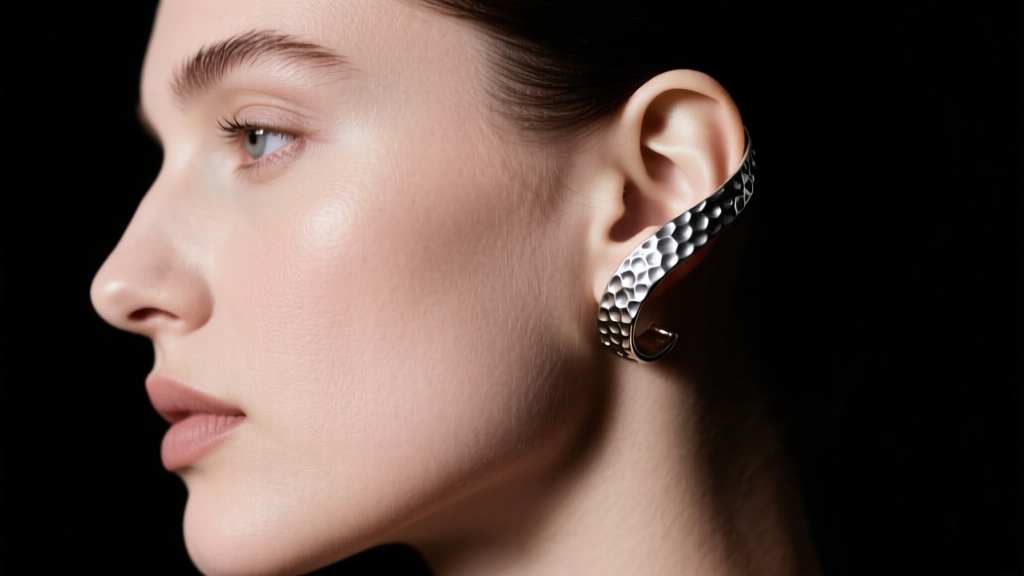
Not all earring accessories require a piercing. Ear cuffs and helix wraps rely on tension and anatomical contouring to stay in place. These accessories are typically crafted from 18G (1.02mm) or 16G (1.29mm) wire to provide enough structural rigidity to grip the cartilage without bending out of shape during wear.
The primary challenge with ear cuffs is achieving the correct tension. If a cuff is too loose, it will slide down the ear and fall off; if it is too tight, it will restrict blood flow and cause severe cartilage pain. Professional jewelers use nylon-jaw pliers to adjust the inner diameter of a cuff by 1-2mm increments without marring the metal finish. When purchasing an ear cuff, look for designs that feature a slight taper or an adjustable tension gap, which allows the accessory to accommodate the natural variations in helix thickness among different wearers.
Material Grades and Allergy Prevention
The material of your earring accessories is just as important as the material of the earring itself. Because backs and clutches sit flush against the back of the earlobe—a warm, moist environment prone to trapping sweat and bacteria—low-quality alloys can quickly trigger contact dermatitis. According to the American Academy of Dermatology, nickel contact dermatitis is one of the most common allergic reactions to jewelry hardware.
To avoid this, always verify the material grade of your earring accessories:
- Implant-Grade Titanium (ASTM F-136): The absolute benchmark for hypoallergenic hardware. It contains zero nickel and is biocompatible. According to the Association of Professional Piercers, this is the only recommended metal for fresh piercings and highly sensitive ears.
- 316L Surgical Steel: Often marketed as 'hypoallergenic,' it actually contains trace amounts of nickel. While safe for most healed lobes, it can cause reactions in highly sensitive individuals.
- 14k or 18k Solid Gold: Excellent for luxury accessories, but be cautious with white gold. As detailed by the Gemological Institute of America, white gold alloys frequently contain nickel to achieve their silvery color, which can leach into the skin when worn as a tight-fitting earring back.
Maintenance and Failure Troubleshooting
"The most common reason clients lose expensive earrings isn't a manufacturing defect; it's a failure to maintain the accessory hardware. Friction backs lose their tension, and screw backs get clogged with skin oils, leading to improper seating."
To ensure your earring accessories perform optimally, follow these specific troubleshooting and maintenance protocols:
- Cross-Threaded Screw Backs: Never force a screw back. If it catches, reverse it, align the post perfectly perpendicular to the clutch, and turn clockwise gently. Forcing it will strip the 0.8mm threading permanently, ruining both the back and the earring post.
- Drooping Heavy Dangles: If a heavy earring pulls your lobe forward, use a 10mm silicone stabilizer disc behind the lobe before applying the back. This accessory distributes the weight across a wider surface area, preventing the 'stretched lobe' look and reducing post friction.
- Cleaning Locking Mechanisms: La Pousette backs can become sticky if lotion or skin oils enter the spring housing. Soak them in a small ultrasonic cleaner with warm water and a drop of mild dish soap for three minutes, then blow them dry with compressed air. Never use thick oils to lubricate them, as this will attract dust and jam the springs.
- Silicone O-Ring Degradation: Replace silicone accessories every 6 to 12 months. If the silicone turns yellow, feels brittle, or leaves a powdery residue on your earring post, it has oxidized and must be discarded to prevent infection.
By investing in high-quality earring accessories and understanding their mechanical limits, you can dramatically improve the comfort, security, and versatility of your entire jewelry collection. Whether you are upgrading to locking backs for peace of mind or experimenting with converters to maximize your wardrobe, the right hardware makes all the difference.