Restoring Authentic Earrings in the 60s Style: Care Guide
Learn expert cleaning and maintenance tips for vintage earrings in the 60s style. Discover how to restore Lucite, AB rhinestones, and clip-on backs.

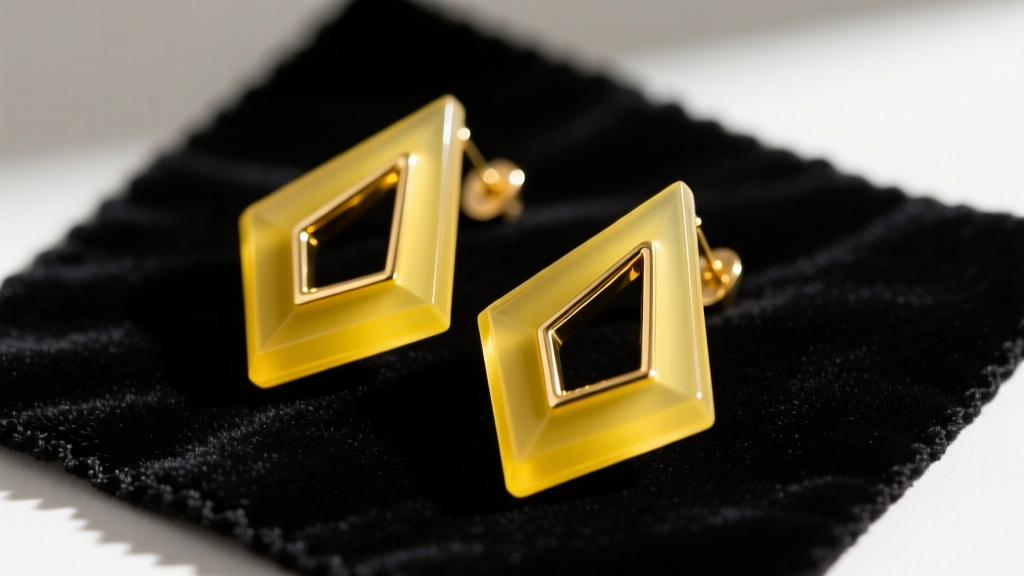
The bold, geometric designs of earrings in the 60s remain highly coveted by vintage collectors and fashion enthusiasts in 2026. Characterized by the Space Age Mod movement, these pieces frequently feature oversized Lucite components, vibrant enameled metals, and elaborate Aurora Borealis (AB) rhinestones. However, because authentic vintage jewelry from this era is now over half a century old, it requires highly specialized care. The materials and manufacturing techniques of the 1960s—such as thin flash-plating over Zamak pot metal and early cyanoacrylate adhesives—are incredibly susceptible to modern cleaning mistakes. This comprehensive conservation guide will teach you how to safely clean, maintain, and store your mid-century earwear without causing irreversible damage.
The Unique Material Makeup of 1960s Earrings
Before applying any cleaning solution, you must accurately identify the materials used in your vintage pieces. The 1960s marked a transitional period in jewelry manufacturing, blending traditional metalwork with experimental synthetics.
Zamak Pot Metal and Flash Plating
Many affordable 1960s earrings were cast from Zamak, a zinc-based alloy. To achieve a luxurious look, manufacturers applied a microscopic layer of gold or silver flash-plating over the base metal. Over decades, the zinc core can oxidize, causing the plating to bubble or flake. Aggressive polishing will strip this fragile plating entirely, exposing the dull, gray pot metal beneath.
Lucite and Early Acrylics
Poly(methyl methacrylate), commonly known as Lucite, was the defining plastic of the Mod era. While highly durable against shattering, Lucite is incredibly sensitive to solvents. According to conservation guidelines from the Victoria and Albert Museum, exposure to alcohol, ammonia, or acetone will cause Lucite to craze, resulting in a permanent network of microscopic internal fractures that cloud the plastic.
Aurora Borealis (AB) Rhinestones
Popularized in the late 1950s and ubiquitous in the 60s, AB stones feature a vapor-deposited metallic foil backing that creates an iridescent rainbow effect. This foil layer is notoriously fragile. If moisture seeps beneath the stone's setting, the foil will oxidize, turning black and completely destroying the stone's signature sparkle.
Step-by-Step Cleaning Protocols for Mod Era Pieces
Cleaning vintage earrings requires a gentle, methodical approach. Never submerge 1960s earrings in water, as this will compromise the brittle, decades-old adhesives holding the stones and plastic components in place.
Tackling Base Metal Tarnish Without Stripping Plating
For gold-tone or silver-tone plated brass and pot metal, avoid commercial silver dips or brass polishes. Instead, use a mild, phosphate-free dish soap (like Dawn) mixed with distilled water. Dip a soft microfiber cloth into the solution, wring it out until it is barely damp, and gently wipe the metal. Use a dry, soft-bristled baby toothbrush to dislodge dirt from crevices. Immediately buff the piece dry with a separate microfiber cloth to prevent water spots.
Restoring Aurora Borealis (AB) Rhinestones and Foil Backings
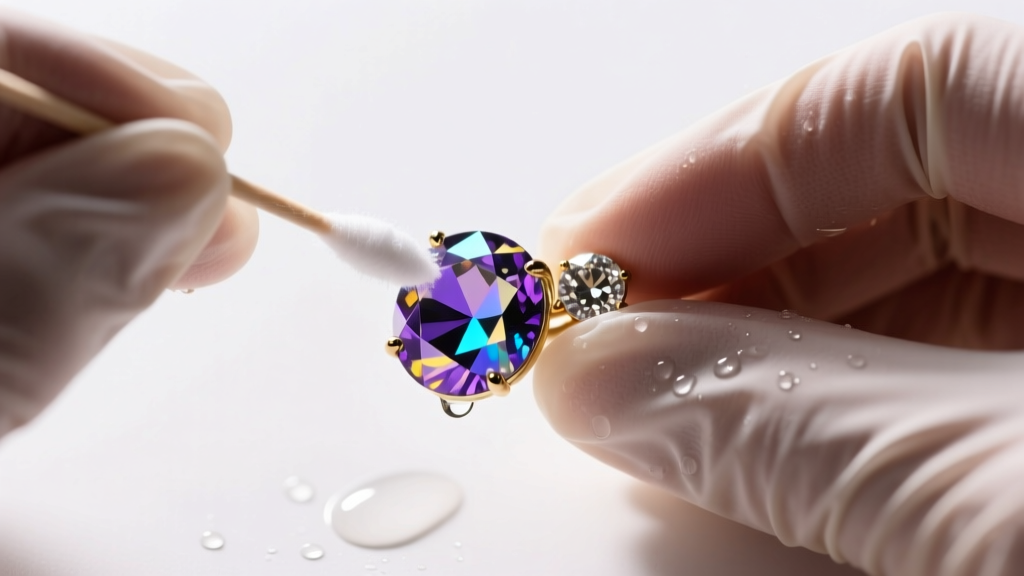
To clean AB rhinestones, use a dry, soft makeup brush to dust away surface debris. If the stones are heavily soiled with skin oils, lightly dampen a cotton swab with distilled water—never use glass cleaner or isopropyl alcohol, as these can degrade the foil backing or the glue securing the stone. Gently roll the swab over the top of the stone. The Gemological Institute of America (GIA) strongly advises against using ultrasonic cleaners on any foil-backed or glued vintage stones, as the high-frequency vibrations will shatter the foil and dislodge the settings.
Cleaning Agent Compatibility Chart
Using the wrong chemical solvent is the fastest way to ruin a 1960s collectible. Refer to this compatibility matrix before treating your earrings:
| Cleaning Agent | Lucite / Acrylic | AB Rhinestones | Gold-Tone Plating | Faux Pearls |
|---|---|---|---|---|
| Mild Soap & Distilled Water | Safe | Safe (Damp Swab) | Safe | Safe |
| Isopropyl Alcohol (70%) | NEVER (Causes Crazing) | NEVER (Strips Foil) | Safe (Degreases) | NEVER (Dissolves Nacre) |
| Ultrasonic Cleaner | Safe | NEVER (Shatters Foil) | Safe | NEVER |
| Commercial Silver Dip | Safe | NEVER | NEVER (Strips Plating) | NEVER |
| Ammonia-Based Glass Cleaner | NEVER | NEVER | NEVER | NEVER |
Maintaining the Mechanics: Clip-On and Screw-Back Earrings
Because ear piercing was relatively uncommon in mainstream Western fashion during the 1960s, the vast majority of authentic vintage earrings from this decade feature clip-on or screw-back mechanisms. Over 60 years, the metal springs lose their tension, and the hinges accumulate grime, leading to painful pinching or earring loss.
Expert Tip: Never use standard metal pliers to adjust a vintage clip-on earring. The hardened steel teeth will permanently crush the soft pot metal and strip the gold-tone plating. Always use nylon-jaw pliers.
Adjusting Paddle-Back Clip-Ons: The paddle-back was the most common 1960s clip design. If the earring is too tight and causes lobe pain, do not bend the hinge. Instead, use nylon-jaw pliers to gently bend the flat metal paddle outward by a fraction of a millimeter. This relieves pressure on the earlobe while maintaining the spring's structural integrity.
Lubricating Hinges: If the clip mechanism is stiff or squeaks, apply a microscopic drop of synthetic sewing machine oil to the hinge pin using a sewing needle. Wipe away any excess oil immediately with a microfiber cloth to prevent it from migrating onto the plastic or stone components.
Safe Storage Solutions to Prevent Degradation
How you store your 1960s earrings is just as critical as how you clean them. Improper storage leads to Lucite yellowing, metal oxidation, and adhesive failure.
- UV Protection: Lucite and early acrylics will yellow and become brittle when exposed to prolonged ultraviolet light. Store your Mod earrings in a closed, opaque jewelry box or drawer, never on an open vanity table near a window.
- Anti-Tarnish Strips: To protect the delicate flash-plating on Zamak and brass components, place 3M anti-tarnish strips inside your storage drawers. These strips absorb airborne sulfur compounds that cause base metals to oxidize and turn black.
- Archival Tissue Paper: Wrap individual pairs in acid-free, unbuffered archival tissue paper. Avoid standard cotton jewelry rolls, as cotton fibers can retain ambient moisture and trap it against the metal, accelerating rust on the clip-on springs.
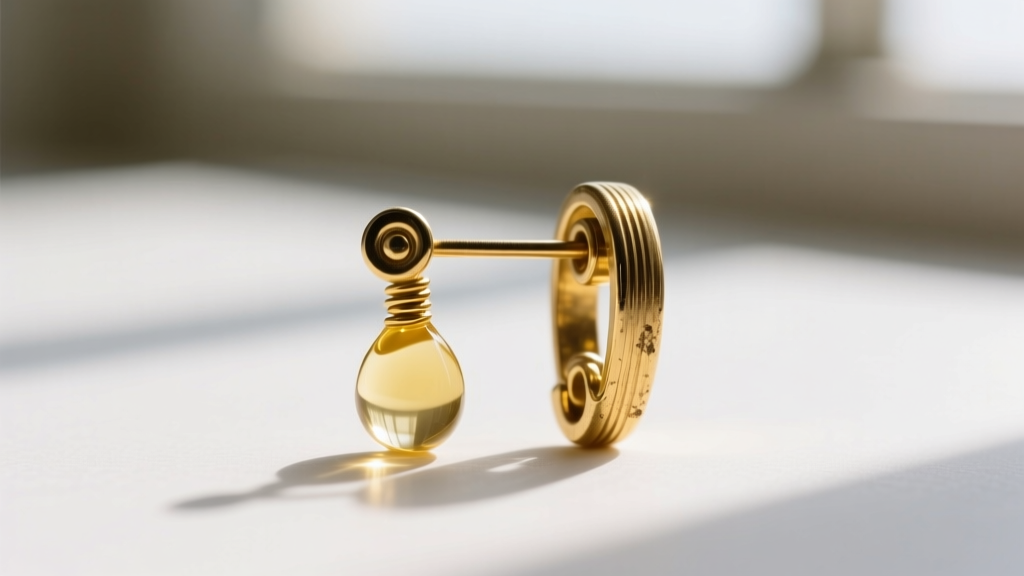
- Flat Storage for Dangles: Large 1960s geometric dangle earrings should be stored flat. Hanging them for decades puts continuous stress on the glued jump rings, eventually causing the glue to snap and the dangle component to separate from the stud.
What to Avoid: The "Never Do This" Checklist
To preserve the historical and monetary value of your mid-century collection, strictly avoid the following common maintenance errors:
- Never use toothpaste: Toothpaste contains silica abrasives that will permanently scratch Lucite and scour away thin 1960s gold plating.
- Never use hot water: Heat softens the brittle, 60-year-old epoxy and cyanoacrylate glues used in the 1960s, causing rhinestones and plastic cabochons to fall out.
- Never spray perfume while wearing them: The alcohol and essential oils in modern perfumes will cloud Lucite and degrade the nacre coating on vintage faux pearls.
- Never attempt to re-glue stones with Super Glue: Modern cyanoacrylate (Super Glue) emits fumes as it cures that will permanently frost and cloud AB rhinestones and clear acrylics. Use a jewelry-specific two-part clear epoxy instead.
By respecting the unique material science of the Mod era and adhering to these strict conservation protocols, you can ensure that your vintage earwear remains vibrant, functional, and historically intact for decades to come.


