Evaluating Clip Back Earrings: Budget vs. True Value Guide
Discover if clip back earrings offer real value. We compare mechanisms, materials, and pricing to help you find comfortable, durable non-pierced options.

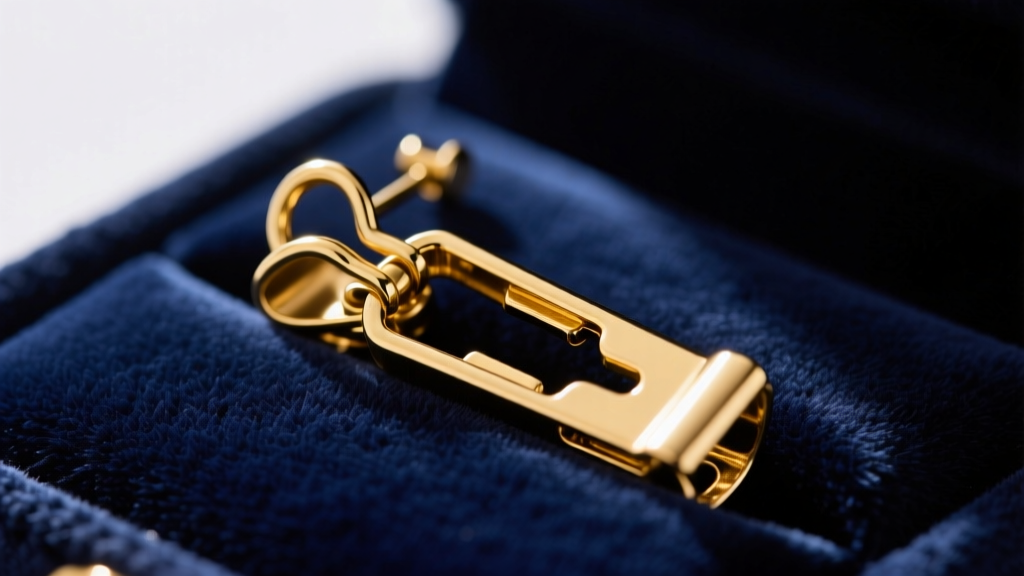
For decades, non-pierced jewelry has suffered from a reputation of discomfort and poor craftsmanship. However, the modern market for clip back earrings has evolved significantly, blending advanced metallurgy with ergonomic engineering. When assessing budget versus true value in non-pierced earrings, the cheapest option is rarely the most economical in the long run. A $15 pair of stamped brass paddle clips that causes contact dermatitis and breaks within a month offers a terrible return on investment compared to a $65 pair of hinged, gold-vermeil clips with silicone padding that lasts for years.
This guide breaks down the mechanical, material, and financial realities of clip-on earrings, providing a definitive framework for evaluating their true worth in 2026.
The Mechanics of Tension: Why Cheap Clips Fail
The core value of any clip back earring lies in its tension mechanism. The earring must exert enough pressure to stay securely on the earlobe without cutting off circulation or causing pain. Budget manufacturers often use low-grade stamped brass or nickel-silver alloys that lack "memory" (the ability of a metal to return to its original shape after being bent).
When you open a cheap paddle clip, the metal stretches slightly. Over a few dozen uses, this leads to metal fatigue. The clip loses its tension, resulting in an earring that slides off the earlobe at the slightest head movement. High-value clip-ons utilize spring steel cores or precision-cast hinges that maintain their tension profile over thousands of articulation cycles.
Mechanism Breakdown: Which Clip Back Offers the Best ROI?
Not all clip mechanisms are created equal. The table below compares the four primary types of clip back earrings, evaluating their cost, comfort, and long-term value.
| Mechanism Type | Average Price Range | Comfort Level | Security & Tension | Long-Term Value ROI |
|---|---|---|---|---|
| Paddle (Standard) | $10 – $30 | Low (Pinches) | High initially, degrades fast | Poor (High replacement rate) |
| Screw-Back | $25 – $60 | Medium (Adjustable) | Very High (Customizable) | Good (Mechanical longevity) |
| Hinge with Silicone Pad | $40 – $120 | Very High | Medium-High (Distributes weight) | Excellent (Best daily wear) |
| Magnetic | $15 – $40 | Medium | Low (Prone to slipping) | Fair (High loss risk) |
For daily wear, the hinge mechanism with a silicone comfort pad offers the highest value. The silicone acts as a shock absorber and increases friction, allowing the metal clip to exert 30% less pressure on the earlobe while maintaining a secure grip.
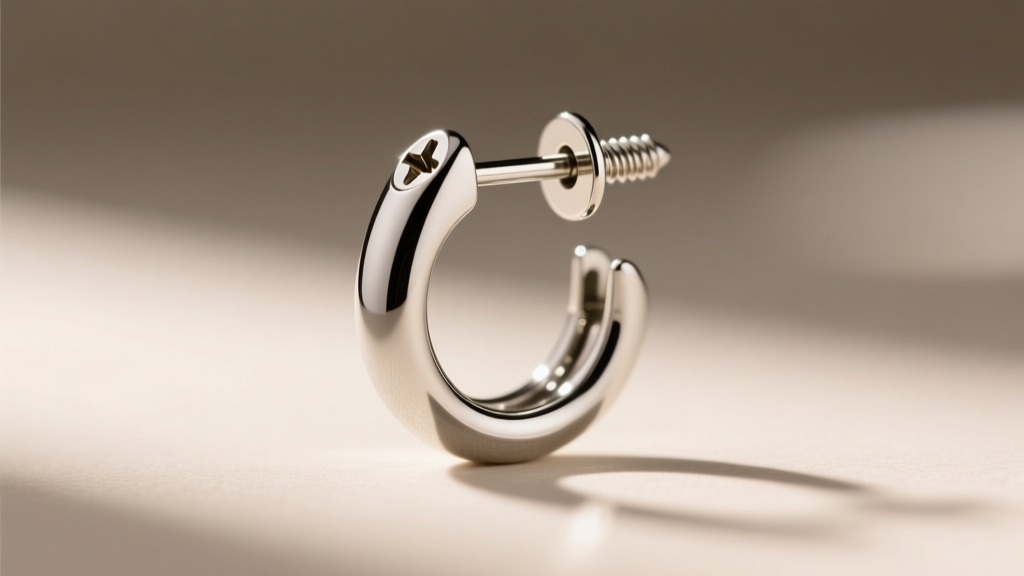
Material Grades and the Plating Reality
The metal composition of the earring post and the clip itself dictates both the lifespan of the piece and the biological reaction of your skin. When assessing value, you must look past the shiny exterior and examine the plating thickness and base metal.
The Base Metal Trap (Under $20)
Earrings in this tier are typically made from "pot metal" (zinc alloys) or brass, flash-plated with a microscopic layer of gold or silver (often less than 0.05 microns thick). According to the American Academy of Dermatology, nickel is a common component in cheap base metals and is the leading cause of contact dermatitis. Even if the earring is labeled "nickel-free," the porous nature of cheap flash plating allows sweat to penetrate and oxidize the base metal within weeks, turning your skin green and ruining the earring.
The Vermeil and Plated Sweet Spot ($30–$80)
This is where true budget value lives. Look for gold vermeil, which the Federal Trade Commission (FTC) strictly defines as a sterling silver base plated with at least 2.5 microns of 10k, 14k, or 18k gold. Vermeil clip-ons offer the hypoallergenic benefits of solid silver with the aesthetic of solid gold, at a fraction of the cost. In this price bracket, you will also find surgical-grade stainless steel (316L) clip-ons, which are incredibly durable and virtually impervious to tarnish.
Solid Gold and Platinum Investments ($150+)
Solid 14k or 18k gold clip-ons are heirloom-quality investments. Because gold is a softer metal, high-end jewelers often engineer the clip mechanism out of spring steel or titanium, and then cast the decorative front in solid gold. This hybrid approach ensures the tension mechanism never fails while maintaining the intrinsic material value of the earring.
"A well-crafted clip-on earring should feel like a gentle hug, not a vice grip. If you have to adjust a clip-on more than twice a day, the tension calibration or the weight distribution of the decorative front is fundamentally flawed." — Master Jeweler & Ergonomic Design Specialist
Failure Modes: Why Clip Backs Break
Understanding how clip back earrings fail is crucial for evaluating their warranty and long-term value. Here are the three most common failure modes:
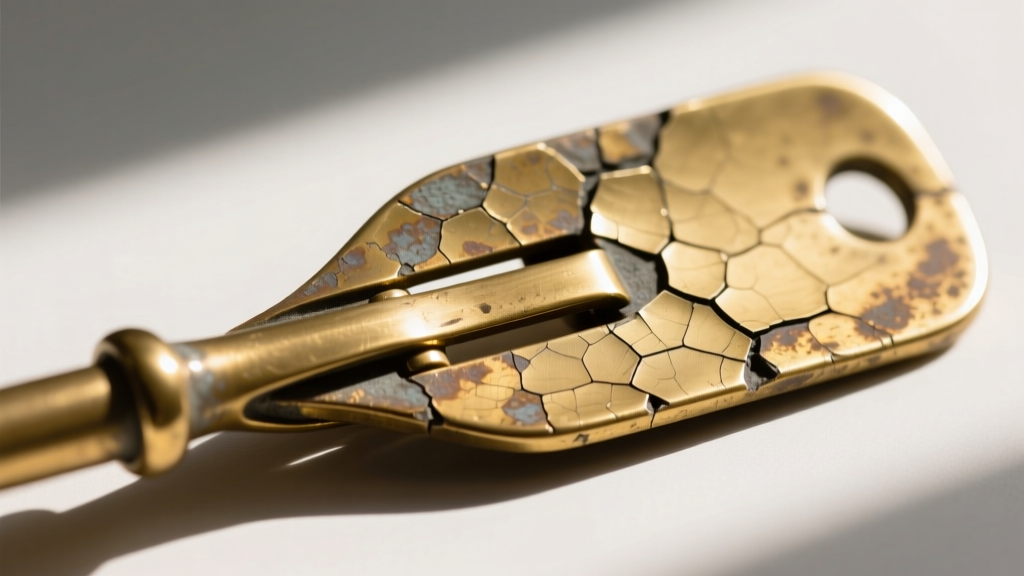
- Fulcrum Fatigue: The pivot point of a paddle or hinge clip bears the brunt of mechanical stress. Cheap castings will develop micro-fractures here, eventually snapping clean off.
- Screw Thread Stripping: On adjustable screw-backs, the tiny tension screw can strip its internal threads if over-tightened, rendering the adjustment feature useless.
- Silicone Pad Degradation: UV exposure and skin oils can cause cheap silicone pads to yellow, harden, and eventually fall out of their metal cradles. High-value brands sell replacement pads or use medical-grade, oil-resistant elastomers.
The Value Verdict: How to Shop Smart
To ensure you are getting genuine value when purchasing clip back earrings, apply this quick assessment framework before checking out:
- The Flick Test: If shopping in person, open the clip and flick the back piece. It should snap shut with a crisp, resonant sound, not a dull thud. A dull thud indicates cheap, porous casting.
- Weight-to-Tension Ratio: Heavy dangle clip-ons require wider, padded hinge clips. A heavy dangle on a narrow paddle clip will inevitably pull the earlobe down and fall off. Ensure the mechanism scales with the weight of the design.
- Check the Hallmarks: Look for stamps like "925" (sterling silver base) or "316L" (surgical steel). Avoid anything simply stamped "metal" or "alloy."
Ultimately, budget clip back earrings are a false economy. By investing slightly more in hinged, vermeil, or surgical steel mechanisms, you secure a piece of jewelry that offers all-day comfort, mechanical reliability, and lasting aesthetic appeal.


