Clove Earrings: Best Metals for Botanical Spice Jewelry
Discover the best metals for intricate clove earrings. Compare silver, brass, and gold for botanical spice jewelry, focusing on detail, tarnish, and safety.

The Appeal of Botanical Clove Earrings
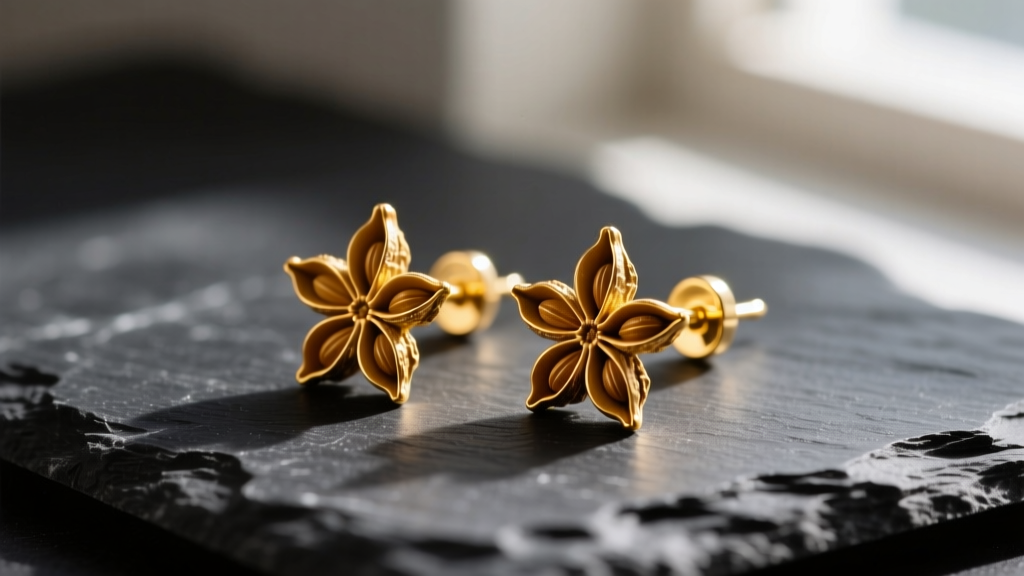
Botanical jewelry has seen a massive resurgence, but few motifs offer the intricate, tactile satisfaction of the clove bud. Inspired by Syzygium aromaticum, the dried flower bud used as a spice, clove earrings feature a distinct nail-like silhouette with a deeply textured, bumpy calyx (the cup) and a smooth, round head. Capturing this micro-texture requires exceptional metal flow during the casting process, making material selection the single most critical factor in the quality and longevity of the piece.
Unlike smooth, minimalist studs, clove earrings possess deep grooves, undercuts, and porous-looking surface textures. These crevices are notorious for trapping moisture, skin oils, and environmental sulfur, which accelerates tarnishing and complicates maintenance. Furthermore, the weight distribution of a solid metal clove bud demands specific post gauges to prevent the earring from drooping or bending. In this comprehensive guide, we evaluate the metallurgical properties, casting behaviors, and long-term wearability of the most common metals used for clove earrings in 2026.
Material Comparison Matrix
Before diving into the metallurgical specifics, here is a quick-reference matrix comparing the primary metals used for botanical spice jewelry. This data reflects standard lost-wax casting outcomes for highly textured designs.
| Metal Alloy | Detail Retention | Tarnish Risk in Crevices | Avg. Price Range (Pair) | Best For |
|---|---|---|---|---|
| Sterling Silver (925) | Excellent | High (Black oxidation) | $45 - $120 | Budget-friendly botanicals |
| Argentium Silver (960) | Superior | Very Low | $80 - $180 | High-detail, low-maintenance |
| Raw Brass / Bronze | Good | Extreme (Green patina) | $25 - $60 | Vintage-style, rustic aesthetics |
| Solid 14k Gold | Very Good | Negligible | $250 - $600+ | Heirloom pieces, daily wear |
| Solid 18k Gold | Excellent | Negligible | $400 - $900+ | Luxury, rich color contrast |
Sterling Silver vs. Argentium 960 for Creviced Designs
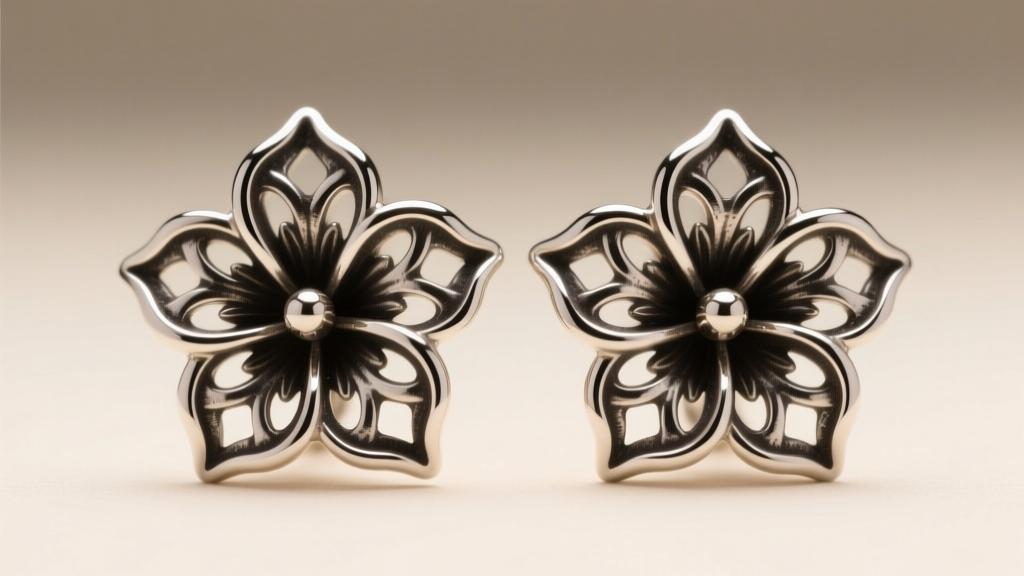
Standard Sterling Silver (92.5% silver, 7.5% copper) is the industry standard for botanical jewelry due to its excellent fluidity when molten, allowing it to capture the finest ridges of the clove calyx. However, the copper content makes it highly susceptible to oxidation. In a smooth earring, wiping away tarnish is trivial. In a clove earring, the deep grooves of the calyx trap sulfur compounds, turning the crevices stubbornly black.
This is where Argentium Silver changes the game. By replacing a portion of the copper with germanium, Argentium 960 develops a transparent germanium oxide layer on its surface that actively prevents black tarnish from forming. For deeply textured clove earrings, Argentium is vastly superior. You will never have to aggressively scrub the microscopic grooves with a stiff brush, which can eventually wear down the crisp edges of the cast detail over time.
One critical warning for silver clove earrings: avoid liquid 'silver dip' cleaners. These solutions rely on thiourea, a chemical that strips tarnish instantly but leaves behind a white, crystalline residue. In the deep, narrow crevices of a clove bud design, this residue is nearly impossible to rinse out, leaving your earrings looking permanently chalky in the shadows.
The Brass and Bronze Challenge: Patina vs. Polishing
Brass and bronze offer a beautiful, warm, earthy tone that complements the rustic, historical origins of spice trade jewelry. However, raw brass is highly reactive to the acids and salts in human sweat. When worn against the earlobe, the moisture trapped between the heavy clove bud and the skin will cause the brass to leach copper, resulting in the dreaded green skin effect and a rapid degradation of the metal's surface polish.
If you are purchasing or manufacturing brass clove earrings, an e-coating (electrophoretic lacquering) is absolutely mandatory. E-coating submerges the earring in a water-based lacquer and uses an electrical current to draw a uniform, microscopically thin layer of protective polymer into every single crevice of the calyx. Unlike spray-on clear coats, which tend to pool in the deep grooves and obscure the fine botanical details, a proper 5-to-10-micron e-coat preserves the sharp texture while completely sealing the reactive copper and zinc alloys away from the skin.
Post Gauge and Structural Specifications
A frequent failure point in heavy botanical earrings is the post wire. A standard earring post is 20-gauge (0.81mm thick). However, a solid cast metal clove bud—especially in dense metals like silver or gold—can easily weigh between 2.5 and 4.5 grams per earring. When a 4-gram clove bud is mounted on a 20-gauge wire, the leverage created by the heavy front end will cause the post to bend backward, making the earring sit awkwardly on the lobe and putting stress on the piercing hole.
For any solid metal clove earring exceeding 2 grams, you must insist on an 18-gauge (1.02mm) or at least a 19-gauge (0.91mm) post. The thicker wire provides the necessary yield strength to support the heavy, textured head of the clove without warping. Additionally, the butterfly clutch or screw-back must be appropriately sized to grip the thicker gauge securely.
Solid Gold: 14k vs 18k for Heirloom Spice Motifs
When investing in solid gold clove earrings, the choice between 14k and 18k goes beyond mere color preference; it directly impacts the structural integrity of the casting. According to metallurgical data cited by the Gemological Institute of America (GIA), 18k gold (75% pure gold) is significantly softer and more malleable than 14k gold (58.3% pure gold).
While 18k gold offers a richer, deeper yellow hue that beautifully mimics the warm tones of dried spices, its softness means that the delicate 'stem' of the clove earring (if the design includes one) or the post itself is more prone to bending if dropped on a hard surface. 14k gold, alloyed with higher percentages of silver, copper, and zinc, offers superior tensile strength. For a highly textured, daily-wear botanical piece that might occasionally be knocked against a desk or caught in hair, 14k gold is the more pragmatic choice for preserving the crispness of the calyx ridges over decades of wear.
Furthermore, casting shrinkage must be accounted for. Gold alloys shrink slightly more than silver during the cooling phase of lost-wax casting. Master jewelers must scale up their 3D-printed or hand-carved wax models by approximately 1.25% to 1.5% to ensure the final gold clove earring retains the exact micro-textures intended in the original design.
Maintenance Protocols for Textured Clove Shapes
Maintaining the intricate grooves of botanical spice jewelry requires a departure from standard polishing routines. Because polishing cloths cannot reach into the deep undercuts of the clove calyx, you must rely on chemical and gentle mechanical agitation. Follow these protocols based on your metal choice:
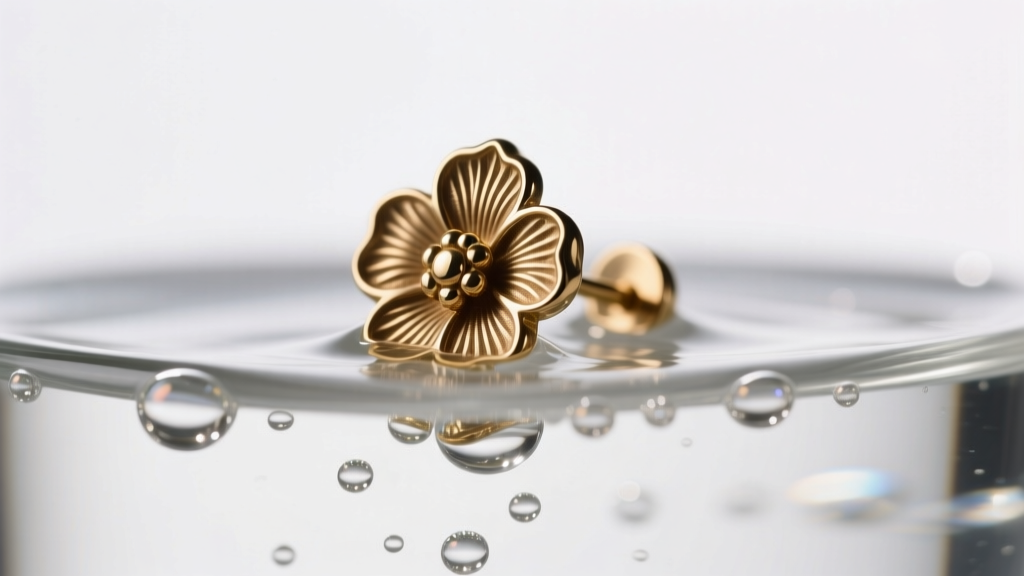
- For Silver and Gold: Use a few drops of mild, phosphate-free dish soap in warm water. Submerge the earrings for five minutes to loosen sebum and dead skin cells trapped in the texture. Use an extra-soft, baby-hair brush to gently sweep the grooves. Rinse with distilled water to prevent hard water spots from drying in the crevices.
- For E-Coated Brass: Never use ultrasonic cleaners or harsh chemical baths, as the high-frequency vibrations and aggressive solvents can micro-fracture the electrophoretic lacquer, exposing the raw brass to air and moisture. Wipe only with a damp microfiber cloth.
- For Raw Bronze (Intentional Patina): If you desire the dark, antique look of oxidized bronze in the crevices, seal the piece annually with a thin layer of microcrystalline wax (such as Renaissance Wax). This locks in the dark patina while providing a hypoallergenic barrier against the skin.
Final Verdict
Choosing the right metal for clove earrings is a balance between aesthetic warmth, textural fidelity, and maintenance tolerance. For collectors who want the highest level of detail without the nightmare of scrubbing black tarnish out of microscopic grooves, Argentium 960 Silver is the undisputed champion. For those seeking a lifelong heirloom piece that captures the golden warmth of the spice trade, 14k Yellow Gold provides the perfect intersection of rich color and structural durability. Regardless of the metal you choose, always verify that the post gauge is thick enough (18G or 19G) to support the heavy, intricate botanical bud, ensuring your clove earrings sit perfectly on the lobe for years to come. For more insights on preserving fine jewelry, consult the care guidelines provided by Jewelers of America.


