Clown Earrings: A Budget & Value Guide for Novelty Styles
Discover the true value of clown earrings. We assess materials, gauge sizes, and pricing tiers to help you buy durable, hypoallergenic novelty styles.

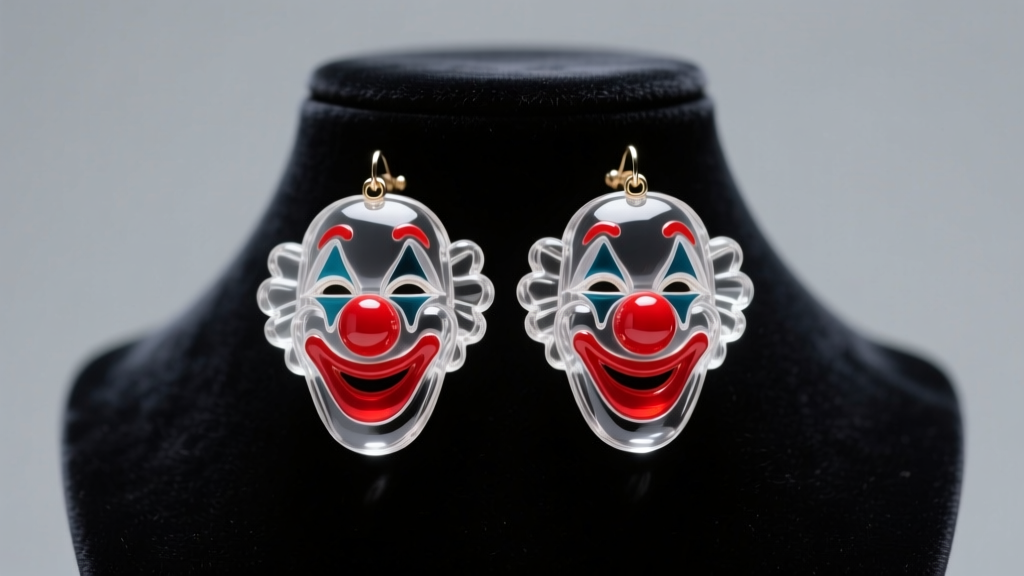
In 2026, the intersection of avant-garde fashion, cosplay, and the resurgent "circuscore" aesthetic has pushed novelty jewelry into the mainstream spotlight. Among the most expressive and highly sought-after pieces in this niche are clown earrings. Whether you are a professional performer, a dedicated cosplayer, or a streetwear enthusiast incorporating whimsical motifs into your daily rotation, finding the right pair requires looking past the bright paint and ruffled collars. As a senior jewelry appraiser, I frequently see buyers waste money on heavy, poorly balanced novelty pieces that ruin their piercings. This comprehensive budget and value assessment will break down the metallurgy, structural integrity, and true cost-per-wear of clown-themed ear adornments.
The Hidden Costs of Cheap Novelty Jewelry
The novelty earring market is notoriously saturated with ultra-cheap, drop-shipped accessories. While a $4 pair of 3D acrylic clown shoes might seem like a steal, the hidden costs manifest in lobe trauma and contact dermatitis. The primary culprit is the earring post. Budget manufacturers frequently use brass or low-grade alloy posts plated with a microscopic layer of silver or gold. Once this plating wears off—often within a week of exposure to skin oils and friction—the underlying nickel is exposed.
According to the American Academy of Dermatology, nickel allergy is one of the most common causes of allergic contact dermatitis, affecting up to 20% of the population. When assessing the value of clown earrings, the post material is non-negotiable. High-value novelty earrings will explicitly state the use of 316L surgical stainless steel, ASTM F136 implant-grade titanium, or solid 14k gold posts. If the seller cannot confirm the post metallurgy, the earrings are a poor investment, regardless of how charming the clown motif appears.
Material Tiers: Acrylic vs. Enamel vs. Resin
The visual appeal of clown earrings relies heavily on vibrant colors and distinct textures. The medium used to achieve this dictates the price, weight, and lifespan of the jewelry. Below is a comparative breakdown of the three most common materials used in novelty clown motifs.
| Material | Manufacturing Process | Weight Profile | Durability & Lifespan | Average Price Range |
|---|---|---|---|---|
| Injection-Molded Acrylic | Mass-produced in steel molds; seams often visible. | Very Light | Low (prone to snapping at the post joint) | $3 - $10 |
| Laser-Cut Cast Acrylic | Cut from continuous sheets; edges are polished and seamless. | Light to Medium | Medium (resists snapping, but scratches easily) | $12 - $25 |
| UV-Cured Artisan Resin | Hand-poured into silicone molds; allows for 3D embeds (e.g., tiny glitter top hats). | Medium to Heavy | High (shatter-resistant, UV-stabilized against yellowing) | $30 - $65 |
| Cloisonné Enamel | Glass powder fused to copper or brass at high temperatures; wire separators. | Heavy | Very High (heirloom quality, scratch-resistant) | $45 - $120+ |
For buyers on a strict budget, laser-cut cast acrylic offers the best value. It avoids the weak stress points of injection molding while keeping the weight low enough to prevent lobe stretching. For collectors and performers, UV-cured resin provides the best canvas for intricate, multi-layered clown face designs without the extreme weight penalty of glass enamel.
Gauge Sizes and the "Cheese Cutter" Effect
One of the most critical, yet frequently ignored, aspects of buying statement novelty jewelry is the gauge (thickness) of the post. Standard fashion earrings are typically 20-gauge (0.81mm). However, clown earrings often feature oversized elements—think wide ruffled collars, large foam-nose spheres, or dangling juggling pins. This added surface area catches on clothing and hair, creating sudden tensile stress on the earlobe.
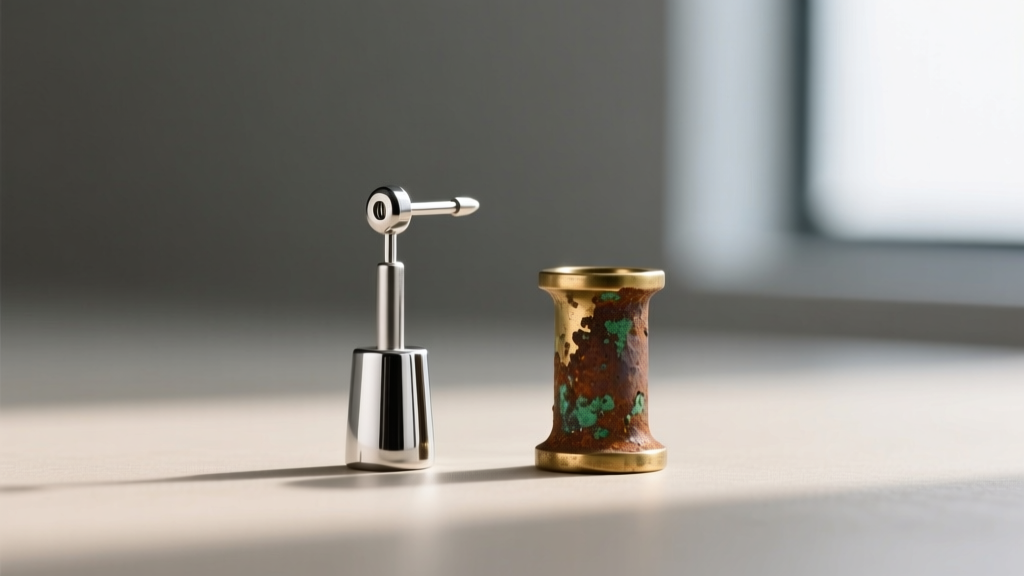
When a heavy, 20-gauge post is subjected to sudden pulling, it can trigger the "cheese cutter effect." This is a phenomenon where thin wire under tension slowly migrates through the flesh, elongating the piercing hole and potentially causing a complete lobe blowout. The Association of Professional Piercers (APP) consistently advises that heavier jewelry requires thicker posts to distribute the weight and resist bending.
Optimal Gauge Sizing for Novelty Styles
- Small Studs (e.g., Tiny Clown Bow Ties): 20g (0.81mm) or 18g (1.02mm) is perfectly safe.
- Medium Dangles (e.g., 1.5-inch Clown Faces): 18g (1.02mm) is highly recommended to prevent bending and migration.
- Large Statement Hoops/Drops (e.g., 3-inch Circus Tents): 16g (1.29mm) or even 14g (1.6mm) is required. Note that you may need to have your piercer gently taper your standard lobe piercing to accommodate a 16g post safely.
Price vs. Value Matrix: Where to Allocate Your Budget
When evaluating clown earrings, it is vital to separate "price" from "value." A $60 pair of hand-painted enamel clown earrings worn twice a year has a cost-per-wear of $30. Conversely, a $15 pair of well-balanced, titanium-post acrylic dangles worn weekly to gigs or conventions offers vastly superior functional value.
Appraiser's Tip: Always check the earring backing mechanism. Heavy novelty pieces require secure backings. Avoid standard "butterfly" friction backs, which slip off easily when caught on a wig or costume collar. Look for screw-backs, silicone O-rings, or locking ear wires to ensure your investment doesn't end up lost on a convention center floor.
Sourcing and Authenticity: Spotting Quality Online
The internet is flooded with AI-generated mockups of novelty jewelry that do not actually exist, or listings that steal photos from independent artisans. To ensure you are receiving high-value clown earrings that match your budget expectations, apply this three-point checklist before checking out:
- Verify the Weight in Grams: Reputable sellers list the exact weight per earring. Anything over 15 grams per ear requires a heavy-duty post and a secure backing. If the weight isn't listed, assume it is either too heavy or poorly manufactured.
- Inspect the Post Joint: Zoom in on the product photos. High-value acrylic and resin pieces use a "pad" joint—a flat piece of metal glued with industrial jeweler's epoxy to the back of the acrylic, with the post soldered to the pad. Low-value pieces simply drill a hole into the acrylic and glue the post directly inside, which will inevitably snap.
- Check for UV Stabilization: If buying clear or translucent resin pieces (like a clown holding a crystal balloon), ensure the seller mentions UV-resistant resin. Standard epoxy yellows and becomes brittle within six months of sun exposure.
Final Verdict on Budgeting for Novelty Earwear
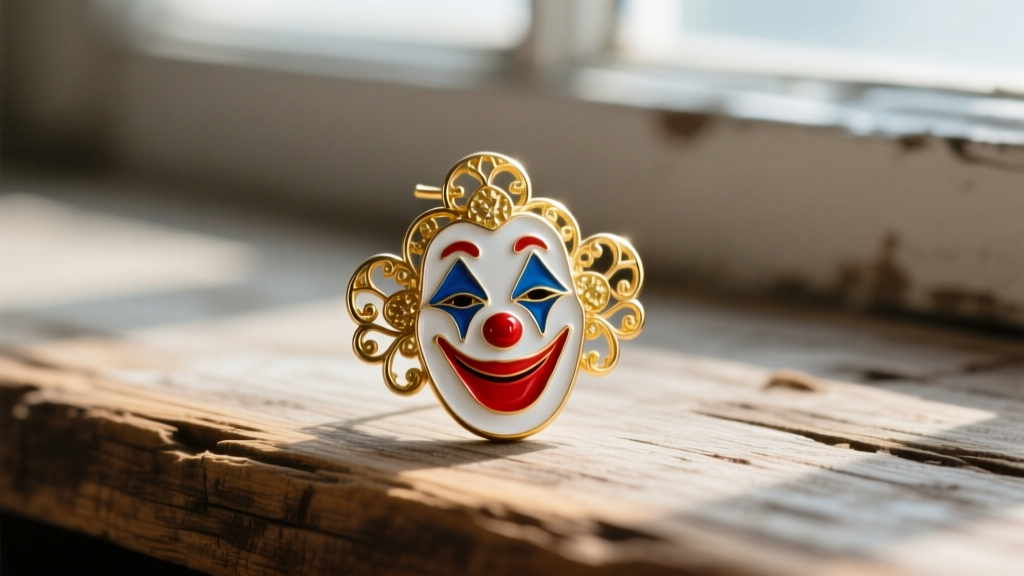
Clown earrings occupy a unique space in the jewelry market, demanding the structural rigor of fine jewelry while delivering the visual impact of costume design. If your budget is under $15, restrict your search to flat, laser-cut acrylic studs with verified stainless steel posts. If you can allocate $30 to $60, you unlock the realm of artisan UV-resin and lightweight 3D dangles that offer incredible durability and comfort. By prioritizing post metallurgy, appropriate gauge thickness, and secure backing mechanisms over sheer size, you can build a whimsical, circus-inspired collection that respects both your wallet and your earlobe health.


