Coach Earrings Hoops: A Technical Deep Dive Into Materials & Wear
An expert metallurgical and structural analysis of Coach earrings hoops, covering plating thickness, gauge sizes, clasp mechanics, and authenticity markers.

Introduction to Fashion Jewelry Metallurgy
When analyzing the secondary market and retail landscape for designer fashion jewelry, Coach earrings hoops occupy a fascinating intersection of brand prestige and accessible luxury. Unlike fine jewelry houses that construct their pieces from homogeneous precious metals like solid 14k or 18k gold, Coach operates within the high-end fashion jewelry sector. This distinction is not merely semantic; it fundamentally dictates the metallurgical composition, structural longevity, and biomechanical behavior of the earrings on the human body.
For collectors, resellers, and daily wearers, understanding the technical specifications of these hoops is critical. From the specific brass alloys used in their casting to the micron-thickness of their electroplated finishes, this deep dive deconstructs the engineering behind Coach's most iconic ear accessories, evaluating their wear tolerances and long-term viability.
Base Alloys and Plating Thickness: What You Are Actually Wearing
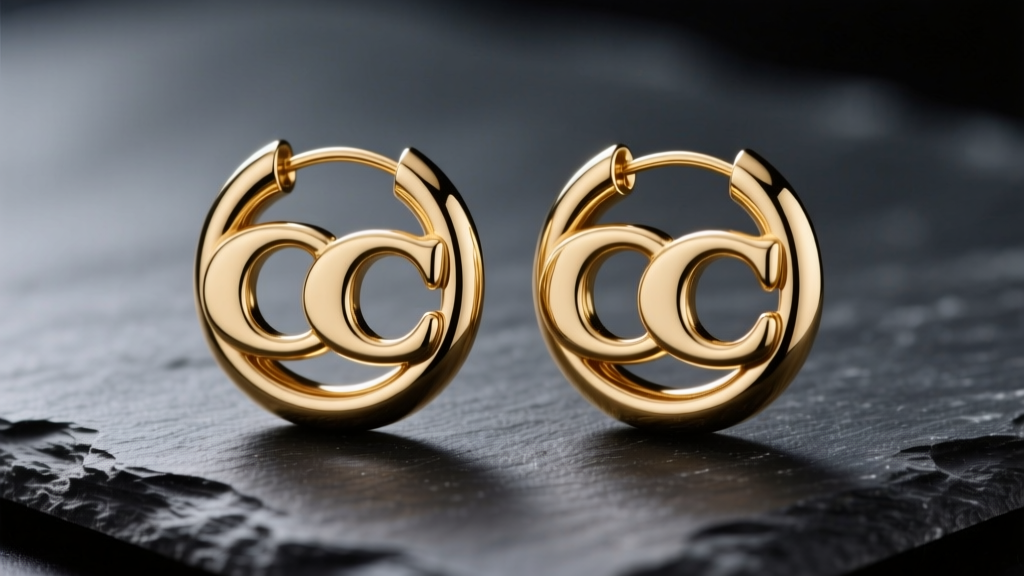
The core of most Coach hoop earrings is not solid precious metal, but rather a high-durability base alloy. The brand predominantly utilizes C260 Cartridge Brass (a copper-zinc alloy) or Zamak (a zinc alloy containing aluminum, magnesium, and copper). Brass is favored for its excellent tensile strength and resistance to stress corrosion cracking, making it ideal for the thin wire profiles required for lightweight hoops. Zamak, conversely, is used for heavier, cast components like the signature 'C' logo charms due to its superior fluidity in die-casting molds.
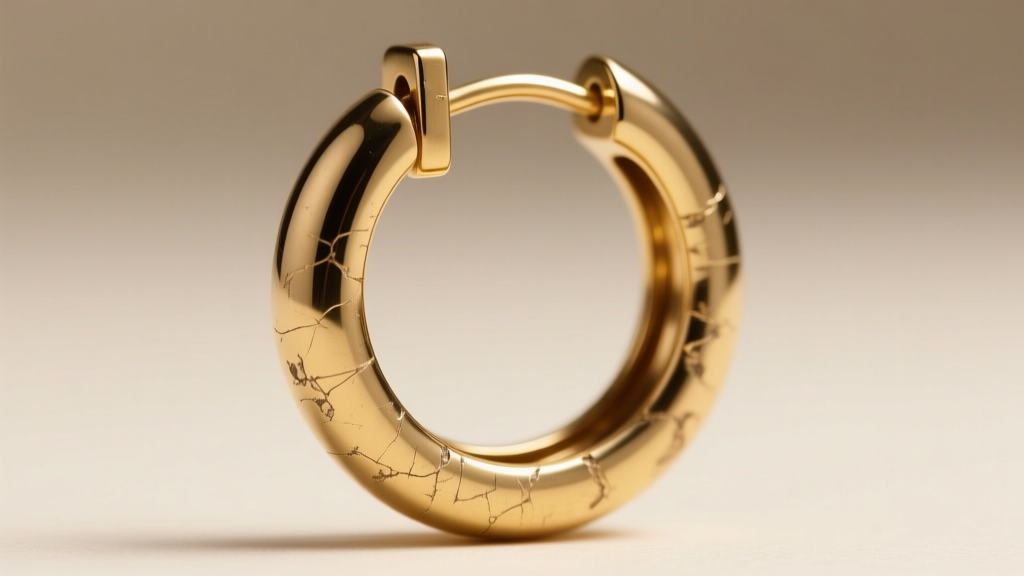
Once cast and polished, the base metal undergoes surface treatment. According to the FTC Jewelry Guides, terms like 'gold-tone' or 'gold-plated' indicate an electrochemical deposition process. Coach typically applies a barrier layer (often white bronze or palladium to comply with EU REACH nickel-free regulations) followed by a flash plating of 14k or 18k gold. This gold layer is exceptionally thin, usually ranging between 0.1 to 0.5 microns. While this provides the initial brilliant luster, it is highly susceptible to galvanic corrosion when exposed to the acidic pH of human sweat and environmental sulfur compounds.
Biomechanics: Gauge Sizes and Earlobe Stress
A frequently overlooked aspect of earring design is the biomechanical impact of the wire gauge on the earlobe tissue. Coach earrings hoops generally utilize standard fashion jewelry wire gauges, which prioritize aesthetic delicacy over structural support.
- Standard Post Hoops: Typically crafted in 20-gauge (0.81mm) wire. While comfortable for short-term wear, heavy pendant hoops in this gauge can cause the 'cheese-cutter effect,' where the thin wire slowly migrates downward through the earlobe tissue due to gravitational stress.
- Huggies and Latch-Backs: Often upgraded to 18-gauge (1.02mm) to accommodate the mechanical stress of the hinge mechanism and to provide a more substantial tactile feel.
- Weight Distribution: Signature oversized Coach hoops can weigh between 8 to 14 grams per earring. Without a wide, flat backing plate or an omega-clip to distribute the load across the posterior earlobe, this concentrated mass accelerates tissue stretching.
Hardware and Clasp Failure Modes
The most common point of catastrophic failure in fashion jewelry is the clasp mechanism. Coach employs several closure types across their hoop collections, each with distinct mechanical vulnerabilities.
| Closure Type | Mechanism Description | Primary Failure Mode | Repairability |
|---|---|---|---|
| Hinge & Snap | A micro-pin hinge with a tension-fit snap post. | Hinge pin shearing or snap-tube widening, leading to accidental loss. | Difficult; requires micro-soldering. |
| Latch-Back | A hinged wire that passes through the ear and locks into a catch. | Wire fatigue at the hinge point due to repeated bending. | Moderate; hinge can be re-tensioned. |
| Omega Clip | A hinged, spring-loaded backing plate that clamps against the post. | Spring steel fatigue resulting in loss of clamping tension. | Low; entire backing must be replaced. |
To mitigate hinge fatigue, it is recommended to open and close latch-back hoops by gripping the base of the wire rather than the tip, reducing the lever-arm torque applied to the micro-hinge.
Authenticating Coach Hoops: Hallmarks and Tolerances
The secondary market is saturated with counterfeit designer jewelry. Authenticating Coach earrings hoops requires looking beyond the presence of a logo and examining the manufacturing tolerances.
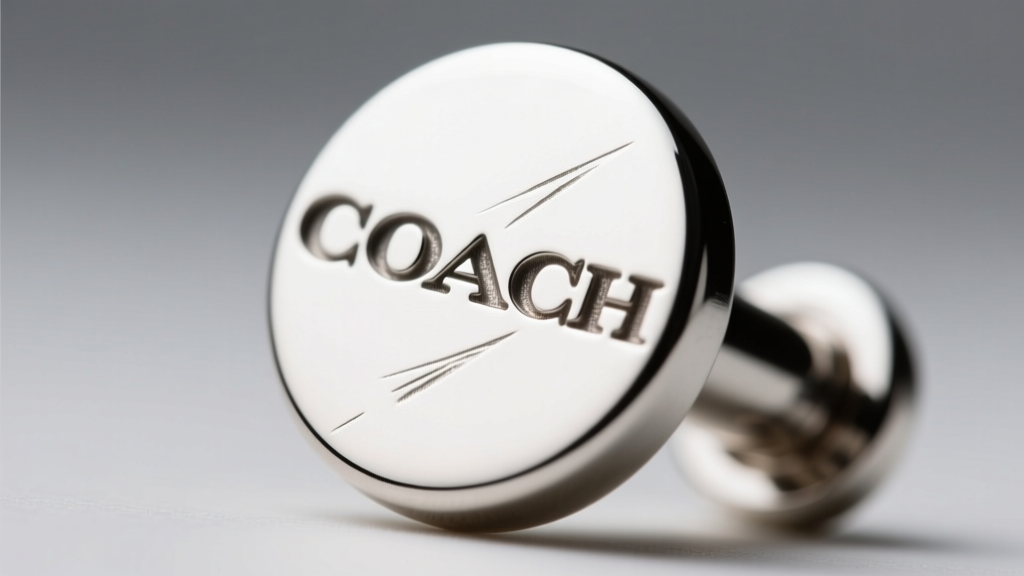
Genuine Coach pieces feature hallmarks that are either deeply stamped via CNC-milled dies or precisely laser-engraved with uniform depth. Counterfeit pieces often exhibit shallow, blurry, or misaligned stamping due to the use of low-quality cast-in-place molds. Furthermore, the weight of the earring is a primary diagnostic tool. Because counterfeiters frequently use hollow plastics or lightweight aluminum alloys to cut costs, a fake Coach hoop will often feel unnervingly light compared to the dense, specific gravity of authentic brass or Zamak bases. According to the Gemological Institute of America (GIA), verifying the precision of maker's marks and assessing the quality of the metal finish are the first lines of defense in jewelry authentication.
Long-Term Maintenance and Replating Economics
Preserving the finish of gold-tone or silver-tone fashion jewelry requires strict adherence to chemical boundaries. The electroplated layers on Coach hoops are not designed to withstand harsh chemical solvents or abrasive polishing.
Expert Warning: Never place electroplated fashion jewelry in an ultrasonic cleaner. The high-frequency cavitation bubbles will strip the sub-micron gold layer from the brass base in a matter of seconds, leaving you with a dull, oxidized piece that requires professional refinishing.
When the plating inevitably wears through to the brass or zinc core, owners face a critical economic decision. Professional electroplating services to restore a pair of hoops typically cost between $45 and $85. Given that many standard Coach hoops retail between $50 and $120 (and sell for less on the secondary market), the cost of replating often exceeds the replacement value of the jewelry. Therefore, these pieces are best categorized as seasonal accessories rather than multi-generational heirlooms.
Final Verdict: Investment vs. Accessory
Coach earrings hoops represent a masterclass in brand-driven fashion jewelry. They offer the aesthetic weight, recognizable motifs, and immediate visual appeal of luxury goods, backed by the structural reliability of brass and Zamak alloys. However, from a purely metallurgical standpoint, buyers must recognize the limitations of flash-plated finishes and delicate 20-gauge wire profiles. By understanding the material science and mechanical failure points outlined above, wearers can better manage their expectations, implement proper care routines, and confidently navigate both the retail and authentication landscapes.
For ongoing care, always follow the official Coach care guidelines, storing the hoops in a low-humidity environment with anti-tarnish silica packets to significantly extend the lifespan of the electroplated surface.


