A Beginner's Guide to Collecting Laurel Burch Bird Earrings
Discover how to identify, style, and care for authentic Laurel Burch bird earrings. A beginner's guide to materials, vintage marks, and pricing.

Introduction to Laurel Burch's Avian Art
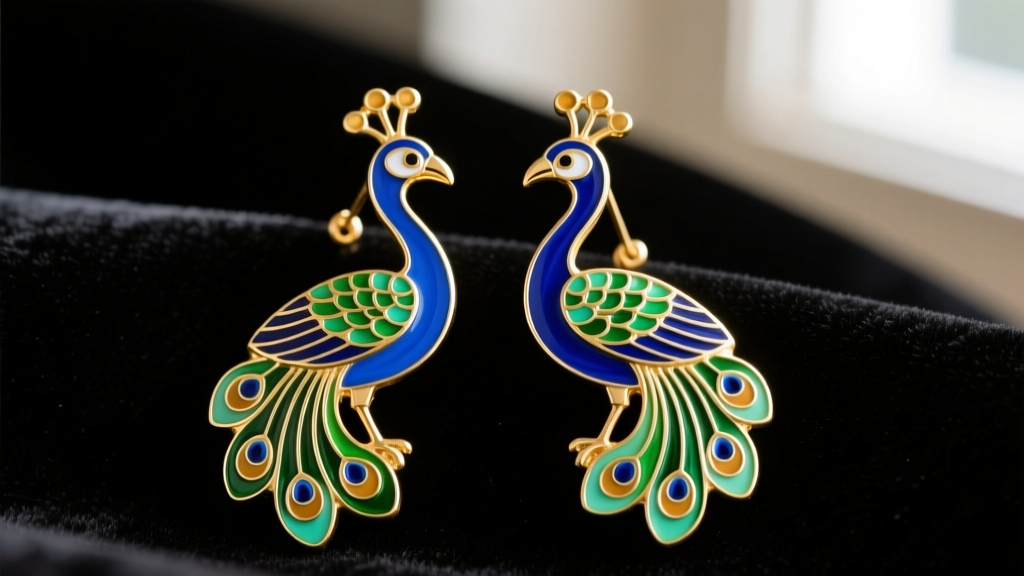
If you are just stepping into the world of wearable art, few names carry the whimsical, vibrant legacy of Laurel Burch. Before her passing in 2006, the San Francisco-based artist built an empire on bold, mythical, and animalistic designs. Among her most sought-after creations are her avian motifs. Collecting laurel burch bird earrings is a fantastic entry point into vintage artisan jewelry, offering a unique blend of 1980s and 1990s pop-art aesthetics and intricate metalwork. Whether depicting the wisdom of an owl, the majesty of a peacock, or the playful nature of a parrot, these pieces are more than just accessories; they are miniature canvases.
For beginners, navigating the secondary market for these earrings can be daunting. The market is flooded with later-era mass-produced lines, unlicensed knockoffs, and pieces that have suffered from improper storage. This guide will walk you through the exact materials, authentication hallmarks, and structural details you need to know to build a high-quality, authentic collection of Laurel Burch's iconic bird earrings.
Decoding the Materials: Cloisonné vs. Cold Enamel
One of the most critical aspects of evaluating vintage artisan earrings is understanding the medium. Laurel Burch's jewelry primarily relies on metal bases filled with colorful enamels. However, not all enamel is created equal, and the production methods shifted as her brand expanded globally.
Fired Cloisonné vs. Painted Resin
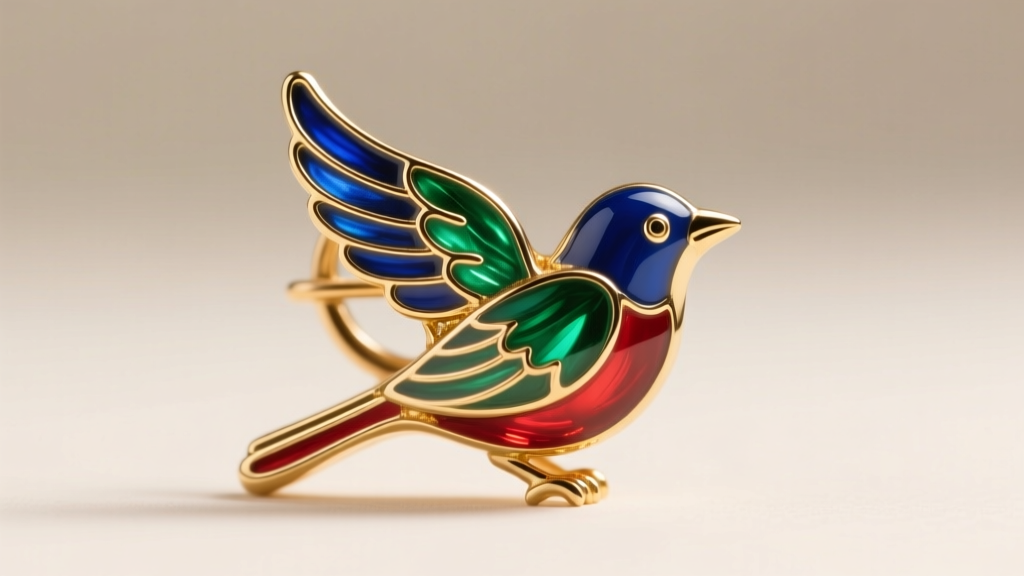
Early, high-end Laurel Burch pieces often utilized traditional cloisonné techniques. This involves soldering fine gold or silver wires onto a brass base to create compartments (cloisons), which are then filled with glass enamel paste and fired in a kiln. The result is a smooth, glass-like finish that is highly resistant to fading. As production scaled in the late 1990s and early 2000s, many of her bird earrings transitioned to "cold enamel"—a pigmented epoxy resin poured into stamped metal molds. While cold enamel allows for brighter, more varied color gradients, it is softer, prone to scratching, and can yellow if exposed to prolonged UV light.
| Feature | Early Vintage (1980s-1990s) | Later Production (2000s+) |
|---|---|---|
| Base Metal | Heavy cast brass or pewter | Lighter stamped alloys |
| Color Fill | Fired glass cloisonné enamel | Cold enamel / epoxy resin |
| Plating | Thick 18k gold-tone or oxidized silver | Thin gold-tone or painted finishes |
| Durability | Highly durable, glass-like surface | Susceptible to chipping and UV yellowing |
How to Authenticate Vintage Laurel Burch Earrings
Because her designs were so popular, counterfeiters frequently copied her bird motifs, especially the iconic wide-eyed owls and crested peacocks. Authenticating your laurel burch bird earrings requires a close inspection of the hardware and the maker's marks.
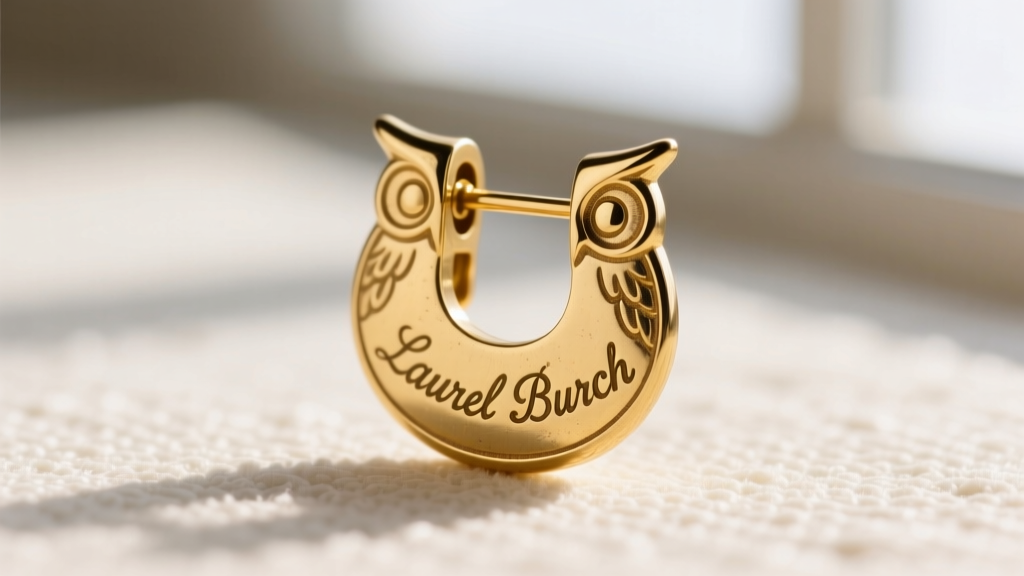
- The Signature Stamp: Authentic pieces will feature "Laurel Burch" engraved in her distinct, flowing script font. This is usually found on the flat back of the earring or on a small soldered metal tag attached to the ear wire.
- The Copyright Symbol: Most genuine vintage pieces from her peak studio years will include a tiny "©" symbol next to or just below her signature.
- Country of Origin: Early 1980s pieces crafted in her San Francisco studio may be unmarked for origin or stamped "USA." By the mid-to-late 1990s, as manufacturing moved overseas to meet demand, authentic pieces were stamped "China." A "China" stamp does not mean it is fake; it simply dates the piece to her later, commercially produced era.
- Hardware Quality: Vintage clip-on mechanisms should feel sturdy with a smooth hinge. Later post earrings typically use standard 20-gauge (0.8mm) surgical steel or gold-plated brass wires with secure butterfly friction backs.
Styling Statement Bird Earrings for Everyday Wear
Laurel Burch's bird earrings are unapologetically bold. A pair of her dangling peacock earrings can easily measure two inches in length and feature a wide, teardrop silhouette. Styling them requires balancing their visual weight with the rest of your outfit and considering your facial structure.
Face Shape Pairings
According to jewelry styling frameworks, the silhouette of your earrings should contrast with your face shape to create visual harmony. If you have a round face, opt for her elongated, dangling owl or heron designs to draw the eye downward and create the illusion of length. If you have a long or oval face, her wider, stud-style parrot or hummingbird clip-ons will add beautiful horizontal volume, balancing your proportions.
Managing the Weight of Vintage Clips
One common complaint among beginners collecting vintage artisan jewelry is the weight of the clip-on mechanisms. Her 1980s brass bird clips can weigh upwards of 15 grams per ear. To prevent lobe fatigue or pinching, look for vintage pairs that feature the "paddle" style clip-back, which distributes pressure over a wider surface area of the earlobe. If you are buying post earrings, always use silicone earring support patches behind the lobe to prevent the heavy bird motifs from drooping forward.
Expert Styling Tip: Let the earrings be the focal point. Because Laurel Burch's color palettes are incredibly saturated—often mixing deep turquoise, magenta, and gold—pair them with solid, neutral garments like a black turtleneck, a crisp white linen blouse, or a deep emerald blazer that pulls from the enamel's secondary tones.
Caring for Plated Base Metals and Enamel
Proper maintenance is non-negotiable if you want to preserve the value and vibrancy of your collection. The gold-tone plating on vintage brass is relatively thin, and the enamel can be damaged by harsh chemicals.
- Avoid Moisture and Chemicals: Never wear your enamel bird earrings in the shower or pool. Chlorine and salt water will aggressively strip the gold plating and cause the underlying brass to oxidize and turn your skin green.
- The Perfume Rule: Always apply your perfumes, hairsprays, and lotions at least 10 minutes before putting on your earrings. The alcohol in fragrances can dissolve cold enamel resin over time, leaving it cloudy and sticky.
- Cleaning Protocol: To clean the metal, use a dry, untreated microfiber cloth. If the enamel gets dirty, use a slightly damp cotton swab with a tiny drop of mild dish soap, then immediately dry it. Never use silver polish, ultrasonic cleaners, or baking soda pastes, as these will permanently scratch the glass enamel and strip the gold wash.
- Storage: Store each pair individually in soft flannel pouches. Tossing them into a communal jewelry box will cause the metal ear wires to scratch the delicate enamel faces of the birds.
Where to Buy and Current Market Pricing
Finding authentic pieces requires looking beyond standard fast-fashion retailers. The best places to source genuine laurel burch bird earrings include specialized vintage platforms like Ruby Lane, curated Etsy vintage sellers, and estate sales. When buying online, always request clear, well-lit photos of the back of the earrings to verify the signature stamp and hardware.
Below is a general pricing guide for the current vintage market, which can help you avoid overpaying for later-era pieces disguised as rare vintage studio art.
| Era / Production | Bird Motif | Style | Average Price Range |
|---|---|---|---|
| 1980s (Early Studio) | Peacock / Owl | Heavy Gold-Tone Clip-On | $85 – $160 |
| 1990s (Peak Commercial) | Parrot / Hummingbird | Silver-Tone Post / Dangle | $45 – $90 |
| 2000s (Late Production) | Dove / Robin | Small Cold Enamel Studs | $20 – $40 |
Collecting these wearable pieces of art is a deeply rewarding hobby. By understanding the nuances of her materials, respecting the weight of the hardware, and caring for the vibrant enamels, your collection of avian art will continue to turn heads for decades to come.


