Concho Earrings Buying Guide: What to Look For in 2026
Discover what to look for when buying concho earrings in 2026. Learn about turquoise grades, silver hallmarks, weight limits, and authentic crafts.

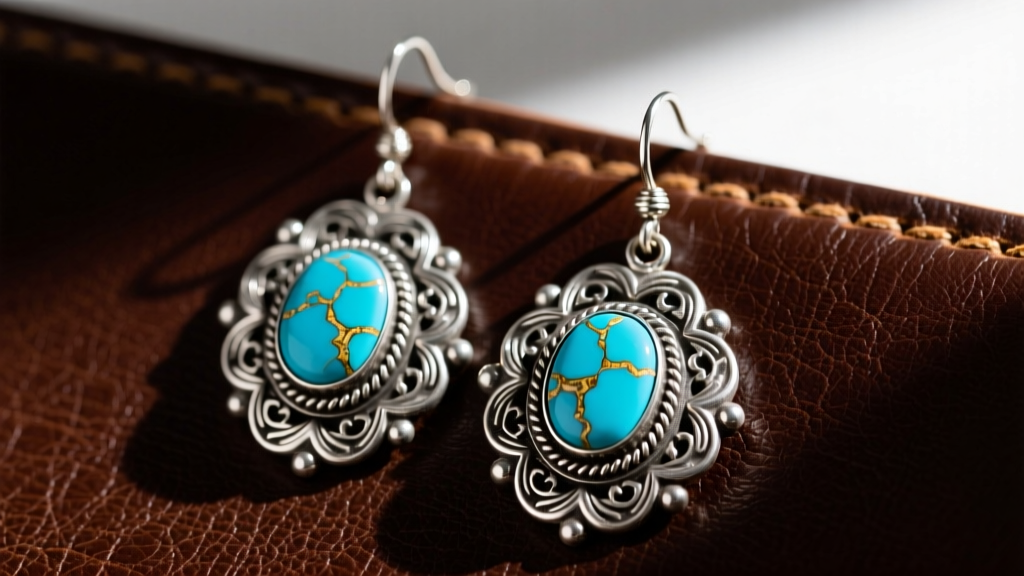
The Revival of Southwestern Silver: Understanding Concho Earrings
As we navigate the 2026 vintage and artisan jewelry revival, concho earrings have cemented their status as a staple of Southwestern and bohemian wardrobes. Originating from the Spanish word concha (meaning shell), conchos were historically used as decorative, functional hardware on horse tack and leather belts. Today, they are celebrated in jewelry for their intricate silver stamp work, domed silhouettes, and vibrant turquoise inlays. However, the market is currently saturated with mass-produced imitations. Whether you are hunting for a lightweight pair of everyday studs or a heavy, museum-quality dangle, knowing how to evaluate silver purity, stone authenticity, and structural integrity is critical. This guide will equip you with the exact metrics needed to invest in genuine, high-quality concho earrings.
Decoding Materials: Silver Purity and Stamping Techniques
The foundation of any authentic concho earring is its silverwork. Artisans typically utilize two grades of silver, each serving a specific structural purpose:
- Sterling Silver (925): Composed of 92.5% pure silver and 7.5% copper, this is the standard for the main body of the earring. The copper alloy provides the necessary tensile strength to hold heavy stamping and stone settings without warping.
- Fine Silver (999): Composed of 99.9% pure silver, this softer metal is frequently used for the bezel wire that wraps around the turquoise cabochon. Its malleability allows the jeweler to push the metal tightly over the stone, securing it without the need for prongs or adhesives.
When examining the silverwork, look for repoussé (hammering from the reverse side to create a raised relief) and deep stamp work. Mass-produced conchos often feature shallow, machine-etched patterns that lack the dimensional depth and slight asymmetrical imperfections characteristic of hand-stamped Navajo or Zuni artistry.
Turquoise: Natural, Stabilized, and Block
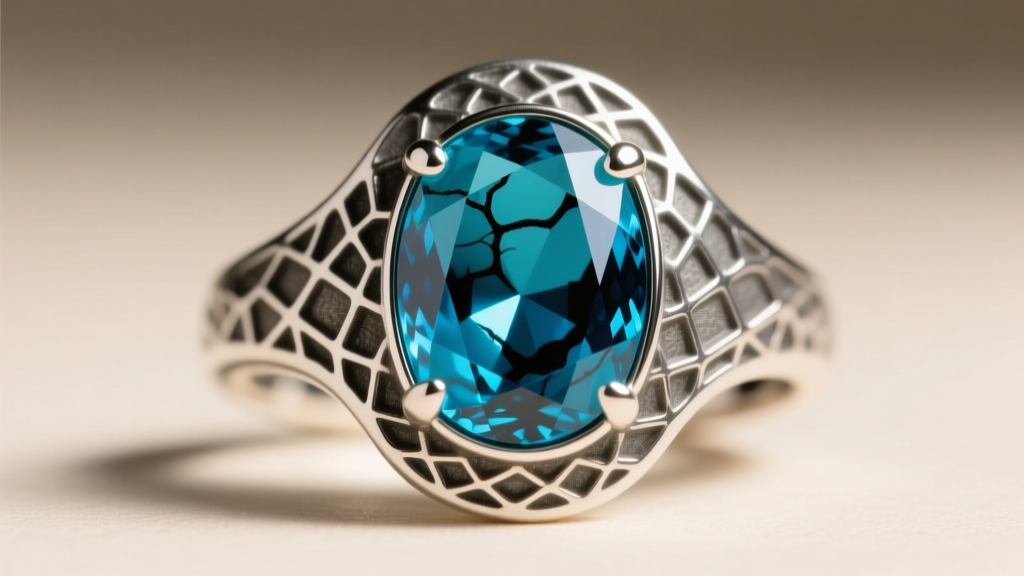
Turquoise is the defining gemstone of the concho aesthetic, but not all turquoise is created equal. According to the Gemological Institute of America (GIA), turquoise is a relatively soft, porous mineral, rating between 5 and 6 on the Mohs hardness scale. Because of this, understanding treatment types is vital for assessing value and durability.
| Turquoise Type | Description & Treatment | Market Value (2026) | Durability |
|---|---|---|---|
| Natural | Untreated, unaltered stone. Highly porous and prone to color shifting from skin oils. | Premium (Especially from closed mines like Sleeping Beauty) | Low (Requires careful maintenance) |
| Stabilized | Treated with a clear epoxy or polymer resin under pressure to harden the stone and lock in color. | Moderate to High (Industry standard for quality jewelry) | High (Resistant to oils and chemicals) |
| Zachery Treated | A proprietary, non-polymer treatment that reduces porosity without adding plastics or resins. | High (Favored by purists and high-end collectors) | High |
| Block / Imitation | Dyed howlite, magnesite, or plastic molded to resemble turquoise matrix. | Very Low (Avoid in artisan purchases) | Variable (Prone to chipping and fading) |
Pro-Tip: Do not automatically dismiss stabilized turquoise. In fact, for heavy concho dangles that may swing and tap against surfaces, a high-quality stabilized Kingman or Royston turquoise cabochon is often more practical and shatter-resistant than a fragile natural stone.
Weight, Gauge, and Earlobe Support Mechanics
The most common failure point when buying vintage or artisan concho earrings is ignoring the physics of weight distribution. A solid sterling silver concho measuring 1.5 inches in diameter, paired with a thick turquoise cabochon, can easily exceed 15 grams per earring. Standard earlobes are not naturally equipped to support this mass without stretching over time.
Earring Backings and Wire Gauges
The gauge (thickness) of the wire that passes through your ear is just as important as the backing mechanism. Here is a structural breakdown of what to look for based on the earring's weight:
| Backing Type | Typical Wire Gauge | Max Weight Tolerance | Best Application |
|---|---|---|---|
| French Wire (Fishhook) | 20g or 22g | 5 - 8 grams | Miniature concho studs or lightweight hollow-backed dangles. |
| Leverback | 18g or 20g | 10 - 14 grams | Medium-weight conchos; the locking mechanism prevents loss if the earring swings forward. |
| Post with Friction Back | 18g or 20g | 12 - 18 grams | Large, heavy concho studs. Requires wide silicone or metal 'earring nuts' to distribute pressure. |
| Omega Clip / Hinge | N/A (Clip-on) | 20+ grams | Massive statement conchos for non-pierced ears or severe lobe-drag prevention. |
If you are purchasing heavy post-style conchos, ensure the post is soldered securely to a wide, flat silver pad rather than directly to the domed shell. A wider soldering pad prevents the post from snapping off under the torque of daily wear.
Authenticity and the Indian Arts and Crafts Act
The market is flooded with overseas manufacturers using the 'Southwestern' aesthetic to sell cast brass and dyed howlite. When buying concho earrings, authenticity is not just a matter of prestige; it is a matter of federal law. The Indian Arts and Crafts Board (IACB) enforces the Indian Arts and Crafts Act of 1990, which makes it illegal to offer or sell any art or craft product in a manner that falsely suggests it is Indian-produced.
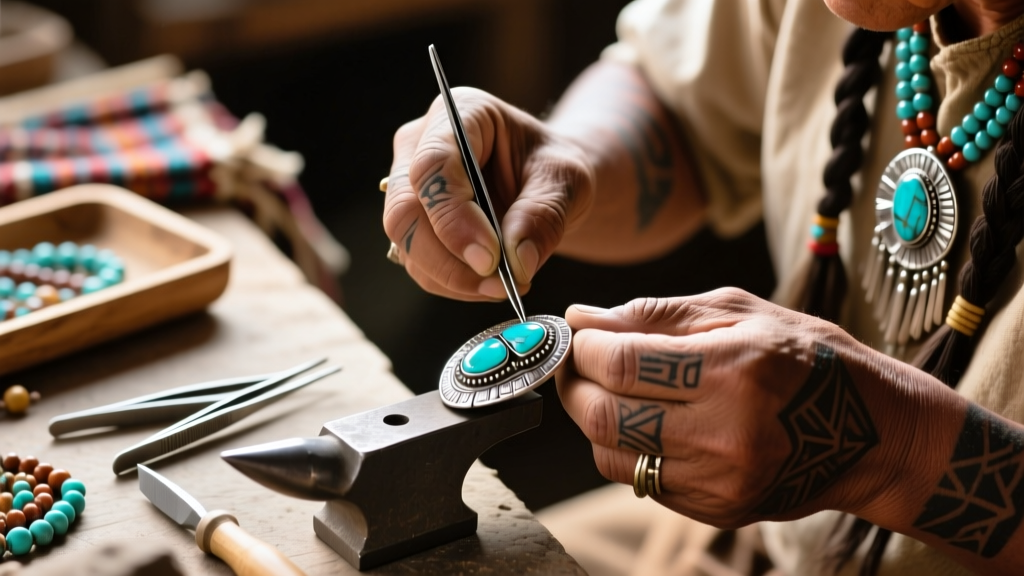
'Under the Act, an Indian product is defined as any art or craft product made by a member of a federally recognized or State recognized Indian Tribe, or by an Indian artisan certified by such a Tribe.' — Indian Arts and Crafts Board
What to look for: Genuine pieces will often feature a stamped hallmark (the artist's initials or a specific symbol) and a 'Sterling' or '925' stamp. However, be wary of the '.925' stamp alone, as it is easily forged on mass-produced items. Look for documentation, a certificate of authenticity, or purchase directly from reputable galleries, established Native American cooperatives (like the Eight Northern Indian Pueblos Arts & Crafts Show), or verified artists on platforms that require tribal enrollment proof.
Sizing Guide: Choosing the Right Proportion
Concho earrings range from subtle 10mm studs to massive 3-inch shoulder-dusters. Selecting the right size depends on your face shape, hair styling habits, and intended use.
- Miniature Conchos (10mm - 15mm): Ideal for everyday wear, office environments, and second or third lobe piercings. These usually feature chip turquoise or simple stamped silver without a central stone.
- Medium Dangles (20mm - 35mm): The most versatile size. They provide the classic Southwestern silhouette without overwhelming the jawline. Best paired with leverback wires for security.
- Statement Dangles (40mm+): Reserved for special occasions, powwows, or high-fashion editorial styling. These require robust earlobe support and should be removed during any physical activity to prevent the heavy silver from tearing the piercing.
Care and Maintenance for Silver and Turquoise
Proper maintenance ensures your concho earrings survive for generations. Silver naturally oxidizes, and while some collectors love the dark patina that settles into deep stamp work, others prefer a high polish.
Never use ultrasonic cleaners or harsh chemical silver dips on turquoise earrings. The porous nature of the stone will absorb the chemicals, leading to irreversible discoloration and degradation of the matrix. Instead, use a dedicated silver polishing cloth to gently buff the raised silver areas, avoiding direct friction on the cabochon. When storing, keep your conchos in an airtight anti-tarnish bag with a silica gel packet to control humidity, which accelerates both silver oxidation and turquoise destabilization.
Final Thoughts on Investing in Concho Earrings
Buying authentic concho earrings in 2026 is an investment in wearable history and indigenous artistry. By scrutinizing the silver gauge, understanding turquoise stabilization, and verifying the artist's hallmark, you protect yourself from counterfeit goods while supporting legitimate artisans. Whether you choose a lightweight pair of Navajo-stamped studs or a heavy Zuni needlepoint dangle, prioritizing structural integrity and material honesty will guarantee your earrings remain a cherished staple in your collection for decades to come.


