Authentic Concho Turquoise Earrings: Value & Pricing Guide
Discover the true value of concho turquoise earrings. Our expert pricing guide covers silver grades, stone authenticity, and what you should pay.

The Anatomy of Value in Concho Turquoise Earrings
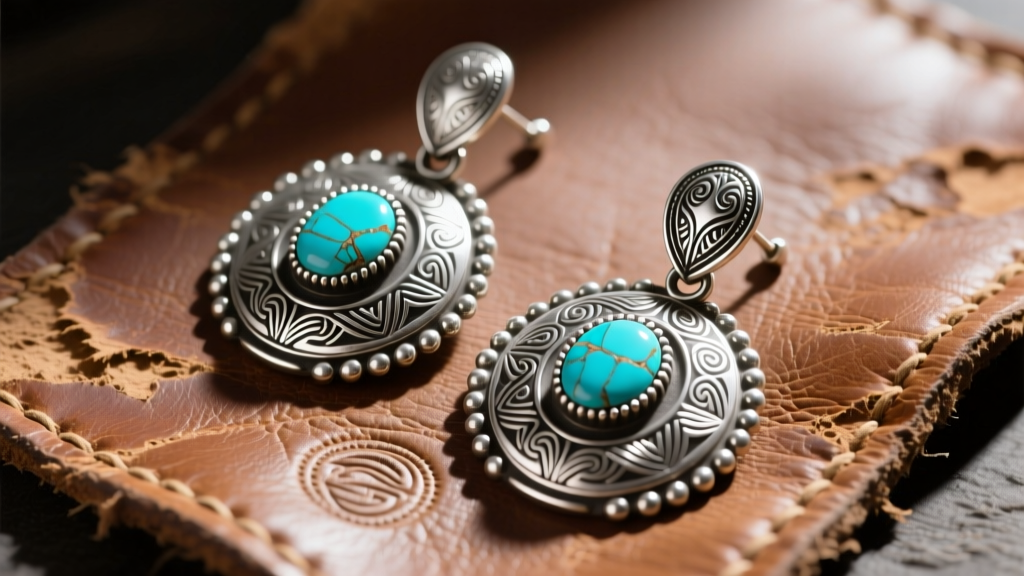
Concho turquoise earrings are a staple of Southwestern and Native American jewelry, celebrated for their intricate silverwork and vibrant stone inlays. The term "concho" (or concha) originates from the Spanish word for shell, reflecting the scalloped, domed, or flat-stamped silver designs initially adapted by Navajo silversmiths for belts and bridles. Today, these motifs are translated into striking earrings. However, the market is flooded with mass-produced imitations, making a thorough budget and value assessment essential for any serious collector or style enthusiast.
Evaluating the true worth of concho turquoise earrings requires looking past the aesthetic and examining three critical pillars: the origin and treatment of the turquoise, the purity and weight of the silver, and the structural integrity of the earring hardware. In this comprehensive guide, we break down exactly what you should expect to pay in 2026 and how to identify genuine artisan craftsmanship over cheap tourist-trap replicas.
Turquoise Grading: Natural vs. Stabilized vs. Imitation
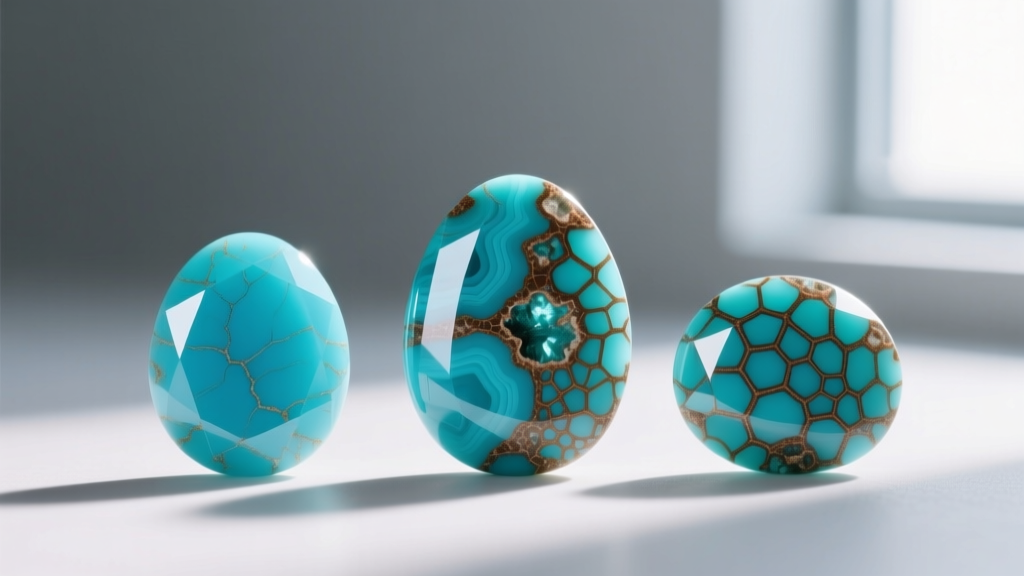
The most significant variable in the pricing of concho turquoise earrings is the stone itself. According to the Gemological Institute of America (GIA), turquoise is frequently treated to enhance its color and durability, and these treatments drastically alter the value.
Natural, Untreated Turquoise (Premium Value)
Natural turquoise is rare, comprising less than 10% of all turquoise mined. Stones from legendary closures like the Sleeping Beauty mine (known for its pure, matrix-free sky blue color) or the #8 mine (famous for its striking golden-brown webbing) command premium prices. Natural stones are porous and require careful maintenance to prevent oils and cosmetics from altering their color over time.
Stabilized Turquoise (Mid-Tier Value)
Stabilization is an accepted industry practice where softer, lower-grade turquoise is infused with a clear epoxy or resin under pressure. This hardens the stone, allowing it to be cut into precise cabochons for concho settings without shattering. Stabilized Kingman or Royston turquoise retains its natural matrix and color but is significantly more affordable and durable than untreated stones.
Reconstituted, Dyed, and Imitation (Budget Tier)
At the lowest end of the value spectrum are reconstituted turquoise (chalk turquoise dust mixed with resin and dye), dyed howlite, and dyed magnesite. These materials lack the geological value of genuine turquoise and will often fade, chip, or emit a chemical odor when exposed to heat or acetone.
Pricing Tiers: What Should You Actually Pay?
When shopping for concho turquoise earrings, price is a strong indicator of material quality and artisan origin. Below is a structured breakdown of the current market tiers.
| Tier | Price Range | Silver Quality | Stone Quality | Origin & Craftsmanship |
|---|---|---|---|---|
| Budget | $25 - $75 | Lightweight .925 or nickel-silver alloy | Dyed howlite, reconstituted chalk, or block turquoise | Mass-produced overseas; stamped with generic "925" or "Tibet" marks. |
| Mid-Tier | $80 - $250 | Solid .925 sterling, moderate gauge weight | Stabilized genuine turquoise (e.g., Kingman, Royston) | Native American or Southwestern artisan crafted; often signed or stamped. |
| Investment | $300 - $800+ | Heavy .925 or .900 coin silver, 18-gauge sheet | Natural, untreated high-grade turquoise (e.g., Sleeping Beauty, Lander Blue) | Master Native American silversmiths; accompanied by certificate of authenticity. |
If you encounter "natural" concho turquoise earrings priced under $50, approach with extreme skepticism. Genuine silver and untreated stones carry inherent material costs that make such pricing impossible for authentic pieces.
Silver Purity and Construction Metrics
The metalwork in a concho earring is just as vital as the stone. Authentic Native American concho jewelry is traditionally crafted from sterling silver (.925) or coin silver (.900). Coin silver, which was historically made by melting down pre-1965 US coins, is slightly softer and often features a warmer, more antique patina that collectors highly prize.
Pay close attention to the gauge thickness of the silver sheet used for the concho face. Mass-produced earrings often use 22-gauge or 24-gauge silver, which is paper-thin and prone to denting if dropped. High-quality artisan conchos are typically hand-cut from 18-gauge or 20-gauge sterling sheet, providing a substantial, heirloom-quality weight and allowing for deep, crisp stamp work and repoussé detailing.
Weight Distribution and Earlobe Mechanics
A common failure mode with poorly designed concho earrings is earlobe tearing or post bending. Because the concho design is inherently wide and utilizes heavy silver and stone, the center of gravity sits far from the piercing.
- Post and Friction Backs: Only suitable for small concho studs (under 1 inch in diameter). If the earring uses a standard 20-gauge post, it must be paired with a thick silicone support back (like Lobe Wonder pads) to distribute the weight and prevent the post from bending downward.
- Omega Clips and Hinged Hoops: For medium to large concho dangles (1.5 to 3 inches), omega clips or hinged saddle backs are vastly superior. They grip a larger surface area of the earlobe, providing the necessary structural support for heavy silverwork.
- Leverbacks: A sturdy 18-gauge sterling leverback is an excellent compromise for medium-weight concho drops, offering security without the pinching sometimes associated with tight omega clips.
Spotting Fakes and Navigating Authenticity Laws
The Indian Arts and Crafts Board (IACB) enforces the Indian Arts and Crafts Act of 1990, which makes it illegal to offer or sell any art or craft product in a manner that falsely suggests it is Indian-produced. Despite this, the market remains saturated with misleading "Southwestern style" imports.
The Acetone Test: If you suspect your turquoise is dyed howlite or reconstituted chalk, apply a small drop of pure acetone (nail polish remover) to an inconspicuous area of the stone using a cotton swab. If the swab picks up blue or green dye, the stone is not natural or properly stabilized turquoise.
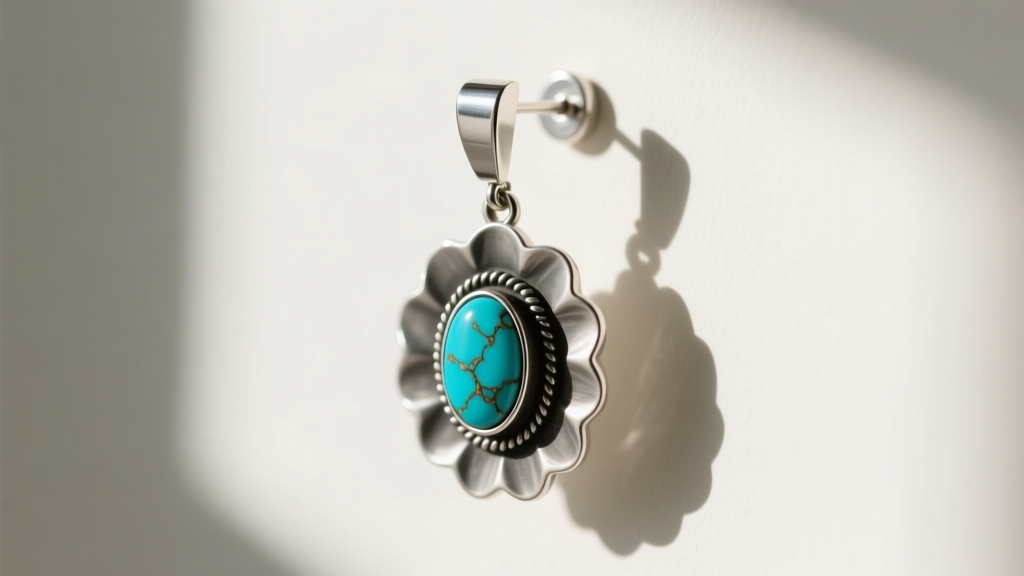
Furthermore, look for the artist's hallmark. Genuine Native American artisans typically stamp their unique hallmark or initials on the back of the concho. Be wary of pieces stamped only with "925" and "China" or those featuring perfectly uniform, machine-cut stones set in glue rather than traditional hand-soldered bezels.
Final Verdict: Are They Worth the Investment?
Concho turquoise earrings are absolutely worth the investment, provided you are paying for genuine materials and true craftsmanship. For everyday wear and stylish versatility, the $80 to $250 mid-tier offers the best balance of durability, authentic stabilized turquoise, and solid sterling silver construction. However, if you are seeking an heirloom piece or a culturally significant artifact, allocating a budget of $300 or more toward a master-crafted, natural stone piece will yield a stunning accessory that holds its value for generations. Always demand a receipt that explicitly states the stone's origin, treatment status, and the artist's tribal affiliation to protect your investment.


