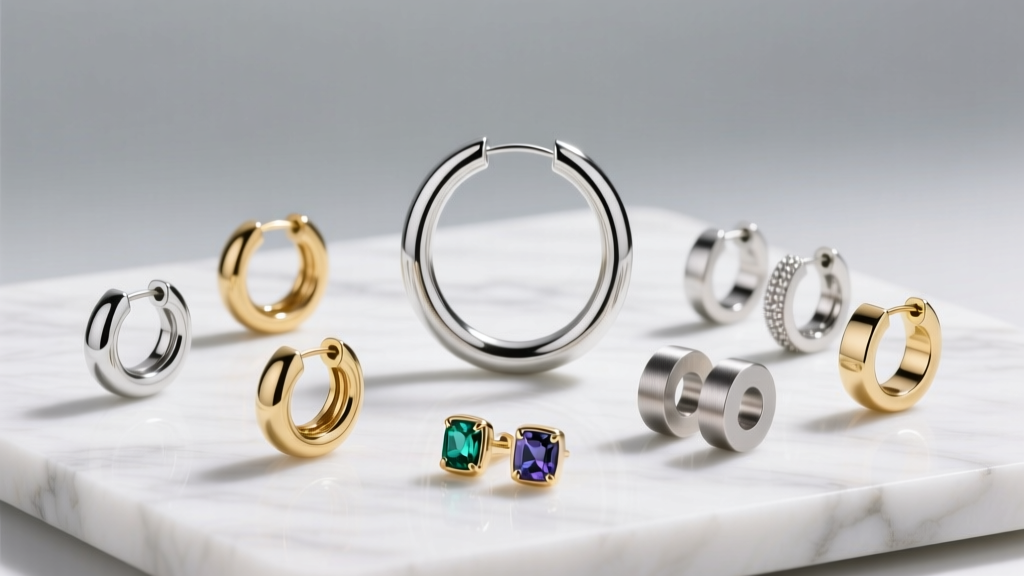
How to Convert Pierced Earrings Into Clip Ons: Cost & Value Guide
Discover how to convert pierced earrings into clip ons with our budget guide. Compare DIY adapters vs. jeweler soldering costs and value.

The Economics of Earring Conversion: Is It Worth the Investment?
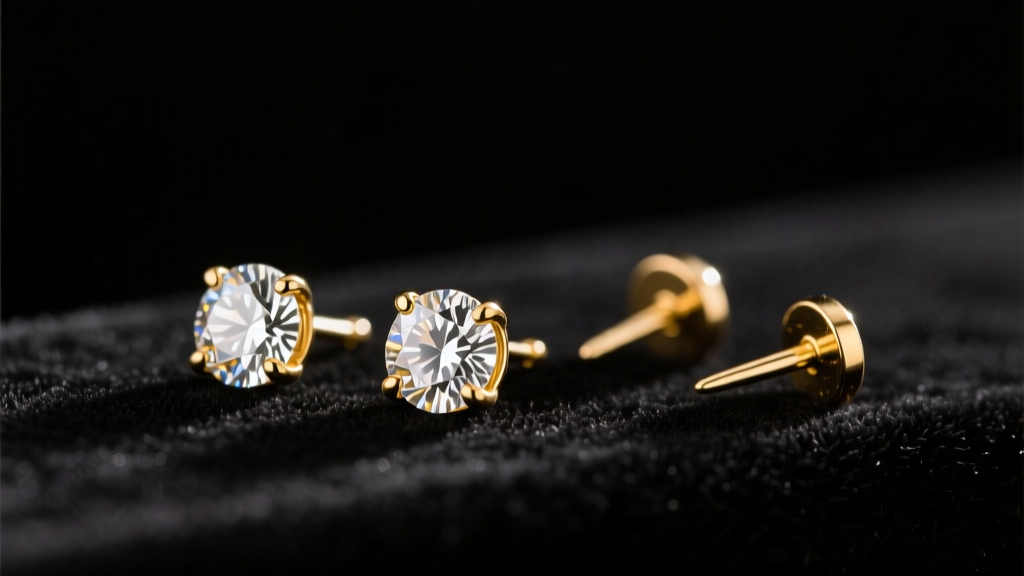
Finding a breathtaking pair of vintage drop earrings or inheriting a set of diamond studs is a thrill—until you realize they are designed for pierced ears. For the estimated 15% to 20% of women who do not have pierced ears, or those who have let their piercings close due to metal allergies, the immediate question is one of budget and utility: how to convert pierced earrings into clip ons without ruining the jewelry or breaking the bank?
From a value assessment perspective, converting pierced earrings is almost always more cost-effective than hunting down an identical clip-on pair, especially for high-end or antique pieces. However, the return on investment (ROI) depends heavily on the conversion method you choose. A $10,000 pair of signed Cartier earrings requires a completely different financial and structural approach than a $50 pair of modern brass hoops. In this guide, we break down the exact costs, material considerations, and long-term value impacts of every conversion method available in 2026.
Three Methods to Convert Pierced Earrings (And What They Cost)
The market offers three primary pathways for conversion, ranging from temporary budget fixes to permanent bench-jeweler modifications. Understanding the upfront cost versus the longevity of each method is critical for maximizing your jewelry budget.
Method 1: Slip-On Silicone & Metal Converters (The Budget Route)
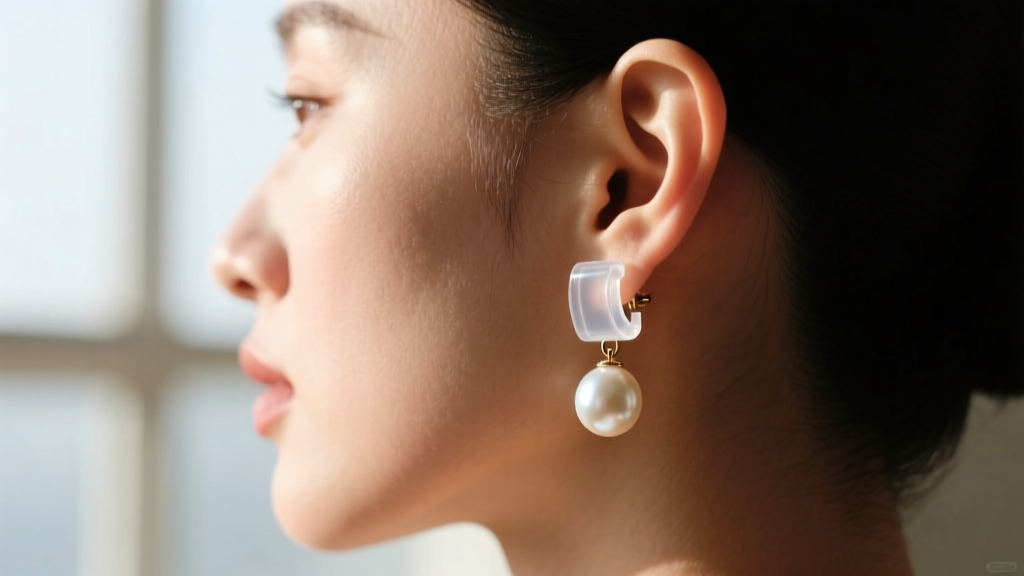
The most accessible method involves slipping a specialized adapter over the existing earring post. Silicone pads (often called 'clip-on comfort pads') simply slide over the post and rest against the earlobe, while metal slip-on converters feature a tension-based paddle or screw-back mechanism that clamps onto the post.
- Average Cost: $5 to $25 per pair.
- Best For: Lightweight studs, small hoops, and temporary wear.
- Value Assessment: High short-term value, but poor long-term ROI. Cheap base-metal adapters often suffer from tension fatigue, losing their grip after 10 to 15 wears. Furthermore, silicone pads can trap moisture against the earlobe, increasing the risk of contact dermatitis if worn for more than four hours.
Method 2: Screw-Back and Paddle Clip-On Adapters (Mid-Tier)
For heavier dangles or chandelier earrings, standard slip-ons will fail. Mid-tier adapters utilize a hinged paddle with an adjustable tension screw. These adapters slide over the earring post and are tightened using a miniature jeweler's screwdriver to secure the earring to the earlobe.
- Average Cost: $20 to $45 per pair (for high-quality 316L stainless steel or gold-plated brass).
- Best For: Medium-weight drops, dangles, and frequent wearers.
- Value Assessment: Excellent mid-range value. The initial cost is higher, but the adjustable tension mechanism ensures the earrings remain secure without bending the original post. This method preserves the original state of the earring, maintaining its resale value while providing reliable utility.
Method 3: Professional Jeweler Soldering (The Premium Route)
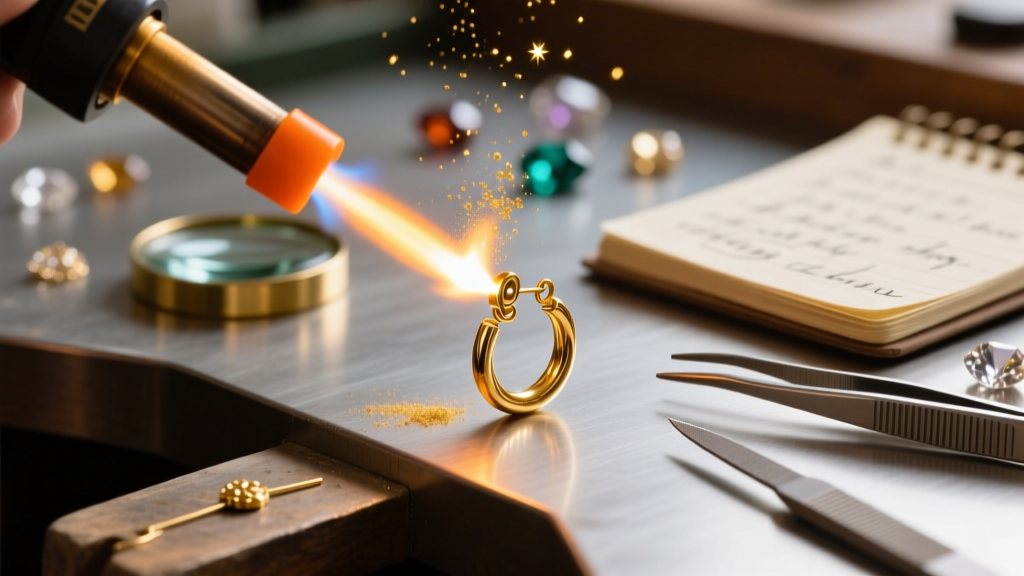
For fine jewelry, a professional bench jeweler will carefully snip off the original post and solder a custom-fitted, hinged clip-on back directly to the earring's base. This requires precise heat control, especially when working near heat-sensitive gemstones like emeralds, opals, or tanzanite.
- Average Cost: $60 to $150+ per pair, depending on the metal (14k/18k gold or platinum) and the complexity of the setting.
- Best For: Heirloom pieces, heavy vintage clips, and high-value fine jewelry.
- Value Assessment: Highest upfront cost, but the only method that provides a seamless, comfortable, and permanent fit. According to industry experts at National Jeweler, professional conversion adds functional value to heirloom pieces that would otherwise sit unworn in a safe, effectively unlocking their utility without compromising the structural integrity of the design.
Cost vs. Value Matrix: Which Method Should You Choose?
To make an informed financial decision, use the matrix below to align your specific earring type with the most economically sound conversion method.
| Conversion Method | Upfront Cost | Longevity | Best Earring Type | Impact on Resale Value |
|---|---|---|---|---|
| Silicone Slip-Ons | $5 - $12 | Low (Months) | Lightweight Studs | None (Reversible) |
| Metal Tension Adapters | $20 - $45 | Medium (Years) | Drops & Small Dangles | None (Reversible) |
| Jeweler Soldering (Gold) | $80 - $150 | High (Decades) | Heavy Vintage & Hoops | Moderate Decrease |
| Jeweler Soldering (Platinum) | $120 - $200+ | High (Decades) | High-End Heirlooms | Moderate Decrease |
Material Considerations: Why Metal Grade Matters for Clip-Ons
When budgeting for adapters or soldering, the metal grade is the single most critical factor influencing both comfort and long-term value. The earlobe is highly vascular and sensitive to galvanic reactions and nickel exposure.
If you are purchasing DIY tension adapters, avoid cheap brass or mystery-metal alloys commonly found on mass-market e-commerce sites. These base metals oxidize quickly when exposed to the natural oils and sweat of the skin, leading to green discoloration and severe allergic contact dermatitis. Instead, invest in adapters milled from 316L surgical stainless steel or niobium. While a 316L steel adapter might cost $35 compared to a $12 brass alternative, the steel will not suffer from tension fatigue—a phenomenon where cheaper metals lose their 'spring' and fail to grip the earlobe after repeated bending.
For professional soldering, the jeweler must match the karat weight and color of the original earring. Soldering a 14k yellow gold clip-back onto an 18k yellow gold earring will result in a visible color mismatch and a weaker solder joint due to the differing melting points and alloy compositions. Always request that the jeweler uses matching karat solder and provides a written guarantee on the hinge tension.
Step-by-Step Guide: Attaching a Tension Clip-On Converter at Home
If you have opted for the mid-tier metal tension adapter route, proper installation is vital to prevent damaging the original earring post. Follow this framework to ensure a secure fit:
- Inspect the Post: Ensure the earring post is straight and free of deep scratches. A bent post will not seat correctly into the adapter's channel.
- Insert the Post: Slide the earring post into the adapter's hollow tube. Push it all the way down until the base of the earring rests flush against the adapter's opening.
- Secure the Mechanism: If using a screw-back adapter, use the provided micro-screwdriver to tighten the set screw against the post. Do not overtighten, as this can strip the internal threads or crush a hollow 14k gold post.
- Adjust the Tension: Open and close the hinged paddle. If it feels too loose, gently squeeze the paddle arms inward with nylon-jaw pliers. If it is too tight and causes pain, gently bend the arms outward. Never use steel pliers directly on the metal, as they will mar the finish.
When NOT to Convert: Preserving Resale Value and Antiques
While learning how to convert pierced earrings into clip ons unlocks their wearability, there are strict scenarios where conversion is a poor financial decision. From an appraisal and resale perspective, altering the original state of certain jewelry pieces can devastatingly impact their market value.
According to gemological and appraisal guidelines discussed by the Gemological Institute of America (GIA), signed antique pieces (such as Art Deco earrings by Van Cleef & Arpels or Boucheron) derive a significant portion of their premium market value from their original, unaltered condition. Snipping the post off a signed antique piece to solder on a clip-back can reduce its auction value by 20% to 40%, as collectors demand originality.
The Golden Rule of Antique Conversion: If the earrings are over 80 years old, signed by a major house, or feature rare gemstone cuts (like old European or mine cuts), never allow a jeweler to cut the post. Instead, use high-quality, custom-fitted silicone or 316L steel slip-on adapters. You sacrifice a degree of comfort, but you protect thousands of dollars in historical and resale value.
Final Verdict: Maximizing Your Jewelry Budget
Converting pierced earrings into clip-ons is a highly effective way to expand your wearable jewelry collection without the premium markup of buying native clip-on pieces. For everyday fashion jewelry and lightweight drops, a $25 investment in 316L stainless steel tension adapters offers the best balance of security, comfort, and financial prudence. However, for heavy, high-value, or deeply sentimental fine jewelry, bypassing the DIY route and paying the $100+ bench fee for professional, custom-matched soldering is the only way to ensure the piece remains secure, comfortable, and structurally sound for decades to come. Always weigh the intrinsic value of the earring against the cost of the conversion to make the smartest choice for your jewelry wardrobe.