Size of Hoop Earring Chart: A Budget & Value Guide
Use our size of hoop earring chart to maximize value. Compare prices, materials, and dimensions to find the perfect budget-friendly hoops.
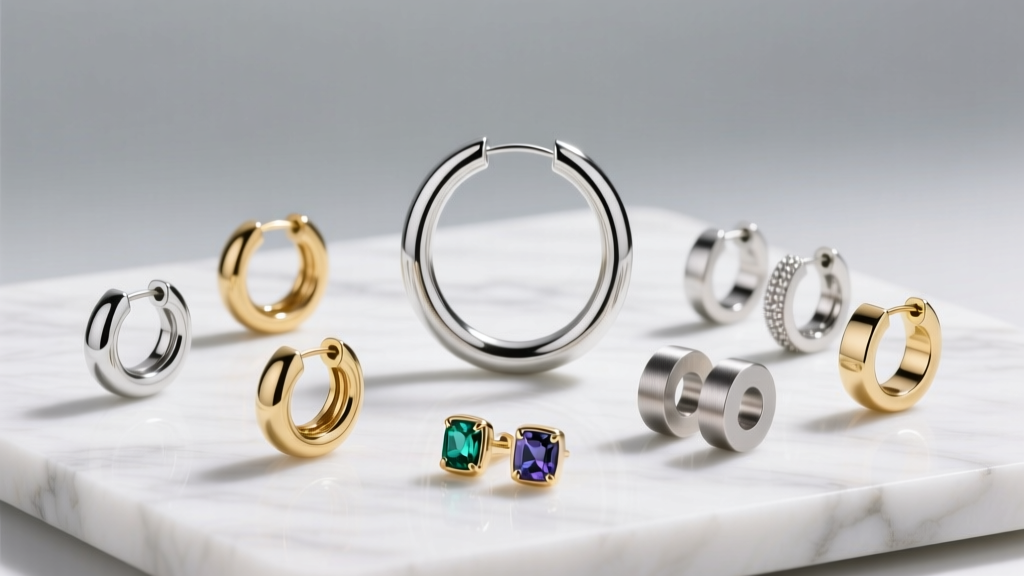
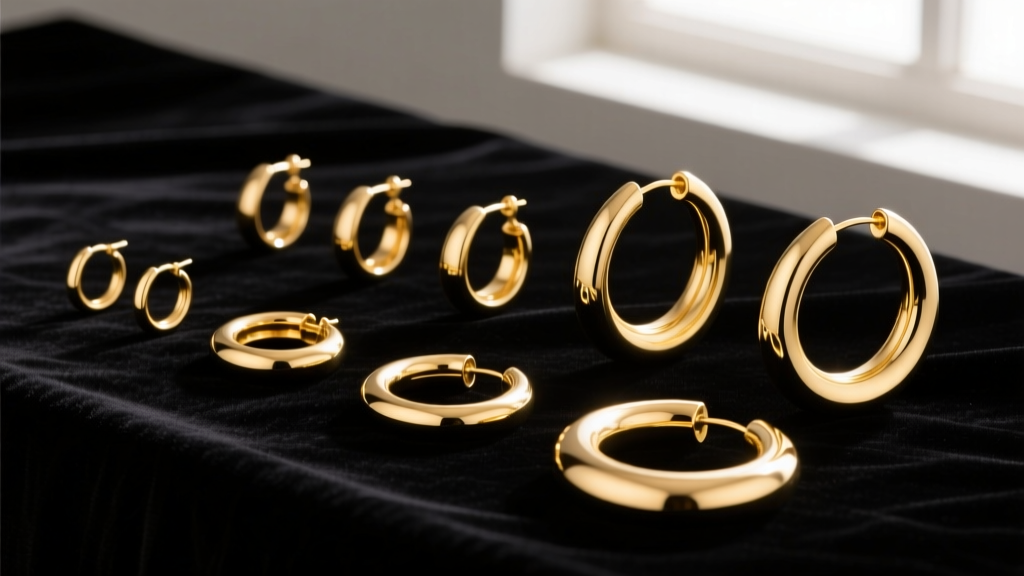
When building a curated jewelry collection, hoop earrings are non-negotiable. Yet, shoppers are frequently blindsided by the massive price discrepancies between seemingly similar styles. A 15mm sterling silver huggie might cost $30, while a 50mm solid gold hoop can easily exceed $600. Understanding the size of hoop earring chart is not just about aesthetics and face-shape matching; it is a critical exercise in budget management and value assessment. In this guide, we break down exactly how diameter, gauge thickness, metal type, and closure mechanisms dictate the final price tag, empowering you to make mathematically sound purchasing decisions.
Why Hoop Size Dictates Your Jewelry Budget
Unlike stud earrings, where the cost is heavily concentrated in a single gemstone or a small casting, hoop earrings are essentially priced by metal volume. The jewelry industry calculates the base cost of precious metal hoops using the spot price of gold or silver, multiplied by the gram weight of the piece, plus a manufacturing markup.
As the diameter of a hoop increases, the required length of metal wire increases linearly. However, to prevent larger hoops from bending or losing their perfect circular shape under their own weight, manufacturers must also increase the gauge thickness or switch to hollow-tube construction. This compounding factor means that a 50mm hoop requires exponentially more structural engineering and raw material than a 20mm hoop. According to the Gemological Institute of America (GIA), the alloy composition in 14k gold (58.3% pure gold mixed with copper, silver, or zinc) also affects the density and final weight of the piece, directly impacting your out-of-pocket cost.
The Definitive Size of Hoop Earring Chart
Below is our comprehensive pricing and sizing matrix. This chart assumes standard round wire construction (not hollow-core) and standard clicker or hinged closures. Prices reflect 2026 market averages for high-quality, ethically sourced jewelry brands.
| Diameter (mm) | Diameter (Inches) | Common Style Name | Avg. Sterling Silver Price | Avg. Solid 14k Gold Price | Budget & Value Verdict |
|---|---|---|---|---|---|
| 10mm - 12mm | 0.39" - 0.47" | Micro Huggie | $25 - $45 | $90 - $140 | Highest value per wear; ideal for cartilage stacks. |
| 15mm - 18mm | 0.59" - 0.71" | Standard Huggie | $35 - $60 | $130 - $220 | Best everyday investment; hugs the lobe perfectly. |
| 20mm - 25mm | 0.79" - 0.98" | Small Classic Hoop | $45 - $80 | $180 - $300 | Sweet spot for budget buyers wanting visible presence. |
| 30mm - 35mm | 1.18" - 1.38" | Medium Classic Hoop | $60 - $110 | $280 - $450 | Great for office wear; silver offers excellent value here. |
| 40mm - 50mm | 1.57" - 1.97" | Large Statement Hoop | $85 - $160 | $450 - $800+ | Consider gold vermeil or hollow-core to save 40% on gold. |
| 60mm - 75mm | 2.36" - 2.95" | Oversized / Door Knocker | $120 - $250 | $900 - $1,500+ | Strictly budget for silver or plated; solid gold is an heirloom investment. |
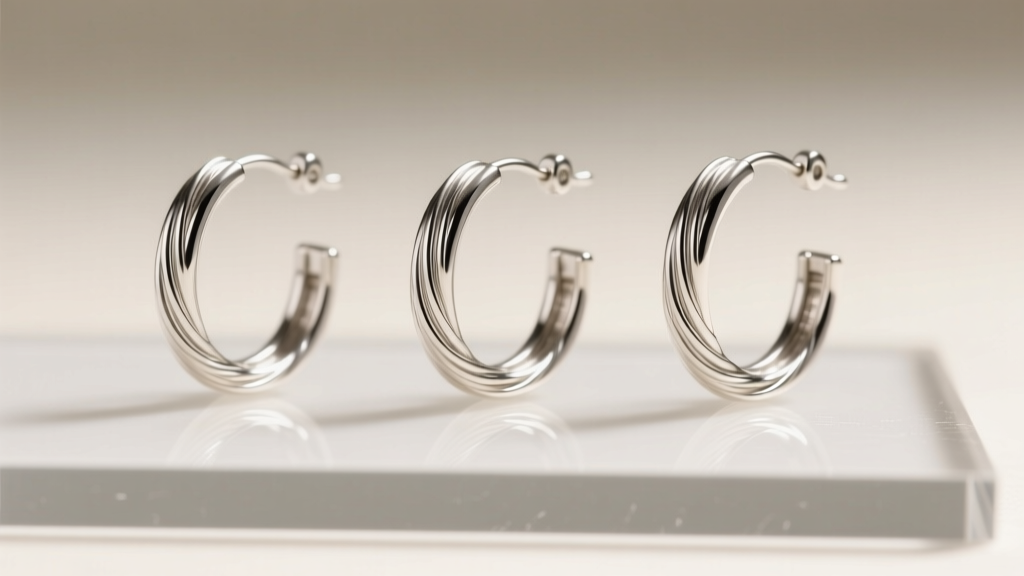
How Gauge Thickness Impacts the Bottom Line
The size of hoop earring chart is incomplete without addressing gauge (the thickness of the wire). The Association of Professional Piercers (APP) notes that standard earlobe piercings are typically done at 20G or 18G. However, as hoop diameter increases, structural integrity demands a thicker wire.
- 22-Gauge (0.64mm): Extremely thin. Cheap to produce, but highly prone to warping. Only acceptable for micro-huggies (10mm) where the small circumference provides inherent rigidity.
- 20-Gauge (0.81mm) & 18-Gauge (1.02mm): The industry standard for hoops up to 35mm. Offers a balance of lightweight comfort and material cost.
- 16-Gauge (1.29mm) & 14-Gauge (1.63mm): Used for heavy, large-diameter hoops (40mm+) or cartilage clickers. The cross-sectional area of a 14G wire is more than double that of a 20G wire, meaning you are paying for significantly more precious metal by volume.
Budget Hack: If you want the visual weight of a 14-gauge hoop without paying the 14-gauge gold premium, look for "flattened wire" or "puffed" hoop designs. These offer a wide surface area facing the viewer but use less actual metal mass, drastically reducing the gram weight and the final price.
Material Value Breakdown by Hoop Diameter
Your budget strategy must shift depending on the size of the hoop you desire. What constitutes a "good deal" at 15mm is entirely different from a good deal at 50mm.
Sterling Silver (The Budget Champion for Mid-to-Large Hoops)
For hoops in the 30mm to 60mm range, Sterling Silver (925) is the undisputed king of value. Because silver is a fraction of the cost of gold, you can afford a thick, durable 14-gauge wire at a 50mm diameter for under $150. To maximize longevity, ensure the silver is plated with a thin layer of rhodium to prevent tarnishing, a standard practice among reputable mid-tier jewelers.
Gold Vermeil vs. Solid 14k Gold (The Investment Tier)
Gold vermeil (a thick layer of 14k or 18k gold electroplated over a sterling silver base) is an excellent budget workaround for large statement hoops (40mm+). A solid 14k gold 50mm hoop might cost $700, while a high-quality vermeil version will cost around $90. However, there is a catch: vermeil degrades. On large hoops, the friction of hair, scarves, and taking them on and off will wear the plating down to the silver core within 1 to 3 years. For hoops under 20mm (huggies), always stretch your budget to buy solid 14k gold, as the price difference is manageable ($150 vs $50) and the solid gold will last a lifetime.
Titanium & Niobium (The Hypoallergenic Budget Hacks)
If you have metal sensitivities but cannot afford platinum or high-karat gold, ASTM F-136 implant-grade titanium is your best friend. Titanium is incredibly lightweight, meaning even a massive 65mm hoop will not stretch your earlobe. Furthermore, titanium can be anodized to mimic the rich yellow or rose hues of gold at a fraction of the cost, typically ranging from $30 to $80 regardless of size.
Hidden Costs: Clasps, Hinges, and Closures
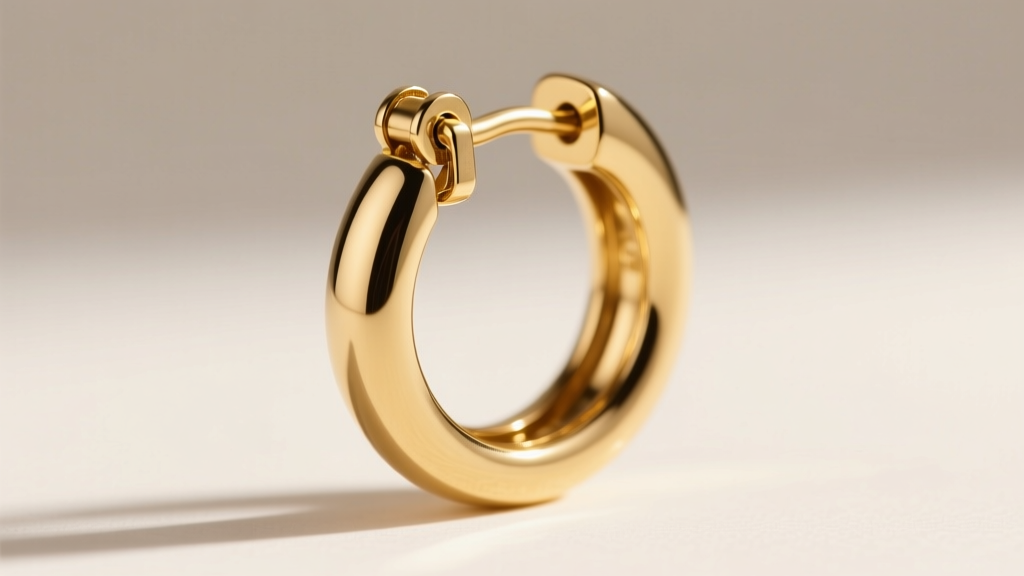
When assessing the size of hoop earring chart and pricing out your options, consumers rarely factor in the closure mechanism. The engineering required to secure the earring heavily influences the manufacturing cost.
- Continuous / Endless Hoops: The most budget-friendly option. The wire simply threads through the piercing and tucks into a hollow tube on the other end. While cheap to manufacture, they are notoriously frustrating to put on and prone to bending if forced.
- Hinged Hoops: Featuring a tiny mechanical hinge and a snap closure. These require precise CNC machining and soldering, adding $20 to $50 to the base manufacturing cost. They are highly recommended for hoops 20mm and larger for ease of use.
- Clickers (Segment Rings): The gold standard for cartilage and huggies. The hinged segment "clicks" securely into place. High-quality clickers require exact tolerances to ensure the seam is invisible and doesn't catch on the earlobe. Expect to pay a 15-20% premium for a well-engineered clicker mechanism.
Expert Tip: When buying budget-friendly large hoops (40mm+), avoid continuous wire closures. The thin wire required to keep the price down will inevitably bend when you try to thread it through your lobe, ruining the perfect circle. Always pay the slight premium for a hinged clasp on larger diameters.
Final Verdict: Maximizing Value per Millimeter
Navigating the jewelry market requires looking past the aesthetic and understanding the metallurgy and engineering behind the piece. By utilizing this size of hoop earring chart, you can strategically allocate your budget. Invest in solid 14k gold for your 10mm to 20mm huggies and small classics, where the gram weight is low and the cost-per-wear over a lifetime is pennies. For your 40mm to 65mm statement pieces, pivot to heavy-gauge sterling silver or high-micron gold vermeil to achieve the exact same visual impact without draining your savings account. True jewelry value isn't just about the metal stamp; it's about matching the right material, gauge, and closure to the specific geometry of the hoop.


