Mastering Peyote Stitch Earrings: Technical Guide & Beadweaving Tips
An expert technical guide to crafting peyote stitch earrings, covering bead sizing, thread tension, structural backing, and advanced tubular techniques.

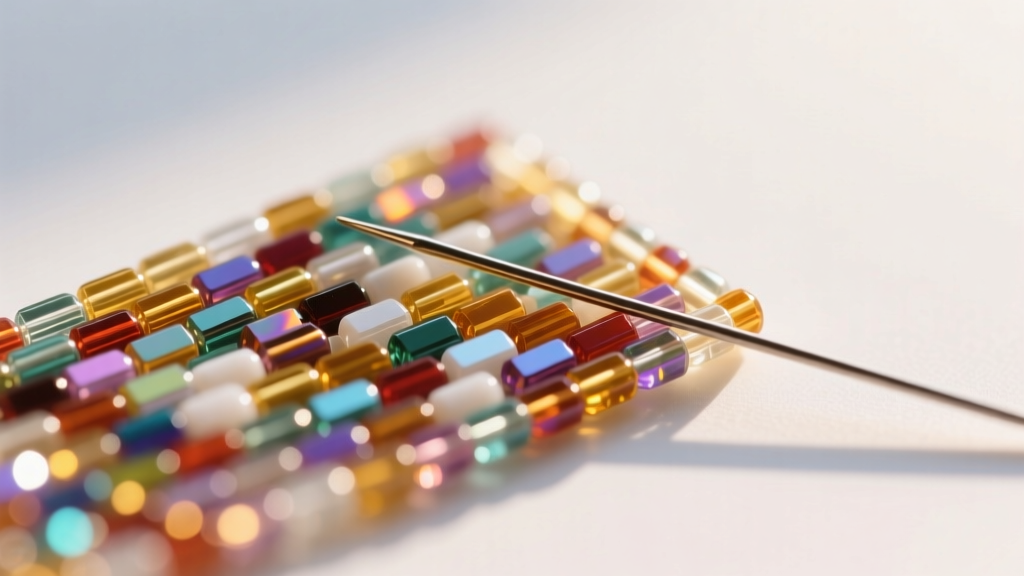
The Architecture of Peyote Stitch: Flat vs. Tubular
Peyote stitch earrings represent the intersection of mathematical precision and artistic expression in beadweaving. Unlike simple stringing, peyote stitch (also known as gourd stitch) creates a flexible, fabric-like matrix of interlocking cylinder beads. For jewelry designers and advanced hobbyists, mastering the technical variables—thread tension, bead geometry, and structural reinforcement—is the difference between amateurish, warping pieces and high-end, boutique-quality earrings. According to the educational resources at Interweave Beading, understanding the underlying grid of this stitch is paramount before attempting complex geometric dangles or structural hoops.
Even-Count vs. Odd-Count Flat Peyote
Flat peyote stitch is the foundation for most geometric dangle earrings and chevron patterns. The structural difference between even-count and odd-count lies in the turn mechanism. Even-count flat peyote relies on a natural "step-down" created by the last bead of the previous row, making it highly stable and ideal for beginners crafting symmetrical diamond or triangle drops. Odd-count flat peyote, required for center-pointed patterns and perfectly symmetrical odd-width bands, necessitates a complex figure-eight thread path turn at the end of the row. Failure to execute the odd-count turn with precise tension will result in a warped, bowed edge that ruins the drape of the earring.
Material Specifications: Beads, Thread, and Needles
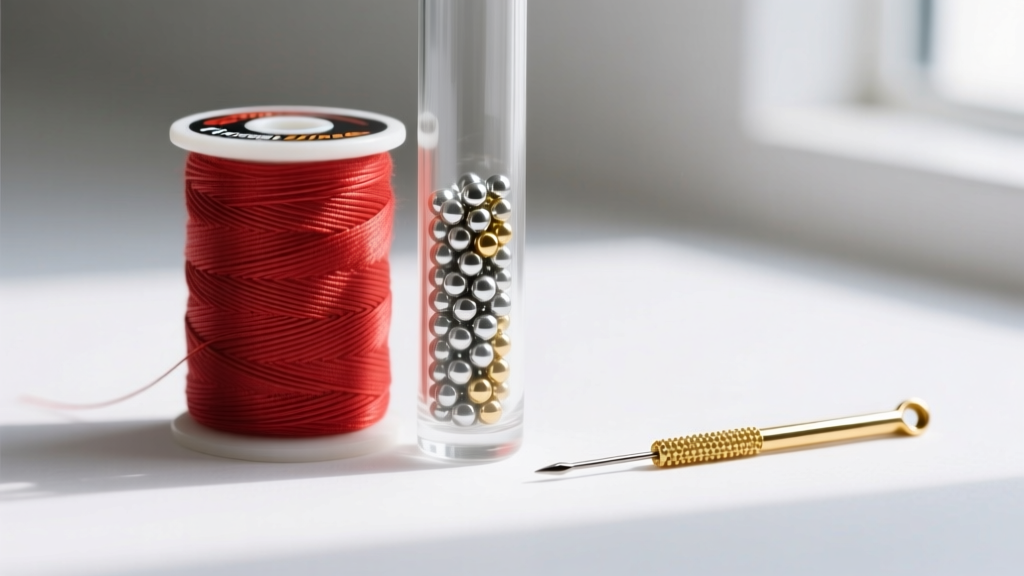
The structural integrity of peyote stitch earrings relies entirely on the uniformity of your materials. Round seed beads introduce microscopic variances in diameter that compound over dozens of rows, leading to severe puckering. Cylinder beads are mandatory for professional results. Furthermore, matching your thread tensile strength to the bead hole diameter is critical for allowing multiple thread passes without fraying.
| Material Component | Specification | Technical Notes |
|---|---|---|
| Miyuki Delica 11/0 | 1.6mm x 1.3mm, 0.8mm hole | Industry standard for flat peyote. High uniformity. |
| Toho Treasure 11/0 | 1.6mm x 1.3mm, 0.8mm hole | Slightly thinner walls than Delica; larger color palette. |
| FireLine 6lb Test | 0.005" diameter, Gel-spun | Best for tubular peyote and high-tension flat work. |
| WildFire 0.006" | 0.006" diameter, Thermally fused | Zero stretch, waterproof, ideal for rigid structural pieces. |
| John James Size 12 | 0.38mm shaft diameter | Required for multiple passes through 11/0 cylinder beads. |
Sourcing high-grade materials from reputable distributors like Fire Mountain Gems ensures you are not working with counterfeit or mis-sized beads that will compromise your tension.
Tension Dynamics and the Foundation Row Problem
The most common point of failure in peyote stitch earrings occurs in the first three rows, commonly known as the foundation rows. Because the beads are not yet locked into the interlocking "zipper" structure, the thread has excess mobility. If pulled too tightly, the foundation will curl into a tight tube; if left too loose, the edges will flare outward, creating a wavy, unstable base for the rest of the earring.
Thread Conditioning and Path Reinforcement
To combat tension inconsistencies, expert beadweavers condition their thread. While traditional beeswax adds tackiness, modern synthetic threads like FireLine require specialized conditioners like Thread Heaven, which imparts a slight static charge that repels the thread from itself, reducing tangles and allowing for smoother tension adjustments. Furthermore, structural integrity dictates that you must reinforce your thread path. Never simply tie off and cut. Always follow the natural thread path of the beads for at least three inches, weaving in and out of the existing matrix to distribute the stress load across multiple beads rather than a single knot.
Expert Insight: When weaving the foundation row of a flat peyote earring, use a size 10 needle and a heavier thread (like 8lb FireLine) just for the first two rows. Switch to a size 12 needle and 6lb thread for row three. This creates a rigid, unyielding baseline that prevents the notorious foundation curl.
Tubular Peyote Mathematics and the Step-Up
Tubular peyote stitch is utilized for creating bead-wrapped hoops, huggies, and structural ropes for chandelier earrings. The mathematics of tubular peyote dictate the inner circumference of the tube, which is critical if you are bezeling a cabochon or wrapping a brass core. The formula for the inner circumference is: C = (Bead Width × Beads per Round) - Thread Thickness. For an 11/0 Delica (1.3mm width), a 6-bead round yields an inner circumference of roughly 7.8mm, perfect for wrapping a 6mm Swarovski crystal or a standard brass ring core.
The "step-up" at the end of every round in tubular peyote is where most structural flaws occur. To maintain a perfectly stacked, vertical alignment (rather than a continuous spiral), the thread must exit the last bead added, pass up through the first bead of the current round, and then pass through the first bead added in the new round. Pulling this step-up thread too tightly will cause the tube to pucker inward; leaving it too loose will create a visible gap that weakens the entire rope.
Backing, Stiffening, and Edge Finishing
While tubular peyote is inherently self-supporting, flat peyote stitch earrings—particularly large statement studs or wide geometric dangles—require structural backing to prevent bending and warping against the earlobe. For bead embroidery bases, Pellon 808 Craft-Tex provides a stiff, tear-away foundation, while Lacy's Stiff Stuff offers a softer, more flexible drape. When finishing the edges of a backed flat peyote component, a brick stitch border is typically employed to encapsulate the backing material and provide a clean, professional silhouette.
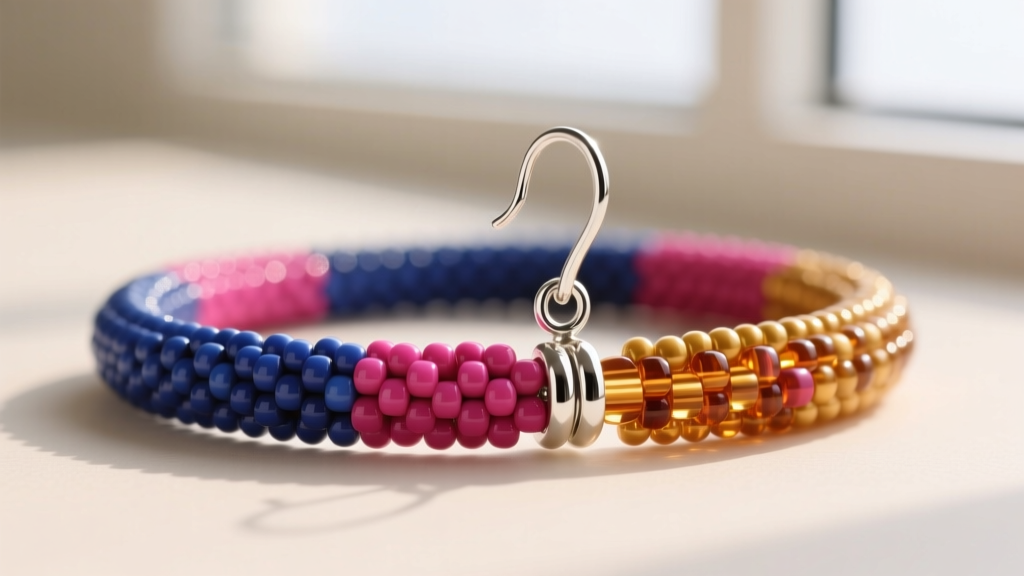
Integrating Findings: Attaching Ear Wires and Posts
Attaching metal findings directly to beadwork without proper reinforcement will result in the thread slicing through the bead holes over time, causing the earring to disintegrate. For flat peyote dangles, never pass a jump ring directly through a single bead. Instead, weave a "picot" loop or a reinforced bridge using 15/0 seed beads at the apex of the earring. This creates a multi-strand thread barrier that protects the main structural thread from the abrasion of the metal jump ring.
For tubular peyote ropes being converted into drop earrings, the standard technique involves weaving a ribbon crimp or a specialized bead tip directly into the final row of the tube. According to tool manufacturers like The BeadSmith, using a micro-crimping tool to secure the jump ring inside a metal bead tip ensures that the tension is transferred to the metal casing rather than the delicate seed bead matrix.
Troubleshooting Common Structural Failures
Even experienced weavers encounter structural anomalies. Here is a technical troubleshooting framework for the most common peyote stitch earring failures:
- Edge Warping in Flat Peyote: Caused by inconsistent tension on the turn beads. Fix: Use a slightly larger bead (like a 10/0 triangle bead) on the outer edges to force the thread path to lay flat against the bead wall.
- Thread Fraying and Breakage: Occurs when using sharp-edged beads (like certain metallic finishes or crystal rondelles) or a needle that is too thick for the hole. Fix: Downgrade to a size 13 needle and apply a micro-drop of clear jeweler's epoxy to the thread path inside the abrasive bead.
- Tubular Puckering: The tube narrows unexpectedly. Fix: Your step-up tension is too tight. Consciously relax your grip on the working thread during the final pull of the step-up, allowing the beads to seat naturally without forced compression.
- Visible Thread Gaps: Thread shows between beads in the matrix. Fix: Your overall tension is too loose, or you are using round seed beads instead of cylinders. Switch to Miyuki Delicas and increase your baseline pull tension by 15%.
Mastering these technical nuances transforms peyote stitch earrings from simple craft projects into durable, high-end wearable art. By respecting the geometry of the beads and the physics of the thread, you ensure that your designs are as structurally sound as they are visually stunning.


