A Collector's Guide to Buying Silver Art Nouveau Earrings
Discover what to look for when buying silver Art Nouveau earrings. Learn about hallmarks, enamel work, motifs, and vintage pricing.

The Allure of the Art Nouveau Era (1890-1910)
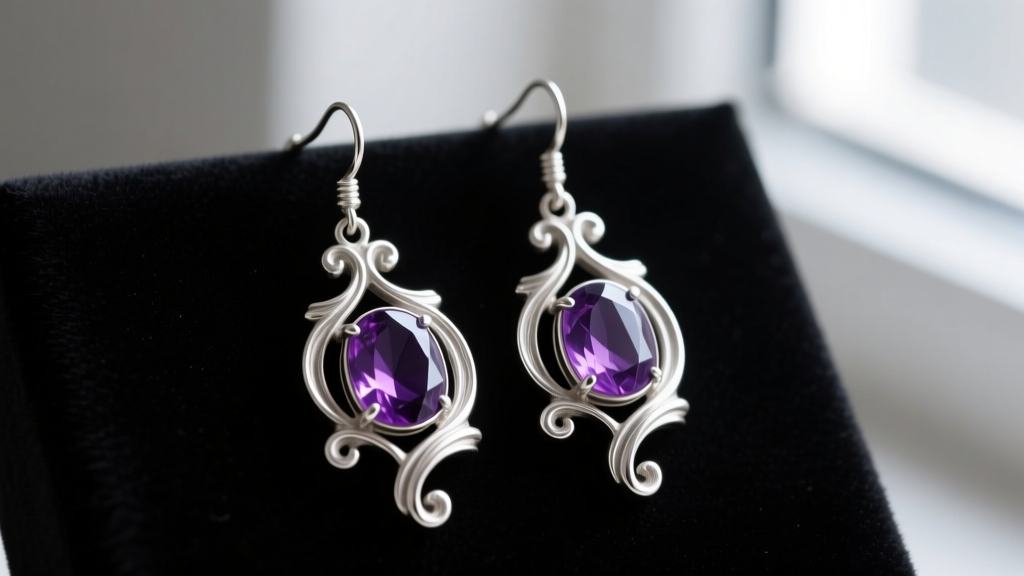
The Art Nouveau movement was a brief but spectacular rebellion against the rigid, mass-produced aesthetics of the Industrial Revolution. Spanning roughly from 1890 to the outbreak of World War I in 1914, this era prioritized organic, flowing lines and a deep reverence for the natural world. For jewelry collectors, silver Art Nouveau earrings represent some of the most highly coveted and artistically significant pieces on the antique market. Unlike the diamond-heavy, symmetrical Edwardian pieces that followed, Art Nouveau silver jewelry embraced mysticism, asymmetry, and unconventional materials.
When navigating the secondary market for these earrings, buyers must look past the immediate visual appeal and scrutinize the piece for historical accuracy, structural integrity, and material authenticity. According to the Victoria and Albert Museum, the movement was heavily influenced by Japonisme and the Arts and Crafts movement, resulting in jewelry that was treated as wearable fine art rather than mere adornment. This guide will equip you with the specialized knowledge required to authenticate, evaluate, and purchase genuine silver Art Nouveau earrings.
Decoding Silver Hallmarks and Purity Grades
The first step in authenticating any antique silver earring is locating and interpreting the hallmark. Art Nouveau jewelry was produced across Europe and the United States, and the silver purity standards varied significantly by region. Understanding these marks is critical, as later reproductions often mimic the design but fail to replicate the correct historical hallmarks.
| Region | Purity Grade | Common Hallmarks | Collector Notes |
|---|---|---|---|
| United Kingdom | .925 (Sterling) | Lion Passant, Leopard's Head | Look for the date letter to pinpoint the exact year of assay. |
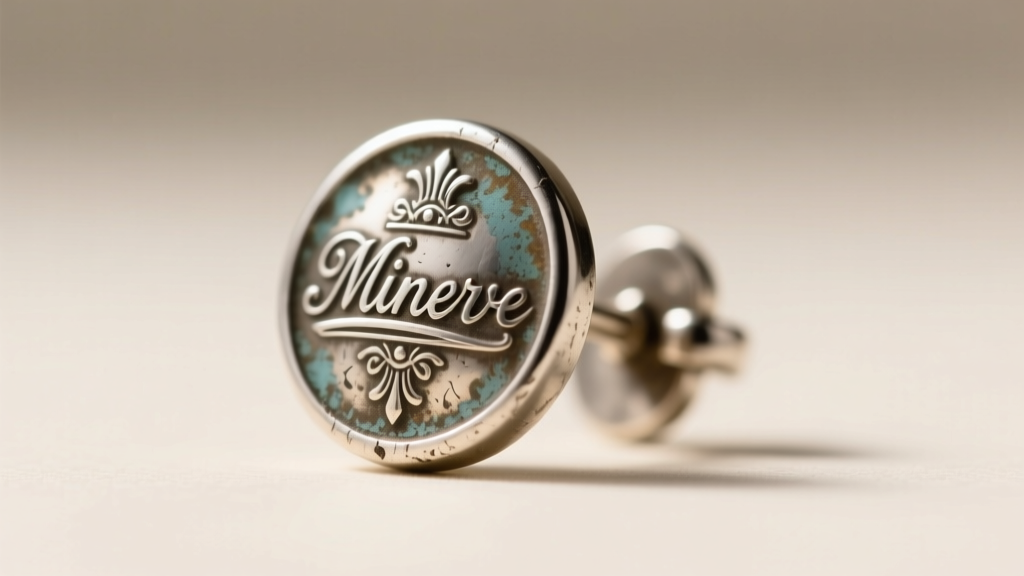
| France | .800 or .950 | Minerve Head (1st or 2nd title) | French 800 silver is slightly harder, ideal for intricate casting. |
| Germany / Italy | .800 | Crescent Moon & Crown (DE), Star (IT) | Often marked simply "800" on the ear wire or clasp. |
| United States | .925 (Sterling) | "Sterling", Maker's Mark | US pieces from this era often lack official assay marks, relying on maker stamps. |
Use a 10x jeweler's loupe to inspect the ear wire and the back of the main drop. The Assay Office notes that antique hallmarks were struck by hand with a punch and hammer, meaning they may appear slightly uneven, double-struck, or distorted by the curvature of the metal. Perfectly crisp, laser-etched hallmarks are a definitive red flag for modern reproductions.
Key Design Motifs: What Defines the Style
Art Nouveau is instantly recognizable by its motifs. If a pair of silver earrings features rigid geometric lines or symmetrical Art Deco patterns, they do not belong to this era. True Art Nouveau silver earrings will heavily feature the coup de fouet, or "whiplash" line—a sinuous, asymmetrical curve that mimics the stems of climbing plants.
The Holy Trinity of Art Nouveau Subjects
- Flora: Orchids, thistles, water lilies, and poppies were favored for their sensual, sometimes carnivorous or narcotic associations. Silver was often oxidized (blackened) in the recesses to make the raised floral petals pop.
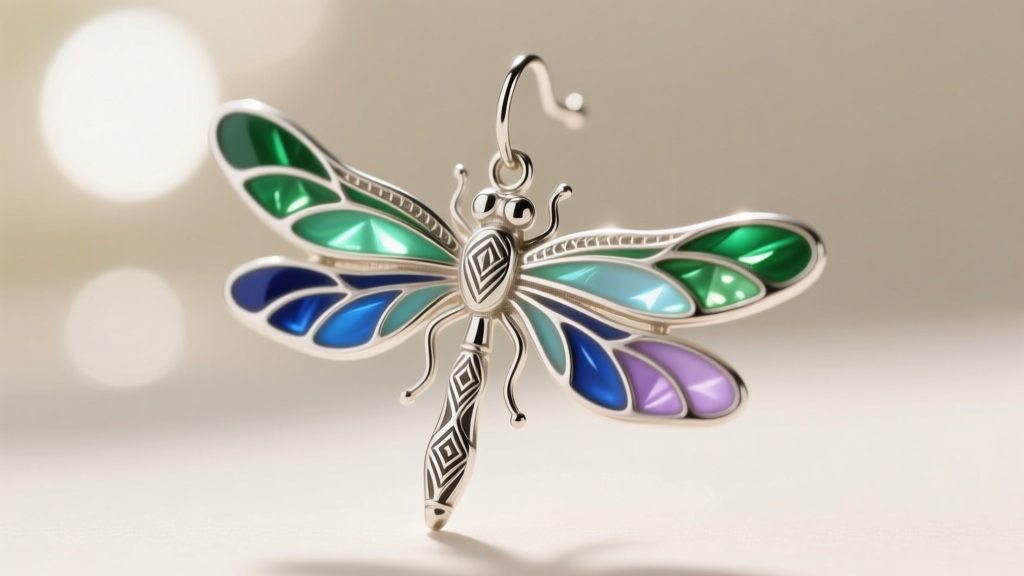
- Fauna: Dragonflies, swans, bats, and peacocks were ubiquitous. Insect wings provided the perfect canvas for translucent enamel work, while swan necks naturally formed the hook of the ear wire itself.
- The Femme Fatale: The ethereal, often melancholic female face with cascading, intertwined hair is a hallmark of the Alphonse Mucha influence. These portrait cameos or cast silver faces are highly prized but require careful inspection for wear on the facial features.
Evaluating Enamel and Gemstone Accents
Silver alone was rarely the sole focus of an Art Nouveau master; it was the canvas for revolutionary enameling techniques and unconventional gemstones. The GIA Gem Encyclopedia highlights that Art Nouveau jewelers rejected the brilliant-cut diamonds of the Victorian era in favor of cabochon-cut moonstones, opals, and amethysts, which better suited the movement's mystical and organic aesthetic.
Plique-à-Jour vs. Champlevé Enamel
The most valuable and fragile technique you will encounter is plique-à-jour. Often described as "stained glass for jewelry," this technique involves suspending translucent enamel within a silver framework with no metal backing, allowing light to pass through. Because these pieces are over a century old, the enamel is highly susceptible to micro-fractures.
Pro-Tip for Buyers: Always inspect plique-à-jour enamel with a loupe and a strong backlight. If you see tiny, spider-web fractures or bubbles that look like modern epoxy resin, the piece has likely been repaired or is a contemporary reproduction using cold enamel (resin) rather than kiln-fired glass.
Champlevé and guilloché enamels are also common. Champlevé involves carving troughs into the silver and filling them with opaque enamel. Guilloché uses a machine-engraved wavy silver background covered in translucent enamel, creating a shimmering, moiré effect. Check the edges of the enamel where it meets the silver; it should be perfectly flush. Any raised lip indicates a modern cold-enamel pour.
Structural Integrity: Inspecting Antique Ear Wires
The hardware of an earring tells a massive part of its story. Antique silver Art Nouveau earrings were designed before the invention of the modern friction post and butterfly clutch (which didn't become standard until the mid-20th century). Therefore, authentic pieces will almost exclusively feature shepherd hooks, front-to-back wires, or early leverbacks.
Gauge Sizes and Metal Fatigue
Original Art Nouveau ear wires were typically forged from thicker silver stock, usually between 18-gauge (1.0mm) and 20-gauge (0.81mm). If the ear wires are exceptionally thin (22-gauge or higher), perfectly uniform, and lack any signs of oxidation in the crevices, they have likely been replaced by a modern jeweler. While replaced wires do not ruin the value of the earring drops, they must be factored into the price.
Inspect the stress points closely. Silver is a relatively soft metal, and a century of being pushed through pierced lobes causes metal fatigue. Look for deep grooves or thinning at the base of the shepherd hook where it rests against the ear. If the silver is worn down to a sharp, paper-thin edge, the wire is at imminent risk of snapping and will require professional reinforcement or replacement.
Pricing Tiers: Vintage vs. Reproduction (2026 Market)
The market for Art Nouveau jewelry is flooded with 1970s revival pieces and modern mass-produced castings. Understanding the pricing tiers will help you identify whether a seller's asking price is justified by the piece's provenance and craftsmanship.
| Category | Characteristics | Estimated Price Range (USD) |
|---|---|---|
| Modern Reproductions | Cast from molds, cold enamel (resin), laser hallmarks, lightweight. | $40 - $150 |
| 1970s Revival Pieces | Marked "925", heavier casting, lack of intricate hand-finished details. | $120 - $350 |
| Authentic Antique (c. 1890-1910) | Correct hallmarks, hand-chased details, original ear wires, minor wear. | $400 - $1,200 |
| Museum / Master Jeweler Quality | Attributed to makers like Lalique, Fouquet, or Mucha; pristine plique-à-jour. | $3,000 - $15,000+ |
Final Sourcing Checklist
Before finalizing your purchase of silver Art Nouveau earrings, run through this rapid authentication checklist:
- Weight Check: Authentic antique silver drops are surprisingly lightweight, usually between 3 to 7 grams per earring. Heavy, clunky pieces are often modern sand-cast reproductions.
- The Blacklight Test: Shine a UV flashlight on any enamel work. Modern epoxy resins and cold enamels will often fluoresce brightly under UV light, while antique kiln-fired glass enamel will remain dark.
- Patina Inspection: Do not buy pieces that have been aggressively polished to a mirror shine. Antique silver should have a soft, glowing patina, with dark oxidation remaining in the deep recesses of the whiplash curves and floral motifs. Aggressive polishing destroys the crispness of hand-engraved details and significantly lowers the collector value.
- Solder Joints: Examine where the ear wire attaches to the drop. Antique solder was often slightly visible and may have a different oxidation rate than the surrounding silver. Modern laser welding leaves virtually no trace.
By prioritizing structural integrity, historical hallmarks, and authentic enameling techniques over mere aesthetic appeal, you can confidently build a collection of silver Art Nouveau earrings that are as historically significant as they are breathtakingly beautiful.


