Authenticating Vintage Cookie Lee Earrings: Technical Guide
Master the authentication of vintage Cookie Lee earrings. Explore material analysis, hallmark identification, and structural repair techniques.

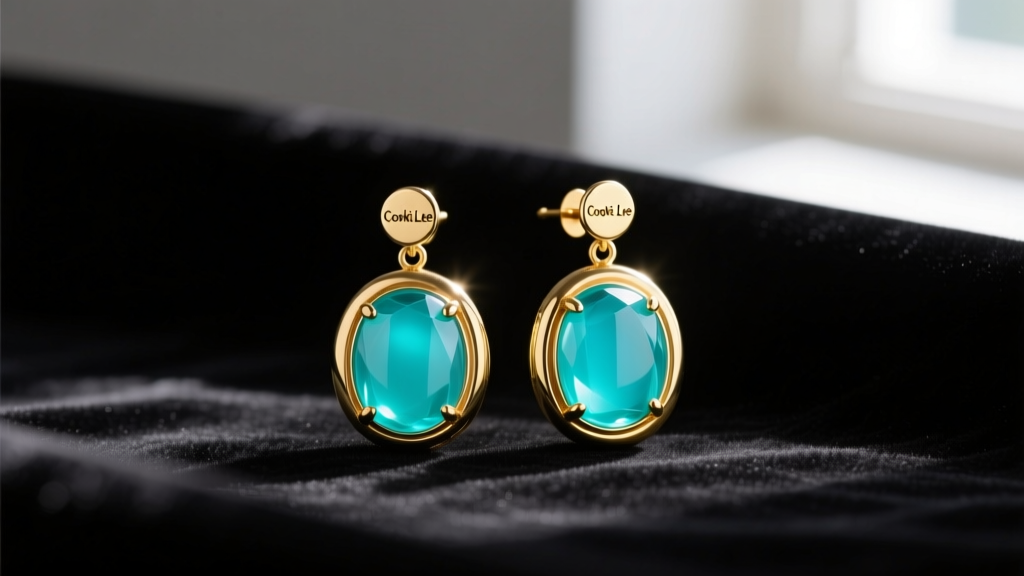
The Material Anatomy of Cookie Lee Earrings
Cookie Lee (1948–2010) revolutionized the American costume jewelry market by engineering bold, oversized silhouettes that remained remarkably lightweight. For serious collectors and estate liquidators navigating the 2026 vintage market, understanding the specific material science behind Cookie Lee earrings is the first step in authentication and valuation. Unlike fine jewelry, which relies on the intrinsic value of precious metals, Cookie Lee’s pieces derive their value from proprietary material combinations and structural engineering.
Polymers: Lucite vs. Epoxy Resin
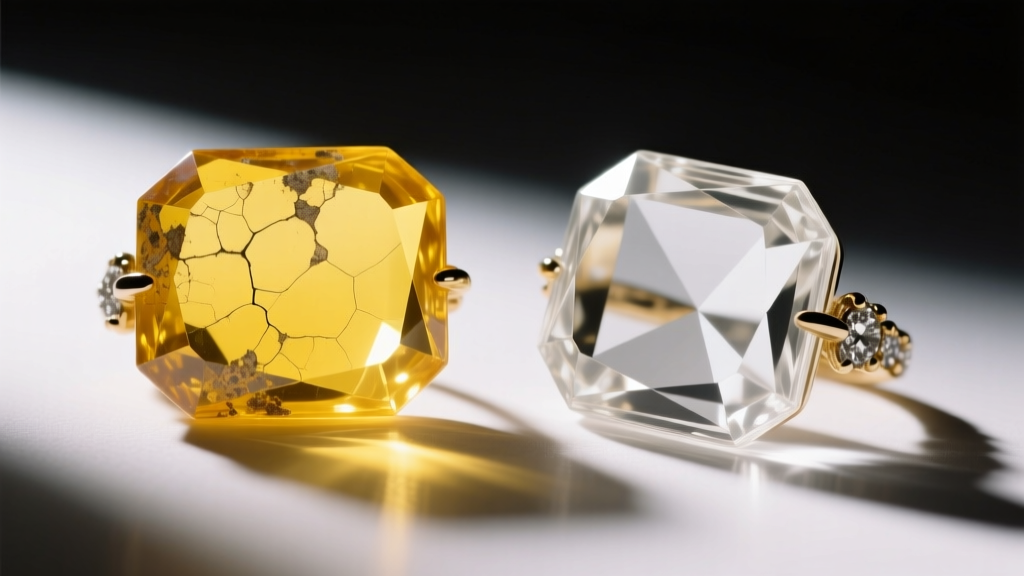
A significant portion of Lee’s vibrant, translucent work utilizes PMMA (polymethyl methacrylate), commonly known as Lucite or acrylic. Authentic vintage PMMA is highly UV-resistant and maintains optical clarity over decades. Conversely, later mass-market imitations often substituted PMMA with cheaper polyester or epoxy resins. These inferior resins are prone to photo-oxidation, resulting in a distinct yellowing or "ambering" effect when exposed to prolonged ultraviolet light. When examining translucent Cookie Lee earrings, hold the piece to a full-spectrum light source; true PMMA will remain colorless, while degraded resin will show a yellowish core.
Metallurgy and Plating Thickness
The base metal for the majority of Cookie Lee’s gold-tone hardware is cast brass or a zinc-aluminum alloy (Zamak). According to the Lang Antiques University, high-end 1980s and 1990s costume jewelry typically utilized a wet electroplating process. Authentic pieces feature a copper strike layer followed by a gold-tone wash, usually ranging between 0.5 to 1.5 microns in thickness. This is substantially thicker than modern fast-fashion flash plating (often less than 0.1 microns), which explains why well-preserved Cookie Lee earrings retain their luster without flaking, provided the underlying brass has not been exposed to corrosive agents.
Hallmarks, Signatures, and Clasp Hardware
Authentication relies heavily on identifying the correct maker's mark and correlating it with the era-specific hardware used in production. Cookie Lee’s signatures evolved throughout her career, and recognizing these subtle typographic shifts is critical for dating vintage pieces.
Signature Cartouches and Stamps
The most common hallmark is an oval cartouche soldered directly onto the earring back or clip mechanism, stamped with "Cookie Lee" in a serif or sans-serif font, frequently accompanied by a copyright symbol (©). Some earlier 1980s pieces feature a simpler stamped mark directly into the base metal without the cartouche. Be highly suspicious of laser-etched signatures; Lee’s authentic marks were almost exclusively achieved through deep mechanical stamping or cast-in-place relief during the molding of the metal findings.
Hardware Evolution and Mechanics
As documented by the Vintage Fashion Guild, analyzing the earring back is just as important as the front. The mechanical components used by Lee’s manufacturers were heavy-duty and specific to the era.
| Hardware Type | Era of Prominence | Technical Characteristics & Identification |
|---|---|---|
| Paddle Clip-On | 1980s | Wide, flat metal paddle with a high-tension steel spring. Often leaves a distinct pressure mark on the lobe. Heavy brass construction. |
| Omega Back | Late 1980s - 1990s | Hinged, curved wire that slides through a pierced lobe, secured by a friction-fit clip. Provides superior weight distribution for oversized drops. |
| Comfort-Fit Clip | 1990s - 2000s | Features a padded or rounded metal contact point to reduce lobe fatigue. Tension screw adjustments are common on the hinge mechanism. |
| Standard Post & Clutch | All Eras | Soldered brass posts (typically 18-20 gauge). Look for soldering flux residue or uneven brazing joints, which indicate hand-assembly rather than machine casting. |
Structural Failure Modes in Vintage Costume Pieces
When evaluating Cookie Lee earrings for acquisition or restoration, a technical inspector must look for specific failure modes inherent to vintage costume jewelry. Identifying these issues early prevents catastrophic damage during cleaning or wear.
- Verdigris (Copper Carbonate/Acetate): Often misidentified simply as "green rot," verdigris is a corrosive byproduct of the copper strike layer reacting with moisture, skin oils, and atmospheric oxygen. It typically accumulates in the crevices of clip-on hinges and post solder joints. If left untreated, it will structurally compromise the brass, leading to metal fatigue and snapping.
- Cyanoacrylate Frosting: A common issue in poorly restored vintage pieces. Previous owners often use standard super glue (cyanoacrylate) to reattach fallen rhinestones or faux pearls. As cyanoacrylate cures, it outgasses, leaving a permanent, cloudy white "frost" on the facets of adjacent glass or crystal stones, permanently destroying their optical refraction.
- Post Shear and Solder Fatigue: Because Lee’s earrings are often large and heavy, the lever arm effect places immense shear stress on the post-to-backplate solder joint. Micro-fractures in the solder can be detected by applying gentle lateral pressure to the post while viewing under 10x magnification.
Conservation and Technical Restoration Protocols
Restoring vintage Cookie Lee earrings requires a strict adherence to conservation-grade chemistry. The intersection of porous base metals, delicate gold plating, and sensitive polymers means that standard ultrasonic cleaners and harsh solvents will cause irreversible damage.
Solvent Selection and Polymer Safety
Never use acetone, isopropyl alcohol, or ammonia-based cleaners on Cookie Lee earrings. These solvents will induce "crazing" (micro-fractures) in vintage Lucite and will strip the thin gold-tone electroplating down to the base brass. The only approved cleaning agent for the polymer elements is a mild, pH-neutral surfactant (such as a diluted conservation-grade soap) applied with a microfiber cloth. For intricate metal filigree, use a soft-bristled fiberglass scratch brush to gently dislodge verdigris without abrading the surrounding gold wash.
Adhesive Protocols for Faux Pearls and Rhinestones
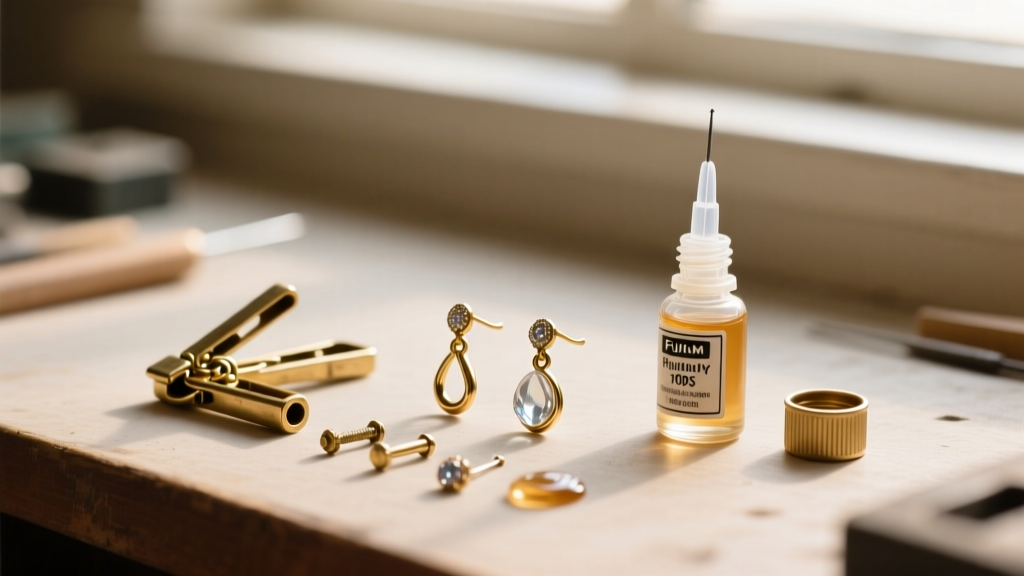
When re-setting loose stones or faux pearls, the choice of adhesive is paramount. Avoid E6000 for tight-tolerance rhinestone settings, as its high viscosity and thixotropic nature can cause it to ooze over the stone's table facet. Instead, utilize GS Hypo Cement for its precision needle-nose applicator and flexible, non-frosting cure. For structural metal-to-metal bonding (such as reattaching a sheared post), a two-part Jeweler's Epoxy 330 is required, as it cures clear, remains slightly flexible to absorb impact shocks, and does not outgas.
"The hallmark of a master vintage collector is not just the ability to identify a maker's mark, but the discipline to preserve the original structural integrity of the piece without resorting to modern, destructive shortcuts." — Conservation Principles in Costume Jewelry, 2024.
Market Valuation and Collector Grading Scale
In the current 2026 estate market, Cookie Lee earrings are graded on a strict condition scale that directly dictates their liquidity and premium. Collectors prioritize pieces with intact plating, original hardware, and zero polymer degradation.
- Mint (M): Unworn or negligibly worn. Original hangtags present. Zero verdigris, flawless plating, no stone loss. Commands a 40-60% premium over standard market value.
- Excellent (EX): Minor signs of wear visible only under magnification. Plating is fully intact. All original stones present. Hardware functions with original factory tension.
- Very Good (VG): Wearable and structurally sound, but exhibits minor gold-tone rubbing on high-contact points (e.g., clip paddle edges). May have microscopic surface scratches on Lucite elements.
- Good (G): Significant plating loss, visible verdigris, or replaced non-original earring backs. Suitable primarily for study, parts, or aggressive restoration projects.
By applying these technical analysis frameworks, collectors and appraisers can accurately authenticate, preserve, and value Cookie Lee earrings, ensuring these masterpieces of American costume jewelry survive for future generations.


