How to Style and Clean Amethyst Green Earrings Safely
Learn how to style, clean, and maintain amethyst green earrings. Discover gemological facts, face-shape tips, and safe care routines for prasiolite.

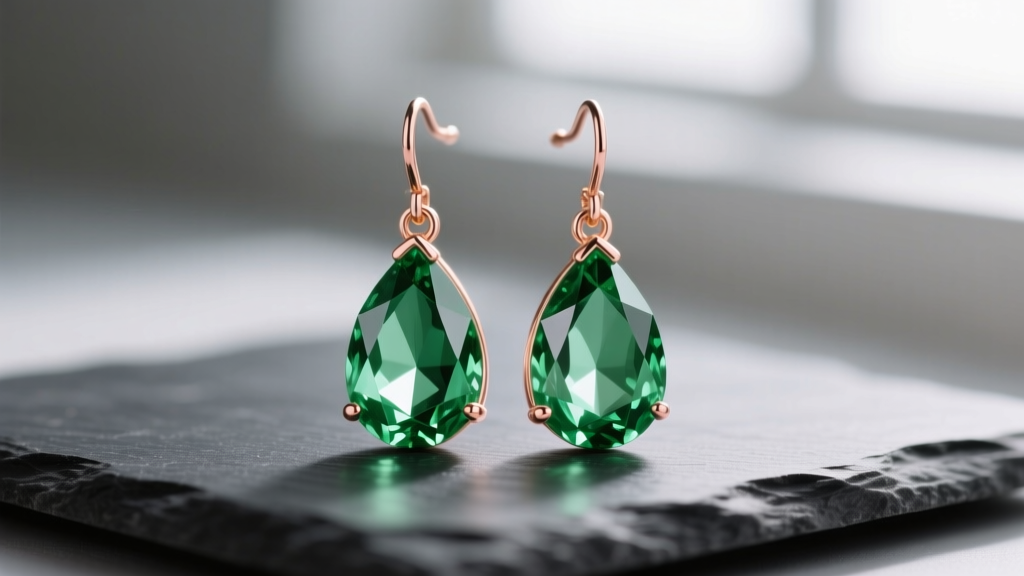
The jewelry market is filled with captivating gemstones, but few carry as much mystery and misunderstanding as the stones featured in amethyst green earrings. If you have recently purchased or inherited a pair of these minty, sage, or olive-green drops, you might be wondering how to care for them properly. Unlike traditional purple amethyst, green variants require specific handling to maintain their color and structural integrity.
In this comprehensive guide, we will break down the gemological reality of these stones, provide a step-by-step styling framework based on face shapes, and detail the exact cleaning protocols you need to prevent irreversible damage to your jewelry.
The Gemological Truth: What Are "Green Amethyst" Earrings?
Before diving into care and styling, it is crucial to understand what you are actually wearing. From a strict gemological standpoint, "green amethyst" is a misnomer. According to the Gemological Institute of America (GIA), amethyst is strictly the purple variety of quartz. The green stones sold under this trade name are actually prasiolite, a green variety of quartz.
Most prasiolite on the market is created by heat-treating specific types of amethyst or citrine to temperatures around 500°C. Because the color is the result of artificial heat treatment, the Federal Trade Commission (FTC) Jewelry Guides advise against using the term "green amethyst" without disclosure, as it can mislead consumers. However, the trade name persists. Knowing that your earrings are likely heat-treated quartz dictates how you must clean and store them, as excessive heat or harsh chemicals can alter the stone's delicate green hue.
Step-by-Step Guide to Styling Prasiolite Earrings
Styling green quartz requires an understanding of color theory and facial proportions. The soft, earthy tones of prasiolite pair exceptionally well with specific metals and skin undertones.
Metal Pairings and Skin Undertones
- Rose Gold: The warm, coppery tones of 14k rose gold create a stunning, romantic contrast with the cool minty greens of the stone. Ideal for warm and neutral skin undertones.
- Yellow Gold: Enhances the olive and sage notes in the quartz. Best for those with warm or olive skin tones.
- Sterling Silver / White Gold: Provides a crisp, modern, and icy contrast. Perfect for cool skin undertones.
Matching Earring Silhouettes to Face Shapes
To maximize the visual impact of your amethyst green earrings, match the silhouette to your facial structure:
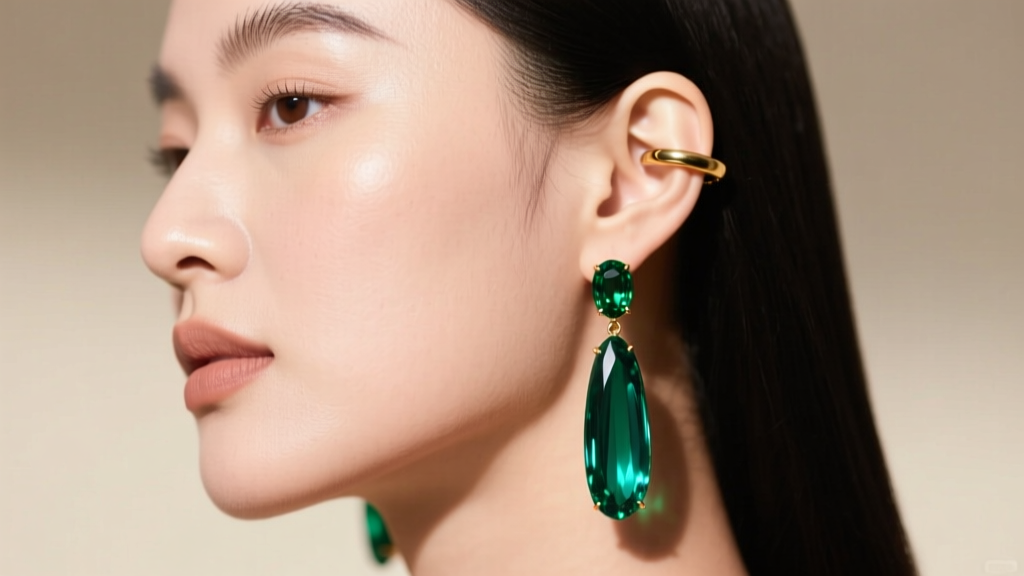
- Round Faces: Opt for elongated dangles or narrow drop earrings (1.5 to 2.5 inches in length). The vertical lines help elongate the face. Avoid large, circular hoops or wide cluster studs.
- Oval Faces: You can wear virtually any style. Geometric studs, medium-sized huggies, and chandelier drops all complement your balanced proportions.
- Square Faces: Choose curved silhouettes like oval cabochon drops or rounded hoops to soften a strong jawline. Avoid sharp, angular geometric shapes.
- Heart Faces: Teardrop or chandelier styles that are wider at the bottom help balance a narrower chin and wider forehead.
How to Clean and Maintain Your Green Quartz Earrings
Prasiolite ranks at a 7 on the Mohs scale of hardness. While this makes it durable enough for everyday wear, it is still susceptible to scratching from harder materials (like diamonds, sapphires, or topaz) and can be damaged by improper cleaning methods. Furthermore, because the color is often heat-induced, steam cleaners and ultrasonic machines are strictly prohibited, as sudden temperature changes can cause thermal shock or fade the green coloration.
The 5-Step Safe Cleaning Protocol
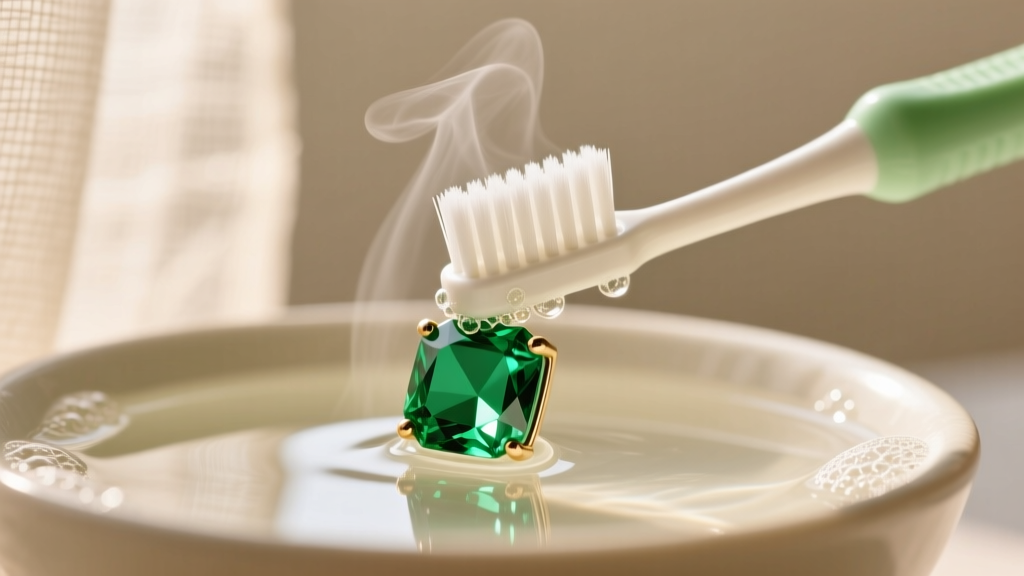
- Prepare the Solution: Fill a small glass bowl with lukewarm (never hot) water and add two drops of mild, phosphate-free dish soap (like Dawn).
- Soak Briefly: Place your earrings in the solution for exactly 3 to 5 minutes. Do not exceed this time, especially if the stones are set in porous materials or if the setting uses adhesive.
- Gentle Agitation: Using a brand-new, ultra-soft baby toothbrush, gently brush the back of the settings and the prongs. Avoid scrubbing the surface of the quartz directly to prevent micro-abrasions.
- Rinse Thoroughly: Rinse the earrings under a gentle stream of lukewarm tap water. Ensure the drain is securely plugged or use a mesh strainer.
- Dry and Polish: Pat dry with a lint-free microfiber cloth. Use a separate, dry polishing cloth to gently buff the metal setting, avoiding the stone.
Cleaning Agents: What to Use and What to Avoid
| Cleaning Agent / Method | Safety for Prasiolite | Notes & Risks |
|---|---|---|
| Mild Dish Soap & Lukewarm Water | SAFE | The gold standard for routine home cleaning. |
| Ultrasonic Cleaners | AVOID | Vibrations can loosen prongs; heat can alter stone color. |
| Steam Cleaners | AVOID | Thermal shock can fracture the quartz or fade the green hue. |
| Commercial Silver Dip | CAUTION | Safe for sterling silver settings, but keep off the stone. |
| Bleach or Chlorine | AVOID | Will permanently damage and pit gold and silver alloys. |
Sizing, Gauges, and Setting Security
When buying or modifying amethyst green earrings, understanding the hardware is just as important as the gemstone. The gauge (thickness) of the earring post determines comfort and healing, especially for newer piercings or cartilage placements.
Standard Gauge Sizes for Earrings
- 20-Gauge (0.81mm): The standard size for most commercial stud and drop earrings designed for healed earlobes.
- 18-Gauge (1.0mm): Slightly thicker, often used for higher-end jewelry or cartilage piercings like the helix or forward helix.
- 16-Gauge (1.2mm): Common for huggies, ear cuffs, and heavier statement pieces that require a thicker wire for structural support.
Choosing the Right Setting for Your Lifestyle
Because quartz can chip if struck against a hard surface, the setting style matters immensely. If you lead an active lifestyle or work with your hands, opt for a bezel setting, where a rim of metal completely surrounds the girdle of the stone. For maximum light return and brilliance in a formal setting, a four-prong or six-prong setting is preferable, though it leaves the edges of the gemstone more exposed to impact.
Additionally, always check the earring backs. For valuable drops or heavy chandelier styles, upgrade from standard friction backs (butterfly clasps) to La Pousette (screw) backs or silicone stoppers to prevent accidental loss.
Storage and Long-Term Preservation
To prevent your amethyst green earrings from scratching softer gems or being scratched by harder ones, store them in a dedicated compartment of a fabric-lined jewelry box. Prolonged exposure to direct, intense sunlight (such as leaving them on a windowsill) can cause heat-treated quartz to fade over time. Keep them in a dark, dry place, and your prasiolite earrings will retain their captivating green luster for decades.


