Costume Earrings Value Guide: Budget Picks for 2026
Discover how to evaluate costume earrings in 2026. Learn about plating thickness, base metals, and price-to-wear ratios to maximize your jewelry budget.

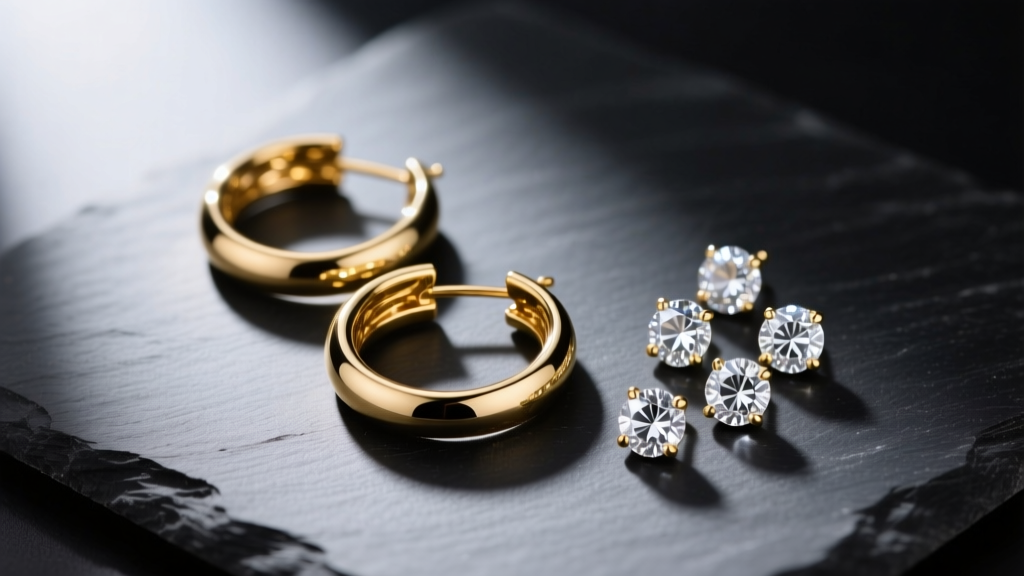
The True Cost of Cheap: Defining Value in Costume Earrings
In the landscape of 2026 fashion accessories, the term 'costume earrings' no longer automatically translates to 'disposable jewelry.' With the rising cost of fine metals, consumers are increasingly turning to high-quality fashion jewelry to achieve luxurious aesthetics without the exorbitant price tags. However, navigating the budget earring market requires a sharp eye for metallurgical realities. A $12 pair of drop earrings and a $45 pair might look identical on a digital storefront, but their material composition dictates whether they will become a staple in your rotation or tarnish in a matter of weeks. True value in costume jewelry is not about finding the absolute lowest price; it is about optimizing the Cost Per Wear (CPW) by understanding base metals, plating technologies, and structural integrity.
Material Breakdown: What You Are Actually Paying For
Base Metals and Allergy Risks
The core of any costume earring is its base metal, which dictates its weight, porosity, and ability to hold a polished finish. Ultra-budget manufacturers frequently rely on Zamak (a zinc-aluminum alloy). While cheap to cast, Zamak is highly porous and requires multiple copper 'strike' layers before gold or silver plating can adhere. If the strike layer fails, the top plating blisters and flakes. Mid-tier budget earrings typically use brass or bronze, which offer a much smoother surface for plating and a satisfying, premium weight. Crucially, the post—the part that actually pierces your skin—must be evaluated separately from the decorative face. According to the American Academy of Dermatology, nickel allergies are among the most common causes of contact dermatitis. Budget brands that use nickel-silver or cheap brass posts are a biological liability. Always look for brands that explicitly state the use of 316L surgical stainless steel or titanium posts, even if the decorative face is brass.
Plating Thickness: Flash vs. PVD
The most significant point of failure in costume earrings is the degradation of the outer finish. The Federal Trade Commission Jewelry Guides outline strict definitions for gold plating, but the market is flooded with 'flash plated' items. Flash plating is an electrochemical process that deposits a microscopic layer of gold—often less than 0.1 microns thick. This layer wears away through simple friction and exposure to the natural pH of your skin, revealing the base metal beneath within weeks. In 2026, the gold standard for budget jewelry is PVD (Physical Vapor Deposition). PVD coating utilizes a vacuum chamber to vaporize titanium nitride or real gold, bonding it to the base metal at a molecular level. PVD plating typically ranges from 1.0 to 3.0 microns thick, offering up to ten times the durability of traditional electroplating and superior resistance to sweat and cosmetic chemicals.
The 2026 Price-to-Wear Ratio Matrix
To accurately assess the value of costume earrings, we must map the retail price against the expected lifespan of daily wear. The following matrix breaks down the material realities of the current market tiers.
| Market Tier | Price Range | Base Metal | Plating Technology | Post Material | Est. Lifespan (Daily) |
|---|---|---|---|---|---|
| Fast Fashion | $5 - $15 | Zinc Alloy (Zamak) | Flash (<0.1µm) | Brass / Nickel-Silver | 1 - 3 Months |
| Mid-Tier Value | $25 - $45 | Cast Brass | PVD (1.0µm - 2.0µm) | 316L Surgical Steel | 1 - 2 Years |
| Premium Costume | $60 - $95 | Machined Bronze | Heavy Vermeil / PVD | Implant-Grade Titanium | 3 - 5+ Years |
As the data illustrates, the 'sweet spot' for budget-conscious buyers in 2026 is the $25 to $45 range. Here, you transition away from toxic, porous zinc alloys into solid brass with PVD coatings, drastically reducing the cost per wear to just pennies a day.
Critical Failure Points in Budget Earrings
Beyond tarnishing, structural failure is the primary reason costume earrings end up in the trash. When evaluating a pair of budget dangles or heavy hoops, inspect these specific engineering weak points:
- The Post Solder Joint: In inexpensive manufacturing, the steel post is attached to the brass face using a simple silver solder. Heavy drop earrings create immense shear stress at this microscopic joint. If the solder blob looks uneven or overly rounded, it is likely to snap under the weight of the earring. Laser-welded posts, found in premium costume tiers, penetrate the base metal and rarely fail.
- Stone Settings: Budget cubic zirconia (CZ) earrings often use 'cast-in-place' settings, where the metal is poured directly around the stone. This results in weak, brittle prongs that snap easily. Hand-set stones with burnished bezels or sturdy four-prong settings are mandatory for long-term wear.
- Hoop Tension and Clasps: For budget hoop earrings, the clasp mechanism is a frequent failure point. Avoid thin wire hoops with simple 'C' clasps that stretch out over time. Instead, seek out huggie-style hoops with a sturdy, spring-loaded clicker hinge, which maintains tension and prevents loss.
How to Maximize the Lifespan of Fashion Jewelry
Even the best PVD-plated costume earrings will succumb to galvanic corrosion if improperly cared for. To stretch a $30 investment into a multi-year staple, adopt these professional maintenance protocols:
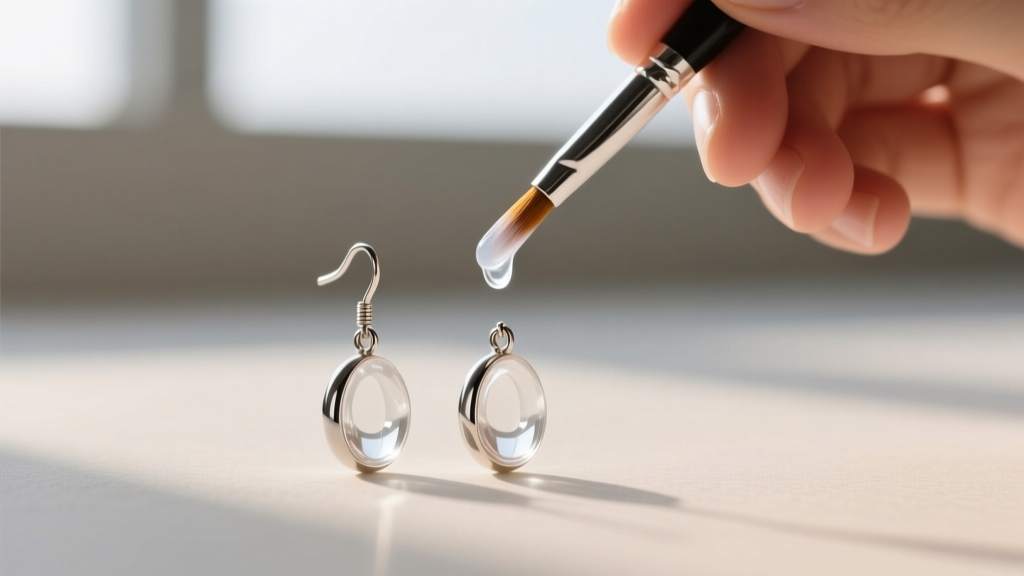
First, neutralize the threat of skin acids. The natural pH of human sweat can eat through mid-tier plating. For ultra-budget earrings with questionable post materials, applying a micro-thin layer of clear polyurethane nail polish to the post creates a biocompatible barrier that prevents both green skin and metal degradation. Second, combat atmospheric sulfur. Silver-toned costume earrings (usually rhodium-plated brass) will oxidize when exposed to airborne sulfur compounds. Store your pieces in activated-carbon anti-tarnish ziplock bags rather than leaving them exposed on a jewelry dish. Finally, enforce a strict 'last on, first off' rule. Hairsprays, perfumes, and setting powders contain alcohols and solvents that strip flash plating on contact. Your earrings should be the final step in your styling routine and the first thing removed upon returning home.
2026 Brand Value Tier List
Based on our material audits and long-term wear testing, here is how prominent fashion jewelry brands stack up regarding true budget value this year:
Top Value (High PVD usage, steel posts): Brands like BaubleBar and Gorjana have heavily invested in PVD coating technologies for their core brass collections, offering excellent longevity in the $35-$50 range.
Moderate Value (Inconsistent plating): Kendra Scott and similar mall-staple brands offer beautiful designs but frequently rely on traditional electroplating over brass, requiring meticulous care to prevent the notorious 'green ear' effect after six months of wear.
Low Value (High failure rate): Ultra-fast-fashion giants like Shein and Cider offer visually stunning $4 earrings, but our teardowns consistently reveal Zamak bases, flash plating, and high-nickel posts. These should be treated as single-use event accessories, not wardrobe staples.
Final Verdict: When to Save and When to Invest
Costume earrings offer an unparalleled opportunity to experiment with bold silhouettes, oversized sculptural shapes, and vibrant enamel trends without liquidating your savings. The secret to mastering the budget jewelry market in 2026 lies in ruthless material scrutiny. Refuse to compromise on post materials—always demand surgical steel or titanium to protect your piercing health. When purchasing simple, everyday studs or small huggies, invest in the $30+ PVD-plated brass tier to ensure they survive daily friction and moisture. However, for massive, trend-driven chandelier earrings or avant-garde ear cuffs that you will only wear a handful of times, the $10 fast-fashion tier is an acceptable, low-risk indulgence. By aligning your spending with the structural reality of the jewelry, you can build a dazzling, skin-safe collection that punches far above its weight class.


