How to Craft Hypoallergenic Flower Beaded Earrings Step-by-Step
Learn how to craft durable, hypoallergenic flower beaded earrings with our step-by-step wire-wrapping and seed bead guide for sensitive lobes.

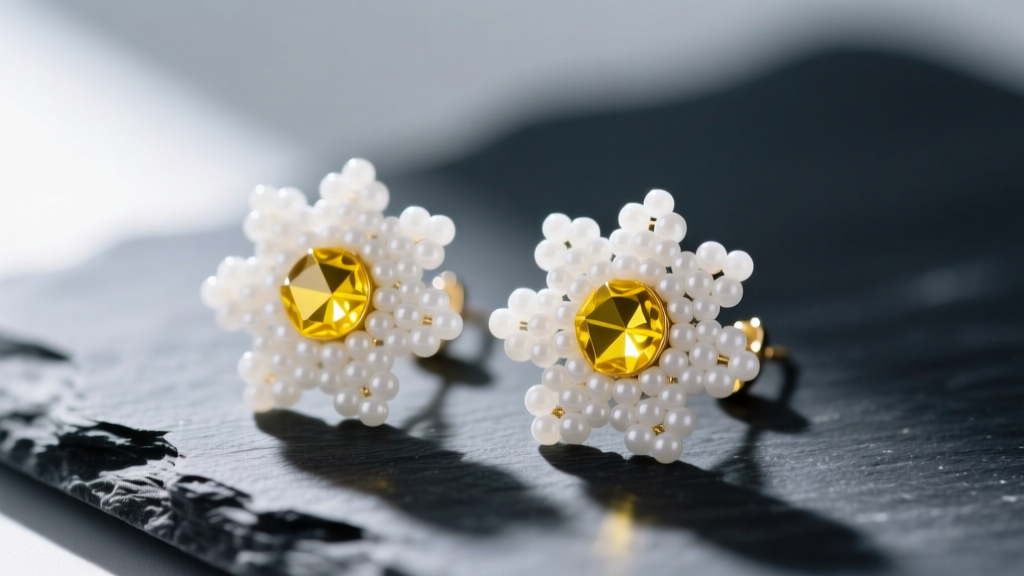
The 2026 Botanical Trend: Floral Beadwork Meets Ear Sensitivity
As we navigate the 2026 botanical jewelry trend, the demand for intricate, nature-inspired accessories has surged. However, for jewelry makers and wearers alike, crafting lightweight yet durable floral pieces presents a unique challenge—especially when catering to sensitive earlobes. Making your own flower beaded earrings allows for complete control over the metals and tension used, ensuring a comfortable, hypoallergenic fit without sacrificing structural integrity.
In this comprehensive guide, we will walk through the exact metallurgy, wire gauges, and bead-weaving techniques required to create a pair of daisy-style beaded earrings. By combining implant-grade metals with precision seed bead stitches, you can produce professional-grade botanical ear wear that withstands daily use while remaining entirely nickel-free.
Essential Materials: Wire Gauges, Bead Sizes, & Metals
The foundation of any high-quality ear wire is its metallurgical composition and thickness. Standard craft store wires often contain hidden nickel alloys or copper cores that oxidize and cause contact dermatitis. For hypoallergenic flower beaded earrings, you must source reactive or implant-grade metals.
| Metal Type | Grade / Standard | Ear Wire Gauge | Weaving Wire Gauge | Hypoallergenic Rating |
|---|---|---|---|---|
| Niobium | Pure Reactive (99.9%) | 20g (0.81mm) | 28g (0.32mm) | Excellent (Nickel-Free) |
| Titanium | ASTM F136 (Grade 23) | 20g (0.81mm) | 28g (0.32mm) | Excellent (Implant Grade) |
| Surgical Steel | 316L VM | 20g (0.81mm) | 28g (0.32mm) | Moderate (Trace Nickel) |
According to the Halstead Bead Wire Gauge Guide, a 20-gauge (0.81mm) wire is the industry standard for ear hooks. It is thick enough to retain its shape under the weight of a beaded flower, yet slim enough to pass comfortably through standard 18g to 20g lobe piercings. For the actual bead weaving, a 28-gauge (0.32mm) dead-soft wire is required to pass multiple times through the narrow holes of 11/0 seed beads without snapping.
Step 1: Preparing the Hypoallergenic Ear Wire
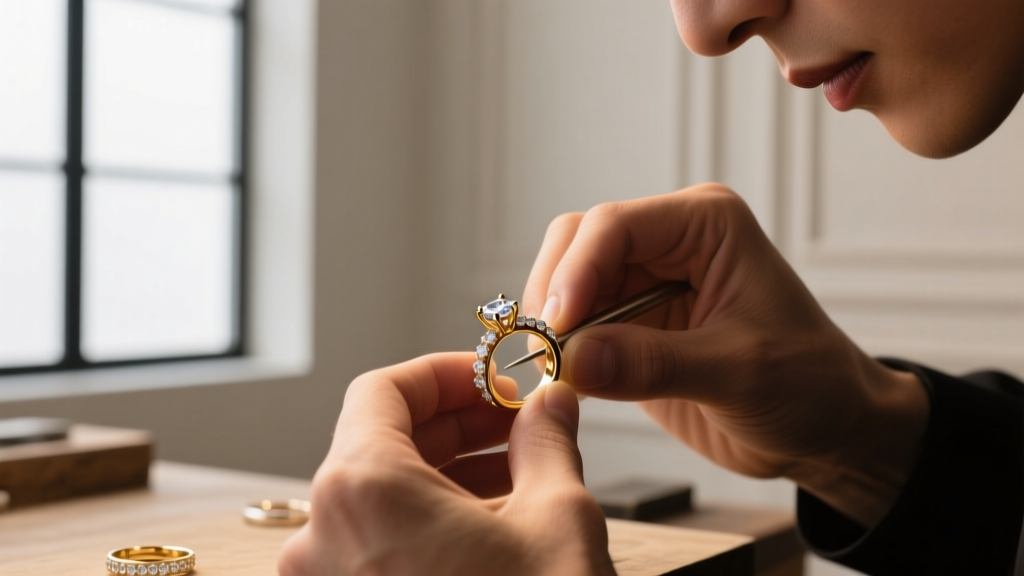
Before touching a single bead, you must fabricate a comfortable, safe ear wire. Niobium and titanium are significantly harder and more brittle than sterling silver or copper. Bending them requires specific tools to prevent marring the surface or causing micro-fractures.
Filing and Shaping
Cut two 2-inch lengths of 20-gauge niobium wire using flush cutters. The cut end that will enter the ear piercing must be filed completely smooth. Use a cup bur attached to a rotary tool or a fine-grit jeweler's file to round the tip. A flat or sharp cut will scratch the delicate fistula of the ear lobe, leading to irritation and potential infection.
Using nylon-jaw pliers—which prevent tool marks on soft reactive metals—grip the wire about 1/4 inch from the filed tip. Bend the wire around a 3mm steel mandrel to create the classic French hook curve. Leave a 1.5-inch straight tail, which will later serve as the structural anchor for your flower beaded earrings.
Step 2: Creating the Beaded Flower Petal Base
The core of our floral design relies on the Daisy Chain Stitch, a variation of the right-angle weave (RAW) that naturally forces beads into a circular, petal-like formation. For uniform, structurally sound petals, we highly recommend using Japanese cylinder beads, such as Miyuki Delica 11/0. As noted in the Fire Mountain Gems Bead Size Chart, 11/0 cylinder beads measure exactly 1.6mm with a 0.8mm hole, allowing our 28-gauge weaving wire to pass through up to four times without friction damage.
The Weaving Sequence
- Base Ring: Thread eight 11/0 seed beads onto your 28-gauge titanium weaving wire. Slide them down, leaving a 3-inch tail. Wrap the wire around to form a tight circle, passing back through the first four beads to lock the ring.
- Petal Formation: Pick up three new seed beads. Skip one bead on your base ring, and pass the wire through the next bead. Pull the tension taut (approximately 4-6 ounces of pull) to force the three new beads to pop outward, forming a distinct petal.
- Reinforcement: Pass the weaving wire back through the newly formed petal loop a second time. This double-pass is critical; it prevents the petal from collapsing when the earring is bumped or dropped.
- Repeat: Continue this sequence around the entire base ring until you have formed eight distinct, uniform petals.
Step 3: Securing the Center Stone & Tension Management
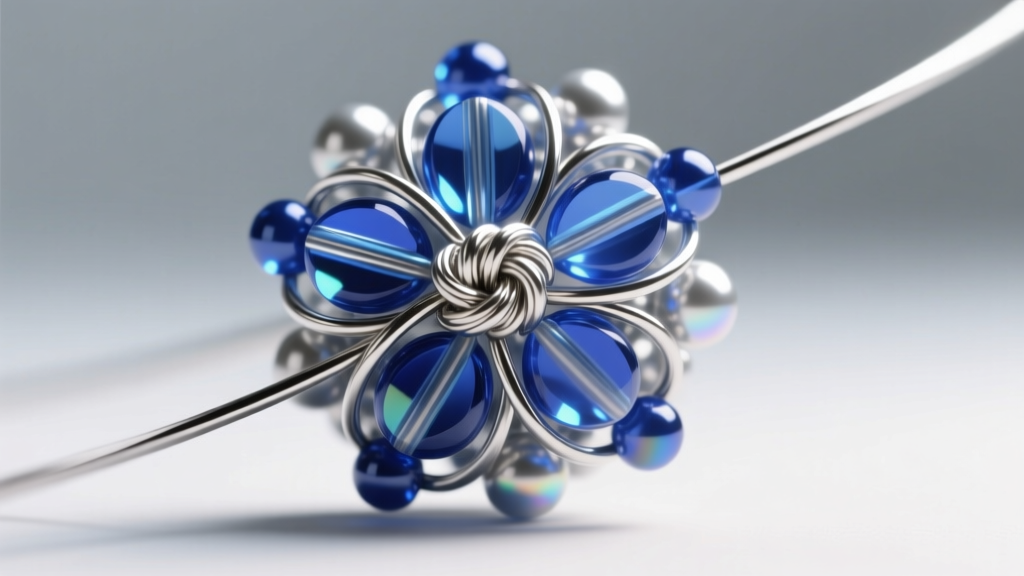
A flower is only as visually striking as its center. For this design, we will use a 4mm Preciosa or Swarovski bicone crystal in a contrasting color (e.g., a vibrant yellow or deep sapphire). The challenge here is tension management. If the weaving wire is pulled too tightly around the rigid crystal, the surrounding seed bead petals will warp inward, destroying the daisy silhouette.
Pro Tip: To maintain perfect petal geometry, place a temporary 2mm spacer bead between the center crystal and the inner petal ring while weaving. Once the wire path is secured, remove the spacer. This guarantees a precise 1mm buffer zone, allowing the flower to lay completely flat.
Pass the 28-gauge wire through the 4mm bicone crystal, then weave down through the opposite side of the petal base. Do not pull the wire flush immediately. Gently massage the beadwork with your thumb and forefinger, distributing the tension evenly across all eight petals before locking the wire off with a half-hitch knot hidden inside a seed bead.
Step 4: Attaching the Flower to the Ear Wire
With the floral component complete, it is time to marry it to the 20-gauge ear wire. Avoid using jump rings for this specific design, as they add unnecessary weight and create a pivot point that causes the earring to flip upside down on the ear.
Instead, create a wrapped loop directly on the straight tail of your ear wire. Using your round-nose pliers, form a small loop just above the ear hook curve. Position the top petal of your beaded flower against this loop. Take the 3-inch tail of your 28-gauge weaving wire (which you left in Step 2) and wrap it tightly around the 20-gauge ear wire loop and the top seed bead of the flower. Wrap three times, ensuring the wire sits flush without overlapping. Snip the excess weaving wire with flush cutters and tuck the sharp end into the beadwork using a chain-nose plier.
Troubleshooting Common Beading Tension Issues
Even experienced jewelers encounter structural failures when working with micro-bead weaving. Here is how to diagnose and fix the most common issues when crafting flower beaded earrings:
- Warped or Buckled Petals: This occurs when the center crystal is too large for the base ring, or when the final pull-tension is uneven. Fix: Undo the last two passes of the weaving wire and insert a smaller 3mm bicone, or re-weave the base ring with 10 seed beads instead of 8 to increase the circumference.
- Wire Breakage During Weaving: Titanium and niobium work-harden rapidly. If you bend the 28-gauge wire back and forth to correct a mistake, it will snap due to metal fatigue. Fix: Cut the wire, weave in a fresh 12-inch length, and hide the transition knot inside a cylinder bead.
- Dull or Cloudy Finish: While niobium and titanium do not oxidize or tarnish like silver, they do attract sebum (skin oils) and soap residue, which clouds the metallic luster. Fix: Instruct the wearer to clean the earrings weekly with a drop of mild dish soap and a soft baby toothbrush, avoiding harsh ultrasonic cleaners which can fracture the glass seed beads.
Final Thoughts on Floral Ear Styling
Mastering the daisy chain stitch with hypoallergenic metals elevates your jewelry portfolio from simple craft projects to professional, skin-safe accessories. By strictly adhering to 20-gauge ear wires and 28-gauge weaving wires, your flower beaded earrings will not only capture the essence of the 2026 botanical trend but will also provide a comfortable, irritation-free experience for even the most sensitive earlobes. Experiment with anodized niobium colors—such as deep purples and electric blues—to create bespoke floral palettes that stand out in any jewelry collection.


