How to Choose the Right Size of Earrings in mm for Every Piercing
Confused by jewelry dimensions? Learn how to choose the exact size of earrings in mm for studs, hoops, and cartilage piercings with our expert guide.

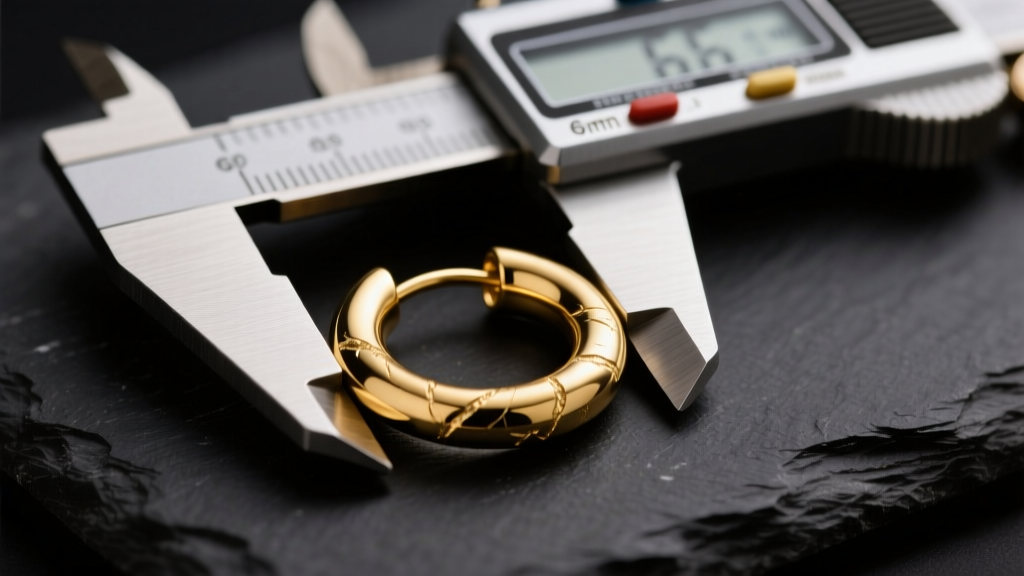
Shopping for earrings online in 2026 offers endless aesthetic choices, but it also introduces a universal frustration: the guessing game of proportions. A pair of hoops that look perfectly snug on a model's ear might end up dangling awkwardly on yours. To eliminate this guesswork, professional piercers and high-end jewelers rely on precise millimeter measurements. Understanding the exact size of earrings in mm is the single most important skill you can develop when curating a curated ear stack, whether you are shopping for delicate lobe studs or intricate cartilage huggies.
Why the Size of Earrings in mm Matters More Than You Think
When beginners shop for jewelry, they often rely on visual descriptors like "small," "medium," or "statement." In the professional body modification industry, these terms are virtually meaningless. The size of earrings in mm dictates not just the visual aesthetic, but the physical comfort and healing trajectory of your piercing.
For example, a hoop with an inner diameter that is too tight can cause the dreaded "choke factor," where the jewelry presses into the swelling tissue of a fresh cartilage piercing. This pressure can lead to migration, irritation bumps, or even embedding. Conversely, a stud with a post that is too long will snag on hair and clothing, delaying the healing process. According to the Association of Professional Piercers (APP), precise initial jewelry sizing is critical for minimizing trauma and ensuring proper fistula formation.
The Ultimate Millimeter Sizing Chart for Ear Piercings
To help you visualize the ideal dimensions, we have compiled a comprehensive sizing chart. This table outlines the recommended dimensions for fully healed piercings. If your piercing is less than 6 months old, always consult your piercer for custom-fitted, longer jewelry to accommodate swelling.
| Piercing Location | Ideal Stud Face (mm) | Ideal Hoop Inner Diameter (mm) | Standard Post Length (mm) |
|---|---|---|---|
| Standard Lobe | 3mm - 6mm | 8mm - 10mm | 6mm (1/4") |
| Upper Lobe / Flat | 3mm - 5mm | 6mm - 8mm | 6mm - 8mm |
| Helix | 4mm - 6mm | 7mm - 9mm | 6mm - 8mm |
| Tragus | 3mm - 5mm | 6mm - 7mm (Huggie) | 6mm |
| Conch | 5mm - 10mm | 10mm - 12mm | 6mm - 8mm |
| Daith | N/A | 8mm - 10mm | N/A (Clicker) |
| Rook | N/A | 6mm - 8mm | N/A (Clicker) |
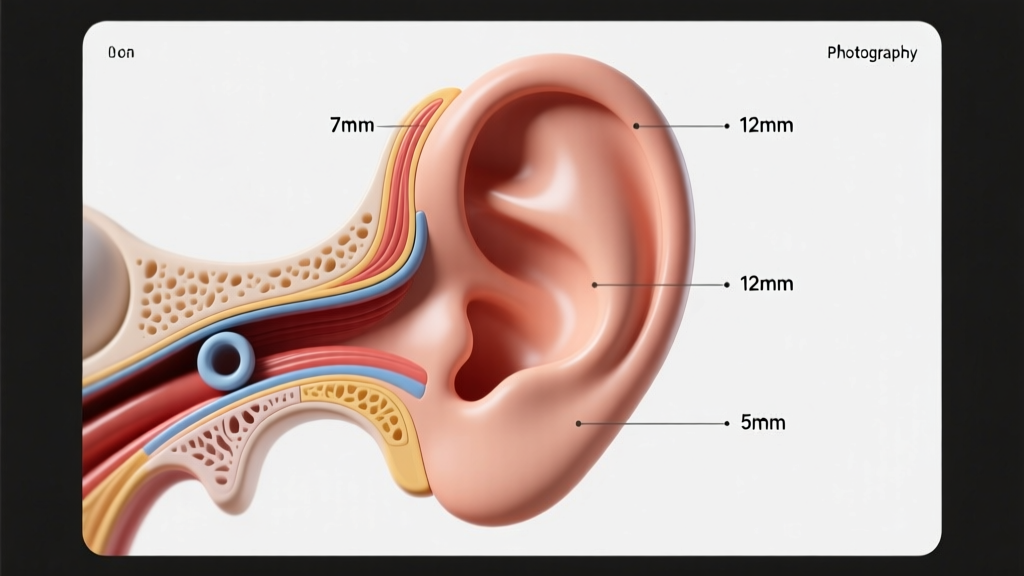
Studs vs. Hoops: Decoding the Size of Earrings in mm
Measuring jewelry is not a one-size-fits-all process. The way you determine the size of earrings in mm changes drastically depending on the style of the jewelry.
Measuring Studs and Labrets
When evaluating studs, you are actually dealing with two distinct millimeter measurements: the face width and the post length. The face width is the visible gemstone or metal design resting on the outside of your ear. A 3mm face is incredibly dainty, often used for second or third lobe holes, while a 6mm face is a standard, noticeable solitaire for the primary lobe.
The post length is the bar that passes through the fistula. Standard lobe posts are usually 6mm (often referred to as 1/4 inch in imperial measurements). Cartilage piercings, which have denser tissue and different angles, often require an 8mm (5/16 inch) post to sit flush without pressing into the back of the ear.
Measuring Hoops, Huggies, and Clickers
The most critical mistake beginners make with hoops is measuring the outer diameter. Professional jewelers always measure the inner diameter (ID). The ID is the distance across the inside of the hoop. This measurement dictates how much space exists between the jewelry and your ear tissue. If you buy a 6mm ID huggie for a helix piercing that actually requires an 8mm ID, the hoop will pull upward on the piercing hole, causing chronic irritation and angle distortion.
Common Beginner Mistakes When Buying by Millimeter
Even armed with a ruler, novice buyers frequently fall into a few predictable traps. Avoid these common errors to ensure a comfortable fit:
- Ignoring the "Choke Factor" in Rook and Daith Piercings: These inner-ear folds swell significantly. Using a standard 6mm clicker in a fresh daith piercing will result in the jewelry embedding into the tissue as it swells. Always size up to 9mm or 10mm for healing inner-ear hoops.
- Assuming All "Standard" Lobes Are the Same: Earlobe thickness varies wildly from person to person. A person with thick, fleshy lobes might find a 6mm labret post too short, causing the backing to dig into the skin. They may require a custom 7mm or 8mm post.
- Forgetting About the Threading Mechanism: If you are buying threadless (push-pin) or internally threaded ends from high-end brands like BVLA or Anatometal, remember that the prong or threading pin adds a fraction of a millimeter to the overall profile. Ensure your post length accounts for the end piece.
"Millimeter precision is what separates a piercing that heals beautifully from one that fights you for months. A 1mm difference in inner diameter can completely change the drape of a hoop and the health of the fistula." - Certified Professional Piercer
Material and Gauge: The Hidden Partners to mm Sizing
You cannot discuss the size of earrings in mm without addressing gauge (thickness). While millimeters measure the length and diameter, gauge measures the thickness of the wire or post passing through the ear. In the metric system, gauge translates directly to specific millimeter thicknesses:
- 20 Gauge: 0.81mm (Standard for cheap fashion earrings and some delicate lobe studs)
- 18 Gauge: 1.02mm (Common for standard lobe piercings and some nose screws)
- 16 Gauge: 1.29mm (The global standard for cartilage piercings, including helix, tragus, and conch)
- 14 Gauge: 1.60mm (Standard for industrial bars and some thicker daith clickers)
When buying fine jewelry, always verify both the gauge and the mm dimensions. Buying a beautiful 8mm hoop is useless if it is 18 gauge and your cartilage was pierced at 16 gauge; forcing a thinner wire through a thicker hole can cause the "cheese-cutter effect," where the jewelry slowly migrates and slices through the tissue over time.
Where to Buy Perfectly Sized Earrings (Brand Examples & Pricing)
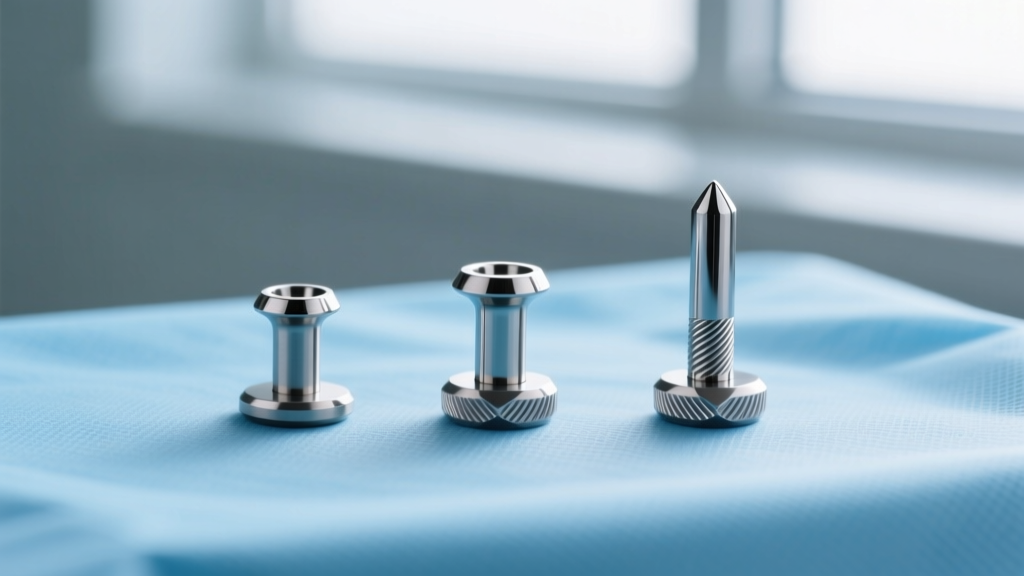
If you want guaranteed precision in the size of earrings in mm, you must move away from fast-fashion retailers and invest in body-safe, precision-machined jewelry. High-end brands use CNC machining and hand-polishing to ensure their 6mm posts are exactly 6.00mm, not 5.8mm.
Brands like Maria Tasha specialize in 14k gold huggies and hoops, offering highly specific inner diameters (e.g., 6.5mm, 8mm, 10mm) tailored for specific ear placements. Expect to pay between $150 and $350 per piece for solid gold hoops.
For custom-fitted labrets and threadless ends, brands like Industrial Strength and Neometal offer implant-grade titanium options. These are the gold standard for fresh piercings. Titanium labret posts typically cost $12 to $20, while decorative ends range from $25 to $80. This modular system allows your piercer to mix and match a 4mm gemstone end with a custom-cut 7.5mm post, achieving a level of millimeter perfection that pre-packaged jewelry simply cannot match.
Ultimately, mastering the size of earrings in mm transforms your jewelry collection from a series of frustrating guesses into a curated, comfortable, and anatomically perfect display. Keep a digital caliper in your jewelry box, measure your favorite fitting pieces, and use those exact numbers as your baseline for all future purchases.


