Porn Hoop Earrings: Troubleshooting Heavy Luxury Statement Hoops
Fix sagging lobes, broken clickers, and tarnished textures in your favorite porn hoop earrings with our expert troubleshooting guide.

The 'Jewelry Porn' Aesthetic: When Visual Perfection Meets Physical Reality
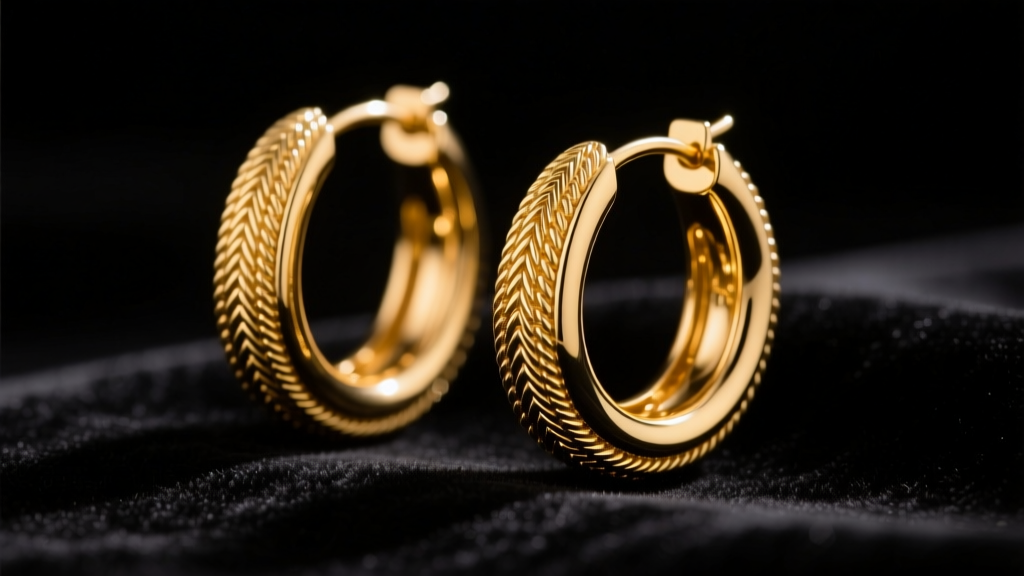
In the 2026 digital landscape, the term 'jewelry porn' has evolved from a niche forum slang into a mainstream aesthetic descriptor. When enthusiasts and collectors search for 'porn hoop earrings,' they are not looking for basic, lightweight fashion jewelry. They are hunting for hyper-detailed, macro-lens-worthy luxury pieces characterized by flawless micro-pavé settings, architectural tubular gold designs, and heavy, satisfying silhouettes that trigger visual ASMR. These are the hoops that dominate high-resolution social media feeds, boasting intricate milgrain edges, satin-brushed finishes, and substantial gram weights.
However, the very qualities that make these statement hoops visually intoxicating also make them a nightmare to wear and maintain. A standard fashion hoop weighs between 3 to 5 grams. In contrast, true luxury statement hoops often tip the scales at 15 to 30 grams per ear. This massive increase in weight, combined with complex mechanical hinges and delicate surface textures, leads to a host of physical and mechanical failures. Below, we break down the most common issues associated with heavy luxury hoops and provide expert-level troubleshooting solutions to keep your pieces looking pristine and wearing comfortably.
The Physics of Heavy Hoops: Weight vs. Gauge
The most frequent complaint among collectors of heavy statement hoops is lobe elongation, sagging, and the dreaded 'cheese wire' effect, where a thin post slowly slices through the earlobe tissue over time. The root cause is a mismatch between the earring's gram weight and the wire gauge (thickness) of the post or hoop wire.
Most commercial jewelry is manufactured at 20-gauge (0.81mm) or 18-gauge (1.02mm) to save on precious metal costs. When you hang a 22-gram solid 18k gold tubular hoop on an 18-gauge wire, the leverage created by the hoop's diameter concentrates immense downward pressure on the bottom of the piercing fistula. According to the Association of Professional Piercers (APP), continuous wear of heavy jewelry on thin gauges leads to irreversible tissue thinning and migration.
| Earring Weight (per ear) | Minimum Wire Gauge | Wire Thickness (mm) | Recommended Backing / Clasp |
|---|---|---|---|
| Under 8 grams | 18g or 20g | 1.02mm / 0.81mm | Standard friction post, small butterfly clutch |
| 8 to 15 grams | 16g | 1.29mm | Locking leverback, silicone O-ring disc |
| 15 to 25 grams | 14g | 1.60mm | Heavy-duty hinged leverback, ear support patch |
| 25+ grams | 12g or 10g | 2.00mm / 2.50mm | Custom clicker, French wire with chain wrap |
Combating Lobe Sag and Piercing Elongation
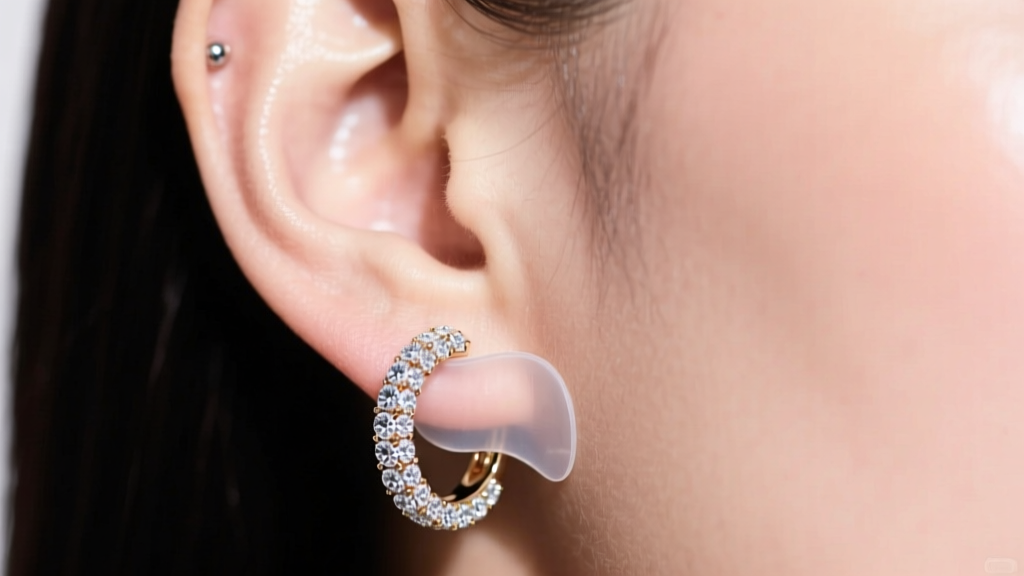
If you already own a pair of heavy porn hoop earrings with a thin 18g wire, you do not necessarily need to stop wearing them. The immediate troubleshooting solution is to utilize adhesive ear support patches (such as Lobe Wonder). These clear, medical-grade silicone patches adhere to the back of the earlobe, featuring a pre-punched hole that distributes the hoop's weight across a wider surface area of tissue, effectively eliminating the downward shear force. For a permanent fix, take the hoops to a master jeweler to have the posts or hoop wires swapped out for 14-gauge (1.6mm) or 12-gauge (2.0mm) wire, which provides the necessary tensile strength to support heavy gold without bending.
Metallurgy Matters: 18k vs. 14k Gold in Large Diameters
A hidden issue with ultra-luxury hoops is metal fatigue and bending. Collectors often assume that 18k gold is superior to 14k gold in every way due to its higher purity and richer color. However, 18k gold is 75% pure gold, making it significantly softer and more malleable. When a large-diameter hoop (30mm or wider) is crafted in 18k gold, the metal is highly susceptible to warping if squeezed, dropped, or slept on.
For heavy, wide-diameter hoops that require structural integrity, 14k gold (58.5% pure gold) is actually the superior metallurgical choice. The higher alloy content (usually copper, silver, or zinc) increases the tensile strength and hardness of the metal, allowing the hoop to maintain its perfect circular shape despite the dynamic movement and leverage it experiences during daily wear. If your 18k hoops frequently fall out of round, consult a jeweler about annealing and work-hardening the metal, or consider upgrading to platinum or Grade 23 titanium for the structural components while reserving 18k gold for the decorative inlays.
Hinge Failures: Upgrading to Tongue-and-Groove Clickers
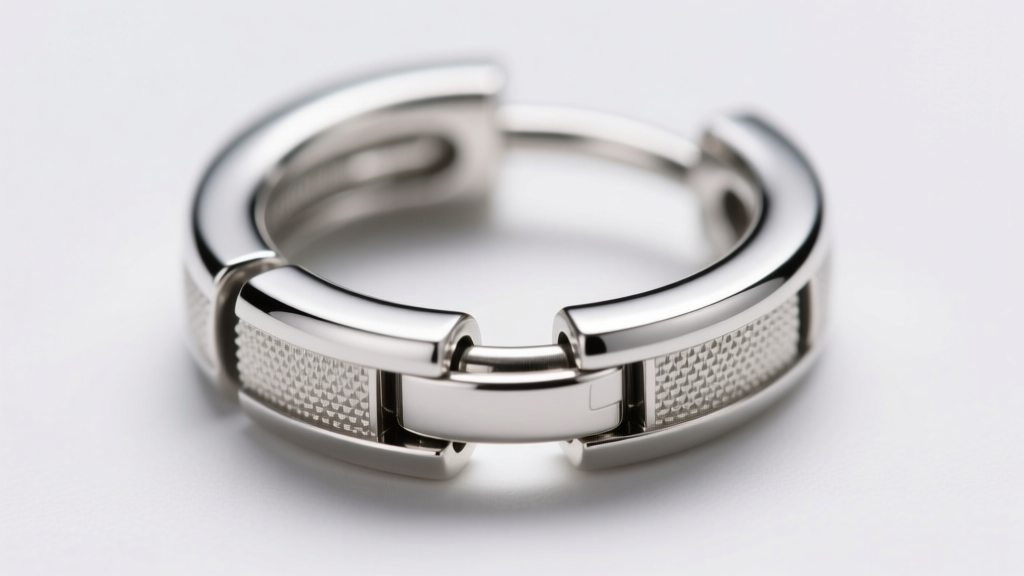
The 'jewelry porn' aesthetic often features seamless-looking huggies and medium-sized hoops that rely on hidden clicker mechanisms. The most catastrophic failure mode for these pieces is the clasp popping open unexpectedly, leading to the loss of a $5,000+ earring. This usually happens because standard snap-hinges rely on a simple friction fit or a tiny, weak spring that degrades over time.
To troubleshoot and prevent this, high-end collectors must demand internal tongue-and-groove clicker mechanisms. Pioneered by luxury piercing brands like BVLA and Maria Tash, this mechanism features a precisely machined metal tongue that slides deeply into a corresponding groove within the hinge post, locking into place with a satisfying, audible 'click.' This design distributes the lateral tension across the entire thickness of the wire rather than relying on a microscopic friction point. If your current hoops utilize weak snap-hinges, a skilled bench jeweler can often retrofit the hoop with a custom-machined locking leverback or a tongue-and-groove clicker, securing your investment against accidental loss.
Cleaning Micro-Textures Without Destroying Pavé
The visual appeal of these statement hoops relies heavily on pristine micro-textures—satin brushing, milgrain beading, and hundreds of micro-pavé diamonds. The most common troubleshooting error owners make is tossing these intricate pieces into an ultrasonic cleaner. While ultrasonic waves are excellent for shaking loose dirt from plain metal, the high-frequency vibrations can easily shatter fragile gemstones (like emeralds or opals) and shake loose micro-pavé diamonds if the prongs have experienced even minor wear.
The Gemological Institute of America (GIA) recommends gentle, chemical-assisted cleaning for intricate diamond jewelry to preserve the integrity of the settings. Follow this expert protocol to maintain the macro-lens perfection of your hoops:
- The Soak: Mix a solution of warm (not hot) distilled water and a few drops of ammonia-free, mild dish surfactant (like Dawn). Avoid harsh detergents that can leave a filmy residue on satin finishes.
- The Agitation: Submerge the hoops for 15 minutes to soften sebum and cosmetic buildup. Use an ultra-soft baby toothbrush or a specialized jewelry cleaning brush with tapered bristles to gently sweep along the milgrain edges and beneath the pavé gallery.
- The Rinse & Dry: Rinse thoroughly under lukewarm running water. Do not dry with a standard cotton towel, as the microscopic loops can snag on micro-prongs. Instead, use a lint-free microfiber cloth or blast the piece with a can of compressed air to force water out of the intricate crevices.
"The hallmark of true luxury jewelry is not just how it looks on a velvet display, but how its engineering holds up to the physics of the human body. A flawless aesthetic requires flawless mechanics."
Final Verdict: Maintaining the Flawless Aesthetic
Owning and wearing heavy, visually striking luxury hoops requires a shift in mindset from passive consumer to active curator. By understanding the physics of wire gauges, respecting the metallurgical limits of high-karat gold, demanding superior clicker engineering, and adopting safe cleaning protocols, you can ensure your favorite pieces remain as breathtaking in person as they are on screen. Troubleshooting these issues proactively guarantees that your collection continues to define the pinnacle of wearable art in 2026 and beyond.


