Creolla Earrings: Diamond Settings, Gauges, and Metal Guide
Explore the technical anatomy of Creolla earrings. Diamond setting methods, metal gauge tolerances, and structural failure points explained.

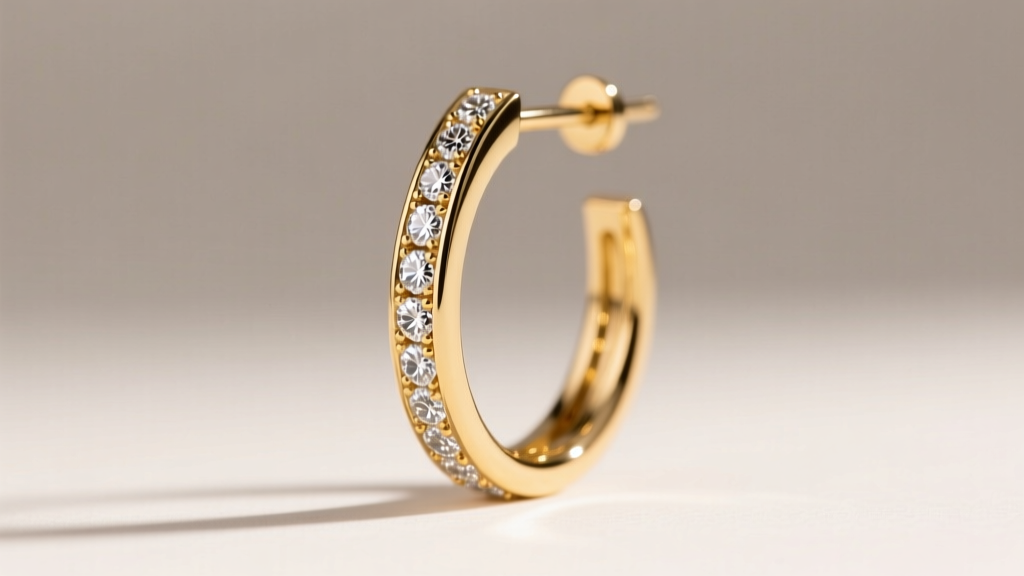
The creolla hoop earring—characterized by its distinctive tapered, teardrop, or widened cross-sectional geometry—represents a unique intersection of traditional Latin American jewelry design and modern precision metallurgy. Unlike standard uniform-wire hoops, integrating stones into a creolla silhouette introduces complex structural variables. As of 2026, advancements in 5-axis CNC milling and laser sintering have allowed for unprecedented precision, yet the fundamental physics of weight distribution and metal fatigue remain unchanged. This expert deep dive explores the technical anatomy, lapidary requirements, and metallurgical tolerances necessary to engineer high-quality diamond creolla earrings.
The Geometry of the Creolla Hoop vs. Standard Hoops
Standard hoop earrings typically utilize a uniform circular or oval wire profile (ranging from 1.0mm to 2.5mm in diameter). The creolla, however, features a variable cross-section. The metal is thickest and widest at the basal curve (the bottom of the hoop) and tapers upward toward the hinge and clasp. This design lowers the center of gravity, allowing the earring to hang perfectly vertical without flipping forward on the earlobe.
When engineering a creolla earrings diamond melee layout, this tapering geometry dictates the maximum stone size. A basal width of 4.0mm can comfortably house a 2.5mm round brilliant diamond, but as the hoop tapers to 2.0mm near the clasp, the stones must graduate down to 1.2mm or transition into a polished metal finish. Failing to graduate the stone sizes results in 'overhang,' where the diamond's girdle extends past the metal edge, creating a snag hazard and compromising the structural integrity of the setting.
Diamond Setting Techniques for Tapered Metals
The curved, tapered surface of a creolla hoop eliminates the possibility of standard prong settings used in flat jewelry. Master jewelers rely on three primary techniques to secure stones along the basal curve:
- Channel Setting: The most secure method for creollas. Two parallel walls of metal are milled into the taper, and stones are slid into the channel. The walls are then burnished over the girdles. This requires a minimum metal thickness of 1.8mm to maintain wall integrity.
- Bead (Pavé) Setting: Used when the taper is too narrow for a channel. Stones are seated into burred holes, and tiny metal beads are raised from the surrounding surface to secure the girdle. On a steep curve, the angle of the bearing cut must be constantly adjusted to match the hoop's radius.
- Flush (Gypsy) Setting: The stone is set directly into a conical hole so the table is level with the metal surface. Expert Warning: Flush setting is highly discouraged on the thinnest sections of a creolla taper. Removing metal to create the conical seat severely weakens the hoop's tensile strength, leading to catastrophic snapping under lateral stress.
Optimizing Your Creolla Earrings Diamond Melee Layout
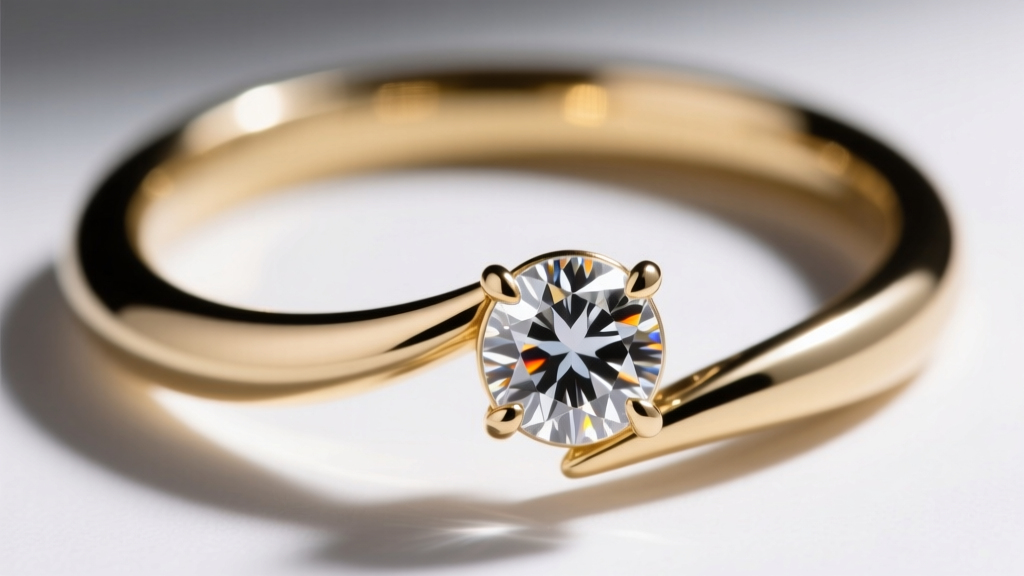
When mapping the stone placement, CAD software must account for the 'curve distortion' factor. A 1.5mm diamond set on a tight 15mm inner-diameter curve will experience light leakage on its pavilion facets due to the extreme bending of the metal seat. To counteract this, expert lapidaries utilize stones with slightly deeper pavilion angles (41.5° instead of the standard 40.75°) to ensure total internal reflection is maintained despite the curved mounting surface.
Metallurgical Requirements and Gauge Specifications
The choice of alloy directly impacts the longevity of the setting. Soft metals will experience 'metal creep,' where the prongs or channel walls slowly deform outward from the kinetic energy of walking and talking, eventually dropping the stones. Below is the technical breakdown of preferred alloys for diamond-set creollas.
| Metal Alloy | Vickers Hardness (HV) | Minimum Basal Gauge | Tensile Strength (MPa) | Setting Suitability |
|---|---|---|---|---|
| 14k Yellow Gold | 135 - 145 | 14 Gauge (1.6mm) | 550 - 600 | Excellent for channel settings; high rigidity. |
| 18k White Gold (Rhodium) | 125 - 130 | 12 Gauge (2.0mm) | 480 - 520 | Good for bead settings; requires rhodium maintenance. |
| Platinum 950 (Ru/Ir) | 110 - 120 | 16 Gauge (1.3mm) | 350 - 400 | Superior for micro-pavé; high ductility prevents snapping. |
| Sterling Silver (925) | 60 - 75 | 10 Gauge (2.4mm) | 250 - 300 | Poor for fine melee; high risk of stone loss over time. |
"The secret to a lifelong creolla hoop isn't just the hardness of the metal, but its yield strength. Platinum may score lower on the Vickers scale than 14k gold, but its superior ductility means it will bend and deform rather than snap when caught on clothing, keeping the diamond melee intact." — Master Bench Jeweler, 2026 GIA Symposium.
Evaluating Diamond Quality in Curved Arrays
Because the diamonds in a creolla hoop are in constant motion and viewed from dynamic angles, the grading priorities shift compared to a static solitaire ring. According to the GIA Diamond Clarity Grading standards, inclusions that might be acceptable in a pendant can become glaringly obvious in a curved array due to the 'fish-eye' effect, where the steep curve acts as a magnifying lens for internal carbon spots.
For diamond creolla earrings, the optimal value-to-performance matrix is:
- Clarity: VS1 to VS2. SI1 stones often show visible inclusions when the hoop swings and catches direct overhead lighting.
- Color: G to H. Because the stones are set in a continuous line, the human eye blends the color. Stepping down to I or J introduces a noticeable yellow tint, especially when contrasted against the bright white rhodium of 18k white gold settings. For more on how environment affects perception, refer to the GIA Diamond Color Scale guidelines.
- Cut: Ideal to Excellent. Never compromise on cut for melee stones in a channel setting; poor symmetry will disrupt the continuous 'ribbon of light' effect essential to the creolla design.
Structural Failure Modes and Maintenance
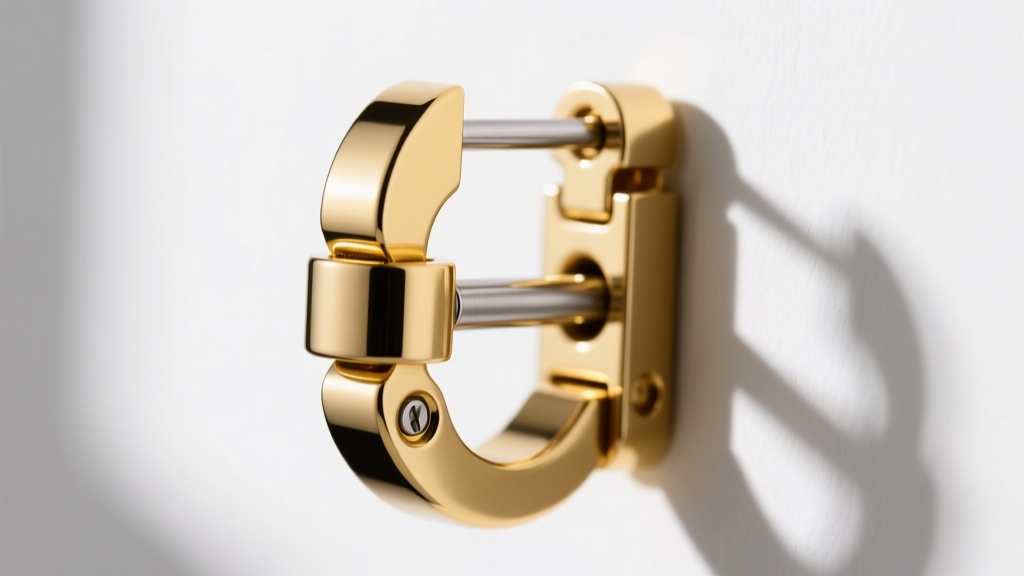
Even with perfect stone setting, the mechanical components of a creolla earring are subject to severe kinetic stress. The most common failure modes include:
- Hinge Fatigue: The basal weight of a diamond-set creolla places immense leverage on the top hinge. Standard friction hinges fail within 2-3 years. High-end models utilize a 'saddle hinge' with a hardened steel pin encased in a 14k gold housing to prevent ovalization of the pivot hole.
- Clasp Creep: The 'V' wire or post that snaps into the clasp box can loosen over time. To combat this, modern creollas feature a secondary 'omega clip' or a threaded screw-back mechanism that locks the V-wire into a reinforced catch.
- Channel Wall Wear: Contact with hair, clothing, and skin oils creates micro-abrasions on the channel walls. Annual professional burnishing is required to push the metal walls back over the diamond girdles and maintain secure tension.
Pricing Frameworks and Market Value
As of 2026, the pricing for authentic, precision-engineered diamond creolla earrings is dictated by the Total Carat Weight (TCW) and the complexity of the tapered CAD model. Expect the following market baselines for 14k gold constructions with G/VS melee:
- 0.50 CTW (Micro-Creolla, 15mm diameter): $1,200 - $1,800
- 1.50 CTW (Standard Taper, 25mm diameter): $3,500 - $5,200
- 3.00+ CTW (Heavy Basal Creolla, 35mm+ diameter): $8,500 - $14,000+
Understanding the technical anatomy of the creolla hoop transforms the purchasing process from a purely aesthetic choice into an informed engineering evaluation. By prioritizing proper gauge thickness, appropriate setting techniques, and dynamic diamond grading, collectors can secure pieces that offer both breathtaking light performance and generational structural longevity.


