Crochet Earring Holder Review 2026: Budget & Value Assessment
Evaluate the true value of a crochet earring holder in 2026. We compare budget vs. premium materials, snag risks, and earring protection.

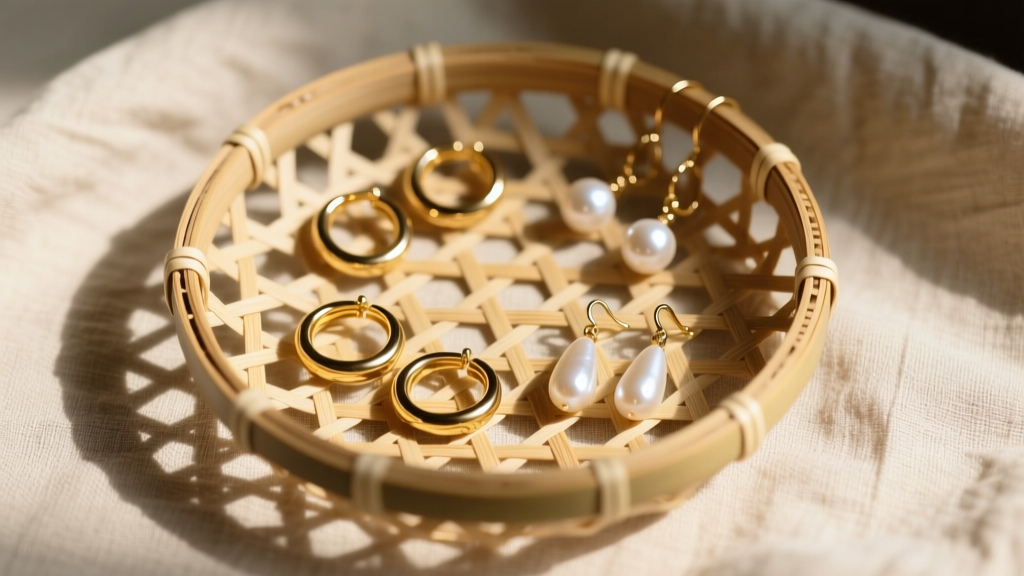
The Hidden Cost of Poor Earring Storage
When building a curated jewelry collection, enthusiasts often allocate their entire budget to the pieces themselves while neglecting the infrastructure required to protect them. A bent 20-gauge French wire, a lost silicone stopper, or a micro-pave diamond dangle scratched by a heavier hoop are all common casualties of improper storage. In 2026, the Gemological Institute of America (GIA) continues to emphasize that improper environmental exposure and physical abrasion are the leading causes of preventable jewelry degradation. Enter the crochet earring holder: a visually appealing, highly functional storage solution that has surged in popularity. But does the aesthetic charm translate to genuine protective value, or is it merely a trendy desk accessory? This comprehensive budget and value assessment breaks down the true ROI of crochet earring organizers.
Anatomy of a Crochet Earring Holder
Before assessing value, we must understand the engineering of these holders. A standard crochet earring organizer consists of two primary components:
- The Frame: Typically a rigid circular hoop ranging from 6 to 12 inches in diameter. Materials include natural bamboo, laser-cut birch wood, or injection-molded acrylic.
- The Mesh: A hand-crocheted or machine-knitted netting stretched across the frame. The gap size (the 'negative space' between stitches) usually measures between 3mm and 6mm, which is the critical metric for earring compatibility.
The tension of the mesh is what dictates the holder's lifespan. If the yarn lacks structural integrity, the center sags under the weight of heavy chandelier or drop earrings, causing pieces to slide toward the middle and tangle.
Budget vs. Premium: 2026 Pricing Tiers Breakdown
The market for crochet earring holders is highly fragmented, ranging from mass-produced imports to artisan-crafted boutique pieces. Below is a comparative analysis of the current pricing landscape and what you actually get for your money.
| Tier | Price Range | Frame Material | Yarn Type | Best For | Durability Score |
|---|---|---|---|---|---|
| Budget (Mass-Market) | $6 - $12 | Thin Acrylic / Plastic | Standard Acrylic Blend | Lightweight studs, small hoops | 3/10 |
| Mid-Range (Etsy/Artisan) | $15 - $28 | Sanded Bamboo / Pine | Mercerized Cotton | Everyday wear, French wires, dangles | 7/10 |
| Premium (Boutique) | $35 - $65+ | Hardwood / Brass Ring | Organic Pima Cotton / Linen | Heavy statement pieces, heirloom jewelry | 9/10 |
Material & Durability Assessment: The Yarn Factor
The most critical point of failure in any crochet earring holder is the yarn. Not all yarn is created equal, and the material directly impacts both the longevity of the holder and the safety of your earrings.
Acrylic Yarn (The Budget Trap)
Budget holders almost exclusively use standard acrylic yarn. While cheap and available in vibrant colors, acrylic is essentially plastic. Over time, acrylic fibers stretch and fail to rebound, leading to severe center sagging. Furthermore, cheaper acrylic dyes can sometimes contain trace sulfur compounds. According to the Jewelers of America, sulfur is the primary catalyst for sterling silver tarnish. Storing your silver threaders or leverbacks on a low-grade acrylic mesh can accelerate oxidation, defeating the purpose of a dedicated organizer.
Mercerized Cotton (The Value Sweet Spot)
Mid-range holders utilize mercerized cotton. The mercerization process treats the cotton with sodium hydroxide, increasing its luster, strength, and affinity for dye without using harsh sulfur-based mordants. Mercerized cotton maintains high tension, keeping the mesh taut even when holding heavy brass or gold-plated dangle earrings. It is also significantly softer, reducing the risk of micro-scratches on high-polish metals.
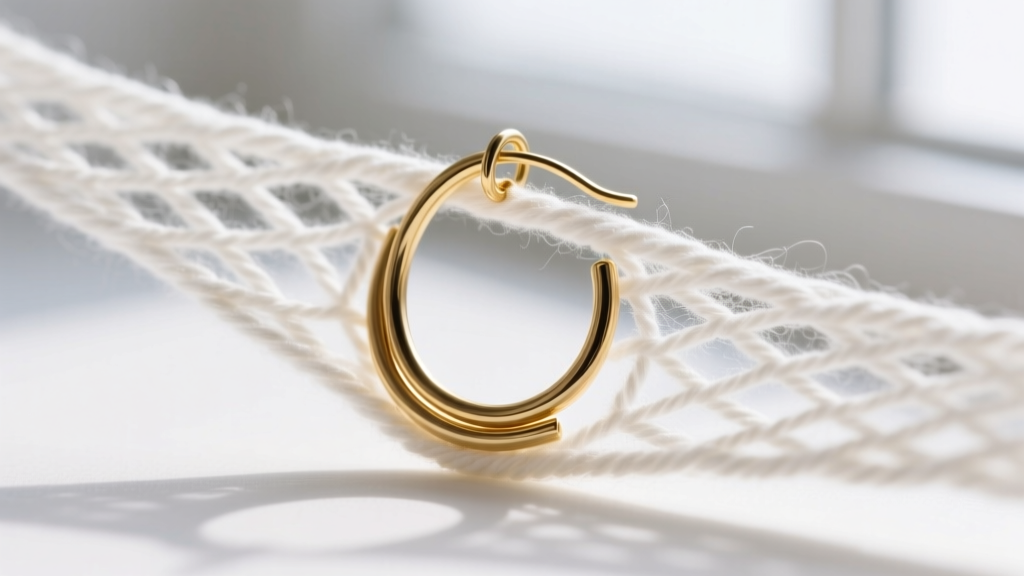
The "Snag Factor": Testing with Delicate Earrings
A major concern for collectors is whether the textured nature of crochet will snag delicate components. We tested various earring styles against a standard 4mm mercerized cotton mesh:
- Threader Earrings (22-gauge): The ultra-thin chains of threader earrings can easily catch on fuzzy yarn fibers. Verdict: High snag risk on acrylic; low risk on smooth mercerized cotton.
- Fishhook / French Wires (20-gauge): The open loop of the wire glides through the 4mm gaps effortlessly. Verdict: Excellent compatibility.
- Micro-Pave Drops: The tiny prongs holding micro-pave stones can catch on loose yarn pills. Verdict: Requires a tightly crocheted, well-maintained mesh to prevent prong snagging.
Crochet vs. Traditional Organizers (Value Comparison)
How does the crochet earring holder stack up against traditional storage methods when evaluating pure value and utility?
"Proper jewelry storage is not just about organization; it is about minimizing environmental exposure and physical contact between disparate metals and gemstones." — American Gem Society (AGS)
1. Crochet Hoops vs. Velvet Jewelry Rolls
Velvet Rolls: Excellent for preventing tarnish and scratching, as the enclosed environment limits air exposure. However, they are terrible for visibility. You cannot see your collection at a glance, and inserting French wires into tight velvet slits can bend the 20-gauge metal over time.
Crochet Holders: Offer 360-degree visibility and zero insertion resistance. However, they leave jewelry exposed to ambient humidity and airborne sulfur, meaning silver pieces will require more frequent polishing.
2. Crochet Hoops vs. Acrylic Block Stands
Acrylic Blocks: Highly durable and easy to clean. The laser-drilled holes provide secure storage for post earrings. The major flaw? They are virtually useless for dangles, chandeliers, or large hoops, which end up resting on the acrylic surface, risking stone abrasion.
Crochet Holders: Far superior for dangles and hoops, allowing them to hang freely without touching a hard surface. They are less effective for standard post studs, which tend to slip through the mesh gaps unless secured with a large silicone back.
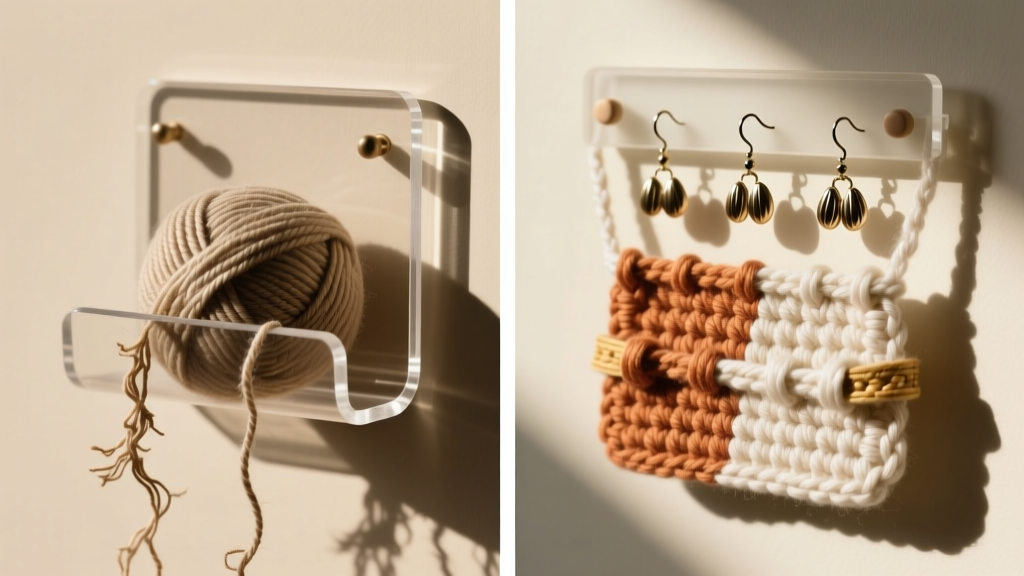
Maintenance and Care for Maximum ROI
To ensure your crochet earring holder delivers long-term value, proper maintenance is required. Dust and skin oils from handling your earrings will inevitably transfer to the yarn mesh.
For cotton-based holders, gently hand-wash the mesh every 3 to 4 months using a mild, phosphate-free baby shampoo and lukewarm water. Never use harsh detergents or bleach, as the residual chemicals can off-gas and react with copper alloys or silver. Allow the holder to dry completely flat in a well-ventilated area before re-hanging your jewelry. For bamboo or wooden frames, apply a micro-drop of mineral oil to the wood once a year to prevent warping and splintering, which could otherwise catch on delicate jewelry chains.
Final Verdict: Who Should Invest in Crochet Storage?
The crochet earring holder is not a universal replacement for a sealed, anti-tarnish jewelry box, but it is an unparalleled daily staging and display solution. If your collection consists primarily of lightweight studs, a budget acrylic model ($8-$12) will suffice. However, if you frequently wear 20-gauge French wires, leverbacks, or delicate dangles, investing in a mid-range to premium holder ($20-$45) featuring a rigid bamboo frame and mercerized cotton mesh provides exceptional value. It prevents the physical bending of wires, eliminates the frustration of untangling chains, and turns your daily accessory selection into a visually pleasing ritual. Ultimately, the value of a crochet earring holder is measured not just in the cost of the organizer, but in the extended lifespan and pristine condition of the earrings it protects.


