Crochet Hoop Earrings: A 2026 Budget & Value Guide
Discover the true value of crochet hoop earrings in 2026. We break down pricing, material grades, and artisan labor costs to help you buy smart.

The Rise of Crochet Hoop Earrings in Artisan Jewelry
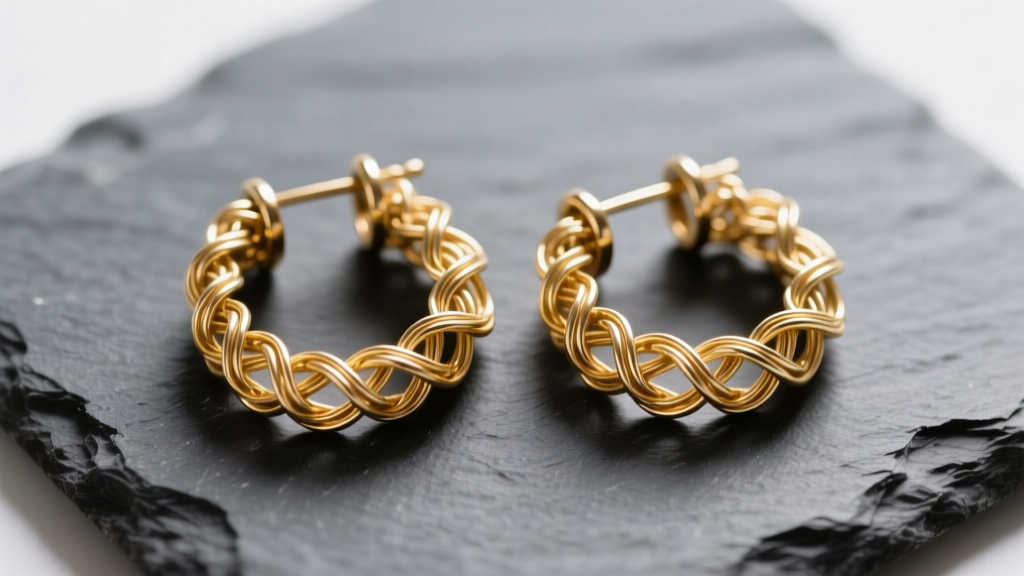
In the contemporary jewelry market of 2026, crochet hoop earrings have transcended their bohemian roots to become a staple of refined artisan craftsmanship. However, the term 'crochet' in jewelry design encompasses two vastly different techniques: fine wire crochet (often adapted from traditional Viking knit methods) and textile fiber crochet using mercerized cotton or silk threads. For the discerning buyer, understanding the distinction between these methods is the first step in accurately assessing budget and value. Mass-market retailers have flooded the market with die-cast imitations that mimic the woven look of crochet, making it increasingly difficult to identify genuine hand-woven pieces. This comprehensive guide breaks down the metallurgy, labor economics, and structural integrity of authentic crochet hoops to ensure your investment aligns with the true cost of artisanal production.
Material Breakdown: What Justifies the Price Tag?
The foundation of any high-quality pair of crochet hoop earrings lies in the raw materials. Whether the artisan is weaving metal or thread, the base armature and the weaving medium dictate both the longevity and the price point of the final piece.
Wire Crochet: Gauges, Tempers, and Alloys
Authentic wire crochet requires highly specific metallurgical properties. Artisans typically utilize 26-gauge to 28-gauge wire. Crucially, the wire must be in a 'dead-soft' temper. If a jeweler attempts to crochet with half-hard or hard wire, the repetitive bending around the tiny steel crochet hook (often 0.6mm to 0.8mm in diameter) will cause rapid work-hardening. This leads to microscopic fractures, resulting in wire that snaps either during construction or shortly after the customer begins wearing it. According to jewelry supply experts at Fire Mountain Gems, sourcing high-quality dead-soft wire in hypoallergenic alloys like niobium, argentium silver, or 14k gold-filled significantly drives up material costs but is non-negotiable for ear-safe jewelry.
Fiber and Thread Crochet
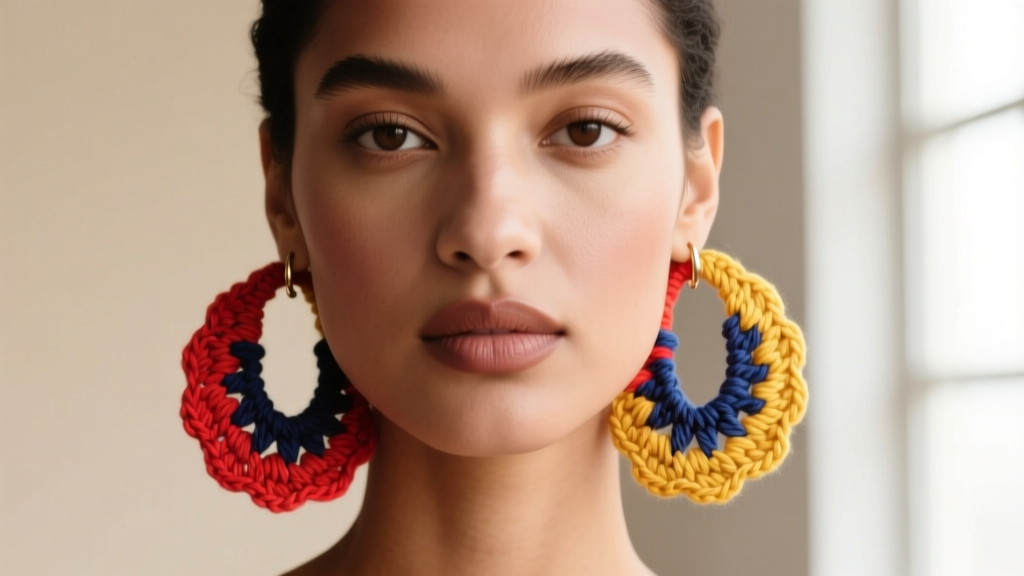
For textile-based crochet hoops, the value is determined by the thread's tensile strength and resistance to environmental degradation. Premium artisans use mercerized cotton or pure mulberry silk. Mercerization is a chemical process involving a sodium hydroxide bath that swells the cotton fibers, increasing their luster, dye affinity, and resistance to the pilling that plagues standard craft cotton. Silk offers an unparalleled luxurious drape but requires meticulous care, as the protein fibers will rapidly degrade when exposed to the acidic pH of human sweat and cosmetic oils.
2026 Pricing Tiers: Mass-Produced vs. Artisan Handmade
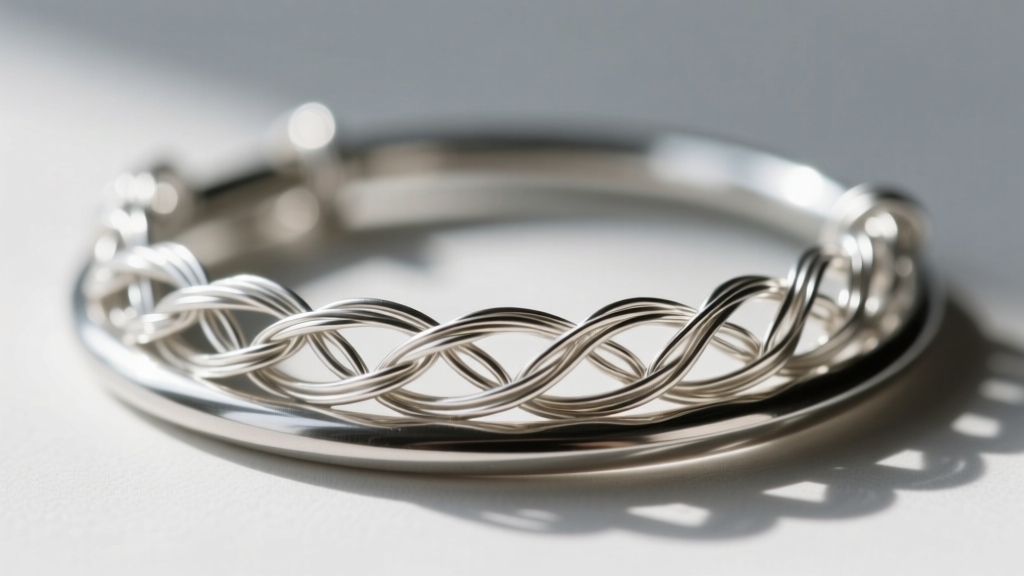
Evaluating the fairness of a price tag requires an understanding of the labor involved. Hand-weaving wire or thread over a three-dimensional hoop armature is a painstakingly slow process. A skilled wire-weaver typically spends 45 to 90 minutes per pair, meaning the labor cost alone—before factoring in materials, overhead, and retail markup—can easily exceed $30. Below is a structured assessment of the current market tiers.
| Market Tier | Material Quality | Estimated Labor | Fair 2026 Price Range | Common Red Flags |
|---|---|---|---|---|
| Mass-Market / Fast Fashion | Plated brass, synthetic nylon thread | 0 mins (Machine die-cast) | $12 - $24 | Uniform 'stamped' weave patterns, heavy weight, nickel allergies |
| Entry-Level Artisan | Sterling silver wire, standard cotton | 30 - 45 mins | $35 - $55 | Inconsistent tension, basic latch-back clasps that snag hair |
| Master Artisan / Fine Jewelry | 14k Gold-filled, Argentium, Silk | 60 - 120 mins | $75 - $160+ | None if accompanied by a maker's mark and proper care instructions |
True artisan wire crochet cannot be replicated by machines. If you see perfectly uniform, laser-stamped 'crochet' patterns on a $15 pair of hoops, you are looking at die-cast metal, not hand-woven wire. Authentic hand-weaving will always feature microscopic, organic variations in loop tension.
Durability and Common Failure Modes
While crochet hoop earrings are visually stunning, their intricate matrices introduce unique structural vulnerabilities. Understanding these failure modes is essential for assessing long-term value and setting proper expectations for daily wear.
- The Snag-and-Pull Effect (Wire): Because wire crochet relies on a continuous chain of interlocking loops, catching a single 28-gauge loop on a coarse knit sweater can pull the entire matrix out of alignment. Unlike a broken cast chain, a distorted wire crochet weave is nearly impossible to reshape perfectly without annealing the metal.
- Clasp Fraying (Fiber): In thread crochet hoops, the highest point of friction occurs where the fiber wraps around the metal clasp mechanism. Over time, the sharp edges of a poorly finished lever-back clasp will act like a saw, fraying the cotton or silk threads until the hoop detaches.
- Tarnish Trapping: The dense, overlapping nature of the crochet weave creates hundreds of tiny crevices that trap humidity, lotions, and dead skin cells. This accelerates the oxidation of sterling silver, making deep cleaning difficult without an ultrasonic cleaner, which can sometimes loosen bead inclusions woven into the design.
How to Evaluate Value Before You Buy
When shopping for crochet hoop earrings from independent jewelers on platforms like Etsy or at local craft guilds, utilize this actionable checklist to verify the quality and justify the investment. Resources from the Wire Sculpture community emphasize that the finishing details are where true masters separate themselves from hobbyists.
The Buyer's Inspection Checklist
- Inspect the Armature: Ask the seller what the base hoop is made of. If the woven exterior is gold-filled but the structural hoop underneath is raw brass or copper, the value is significantly diminished due to the high risk of contact dermatitis.
- Test the Clasp Integration: High-value pieces feature a 'wrapped' or 'woven' integration where the crochet pattern seamlessly transitions into the clasp wire. Glued end-caps or messy, bulky wire wraps at the closure point indicate rushed production.
- Evaluate the Weight: Authentic 26-gauge wire crochet is surprisingly lightweight and airy. If a pair of medium-sized wire hoops feels heavy and rigid, they are likely cast metal masquerading as woven wire.
- Check for Bead Integration: If the design includes seed beads or gemstones, ensure they are strung onto the wire *during* the crocheting process, not glued onto the finished weave. Beads woven into the matrix add significant structural integrity and value.
Final Verdict: Are They Worth the Investment?
From a strict budget perspective, crochet hoop earrings are not a 'cheap' accessory category. The immense labor hours required to hand-weave metal or high-grade fibers dictate a baseline price that fast fashion cannot ethically replicate. However, from a value assessment standpoint, a well-crafted pair from a master artisan offers unparalleled textural complexity and lightweight comfort that solid metal hoops simply cannot achieve. By prioritizing dead-soft hypoallergenic wires, mercerized threads, and seamless clasp integrations, buyers can secure heirloom-quality pieces that justify every dollar of their 2026 price tags.


