Earring Stickers Buying Guide: How to Choose Faux Studs
Discover the best earring stickers for sensitive skin. Our buying guide covers adhesive types, wear time, and top hypoallergenic faux stud options.

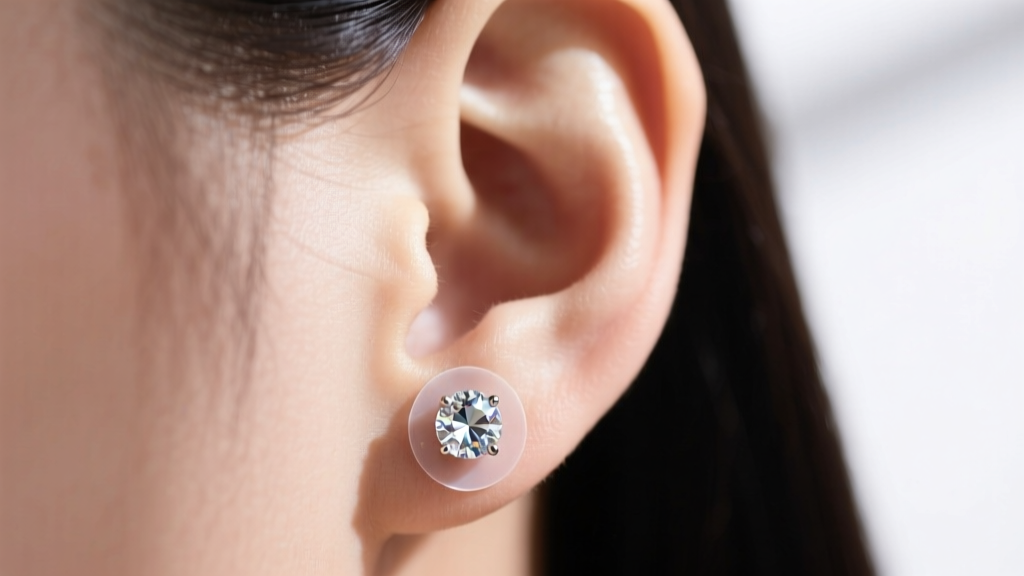
The Evolution of Adhesive Jewelry
In 2026, the faux piercing market has matured far beyond the cheap plastic toys of the past. Today, earring stickers represent a sophisticated category of adhesive jewelry, engineered for individuals who want the aesthetic of curated ear projects without the commitment, pain, or infection risks of traditional needle piercings. Whether you are navigating workplace restrictions on visible piercings, managing severe metal allergies, or simply testing a new cartilage layout before committing to a needle, high-end stick-on earrings offer a viable, temporary solution.
However, not all adhesive earrings are created equal. The difference between a premium faux stud that lasts for 48 hours and a cheap alternative that falls off in ten minutes lies in the chemical composition of the adhesive, the weight distribution of the base plate, and the dermatological safety of the materials used. This comprehensive buying guide will dissect the anatomy of earring stickers, providing you with the exact specifications needed to make an informed purchase.
Decoding the Adhesive Interface
The most critical component of any stick-on earring is the adhesive layer. The skin on the ear, particularly around the helix and tragus, produces natural sebum and sheds dead skin cells, creating a challenging environment for long-term adhesion. When shopping for earring stickers, you will generally encounter three types of adhesive technologies.
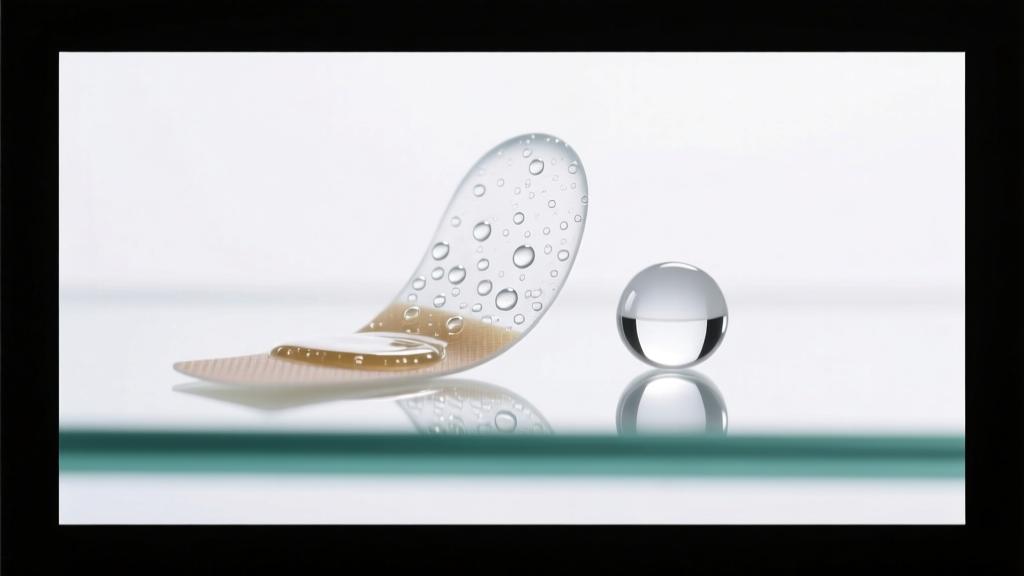
1. Medical-Grade Silicone Gel Pads
The gold standard for reusable faux piercings. These pads utilize a soft, tacky silicone gel that grips the microscopic textures of the skin without bonding chemically. They are breathable, allowing moisture vapor to escape, which prevents skin maceration (the white, wrinkled skin caused by trapped moisture). Silicone pads can be washed with mild soap and reused up to 15 times.
2. 3M Double-Sided Medical Tape
Often used for single-use or short-term wear (12 to 24 hours), these thin acrylic foam tapes provide a strong initial bond. They are highly effective for flat lobe placements but struggle on curved cartilage surfaces like the daith or rook. While safe for most, prolonged use of acrylic adhesives can trigger contact dermatitis in highly sensitive individuals.
3. Liquid Cyanoacrylate (Skin Glues)
Avoid these at all costs. Some ultra-cheap, unbranded stick-on earrings include tubes of liquid skin glue. Cyanoacrylate traps moisture against the epidermis, creates a rigid bond that tears the stratum corneum upon removal, and frequently causes severe allergic reactions. According to the American Academy of Dermatology, acrylates are a leading and rapidly growing cause of allergic contact dermatitis.
| Adhesive Type | Composition | Max Wear Time | Water Resistance | Reusability |
|---|---|---|---|---|
| Silicone Gel Pad | Medical-grade silicone | 48 - 72 Hours | Moderate (Sweat-proof) | High (10-15 uses) |
| Medical Tape | Acrylic foam / PU | 12 - 24 Hours | Low (Avoid water) | Single-use |
| Liquid Glue | Cyanoacrylate | 24 - 48 Hours | High | None (Damages skin) |
Base Plate Materials and Weight Distribution
Unlike a traditional earring where a post distributes weight through the fistula (the piercing hole), an earring sticker relies entirely on surface area friction. Therefore, the base plate must be perfectly flat, lightweight, and hypoallergenic.
- ASTM F136 Titanium Base Plates: The premium choice. Titanium is entirely nickel-free and biocompatible. High-end faux studs use ultra-thin titanium discs (usually 4mm to 6mm in diameter) that provide a rigid, flat surface for the adhesive to bond to the skin without bending.
- 316L Surgical Steel: Acceptable for short-term wear, but be aware that 316L steel contains trace amounts of nickel. If you have a known nickel allergy, the sweat trapped beneath the adhesive pad can leach nickel ions, triggering a localized reaction.
- ABS Plastic / Resin: Often used for large, statement faux hoops or ear cuffs. Plastic is lightweight, which is crucial for adhesive longevity, but it lacks the structural rigidity of metal, meaning the base may flex and break the adhesive seal if bumped.
Navigating Contact Dermatitis
Even if the decorative front of the earring is 14k gold, the base plate resting against your skin dictates your allergic response. The Mayo Clinic notes that prolonged occlusion (covering the skin with an airtight adhesive) increases the penetration rate of potential allergens. Always verify that the base plate, not just the decorative gem, is certified hypoallergenic or coated in a biocompatible barrier like Parylene-C.
Placement Guide: Lobe vs. Cartilage Stick-Ons
The anatomy of your ear dictates which earring stickers will actually stay in place. Gravity and natural ear movement are the enemies of adhesive jewelry.

The Earlobe (High Success Rate)
The lobe provides a broad, relatively flat, and fleshy canvas. You can successfully wear heavier stick-on studs here, up to 4 or 5 grams. Dangle-style adhesive earrings are viable for the lobe, provided the base plate is at least 6mm wide to distribute the pendulum weight.
The Helix and Tragus (Moderate Success Rate)
Cartilage is rigid and often curved. A flat metal base plate will only make contact with the skin on its edges if placed on a curved helix ridge, leading to immediate peeling. For cartilage, look for earring stickers featuring flexible polyurethane base pads that can contour to the ear's natural topography. Keep the weight strictly under 2 grams.
The Conch and Daith (Low Success Rate)
Deep inner-ear placements are prone to friction from hair, headphones, and phone receivers. Furthermore, the concave nature of the conch makes it difficult for standard flat adhesive pads to maintain a vacuum seal. We recommend magnetic faux piercings rather than stickers for these specific anatomical zones.
Application, Wear Time, and Safe Removal
To achieve the maximum advertised wear time from your earring stickers, proper skin preparation is non-negotiable. The natural oils on your ear will dissolve acrylic and silicone adhesives within hours if not properly removed prior to application.
- Prep: Wipe the target area with a 70% isopropyl alcohol pad. Allow it to air dry completely. Do not apply lotions, hair oils, or serums near the ear beforehand.
- Apply: Use tweezers to handle the adhesive pad. The oils from your fingertips will compromise the sticky side of the pad before it even touches your ear.
- Bond: Press the earring firmly against the skin for 30 seconds. The heat and pressure activate the tackiness of medical-grade silicones.
Expert Removal Tip: Never rip an adhesive earring off dry, as this can strip the stratum corneum and cause micro-tears. Instead, saturate a cotton swab in pure jojoba oil or squalane oil and trace the perimeter of the base plate. The oil will break down the adhesive's surface tension, allowing the earring to slide off effortlessly without traumatizing the skin.
Final Verdict: Building Your Faux Piercing Kit
When investing in earring stickers, prioritize brands that explicitly list their adhesive chemistry and base plate metallurgy. Avoid unbranded, bulk-packaged stick-on earrings from fast-fashion marketplaces, as they frequently utilize unregulated industrial glues. For a reliable, skin-safe faux piercing experience, seek out reusable silicone-gel pads paired with ASTM F136 titanium base plates. By understanding the interplay between skin chemistry, weight distribution, and adhesive technology, you can curate a stunning, temporary ear project that survives the demands of daily life.


