Cross Drop Earrings: A Beginner's Guide to Styling & Care
Discover everything about cross drop earrings: from ideal gauge sizes and hypoallergenic metals to face-shape styling and secure backings.

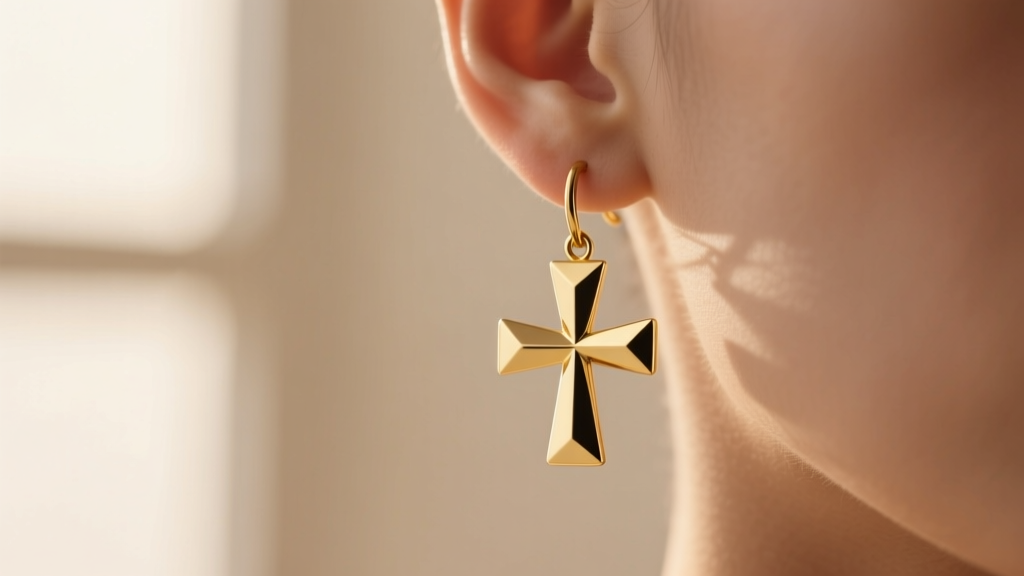
What Exactly Are Cross Drop Earrings?
For those just entering the world of curated ear styling, cross drop earrings represent a perfect middle ground between the subtlety of a stud and the dramatic flair of a chandelier earring. Unlike standard dangles that swing freely from a single point, a true drop earring features a focal element—in this case, a cross motif—that hangs just below the earlobe, typically moving very little. This design creates a striking vertical line that draws the eye downward, elongating the neck and framing the jawline.
Whether you are drawn to the spiritual symbolism of the cross or simply appreciate the geometric intersection of its lines, understanding the mechanics, materials, and styling nuances of these earrings is essential for comfortable, long-term wear. This beginner-friendly explainer will break down exactly what you need to know before making your first purchase.
The Anatomy of a Quality Cross Drop
Not all drop earrings are constructed equally. When evaluating cross drops, you must look beyond the aesthetic and examine the structural engineering. The most critical point of failure in drop earrings is the connection point between the post and the cross motif.
Jump Rings and Soldering
High-quality cross drops utilize a soldered jump ring to connect the cross to the earring post. If the ring is merely bent shut (unsoldered), the constant friction of putting the earring on and taking it off will eventually warp the metal, causing the cross to slide off and become lost. Always inspect the connection point; a seamless, soldered ring is a hallmark of fine jewelry craftsmanship.
Post Gauge and Weight Distribution
The thickness of the earring post, measured in gauge (G), dictates how much weight your earlobe can safely support. Standard lobe piercings are typically 20G (0.81mm) or 18G (1.02mm).
- Under 5 grams: A 20G post is perfectly safe for lightweight, delicate cross drops.
- 5 to 12 grams: You must upgrade to an 18G post. Thinner posts on heavier drops will cause the dreaded 'cheese cutter effect,' where the metal slowly slices through the earlobe tissue over time.
- Over 12 grams: Avoid for standard lobe piercings unless the earring features a specialized ear jacket or support chain to distribute the weight across the cartilage.
Material Matters: Avoiding Allergies and Tarnish
Because cross drop earrings sit prominently on the face, skin contact is constant. Choosing the right metal prevents contact dermatitis and the infamous 'green ear' effect. According to the American Academy of Dermatology, nickel is the most common culprit for jewelry allergies, often hidden in cheap alloys and even some 'surgical steels.'
| Material | Nickel-Free? | Durability & Notes | Price Range |
|---|---|---|---|
| Implant-Grade Titanium (ASTM F136) | Yes | The gold standard for sensitive ears. Lightweight, hypoallergenic, and highly resistant to corrosion. | $30 - $80 |
| 14k Solid Gold | Usually* | Excellent durability. *Note: White gold often contains nickel; yellow and rose gold are generally safer but check with the jeweler. | $150 - $400 |
| 18k Solid Gold | Usually* | Softer than 14k, richer color. Best for lightweight crosses to prevent bending. | $250 - $800+ |
| Gold Vermeil | Yes (if Sterling base) | Must have a minimum 2.5-micron thickness of gold over sterling silver. Will eventually wear off with heavy use. | $60 - $150 |
| Surgical Steel | No | Often contains 8-12% nickel. Avoid if you have known metal sensitivities. | $15 - $40 |
Styling Framework: Matching Cross Drops to Face Shapes
The vertical orientation of cross drop earrings makes them a powerful tool for balancing facial proportions. Here is a practical decision framework for selecting the right silhouette:
- Round Faces: Opt for elongated, slender cross drops (1.5 to 2.5 inches in length). The sharp vertical line creates an optical illusion that lengthens the face and slims the cheeks. Avoid wide, chunky crosses.
- Square Faces: Choose crosses with softened, rounded edges or incorporating small gemstone halos. A medium-length drop (1 to 1.5 inches) helps soften a strong jawline without adding harsh geometric angles.
- Oval Faces: The universal shape. You can comfortably wear any style, from minimalist micro-drops to ornate, gem-encrusted cathedral crosses.
- Heart-Shaped Faces: Look for 'inverted' or bottom-heavy cross designs, such as a cross with a larger teardrop gemstone at the base. This adds visual weight to the lower half of the face, balancing a narrower chin.

Securing Your Earrings: Backings That Actually Work
A common beginner mistake is pairing a heavy drop earring with a standard butterfly clutch. The weight of the cross will cause the earring to droop forward, and the smooth post can easily slip out of a cheap backing. Upgrade your hardware to secure your investment:
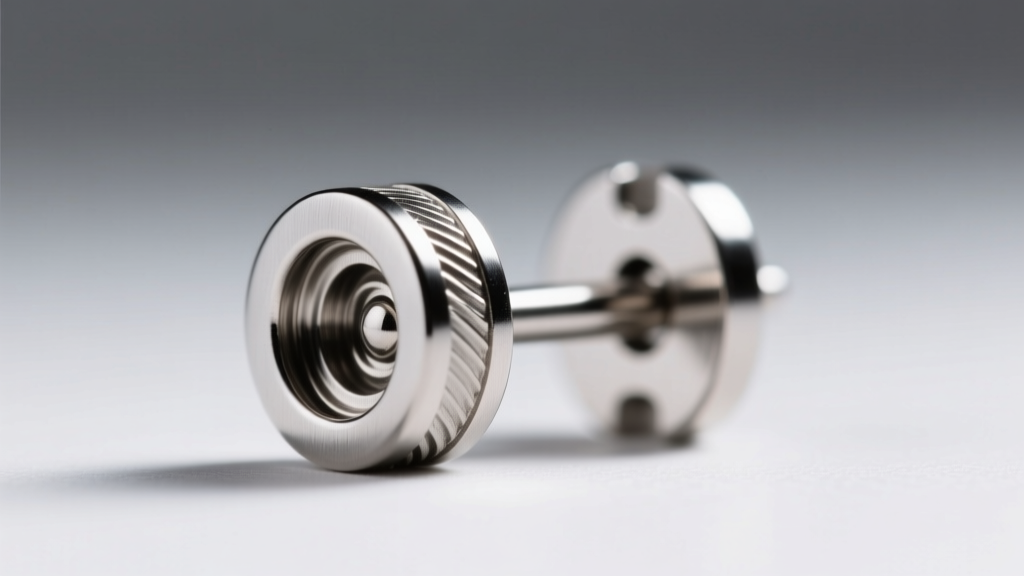
- La Pousette Backs: These mechanical locking backs feature a tiny internal spring and groove system. They click securely into place on the post and will not slide off accidentally. They are the professional standard for fine jewelry drops.
- Silicone O-Rings: A budget-friendly, high-friction alternative. The rubber grips the post tightly, preventing drooping and loss, though they need to be replaced every few months as the silicone degrades.
- Screw-Backs: The earring post is threaded, and the backing screws on. Highly secure, but ensure the threading does not irritate your piercing channel when inserting.
Care and Maintenance Routine
Cross drop earrings, especially those with intricate detailing or gemstone settings, trap oils, lotions, and dead skin cells at the connection points. Proper maintenance ensures the metal retains its luster and the moving parts do not seize up.
Expert Tip: Never use harsh chemical dips or toothpaste on your gold or gemstone cross drops. These abrasives will strip the polish and dull the metal permanently.
For routine cleaning, the Gemological Institute of America (GIA) recommends a simple, non-invasive approach. Mix a few drops of mild, phosphate-free dish soap into a bowl of warm distilled water. Let your earrings soak for 15 minutes to loosen debris. Use a brand-new, ultra-soft baby toothbrush to gently sweep the crevices where the cross meets the jump ring. Rinse thoroughly with distilled water (tap water can leave hard water spots) and dry completely with a lint-free microfiber cloth before storing them in an anti-tarnish pouch.
By understanding the structural requirements, material grades, and styling geometry of cross drop earrings, you can confidently select pieces that are not only visually stunning but also comfortable and built to last a lifetime.


