Cubic Z Earrings Buying Guide: What to Look For & Avoid
Discover our expert buying guide for cubic z earrings. Learn how to grade CZ stones, choose hypoallergenic metals, and avoid common jewelry traps.

The Science of the Stone: Decoding CZ Grades
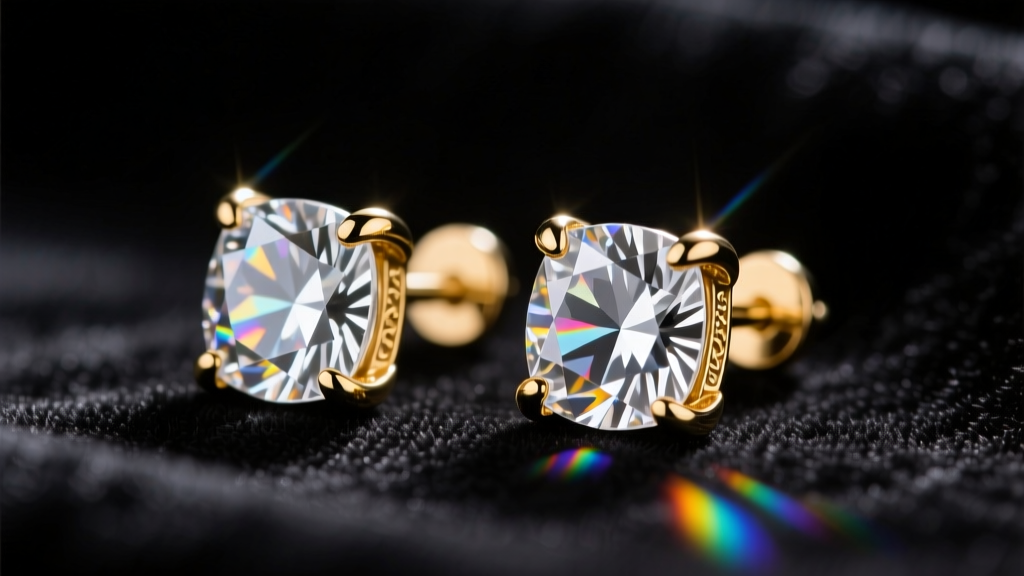
When navigating the market for cubic z earrings, the first hurdle is understanding that not all synthetic stones are created equal. Cubic zirconia (CZ) is a synthesized crystalline material that serves as the premier diamond simulant, but its optical performance relies entirely on the precision of its cut and the purity of its chemical composition. According to the Gemological Institute of America (GIA), CZ has a refractive index of 2.15 to 2.18, which is slightly lower than a diamond's 2.42, but it boasts a higher dispersion rate (0.058-0.066). This means high-quality CZ actually exhibits more "fire" (rainbow-colored light flashes) than a natural diamond.
To capitalize on this optical potential, manufacturers grade CZ stones on an "A" scale. When shopping for cubic z earrings in 2026, you will primarily encounter three tiers:
- 3A (AAA) Grade: The entry-level standard. These stones often have slight internal clouding, uneven faceting, and a noticeable grey or yellow undertone. They are typically found in fast-fashion jewelry priced under $15.
- 5A (AAAAA) Grade: The pinnacle of CZ manufacturing. These stones are cut to exact diamond proportions (such as the Tolkowsky Ideal Cut) to maximize light return. They possess VVS-level clarity equivalents and are completely colorless (D-E color range). Always look for 5A certification when investing in statement cubic z earrings.
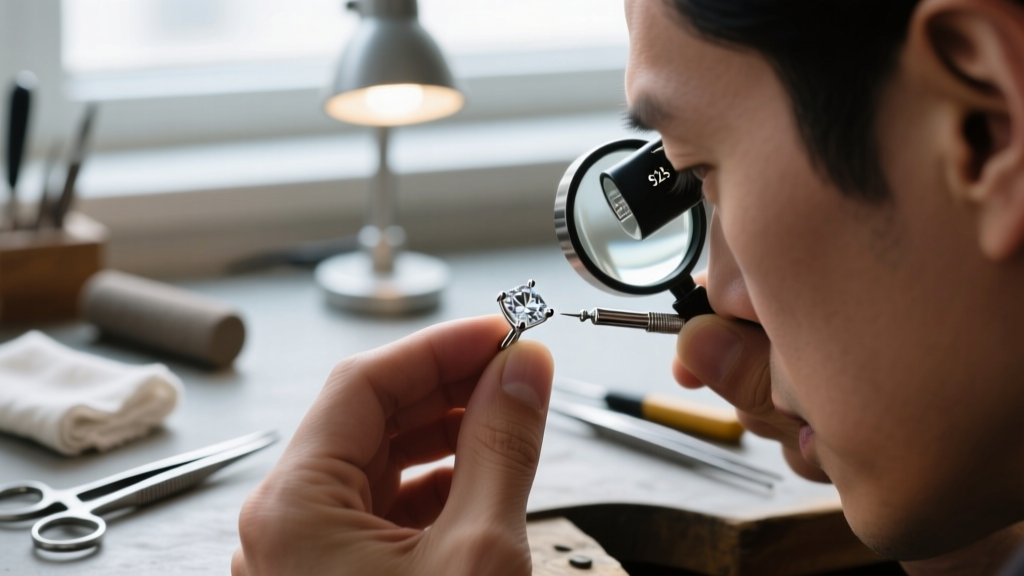
- Hearts and Arrows (H&A) Cut: A specialized subset of 5A CZ, H&A stones are cut with such extreme precision that they display a distinct eight-heart pattern from the bottom and an eight-arrow pattern from the top when viewed through a specialized loupe. This is the closest you can get to a super-ideal diamond simulant.
The Metal Matrix: What Holds Your Cubic Z Earrings?
The most common failure point in fashion jewelry is not the stone, but the metal base. Because CZ is an affordable material, manufacturers often pair it with cheap alloys to keep margins high. This is where you must exercise extreme vigilance. According to the Federal Trade Commission (FTC) Jewelry Guides, metal stamping and plating disclosures are strictly regulated, yet many overseas manufacturers bypass these rules.
The Brass and Nickel Trap
Many low-tier cubic z earrings are cast in brass and plated with a microscopically thin layer of rhodium or gold. To ensure the plating adheres to the brass, manufacturers use a "flash" layer of nickel. Nickel is a potent contact allergen. If you experience itching, redness, or weeping on your earlobes after wearing new earrings, you are likely reacting to the nickel flash layer wearing through. Always look for explicit "Nickel-Free" or "EU REACH Compliant" labels.
The Gold Standard: Vermeil and Solid Silver
For premium cubic z earrings, demand a base of solid 925 sterling silver. If you prefer gold, seek out Gold Vermeil (pronounced ver-may). By definition, vermeil must consist of a 925 sterling silver base plated with a minimum of 2.5 microns of 10k, 14k, or 18k gold. In 2026, top-tier jewelry brands are pushing this to 3.0 or even 4.0 microns for enhanced longevity. Avoid standard "gold-plated" earrings, which typically use a brass base and less than 0.5 microns of gold, guaranteeing the plating will rub off within a month of daily wear.
Comparative Analysis: Price vs. Quality Tiers
Use this framework to determine if the cubic z earrings you are evaluating are priced fairly based on their material and stone grades.
| Tier | Stone Grade | Metal Base | Expected Price Range (Studs) | Longevity |
|---|---|---|---|---|
| Budget | 1A - 3A | Brass / Alloy | $8 - $20 | 1-3 Months |
| Mid-Tier | 4A | Silver-Plated Brass | $25 - $45 | 6-12 Months |
| Premium | 5A / H&A | Solid 925 Silver | $40 - $85 | 2-5 Years |
| Luxury | 5A / H&A | 14k/18k Gold Vermeil | $75 - $150+ | 5+ Years |
Setting Styles and Light Performance
The way a CZ stone is set dramatically alters its visual impact. Because CZ relies on light entering the crown, reflecting off the pavilion facets, and returning to the eye, the setting must not obstruct this path.
- Prong Settings: The optimal choice for solitaire cubic z earrings. Four or six prongs allow maximum light exposure from all angles, enhancing the stone's brilliance and fire.
- Bezel Settings: A metal rim encircles the stone's girdle. While this offers superior protection against chipping (a known vulnerability of CZ, which has imperfect cleavage), it blocks light from entering the sides, slightly reducing overall sparkle.
- Pavé Settings: Micro-CZ stones set closely together. Ensure the prongs holding these tiny stones are smooth and flush. Rough prongs in pavé settings will catch on hair and clothing, eventually loosening the stones.
Red Flags: Failure Modes and What to Avoid
Even the finest 5A cubic z earrings will degrade if subjected to specific environmental stressors. Understanding these failure modes will help you evaluate a brand's quality and care instructions.
1. The Clouding Effect (Oleophilic Attraction)
Unlike diamonds, which are lipophilic (attracting grease) but easily cleaned, CZ is highly oleophilic and tends to trap skin oils, lotions, and soap scum deep within its pavilion facets. Over time, this buildup creates a milky, cloudy appearance that mimics a low-grade stone. If a brand does not provide specific cleaning instructions for oil removal, consider it a red flag.
2. Mohs Scale Vulnerability
CZ ranks at 8.0 to 8.5 on the Mohs hardness scale. While this makes it harder than most metals and glass, it is softer than diamond (10), moissanite (9.25), and even everyday airborne quartz dust (7). If you store your cubic z earrings loosely in a jewelry box where they rub against other pieces or accumulate dust, the facet edges will eventually abrade, giving the stone a "fuzzy" or worn look under magnification.
Care Protocol: Keeping the Sparkle Alive
To maintain the optical brilliance of your cubic z earrings, implement a strict, low-impact maintenance routine. Avoid harsh chemical dips or chlorine exposure, which can degrade the metal plating and seep into the stone settings.
The Weekly Deep Clean
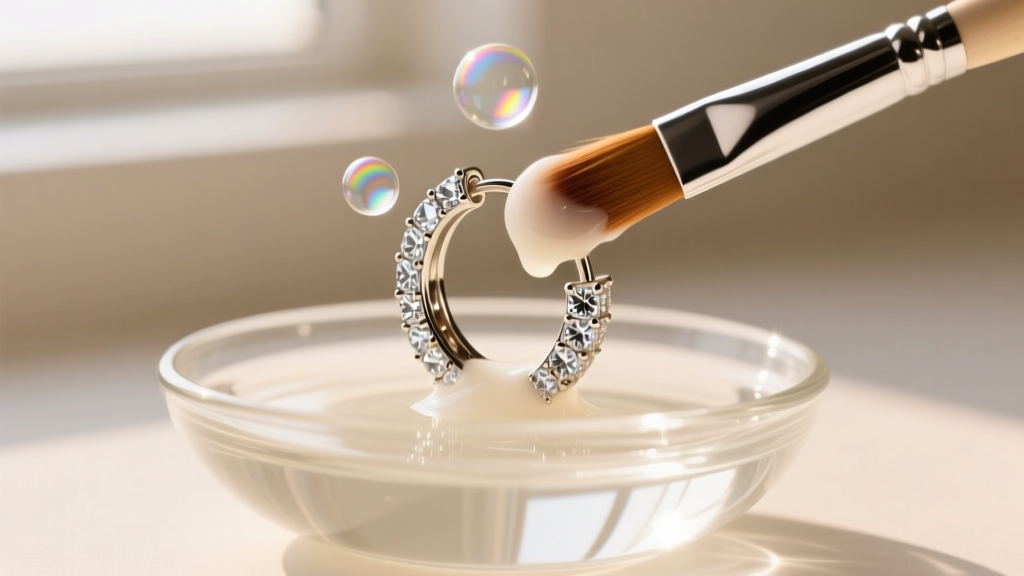
- Fill a small glass bowl with warm water and a few drops of mild, lotion-free dish soap (like Dawn).
- Soak the earrings for 10 to 15 minutes to loosen sebum and cosmetic buildup.
- Using a dedicated, ultra-soft baby toothbrush, gently brush the underside (pavilion) of the stones where oil accumulates.
- Rinse thoroughly under lukewarm running water.
- Pat dry with a lint-free microfiber cloth. Avoid paper towels, as the wood fibers can cause micro-scratches on the metal and the stone.
Expert Warning: While ultrasonic cleaners are excellent for solid gold and diamond jewelry, they can be highly destructive to gold vermeil and rhodium-plated cubic z earrings. The high-frequency vibrations can strip thin plating layers and shake loose the adhesives sometimes used in micro-pavé settings. Stick to manual, gentle cleaning methods.
Final Verdict: Investing in Simulated Brilliance
Buying cubic z earrings is not about settling for "cheap" jewelry; it is about making a calculated decision to prioritize optical fire and versatile styling without the exorbitant markup of mined gemstones. By demanding 5A graded stones, insisting on solid 925 silver or thick gold vermeil bases, and adhering to a proper cleaning protocol, your cubic z earrings will deliver diamond-like brilliance and remain a staple in your rotation for years to come.


