How to Style and Care for Small Flower Earrings in Ear Curations
Learn how to style, map, and maintain small flower earrings for lobe and cartilage piercings. Expert tips on metals, gauge sizes, and cleaning.

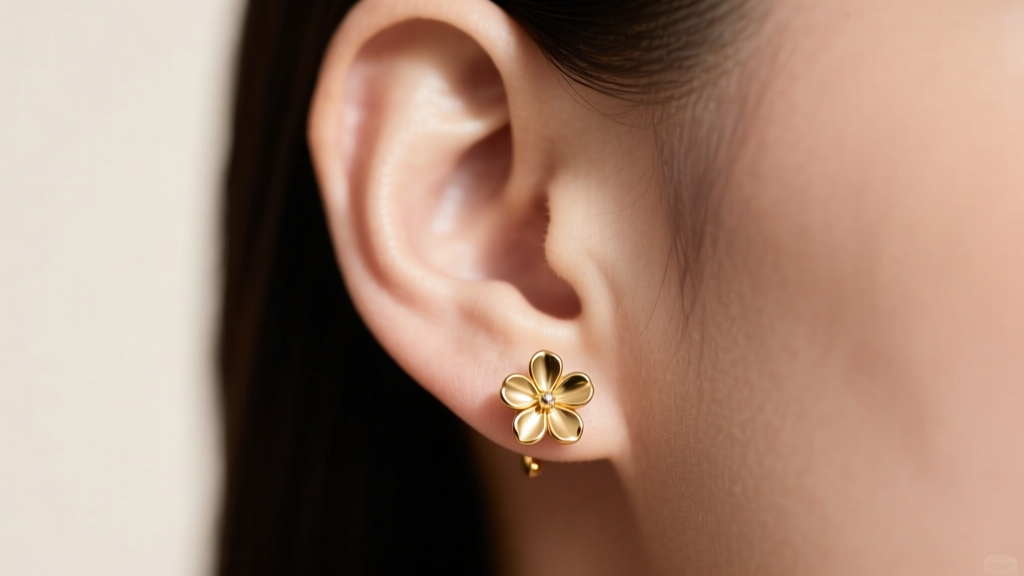
Building a cohesive ear curation requires a delicate balance of anatomy, metal safety, and aesthetic flow. Among the most versatile and enduring motifs in modern jewelry design are botanical elements. Specifically, small flower earrings offer a subtle, elegant touch that can bridge the gap between edgy cartilage placements and classic lobe piercings. However, styling floral pieces across multiple piercings involves more than just picking a pretty design; it requires a strategic approach to gauge sizing, post lengths, and material grades to prevent irritation and ensure longevity.
In this comprehensive guide, we will walk you through the exact steps to map, insert, and maintain small flower earrings in a multi-piercing setup. Whether you are working with freshly healed helixes or seasoned earlobes, these professional insights will help you cultivate a flawless floral ear curation.
The Anatomy of a Perfect Floral Ear Curation
A successful ear curation tells a visual story. When incorporating floral motifs, the goal is to create a sense of organic growth across the ear. Small flower earrings act as the "blooms" in this garden, but they must be balanced with complementary pieces like plain gold hoops, bezel-set gems, or subtle huggies to avoid looking overly costumey. The placement of these floral studs dictates how the eye travels from the lobe up to the outer helix and inward toward the tragus or conch.
Step 1: Mapping Your Piercings for Floral Motifs
Before purchasing your jewelry, map out your existing piercings and their respective gauge sizes. The earlobe typically accommodates standard 20-gauge (0.81mm) or 18-gauge (1.02mm) posts, while cartilage piercings like the helix, flat, and tragus are usually pierced at 16-gauge (1.29mm) or 18-gauge.
- The Lobe Cluster: Use slightly larger small flower earrings (6mm to 8mm in diameter) for the primary lobe piercing to anchor the look. Secondary and third lobes should feature progressively smaller floral studs (3mm to 4mm) to create a cascading effect.
- The Helix and Flat: Cartilage placements benefit from low-profile flower studs. High-set gems or tall enamel petals can snag on hair and headphones. Opt for bezel-set floral designs or flush-enamel flowers that sit flat against the skin.
- The Tragus: Because the tragus is a small, dense piece of cartilage, micro-flower earrings (2mm to 3mm) are essential here to prevent the jewelry from overlapping the ear canal.
Selecting the Right Metals and Gauges
Material safety is non-negotiable, especially when mixing metals in a single ear. The Association of Professional Piercers (APP) strictly recommends implant-grade materials for long-term wear. When shopping for small flower earrings, you will encounter various metal options. Understanding the differences will save you from allergic contact dermatitis and premature tarnishing.
| Material Grade | Pros | Cons | Price Range | Best Piercing Placement |
|---|---|---|---|---|
| Implant-Grade Titanium (ASTM F-136) | Hypoallergenic, lightweight, highly durable, won't tarnish. | Limited color options (usually anodized or plain silver tone). | $25 - $60 | Healing cartilage, sensitive lobes, tragus. |
| 14k or 18k Solid Gold (Nickel-Free) | Premium finish, heirloom quality, excellent for intricate floral casting. | Higher cost, softer metal (can scratch if 18k+). | $80 - $250+ | Healed lobes, helix, conch. |
| Sterling Silver (925) | Affordable, bright white luster. | Oxidizes/tarnishes, contains copper which can cause green skin or irritation. | $15 - $40 | Fully healed, non-sensitive lobes only. |
| Gold-Plated Brass/Copper | Very inexpensive, trendy designs. | Plating wears off quickly, high risk of nickel allergy and irritation bumps. | $5 - $20 | Not recommended for long-term wear. |
Crucial Gauge Warning: Never wear a 20-gauge small flower earring in a 16-gauge cartilage piercing. The thin wire will move excessively within the larger fistula (the piercing channel), leading to the "cheese cutter effect" where the jewelry slowly migrates through the tissue, or causing chronic irritation bumps. Always match your jewelry gauge to your piercing gauge.
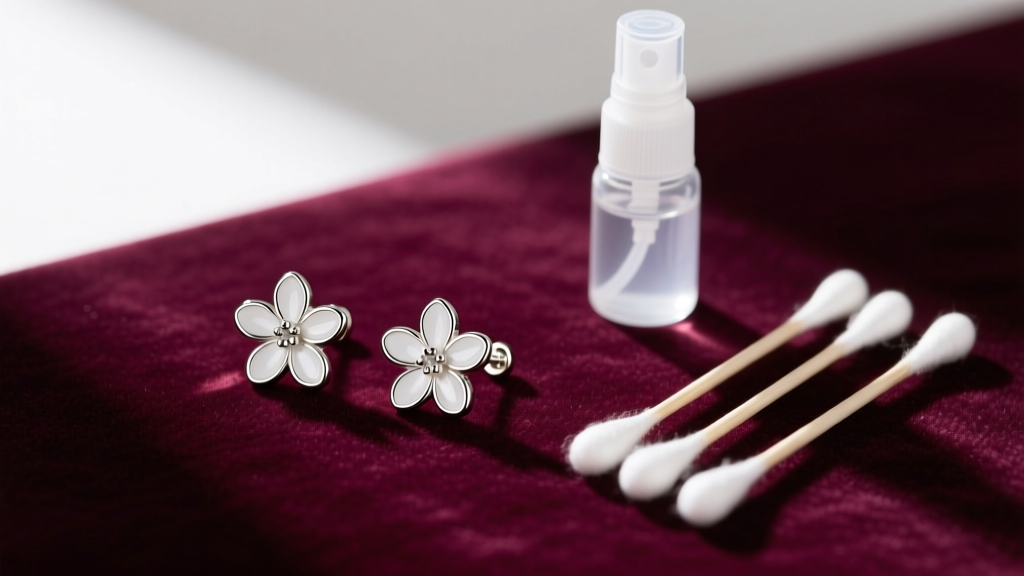
Step-by-Step: Inserting Threadless and Threaded Floral Studs
High-quality small flower earrings typically utilize either threadless (push-pin) or internally threaded mechanisms. Externally threaded jewelry (where the screw is on the post) damages the fistula upon insertion and should be avoided. Here is how to properly insert both professional-grade styles.
- Prepare the Area: Wash your hands thoroughly with antibacterial soap. Clean the front and back of your ear with a sterile saline spray (0.9% sodium chloride) and gently pat dry with a non-woven gauze.
- Inserting Threadless (Push-Pin) Florals: Threadless jewelry relies on tension. Insert the pin about one-third of the way into the hollow post, then bend the pin slightly (about a 10 to 20-degree angle) near the tip. Push the floral top all the way into the post until it is flush. The bent pin creates internal tension, locking the flower securely in place. To remove, grip the front and back firmly and pull apart with a twisting motion.
- Inserting Internally Threaded Florals: The screw is located inside the decorative flower top. Pass the smooth, unthreaded post through the piercing from the back of the ear. Once the post emerges from the front, align the threaded floral top and screw it on clockwise. Use a piece of latex glove material for grip if the small flower head is difficult to turn.
- Check the Post Length: For healed piercings, the post should sit flush against the skin without compressing the tissue. A standard healed lobe requires a 6mm post, while a healed helix usually requires a 5mm or 6mm post. If the post sticks out, it will catch on clothing; if it is too tight, it will restrict blood flow.
Troubleshooting Common Floral Earring Issues
- Irritation Bumps (Hypertrophic Scarring): If you notice a small, fleshy bump forming next to your flower stud, the post is likely too long, or the jewelry is catching on your pillow. Visit your piercer to downsize the post length and switch to a flat-back labret style.
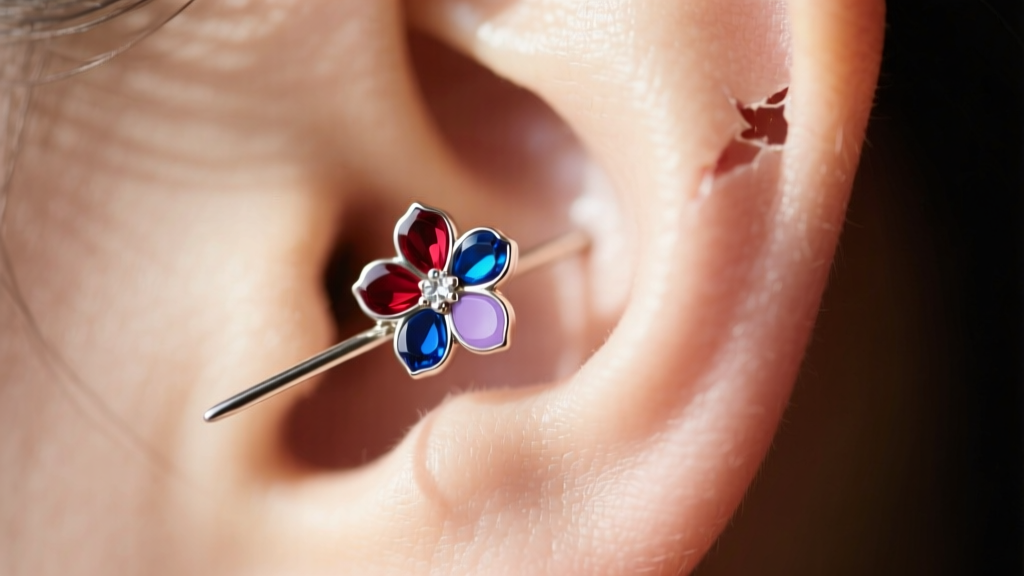
- Enamel Chipping: Many small flower earrings feature cold enamel (epoxy resin) or vitreous enamel (fired glass) for colorful petals. Cold enamel is prone to chipping if dropped on hard surfaces or exposed to harsh chemicals like rubbing alcohol. Always remove enamel florals before swimming in chlorinated pools.
- Loss of Tension in Threadless Pins: If your push-pin flower keeps falling out, the pin has likely straightened over time. Simply remove the top and re-bend the pin slightly more to restore the internal tension grip.
Daily Maintenance and Enamel Care
Maintaining the brilliance of your small flower earrings requires a gentle, consistent routine. According to Jewelers of America, botanical jewelry with intricate crevices can easily trap sebum, dead skin cells, and hair products, leading to dullness and localized skin irritation.
Once a week, remove your floral studs (if fully healed) and soak them in a small bowl of warm water with a drop of mild, fragrance-free dish soap for five minutes. Use an ultra-soft baby toothbrush to gently sweep away debris from between the petals and the gemstone settings. Rinse thoroughly with distilled water to prevent hard water spots, and dry completely with a microfiber cloth before reinserting.
Never use ultrasonic cleaners on small flower earrings that feature glued-in gemstones, pearls, or cold enamel. The high-frequency vibrations can shatter the adhesive bond, causing the delicate floral centers to fall out and be lost forever.
"A well-curated ear is a living canvas. Treat your botanical jewelry with the same care you would a real garden—gentle cleaning, proper environmental protection, and high-quality foundations are the secrets to lasting beauty."


