2026 Curated Ear Piercing Earrings: Trend Analysis & Setup Guide
Discover the 2026 trends for curated ear piercing earrings. Explore constellation setups, threadless mechanics, gauge guides, and luxury pricing.

The Evolution of the Curated Ear in 2026
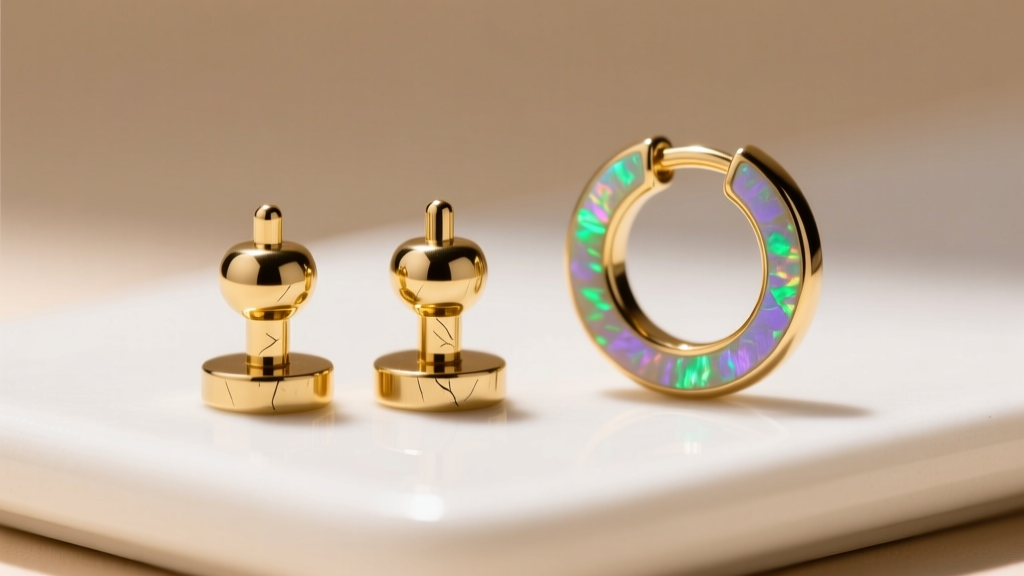
The landscape of fine jewelry has irrevocably shifted from isolated accessories to comprehensive anatomical styling. As we navigate 2026, the concept of ear piercing earrings has matured far beyond the cluttered "ear party" trend of the late 2010s. Today, the industry standard is the "constellation" or "solar system" setup—a highly intentional, asymmetrical arrangement that relies on negative space, varied scales, and precise anatomical placement. Style analysts and high-end piercers are now treating the ear cartilage as a bespoke canvas, where every millimeter of placement dictates the overall flow of the jewelry.
This year's aesthetic is defined by "quiet luxury" and organic textures. We are seeing a massive surge in demand for bezel-set gemstones, matte-finished 18k gold, and raw, uncut diamonds. The goal is no longer to cover every available inch of cartilage, but rather to create a deliberate visual path that guides the eye from the upper helix down to the lobe. Understanding this shift requires a deep dive into the metallurgy, mechanics, and spatial geometry that define modern ear curation.
Metallurgy and Mechanics: The 2026 Standards
When investing in high-end ear piercing earrings, the material grade is non-negotiable. The Association of Professional Piercers (APP) strictly advises against 316L surgical steel for fresh piercings due to its nickel content, which can trigger contact dermatitis and delay healing. Instead, the 2026 gold standard for initial jewelry is ASTM F-136 implant-grade titanium. For fully healed setups, nickel-free, cadmium-free 14k or 18k solid gold remains the premier choice for luxury collectors.
Equally critical is the mechanical engineering of the jewelry. Externally threaded jewelry—where the screw is on the post that passes through the fistula—is universally banned by reputable piercers because it tears the delicate tissue lining. The modern market is dominated by two superior mechanisms:
| Mechanism Type | How It Works | Best Application | Standard Gauges |
|---|---|---|---|
| Threadless (Push-Pin) | Relies on the tension of a slightly bent pin inserted into a hollow post. | Lobes, Helix, Flat, Tragus. Ideal for frequent end-swapping. | 18g, 16g, 14g |
| Internally Threaded | The screw is located on the decorative end, threading into a smooth, hollow post. | Conch, Daith, Rook. Preferred for heavy or large-scale ends. | 16g, 14g, 12g |
| Hinged Segment (Clicker) | A seamless ring with a hidden hinge and snap closure. | Daith, Rook, Septum, and occasionally Helix hoops. | 16g, 14g |
The Geometry of Gauge Sizing
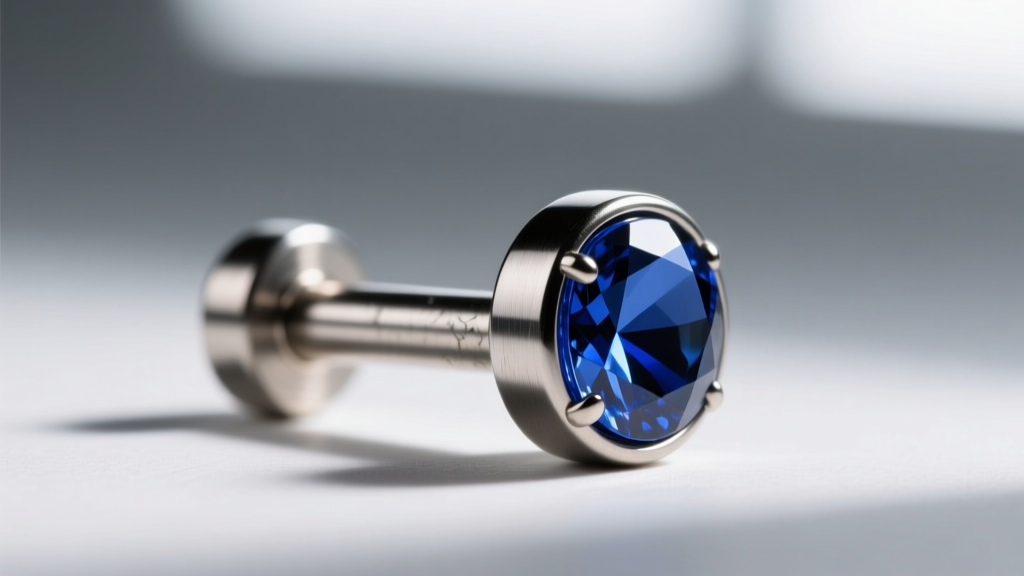
A common mistake among novices is defaulting to ultra-thin 20g or 18g posts for cartilage. In 2026, professional piercers overwhelmingly default to 16-gauge (1.2mm) or 14-gauge (1.6mm) for all upper ear piercings. Thicker posts prevent the "cheese-cutter effect"—a phenomenon where thin wire slowly migrates and slices through the cartilage over time due to the weight of the jewelry or accidental snagging.
Anatomy of a 2026 Constellation Setup
Designing a cohesive ear project requires an understanding of focal points and anchors. A masterfully curated ear typically follows a 5-to-7 piece framework, balancing heavy visual weight with delicate accents. Here is the blueprint for a modern, high-impact setup:
- The Focal Point (Conch or Daith): This is the anchor of the inner ear. A 14g internally threaded conch stud featuring a 9mm cluster end, or a 16g daith clicker adorned with baguette diamonds, draws the eye to the center of the ear.
- The Upper Anchor (Flat or High Helix): Placed in the broad, flat plane of the upper cartilage. A threadless flat stud with a low-profile bezel-set sapphire provides a celestial highlight without catching on hair or clothing.
- The Outer Line (Mid-Helix to Tragus): Creating a diagonal line of symmetry. A 16g tragus threadless labret paired with a mid-helix cuff or small gemstone stud creates a framing effect.
- The Lobe Foundation: The lobes should ground the setup. In 2026, we are moving away from standard round brilliants in the primary lobe, opting instead for organic shapes like pear-cuts, marquise diamonds, or textured gold knots.
- Negative Space: Leaving the anti-helix and rook unpierced (or unadorned) is crucial. Clutter destroys the elegance of a constellation setup.
Investment Pricing: What to Expect in 2026
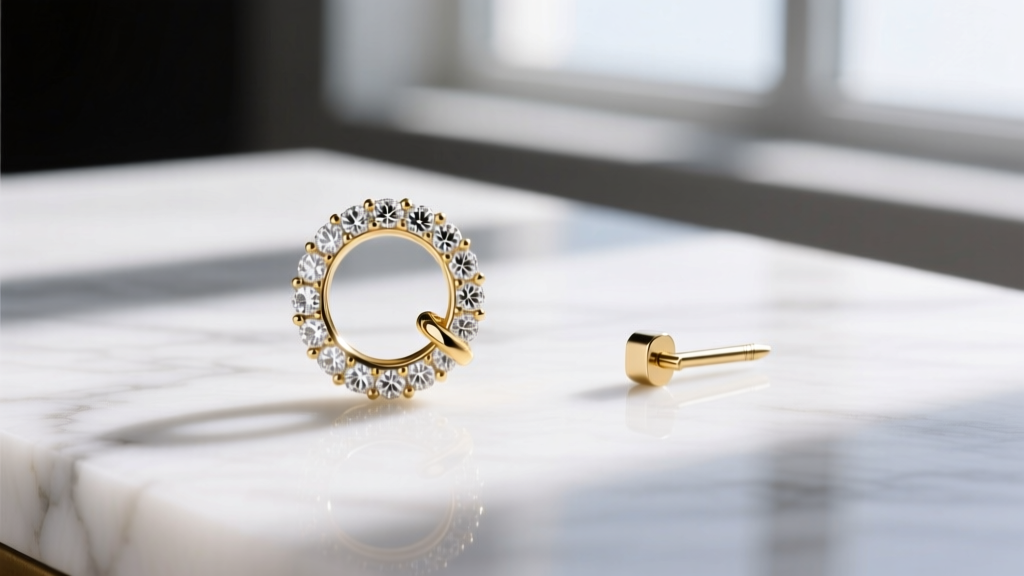
Fine jewelry piercing is an investment market. Unlike traditional mall kiosks, high-end studios operate on a "post and end" separation model, particularly for threadless and internally threaded jewelry. This allows collectors to buy one titanium or gold post and swap out the decorative ends based on their outfit or mood. Based on current pricing from luxury manufacturers like BVLA and Anatometal, here is what you should budget:
- Implant-Grade Titanium Posts: $20 – $45 per post.
- 14k/18k Solid Gold Posts: $75 – $150 per post.
- Decorative Ends (Gemstones/Gold): $60 for basic synthetic opals; $150 – $400 for genuine diamonds and custom clusters.
- Luxury Clickers (Daith/Rook): $250 – $900+, heavily dependent on diamond carat weight and gold color.
- Professional Piercing Fee: $40 – $80 (excluding jewelry), which should always include a consultation on anatomy and placement angles.
Expert Troubleshooting: Healing and Maintenance
Even the most expensive ear piercing earrings will fail if the underlying piercing geometry is flawed. The most common cause of hypertrophic scarring (irritation bumps) is an improper piercing angle. A professional piercer will mark the ear while you are standing up, ensuring the needle enters and exits perfectly perpendicular to the tissue plane. If a helix is pierced at a slant, the jewelry will rest at an unnatural angle, causing constant pressure on the fistula.
"The most critical step in a cartilage piercing's lifecycle is the downsize. Returning to your piercer between weeks 4 and 8 to swap the initial long post for a shorter, custom-fitted post eliminates the snag-risk that causes 90% of irritation bumps."
Furthermore, avoid using harsh chemicals, tea tree oil, or rubbing alcohol on your curated ear. The 2026 medical consensus for aftercare remains sterile saline spray (0.9% sodium chloride) applied twice daily, combined with strict adherence to the "LITHA" method (Leave It The Hell Alone). By combining meticulous aftercare with premium, anatomically correct jewelry, your curated ear will not only heal flawlessly but serve as a timeless expression of personal architecture.


