Fixing Gold Earrings Bamboo Styles: A Troubleshooting Guide
Solve common issues with gold earrings bamboo styles. Learn expert fixes for heavy lobes, clasp failure, tarnishing, and skin irritation in this guide.

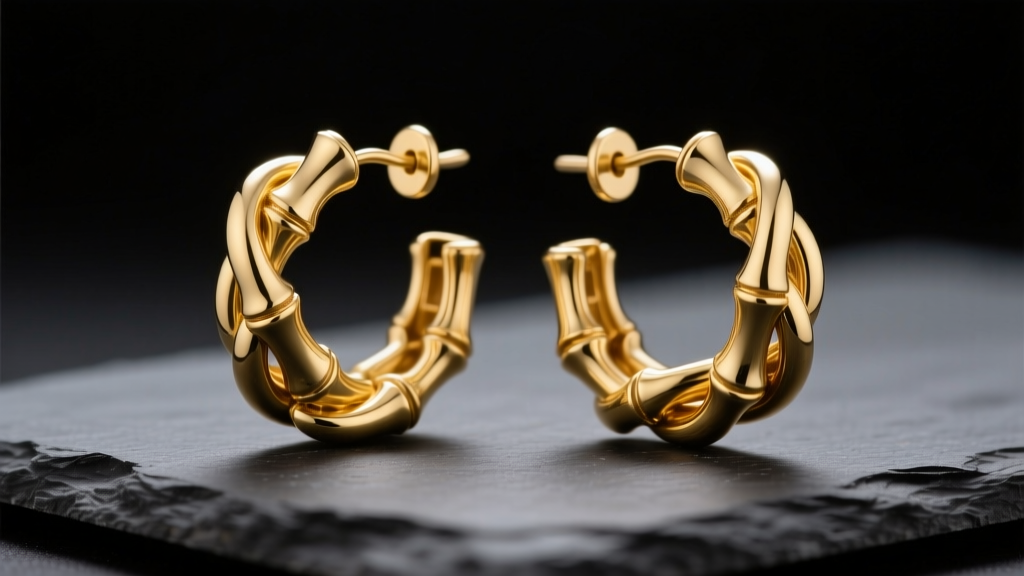
Bamboo earrings—characterized by their iconic knotted, segmented, or stalk-like textures—remain a cornerstone of streetwear, hip-hop culture, and Y2K-inspired fashion in 2026. However, the very design elements that make gold earrings bamboo styles so visually striking also introduce unique structural and metallurgical vulnerabilities. The deep ridges trap debris, the oversized diameters create severe leverage on the lobe, and the heavy wire gauges can cause irreversible piercing damage if improperly fitted.
Whether you are dealing with a snapping clasp, a sagging earlobe, or stubborn tarnish in the bamboo knots, this comprehensive troubleshooting guide provides actionable, expert-level solutions to restore and protect your investment.
The Physics of Bamboo Hoops: Why Standard Fixes Fail
Unlike smooth, continuous wire hoops, bamboo styles feature asymmetrical weight distribution. The "nodes" or "knots" of the bamboo design add localized mass, meaning a 50mm bamboo hoop does not hang perfectly plumb. This off-center gravity creates rotational torque on the ear piercing. When combined with the thick wire typically required to cast these intricate textures—often 12-gauge (2.05mm) or 10-gauge (2.59mm)—the result is excessive friction against the delicate fistula (the skin tunnel of the piercing).
Standard jewelry repair techniques, such as simply bending a latchback closed, fail to account for this rotational torque. To properly troubleshoot bamboo hoops, we must address the three primary failure points: lobe trauma, clasp disengagement, and chemical degradation.
Troubleshooting Lobe Sagging and the "Cheese Cutter" Effect
The most common complaint with oversized gold bamboo hoops is lobe stretching and the dreaded "cheese cutter" effect. This occurs when a heavy earring rests on a thin wire, slowly slicing through the bottom of the piercing.
Diagnosing the Gauge Mismatch
Standard lobe piercings are typically done at 18-gauge (1.02mm) or 16-gauge (1.29mm). However, to support the structural integrity of a 60mm bamboo knot design, jewelers often use 12-gauge (2.05mm) wire. Forcing a 12g post into an 18g hole causes micro-tears, inflammation, and eventual migration.
- The Electroforming Solution: If you want the massive 70mm+ bamboo aesthetic without the 18-gram weight penalty, seek out electroformed solid 14k gold hoops. This process builds a hollow gold shell over a wax core, resulting in a massive hoop that weighs a mere 3 to 5 grams. Expect to pay between $180 and $350 for genuine electroformed 14k gold.
- The Support Patch Fix: If you already own heavy, solid-cast bamboo hoops (weighing 12g+ per earring), use invisible silicone ear support patches (like LobeWonder). These adhesive patches distribute the 2.05mm wire's downward force across a 15mm surface area on the back of the lobe, completely eliminating the cheese-cutter effect.
Clasp Tension and Loss Prevention Protocols
Because bamboo hoops are frequently worn in active environments (festivals, streetwear shoots, daily commuting), the leverage exerted on the clasp is immense. A standard hinged latchback will eventually warp, leaving a 1mm gap that allows the earring to slip out unnoticed.
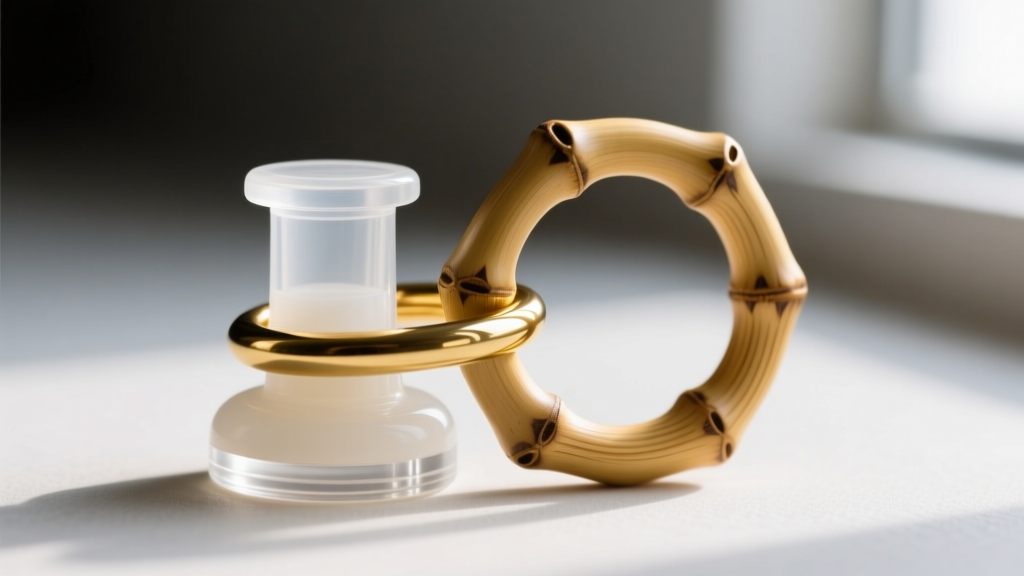
Upgrading the Closure Mechanism
If your bamboo hoops feature a standard push-button latchback, you are at high risk of loss. Here is how to secure them:
- Silicone O-Rings (The $2 Fix): Purchase 1.5mm inner-diameter silicone o-rings from a hardware or jewelry supply store. Slide the o-ring over the post before clicking the latchback shut. The rubber creates high-friction resistance against the clasp hinge, making accidental opening nearly impossible.
- Saddleback Retrofitting: For high-end solid gold bamboo hoops, take them to a bench jeweler and have the latchback removed and replaced with a saddleback (or saddle clamp) closure. Saddlebacks feature a threaded screw mechanism that locks the post into a cradle, capable of withstanding over 40 lbs of pull-force without disengaging.
Combating Tarnish in Textured Crevices
The deep grooves mimicking bamboo stalks are notorious traps for sebum, dead skin cells, lactic acid from sweat, and ethanol from perfumes. Over time, this biofilm reacts with the alloy metals (like copper and silver) in karat gold or plating, causing a dark, stubborn tarnish that a standard polishing cloth cannot reach.
The Ultrasonic and Enzymatic Cleaning Method
Avoid harsh chemical dips, which can strip gold vermeil or dull gemstone accents. Instead, use a targeted enzymatic approach:
- Mix warm distilled water with two drops of enzymatic dish soap (designed to break down proteins and oils).
- Submerge the earrings for 15 minutes to soften the biofilm.
- Use a soft-bristled baby toothbrush (adult brushes are too stiff and will leave micro-scratches on high-polish gold segments) to gently agitate the bamboo knots.
- Rinse with distilled water and dry immediately with a microfiber cloth to prevent water spots.
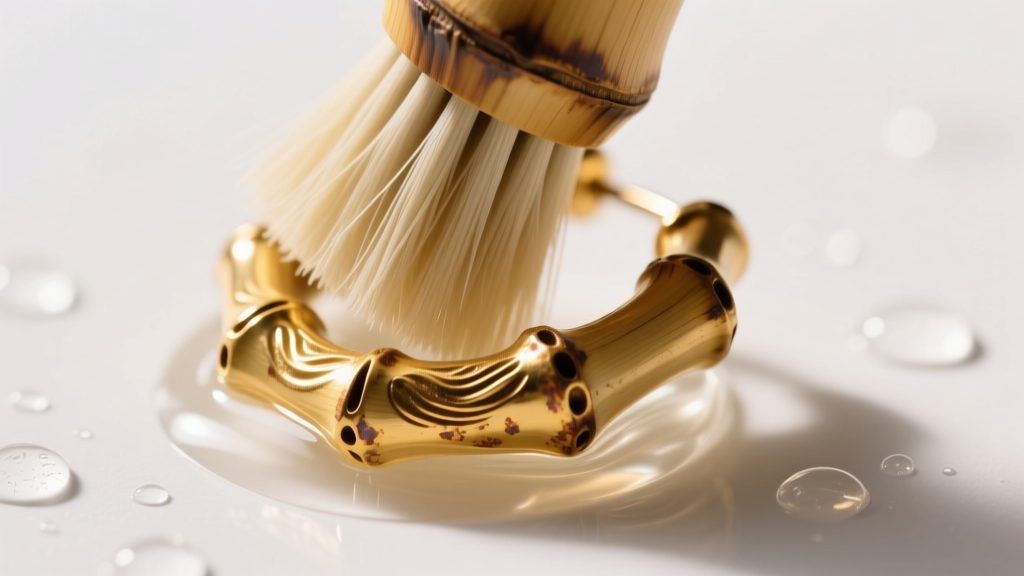
Understanding Plating Degradation
If your bamboo hoops are turning brassy or copper-colored at the friction points (where they rub against the neck), the plating has worn through. According to the Jewelers of America, traditional flash plating (0.1 microns) wears off in weeks. If you are buying gold-plated bamboo styles in 2026, demand PVD (Physical Vapor Deposition) coating. PVD bonds gold at a molecular level in a vacuum chamber, offering 5 to 10 times the abrasion resistance of traditional electroplating, making it ideal for the high-friction neck zone of large hoops.
Resolving Contact Dermatitis from Base Metal Cores
Itchy, flaking, or weeping earlobes after wearing bamboo earrings are almost always caused by a nickel or cobalt allergy. Because bamboo hoops require thick wire, cheap manufacturers use brass or nickel-silver alloys as a base, flashing them with a microscopic layer of gold. Once sweat penetrates the micro-pores of the plating, it leaches nickel directly into the skin. The Mayo Clinic notes that nickel allergy is one of the most common causes of allergic contact dermatitis, affecting up to 36% of women.
The Hypoallergenic Mandate
To troubleshoot skin reactions without giving up the bamboo aesthetic, verify the core metal before purchasing:
- ASTM F138 Implant-Grade Titanium: The absolute gold standard for sensitive ears. Many modern streetwear brands now offer PVD gold-plated titanium bamboo hoops ($80–$140). They are entirely nickel-free and lightweight.
- 925 Sterling Silver with Heavy Vermeil: Vermeil requires a minimum of 2.5 microns of gold over sterling silver. While sterling silver contains copper (which can cause green skin if exposed to acids), it is generally nickel-free. However, it is softer than titanium and more prone to bending under the weight of large bamboo knots.
- Solid 14k or 18k Gold: As noted by the Gemological Institute of America (GIA), 14k and 18k gold are alloyed with metals like zinc, copper, and silver. While generally safe, a small subset of people react to the copper in rose gold or the specific white-gold alloys. Stick to yellow gold for the highest biocompatibility in solid karat options.
2026 Material & Construction Comparison Chart
Use this framework to diagnose your current bamboo hoops or make an informed replacement purchase based on your specific lifestyle and lobe tolerance.
| Material & Construction | Average Weight (50mm) | Plating / Finish Lifespan | Best For / Troubleshooting Use Case | Estimated Price Range |
|---|---|---|---|---|
| Solid 14k Gold (Cast) | 14g - 18g | Lifetime | Heirloom quality; requires ear patches for unstretched lobes. | $400 - $800+ |
| Solid 14k Gold (Electroformed) | 3g - 5g | Lifetime | Oversized 70mm+ hoops; solves lobe sagging completely. | $180 - $350 |
| PVD Gold (Implant-Grade Ti) | 6g - 9g | 5 - 10+ Years | Sensitive skin, daily streetwear, high-sweat environments. | $80 - $140 |
| 18k Vermeil (Sterling Core) | 8g - 12g | 1 - 3 Years | Occasional wear; requires strict moisture avoidance. | $60 - $120 |
| Brass with Flash Plating | 10g - 15g | 2 - 8 Weeks | Fast fashion; high risk of dermatitis and green skin. | $15 - $35 |
Final Maintenance Checklist for Longevity
To ensure your gold bamboo earrings maintain their structural integrity and brilliant finish, adopt this weekly maintenance protocol:
- The Tension Check: Once a month, gently test the clasp. If a hinged latchback opens with less than 2 lbs of pressure, use needle-nose pliers with nylon jaws to *very slightly* pinch the clasp housing, or apply the silicone o-ring trick immediately.
- The Storage Rule: Never toss bamboo hoops into a communal jewelry box. The intricate knots will tangle with chains and scratch the high-polish segments. Store them individually in anti-tarnish flannel pouches.
- The Perfume Protocol: Always apply fragrances, hairsprays, and lotions *before* putting on your earrings. The alcohol and essential oils in cosmetics accelerate the breakdown of gold vermeil and PVD coatings, particularly in the hard-to-clean crevices of the bamboo design.
By understanding the specific physics, metallurgy, and anatomy involved in bamboo hoop designs, you can transition from constantly replacing broken, tarnished, or uncomfortable earrings to curating a permanent, high-quality collection that honors the iconic legacy of the style.


