Map Earrings: The Ultimate Buying Guide & Style Tips
Discover how to choose custom map earrings in 2026. Learn about metal grades, enamel durability, gauge sizes, and engraving techniques for lasting wear.

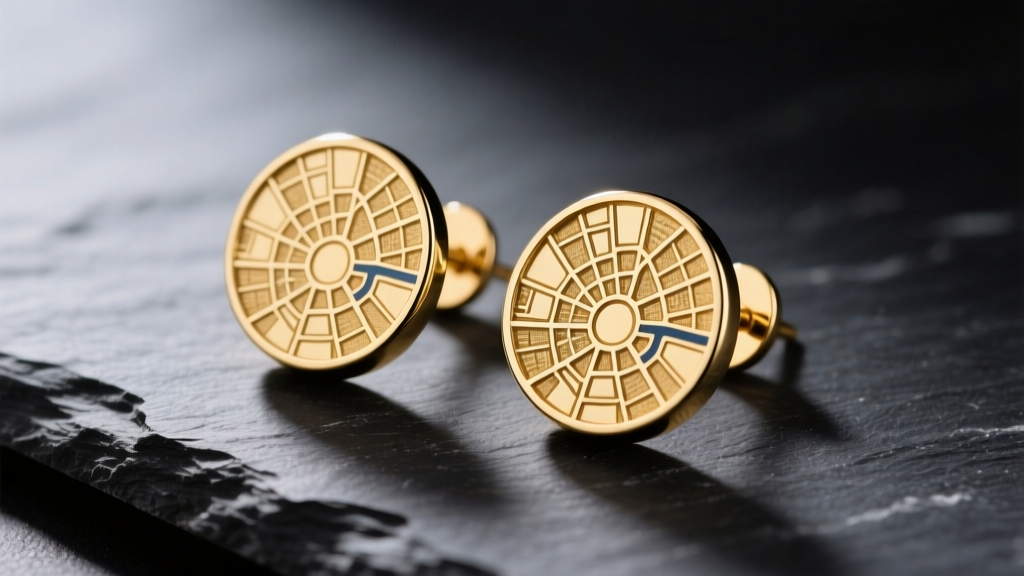
The Rise of Cartographic Jewelry: Why Map Earrings Matter
Map earrings have transcended fleeting trends to become a staple of sentimental, personalized jewelry. Whether showcasing the intricate street grid of your hometown, the rugged coastline of a favorite retreat, or the exact GPS coordinates of where you met your partner, cartographic jewelry serves as a wearable memory. However, translating complex geographical data into a microscopic metal canvas requires precise manufacturing. A poorly executed map earring will quickly become an illegible smudge of metal, while a well-crafted piece will last generations. This comprehensive buying guide breaks down the exact material grades, engraving depths, and hardware specifications you need to look for when investing in custom map earrings.
Decoding Materials: What Makes a Map Earring Last?
The base metal dictates not only the price but the long-term legibility of the map design. According to the Federal Trade Commission Jewelry Guides, understanding metal purity and plating is essential for avoiding deceptive marketing and premature wear.
| Material | Pros for Map Designs | Cons & Failure Modes | Ideal Use Case |
|---|---|---|---|
| 14k / 18k Solid Gold | Will not tarnish; maintains high contrast in engraved grooves indefinitely. | High price point; softer gold (18k) can scratch, blurring fine street lines. | Heirloom pieces, daily wear lobe studs. |
| 925 Sterling Silver | Affordable; excellent canvas for deep CNC milling and oxidation contrast. | Tarnish fills engraved lines, making the map look muddy and illegible over time. | Budget-friendly gifts, occasional wear. |
| 316L Surgical Steel | Hypoallergenic, highly scratch-resistant, very affordable. | Extremely heavy; can stretch earlobes if the map charm is oversized. | Cartilage cuffs, lightweight minimalist maps. |
Pro Tip: If you choose sterling silver map earrings, look for pieces that have been rhodium-plated. This creates a barrier against sulfur in the air, preventing the tarnish that naturally accumulates in the tiny crevices of a laser-etched street grid.
Engraving vs. Enamel: Choosing Your Map Technique
How the map is applied to the metal is arguably more important than the metal itself. There are two primary methods used in modern cartographic jewelry, each with distinct wear profiles.
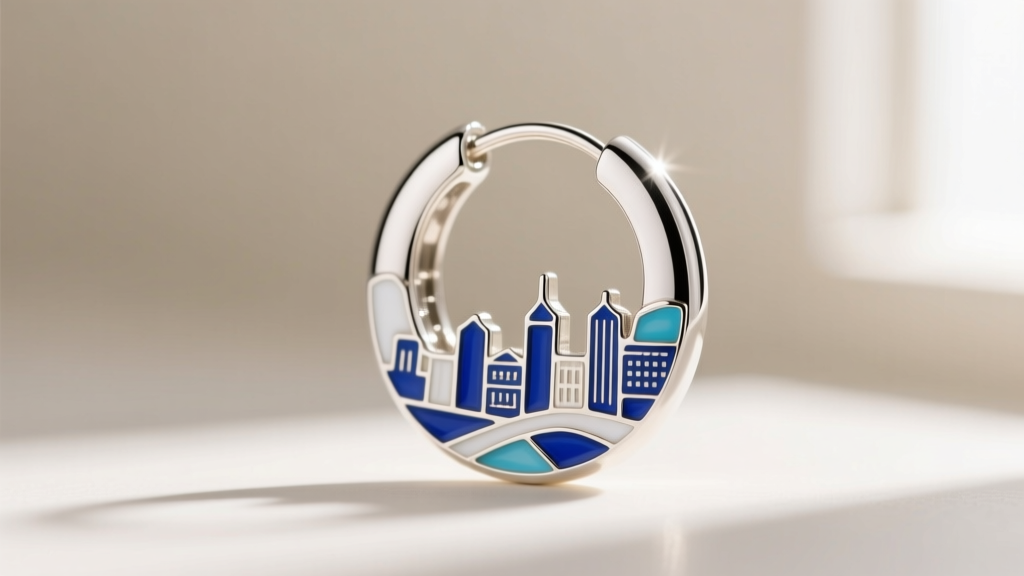
Laser Etching Depth & Wear Resistance
Most custom coordinate and street-grid map earrings are created using fiber laser engraving. The critical metric here is micron depth. A shallow 10-micron etch will look brilliant on day one, but the friction from hair, clothing, and cleaning will polish the raised areas down within a year, erasing the map. When reviewing product specifications or speaking to a custom jeweler, insist on a minimum etch depth of 50 to 100 microns. This ensures the "streets" and "waterways" are carved deeply enough to survive decades of daily wear. Some artisans use a process called "antiquing" after etching, where a dark patina is rubbed into the deep grooves and polished off the surface, creating a stark, high-contrast topographical effect.
Cloisonné vs. Cold Enamel
For colorful regional maps or country silhouettes, enamel is the standard. However, not all enamel is created equal:
- Cold Enamel (Epoxy Resin): Often found in budget-friendly map earrings. It is essentially a hardened resin painted into recessed metal channels. Failure mode: It is highly susceptible to chipping if dropped on a hard surface like bathroom tile, and it will yellow or cloud after prolonged UV exposure.
- Vitreous Enamel (Cloisonné): This is powdered glass fused to metal in a kiln at temperatures exceeding 1400°F. It is incredibly durable, scratch-resistant, and will never fade. If you are buying a high-end map earring, vitreous enamel is the only acceptable standard.
Sizing, Weight, and Gauge Considerations
Map charms—especially solid metal representations of dense cities like New York or Tokyo—can be surprisingly heavy, often weighing between 3 to 6 grams. This weight introduces structural challenges for the earring post and backing.
According to guidelines from the Association of Professional Piercers (APP), standard lobe piercings are typically done at 20G (0.81mm) or 18G (1.0mm). However, a heavy map charm on a thin 20G post will cause the earring to droop forward, putting uneven pressure on the piercing fistula and potentially causing migration or tearing over time.
The Hardware Solution
When buying map dangles or heavy map studs, look for the following hardware specifications:
- Post Thickness: Upgrade to an 18G (1.0mm) or 16G (1.2mm) post to support the weight of the charm without bending.
- Backing Type: Discard standard butterfly friction backs. They easily slip off when caught in hair or scarves, risking the loss of your sentimental piece. Opt for La Pousette (locking) backs or screw-backs, which mechanically secure the earring to the post.
- Solder Joints: Inspect the jump ring connecting the map charm to the ear wire. It should be a closed, soldered ring, not a split ring, to prevent the charm from snapping off under its own weight.
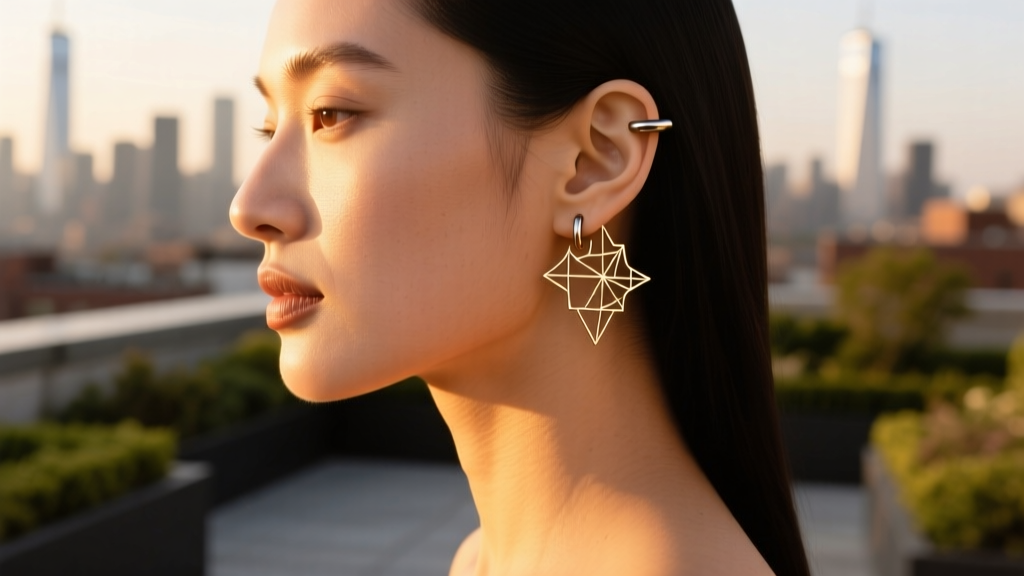
Lobe vs. Cartilage: Where to Wear Map Earrings
The placement of your map earrings should be dictated by their design and weight profile.
Standard Lobe Piercings
The lobe is highly vascular and fleshy, making it the ideal location for heavier, detailed map studs or medium-sized dangles. If you are wearing a large, solid 14k gold map of your home state, the lobe is the only placement that can comfortably support the 4+ gram weight without causing discomfort or stretching the piercing hole.
Helix and Cartilage Piercings
Cartilage is rigid and less forgiving of weight. For helix or tragus placements, opt for minimalist coordinate map earrings or lightweight, hollowed-out map cuffs. Titanium is the superior metal choice here due to its high strength-to-weight ratio and biocompatibility, reducing the risk of cartilage irritation bumps caused by heavy jewelry dragging on the healing fistula.
Pricing Tiers & What to Expect in 2026
Understanding the market pricing helps you identify whether a piece is a fair value or an overpriced novelty. Here is what you should expect to pay for quality map earrings based on current market rates:
- $30 - $80 (Budget/Novelty): 316L stainless steel or silver-plated brass with cold enamel or shallow laser etching. Expect friction backs. Good for occasional wear, but high risk of enamel chipping or plating loss.
- $90 - $250 (Mid-Tier/Artisan): Solid 925 sterling silver or 14k gold vermeil with deep CNC milling or fiber laser etching (50+ microns). Often features secure locking backs and high-quality packaging. The sweet spot for sentimental gifts.
- $300 - $800+ (Heirloom/Fine Jewelry): Solid 14k or 18k gold, hand-finished with vitreous cloisonné enamel or deep relief carving. Includes premium hardware like custom-cast screw backs and lifetime warranties against structural defects.
Final Checklist Before You Buy
Before adding that custom hometown map earring to your cart, run it through this quick quality assurance checklist:
1. Is the metal solid (not plated base metal) to ensure the engraving doesn't wear through to a different color?
2. Is the engraving depth specified, or does it look like a shallow surface mark?
3. Does the earring feature a secure backing (screw, locking, or hinged snap) appropriate for the charm's weight?
4. If enameled, is it kiln-fired vitreous glass rather than painted epoxy resin?
5. Is the post gauge thick enough (18G or 16G) to support the charm without bending?
By prioritizing structural integrity and manufacturing precision over mere novelty, you ensure that your map earrings remain a legible, beautiful tribute to your favorite places for years to come.


