The Ultimate Care Guide for Rose Gold Emerald Earrings
Learn how to safely clean, store, and maintain rose gold emerald earrings. Expert tips on avoiding ultrasonic damage and preserving cedar oil treatments.

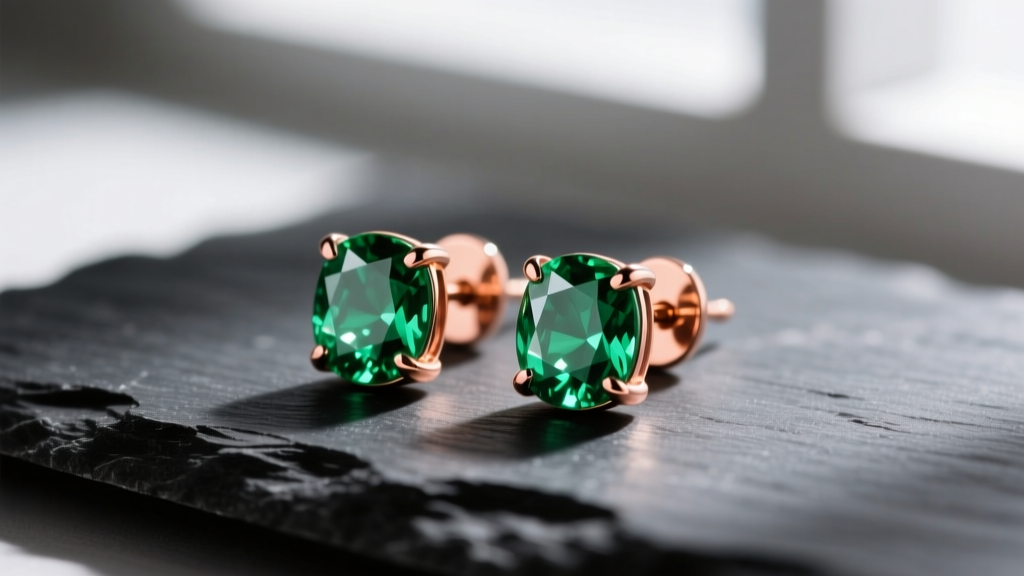
The combination of warm, coppery rose gold and the lush, velvety green of a fine emerald creates one of the most striking contrasts in fine jewelry. However, owning rose gold emerald earrings comes with a unique set of maintenance challenges. Unlike diamonds or sapphires, emeralds are notoriously fragile, and the copper alloys in rose gold require specific care to prevent oxidation. Whether you own delicate emerald studs, statement dangles, or everyday huggies, understanding the gemological and metallurgical science behind your earrings is the key to preserving their brilliance for generations.
The Unique Vulnerabilities of Emeralds and Rose Gold
To properly care for your earrings, you must first understand the materials. Emeralds are a variety of the mineral beryl, ranking between 7.5 and 8 on the Mohs hardness scale. While this sounds relatively hard, emeralds possess very poor toughness due to their natural inclusions, known in the trade as jardin (French for garden). These internal fissures make the stones brittle and highly susceptible to chipping from minor impacts.
Furthermore, nearly all emeralds on the market are fracture-filled with cedarwood oil or synthetic resins (like Opticon) to improve their clarity and stability. Heat and harsh chemicals can dissolve these fillers, leaving the stone looking cloudy and heavily fractured.
Rose gold, on the other hand, is an alloy of pure gold, copper, and sometimes silver. An 18k rose gold setting contains 75% pure gold and 25% copper/silver, offering a soft pink hue but remaining relatively soft and prone to scratching. A 14k rose gold setting contains 58.3% gold and a higher copper content, making it more durable for everyday ear lobe or cartilage wear, but significantly more reactive to chemicals like chlorine and sulfur.
What to Avoid: The Enemies of Emerald Earrings
According to the Gemological Institute of America (GIA), improper cleaning is the leading cause of irreversible damage to emerald jewelry. Never expose your rose gold emerald earrings to the following:
- Ultrasonic Cleaners: These machines use high-frequency sound waves to create microscopic bubbles that implode (cavitation). This violent vibration can easily shatter an included emerald or shake the stone loose from its prongs.
- Steam Cleaners: The intense heat of steam will melt the cedar oil or resin filling inside the emerald. Once the filler leaks out, the stone's internal fractures will turn white and chalky, ruining its transparency.
- Chlorine and Bleach: Chlorine reacts aggressively with the copper in rose gold, forming copper chloride. This weakens the metal at a molecular level, often leading to catastrophic prong failure and lost gemstones.
- Hairspray and Perfume: The alcohols and aerosol propellants in beauty products can strip the emerald's oil treatment and leave a dull, sticky film on the rose gold setting.
Step-by-Step Cleaning Routine
For routine maintenance, a gentle, manual cleaning approach is the only safe method. Follow this protocol every two to three weeks to keep your earrings sparkling without risking structural damage.
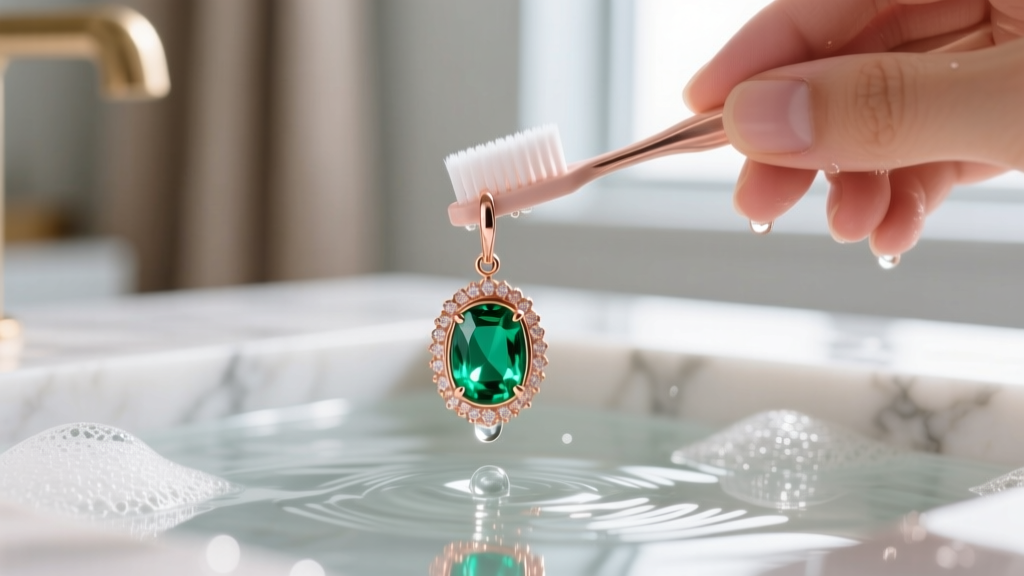
- Prepare Your Station: Always plug your sink drain or work over a soft towel. Use a small plastic or glass bowl—never a metal bowl, as a slipped earring can scratch the rose gold against the metal basin.
- Mix the Solution: Fill the bowl with lukewarm (never hot) distilled water and add two drops of mild, lotion-free dish soap. Distilled water is preferred over tap water to prevent hard water mineral spots from drying on the gemstone.
- Soak Briefly: Submerge the earrings for no more than 3 to 5 minutes. This is just enough time to loosen skin oils and environmental dust.
- Agitate Gently: Using an extra-soft baby toothbrush, lightly sweep the bristles over the rose gold setting and the back of the emerald. Avoid pressing hard on the stone's table (top facet) or edges.
- Rinse and Dry: Rinse under a gentle stream of lukewarm distilled water. Pat dry with a clean, lint-free microfiber cloth. Do not use paper towels, as their wood pulp fibers can cause micro-scratches on the highly polished rose gold.
Maintenance Schedule and Prong Checks
Cleaning is only half the battle. Because emeralds are brittle, the security of the setting is paramount. The Jewelers of America recommends a strict maintenance schedule for high-value gemstone earrings.
| Frequency | Action | Tools / Professional Needed |
|---|---|---|
| Bi-Weekly | Gentle soap and water cleaning | Baby toothbrush, mild dish soap, microfiber cloth |
| Monthly | Visual prong and backing inspection | 10x Jeweler's Loupe |
| Annually | Professional prong tightening and polishing | Certified Bench Jeweler |
| Every 3-5 Years | Re-oiling of the emerald (if necessary) | Lapidary or Gemologist |
Expert Tip on Prong Styles: If you are purchasing or setting emerald-cut stones, always insist on V-prongs. The sharp, 90-degree corners of an emerald cut are the most vulnerable points for chipping. V-prongs wrap around the corner, offering superior protection compared to standard round prongs.
The Secret to Emerald Care: Re-Oiling
Over time, the natural cedar oil used to fill an emerald's surface-reaching fractures can dry out or be accidentally washed away. You will know your emerald needs re-oiling when it suddenly looks lighter in color, less transparent, and the internal inclusions appear stark white and chalky.
While some enthusiasts attempt to re-oil stones at home by submerging them in warm cedarwood oil for 24 hours, this is highly risky for mounted earrings. The oil can trap dirt against the rose gold setting and degrade the structural integrity of the jewelry adhesives if any are present. It is always recommended to have a professional lapidary perform the re-oiling process in a controlled vacuum environment.
Proper Storage to Prevent Micro-Scratches
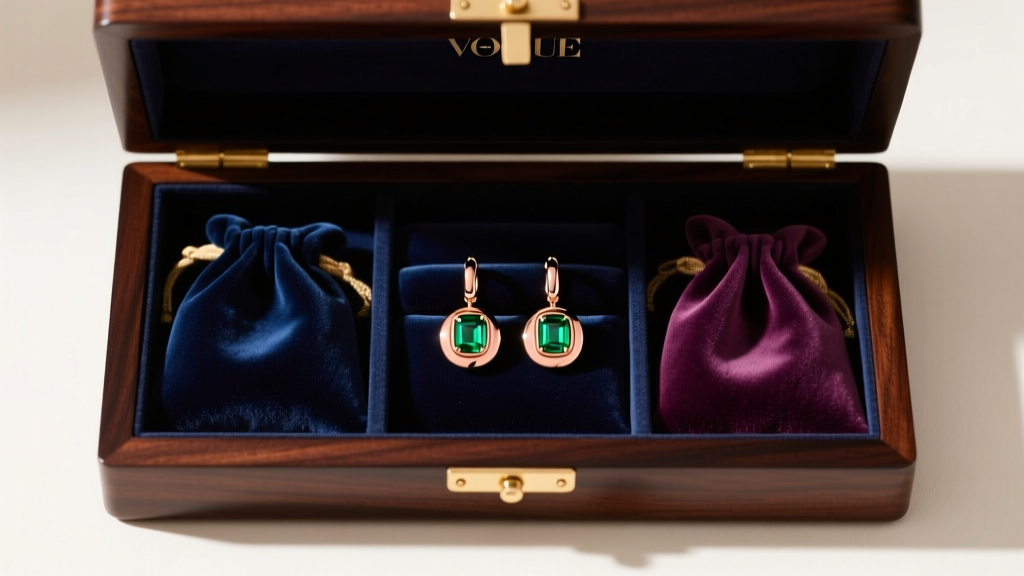
How you store your rose gold emerald earrings is just as critical as how you clean them. On the Mohs scale, pure gold is a 2.5, and 14k/18k rose gold is only slightly harder at a 3. Emeralds are a 7.5 to 8. This means your emeralds can easily scratch your rose gold settings if they rub together in a jewelry box.
Conversely, if you store your emerald earrings next to diamond studs (Mohs 10) or sapphire jewelry (Mohs 9), those harder gems will aggressively scratch the surface of your emeralds. Always store your rose gold emerald earrings in individual, soft velvet pouches or separate fabric-lined compartments. Keep them in a cool, dry place away from direct sunlight, as prolonged UV exposure can alter the color stability of certain fracture-fill resins.
Troubleshooting Common Issues
My Rose Gold is Turning Dark or Tarnished
Because rose gold contains copper, it can oxidize when exposed to sulfur in the air, lotions, or sweat, developing a dark, antique-like patina. To remove light tarnish, use a specialized, non-abrasive gold polishing cloth. Never use liquid silver dips or harsh chemical tarnish removers, as these will instantly strip the oil from your emerald.
The Stone Feels Loose or Rattles
Stop wearing the earrings immediately. Place them in a soft pouch and take them to a bench jeweler. Do not attempt to bend the rose gold prongs back into place yourself; gold work-hardens over time, and amateur bending can cause the prong to snap off completely, resulting in a lost emerald.


