How to Store Post Earrings: The Complete Beginner Guide
Learn exactly how to store post earrings to prevent bending, tarnishing, and lost backs. A beginner-friendly guide with expert material tips.

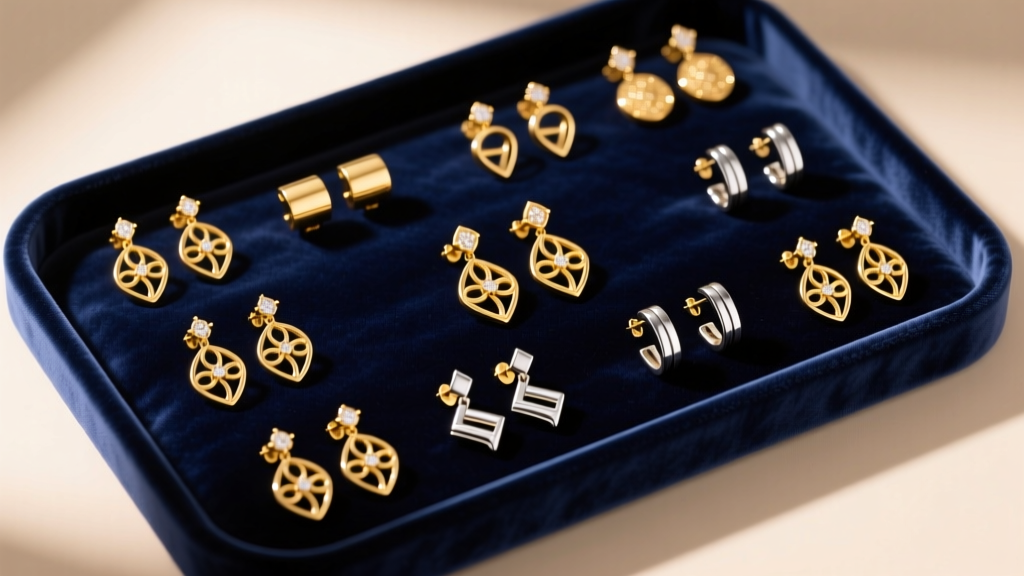
If you have ever reached into your jewelry box only to find a bent post, a missing butterfly back, or a dull, tarnished finish on your favorite studs, you are not alone. Learning how to store post earrings properly is one of the most overlooked aspects of jewelry care. While hoops and dangles have their own storage quirks, post earrings—which include standard studs, flat-back labrets, and cartilage pins—require specific attention due to their delicate gauge thickness and intricate backing mechanisms.
As a beginner, it is tempting to toss your earrings into a communal dish or leave them in the cardboard packaging they came in. However, improper storage leads to mechanical damage and chemical degradation. In this comprehensive guide, we will break down the anatomy of post earrings, the chemistry of metal tarnishing, and the exact storage frameworks you need to keep your collection pristine in 2026 and beyond.
The Anatomy of a Post Earring: Why Storage Matters
Before diving into storage solutions, it is crucial to understand the physical vulnerabilities of a post earring. The 'post' is the wire that passes through your piercing. According to the Association of Professional Piercers (APP), standard earlobe piercings are typically done at 20-gauge (0.81mm) or 18-gauge (1.02mm). Cartilage piercings often use thicker 16-gauge (1.29mm) or 14-gauge (1.63mm) posts.
A 20-gauge post is less than a millimeter thick. If stored loosely in a drawer where heavier items can press against it, the post will easily bend. Once a post is bent, attempting to straighten it weakens the metal's crystalline structure, leading to eventual snapping. Furthermore, the backing mechanism—whether a standard friction butterfly, a secure screw-back, or a high-end La Pousette locking back—can easily become detached and lost if the earrings are not secured in individual compartments.
Best Storage Materials for Different Metals
Different metals react differently to environmental factors like humidity, sulfur, and the off-gassing of certain plastics. Choosing the right storage environment is just as important as the physical organizer.
| Metal Type | Primary Vulnerability | Ideal Storage Environment | Anti-Tarnish Required? |
|---|---|---|---|
| 925 Sterling Silver | Sulfur exposure (tarnishing) | Airtight bags with anti-tarnish strips | Yes, strictly |
| 14k / 18k Yellow Gold | Scratching from harder gems | Soft velvet or microfiber-lined slots | No, but keep dry |
| ASTM F136 Titanium | Galvanic corrosion (rare) | Individual acrylic or silicone slots | No |
| Gold Vermeil / Plated | Friction wearing off the plating | Zero-friction individual pouches | Yes, to preserve base |
According to the Smithsonian Institution's guidelines on silver care, silver tarnishes when it reacts with sulfur compounds in the air. Storing sterling silver post earrings in standard cardboard boxes or wrapping them in rubber bands is a recipe for disaster, as both materials emit sulfur gases that accelerate blackening.
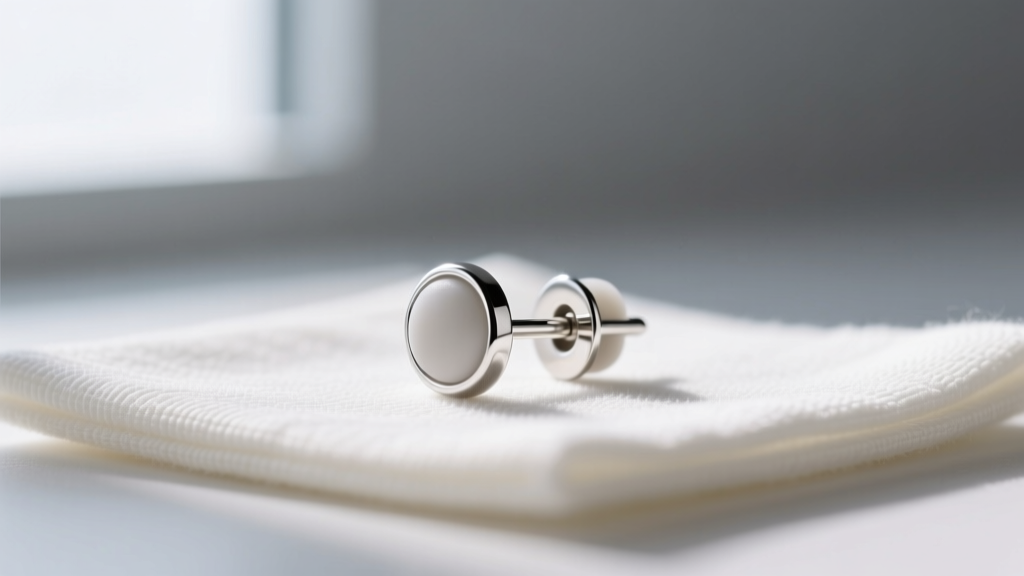
Step-by-Step: How to Store Post Earrings Properly
To establish a foolproof routine, follow this three-step framework every time you take your post earrings out.
Step 1: Clean and Dry Completely
Never store worn earrings without cleaning them first. Skin oils, lotions, and environmental pollutants create a film that attracts moisture and accelerates tarnishing. Wash your studs with a few drops of mild, phosphate-free dish soap and warm water. Use a soft-bristled baby toothbrush to gently clean the setting and the post. Critical detail: Ensure the earrings are 100% dry before storage. Trapped moisture in an enclosed space will cause irreversible water spots and rust on any non-noble metal components.
Step 2: Secure the Backing Correctly
If you are storing your earrings with their backs attached, do not push friction backs all the way down to the base of the post. Forcing a tight butterfly back onto a 20-gauge post puts lateral stress on the wire. Instead, slide the back on just enough to hold it in place, or store the backs in a designated micro-compartment if your organizer has one.
Step 3: Assign Individual Real Estate
Every pair of post earrings needs its own dedicated slot. They should never touch one another. Diamonds and sapphires rank high on the Mohs hardness scale (9 and 10, respectively) and will easily scratch softer metals like 18k gold or sterling silver if they rub together in a shared compartment.
Common Beginner Mistakes That Ruin Earrings
'The most common mistake beginners make is assuming the original retail packaging is suitable for long-term storage. Most commercial cardboard and PVC plastic inserts are highly acidic and will degrade delicate metal finishes over time.'
Avoid these frequent pitfalls:
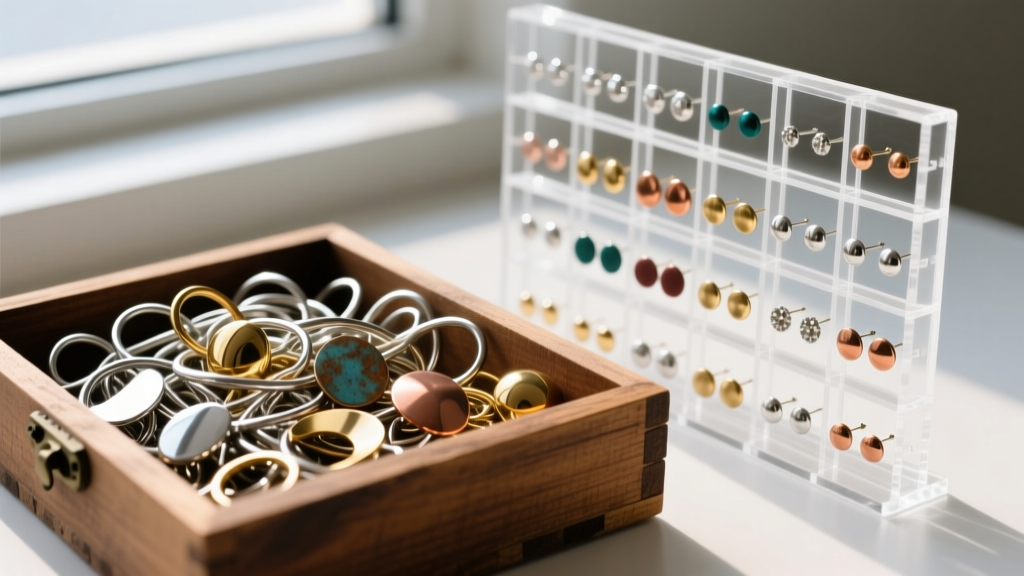
- The 'Junk Bowl' Method: Dropping earrings into a ceramic dish on your dresser exposes them to dust, humidity, and accidental knocks. It also guarantees you will eventually lose a backing.
- Using PVC Plastics: Some cheap plastic organizers contain polyvinyl chloride (PVC), which emits corrosive gases that can cause a greenish-black tarnish on silver and copper alloys.
- Storing in High-Humidity Zones: Keeping your jewelry box in the bathroom is a major error. The constant fluctuations in heat and humidity from showers will rapidly degrade plated earrings and tarnish silver.
Recommended Storage Solutions (With Price Ranges)
Investing in the right storage system pays for itself by extending the lifespan of your jewelry. Here are the top organizer types for post earrings in 2026:
1. Acrylic Grid Organizers with Silicone Mats
Best for: Titanium, surgical steel, and everyday studs.
Price Range: $15 - $30
These clear, stackable trays feature a grid layout with small holes punched into a flexible silicone base. You simply push the post through the hole, and the silicone grips it gently without bending the wire. They are non-reactive and allow you to see your entire collection at a glance.
2. Velvet Roll-Up Travel Cases
Best for: 14k/18k Gold and delicate gemstone studs.
Price Range: $25 - $60
Ideal for travel, these cases feature individual snap-button straps or padded pockets that keep posts separated. Look for cases lined with treated anti-tarnish velvet. The physical barrier prevents the posts from being crushed inside a suitcase.
3. Ziploc Bags with Anti-Tarnish Strips
Best for: 925 Sterling Silver and Gold Vermeil.
Price Range: $10 - $20 (for a bulk pack of bags and strips)
For pure preservation, especially for silver pieces you do not wear daily, placing each pair in a small, airtight polyethylene bag with a 3M anti-tarnish tab is the gold standard. The polyethylene plastic is chemically inert and will not off-gas, while the strip absorbs ambient sulfur.
Final Thoughts on Post Earring Care
Mastering how to store post earrings is a simple habit that drastically improves the longevity of your jewelry. By respecting the delicate gauge of the posts, understanding the chemical needs of your specific metals, and utilizing individual, non-reactive compartments, you ensure that your favorite studs remain as brilliant and structurally sound as the day you bought them. Take ten minutes this weekend to audit your current storage setup, upgrade to an acrylic grid or velvet roll, and give your earrings the protective environment they deserve.


