The Ultimate Earring Lace Buying Guide: What to Look For
Discover how to choose the perfect earring lace styles. Compare fabric, metal filigree, and acrylic options, plus expert tips on hardware and care.

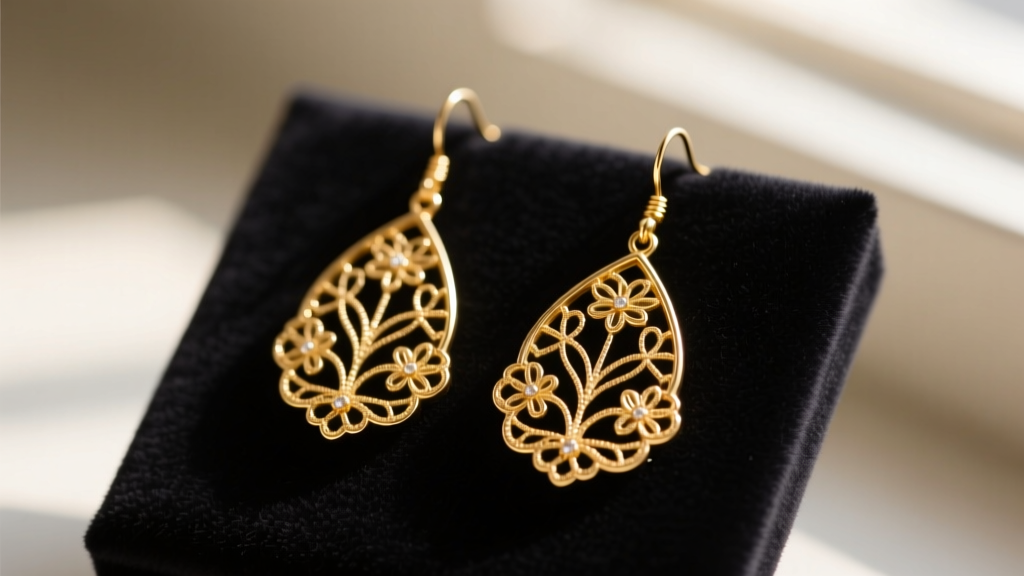
The term earring lace encompasses a fascinating intersection of jewelry making and textile art. While historically associated with actual fabric lace dipped in hardening agents, the modern jewelry market in 2026 defines "lace earrings" much more broadly. Today, this category includes intricate metal filigree designed to mimic textile patterns, laser-cut acetate or acrylic that replicates delicate doilies, and genuine treated fabrics. For buyers, navigating this diverse landscape requires an understanding of material longevity, structural integrity, and dermatological safety.
Whether you are sourcing vintage-inspired metalwork or contemporary synthetic lace drops, the hardware supporting these expansive designs is just as critical as the visual pattern itself. This comprehensive buying guide breaks down the exact specifications, material grades, and structural frameworks you need to evaluate before investing in lace-style earrings.
Decoding Earring Lace: Fabric vs. Metal vs. Synthetic
Not all lace earrings are created equal. The base material dictates the weight, durability, and required maintenance of the piece. Below is a comparative matrix to help you identify which material aligns with your lifestyle and aesthetic preferences.
| Material Type | Characteristics & Durability | Best Use Case | Average Price Range |
|---|---|---|---|
| Metal Filigree | Highly durable, intricate wirework or cast lace patterns. Prone to tarnishing if unplated brass. | Everyday wear, heirloom pieces, formal events. | $45 - $300+ |
| Treated Fabric | Lightweight, flexible but vulnerable to moisture, perfumes, and fraying at the edges. | Statement pieces, bohemian styles, occasional wear. | $20 - $85 |
| Laser-Cut Acrylic | Water-resistant, rigid, ultra-lightweight. Can scratch easily or snap under high pressure. | Modern minimalist lace looks, humid climates. | $15 - $60 |
Hardware & Gauge: Preventing the "Cheese-Cutter" Effect
The most common failure point in statement lace earrings is the wire post or hook. Metal filigree and heavy beaded lace designs can easily weigh between 10 to 20 grams per earring. If a jeweler uses a standard 20-gauge (0.81mm) wire for a heavy lace drop, the thin metal will slowly slice through the earlobe over time—a painful phenomenon known in the industry as the "cheese-cutter" effect.
When evaluating lace earrings, always check the gauge of the ear wire. According to jewelry manufacturing standards outlined by Rio Grande, a leading jewelry supplier, statement drops should utilize thicker wire to distribute weight safely:
- 20-Gauge (0.81mm): Suitable only for lightweight acrylic lace or very small metal filigree studs.
- 18-Gauge (1.02mm): The minimum acceptable thickness for medium-sized fabric lace drops and standard metal filigree dangles.
- 16-Gauge (1.29mm): Required for oversized, heavy metal lace chandeliers or long fabric tassels to ensure lobe comfort and structural rigidity.
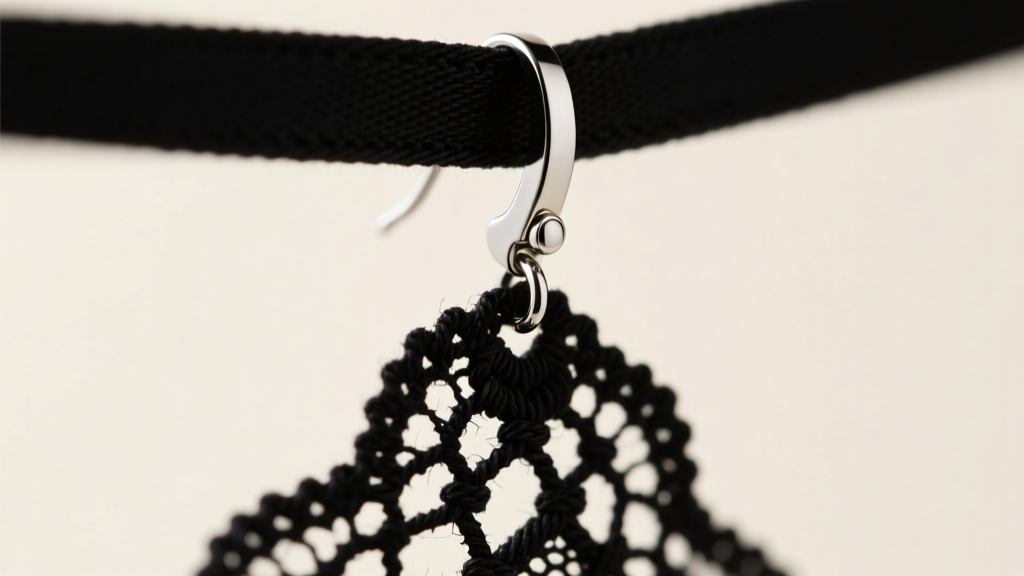
Additionally, prioritize leverback clasps over standard fishhooks for heavy lace designs. Leverbacks feature a hinged closure that locks the earring securely in place, preventing the loss of expensive metalwork if the earring catches on a sweater or hair.
Base Metals, Plating, and Contact Dermatitis
Metal lace earrings are frequently cast in brass or pewter to capture fine, lace-like details cheaply, and then plated with gold or silver. The danger arises when the plating on the ear post wears away due to friction and skin acids, exposing the base metal. If the brass contains nickel, it can trigger severe allergic contact dermatitis. The Mayo Clinic notes that nickel allergy is one of the most common causes of allergic contact dermatitis, affecting up to 36% of women.
What to Look For on the Label
To avoid adverse reactions, bypass "gold-plated brass" for the posts and look for these hypoallergenic specifications:
- Implant-Grade Titanium (ASTM F136): The gold standard for sensitive ears, completely nickel-free.
- 316L Surgical Stainless Steel: Contains trace amounts of nickel, but it is bound in a way that rarely causes reactions unless the skin is broken.
- Niobium: A highly reactive metal that is anodized for color and completely hypoallergenic, often used in artisan lace designs.
- Solid 14k or 18k Gold: Safe for most, though some individuals react to the copper alloys in lower-karat golds.
Evaluating Fabric Lace Quality
If you are purchasing actual textile lace earrings, inspect the edge finishing. High-quality fabric lace earrings are treated with a PVA-based (polyvinyl acetate) fabric stiffener that dries clear and flexible. Avoid pieces that look crusty, white, or stiff like plastic, as these were likely treated with cheap acrylic sprays that will crack and flake onto your skin. Furthermore, the edges of the fabric should be sealed with a micro-stitch or a liquid fray-preventative to stop the lace from unraveling after a few wears.
Proportion & Face Shape Pairing Framework
Lace patterns are inherently busy and visually expansive. Choosing the right silhouette ensures the earrings complement your features rather than overwhelming them.
- Round Faces: Opt for long, vertical metal filigree drops or rectangular fabric lace panels. The elongated lines draw the eye downward, creating a slimming effect. Avoid circular lace hoops.
- Square Faces: Choose lace earrings with curved, organic edges, such as oval metal filigree or scalloped acrylic lace. The soft curves balance a strong jawline.
- Heart-Shaped Faces: Teardrop-shaped lace earrings or chandeliers that are wider at the bottom add necessary volume to the lower half of the face, balancing a narrower chin.
- Oval Faces: Highly versatile; almost any earring lace style works, from geometric laser-cut acrylic studs to massive Victorian-inspired lace shoulder dusters.
Maintenance & Cleaning Protocols
The intricate cutouts and woven patterns of lace earrings trap dead skin cells, sebum, and environmental dust. Proper maintenance is non-negotiable to preserve the integrity of the materials.
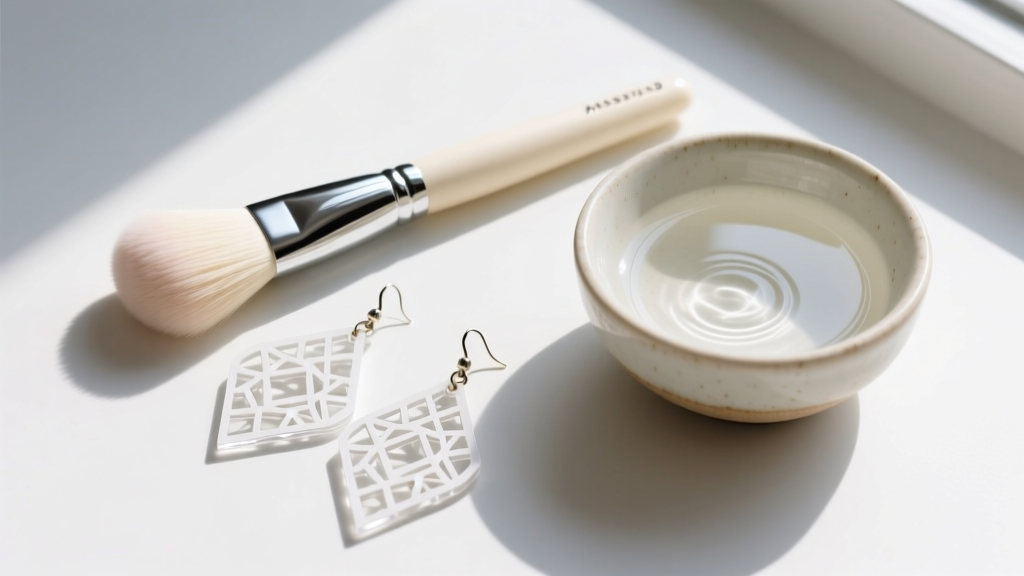
For Metal Filigree: Never use harsh chemical dips or ultrasonic cleaners on plated lace metalwork, as the vibrations and chemicals can strip the gold or silver plating from the delicate wires. Instead, use a soft-bristled baby toothbrush dipped in a mild solution of warm water and phosphate-free dish soap. Gently agitate the crevices, rinse with distilled water, and pat dry with a microfiber cloth.
For Fabric Lace: Keep fabric lace earrings far away from liquid cleaners, perfumes, and hairsprays. If they become soiled, use a specialized jewelry dry-cleaning sponge (often made of vulcanized rubber) to gently lift oils from the fabric fibers without introducing moisture that could dissolve the stiffening agents.
Expert Storage Tip: Never toss lace earrings into a communal jewelry box. The delicate metal wires or fabric loops will inevitably snag on other chains and prongs, causing irreversible tearing or bending. Always store them flat in individual soft pouches or hung from a dedicated earring tree.
Ultimately, investing in earring lace styles requires looking past the beautiful surface pattern. By scrutinizing the wire gauge, verifying the metallurgical safety of the posts, and understanding the specific care requirements of your chosen material, you can build a collection of lace earrings that remains both structurally sound and visually breathtaking for years to come. For more insights on jewelry longevity and metal care, refer to the educational resources provided by Jewelers of America.


