Dainty Pearl Earrings: The 2026 Micro-Trend Style Guide
Discover the 2026 trends for dainty pearl earrings. Explore micro-pearl styling, Akoya vs. freshwater grades, and expert tips for everyday wear.

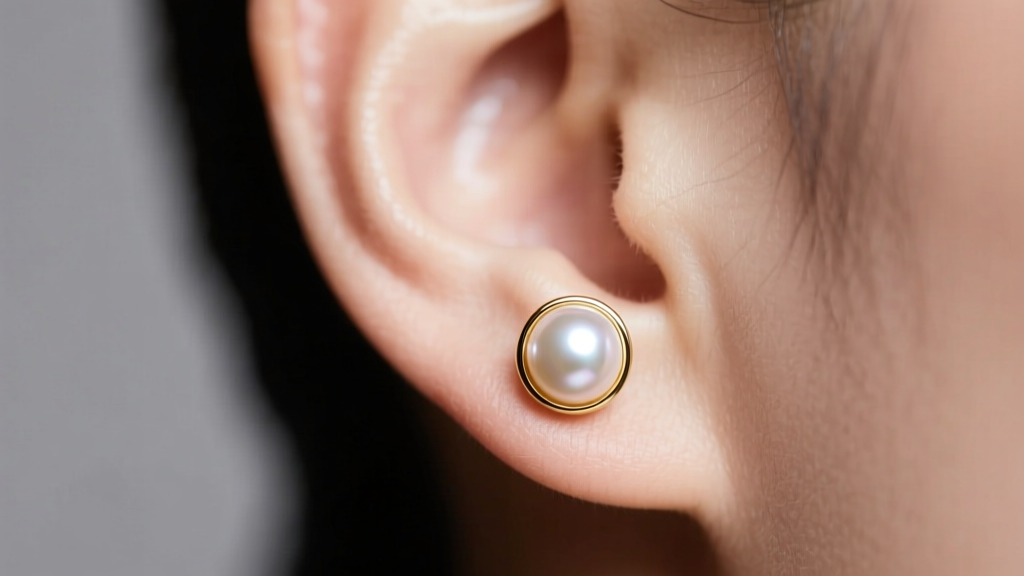
The 2026 Shift: From Pearlcore to Micro-Elegance
If the early 2020s were defined by the chunky, baroque 'pearlcore' movement, 2026 marks a definitive pivot toward precision and subtlety. Today, dainty pearl earrings are dominating the fine jewelry sector, driven by a consumer preference for 'micro-elegance'—pieces that offer high-impact luster with a barely-there footprint. According to market analyses by Vogue Business, the demand for pearls under 6mm has surged by 34% year-over-year, fueled by the rise of the 'curated ear' and the desire for versatile, stackable jewelry that transitions seamlessly from boardroom to evening wear.
But navigating the market for dainty pearl earrings requires more than an eye for aesthetics. When dealing with micro-sizes (3mm to 6mm), the gemological margins for error are razor-thin. A flaw that is invisible on a 9mm pearl becomes a glaring focal point on a 4mm stud. This guide breaks down the exact grading metrics, structural failure modes, and 2026 styling frameworks you need to know before investing in this enduring trend.
Sizing & Grading: The Anatomy of a Micro-Pearl
In the context of dainty pearl earrings, 'dainty' strictly refers to pearls measuring between 3.0mm and 6.0mm in diameter. Standard classic studs typically sit at 7.0mm to 8.0mm. The 4.0mm to 5.0mm range is currently the 2026 sweet spot for primary lobe piercings, while 3.0mm micro-pearls are reserved for upper lobe and helix placements.
Because the surface area is so small, luster and surface cleanliness are paramount. The Gemological Institute of America (GIA) emphasizes that luster is the most critical quality factor for any pearl, but it is especially vital for dainty sizes where the sharpness of light reflection dictates whether the pearl looks like a luminous gem or a dull plastic bead.
Akoya vs. High-Grade Freshwater: A 2026 Comparison
| Feature | Japanese Akoya (3mm-6mm) | AAA Edision/Freshwater (3mm-6mm) |
|---|---|---|
| Luster Type | Sharp, mirror-like, high contrast | Soft, satiny, diffuse glow |
| Nacre Thickness | 0.3mm - 0.5mm (Bead-nucleated) | 100% solid nacre (Tissue-nucleated) |
| Overtone | Rose, Silver, Cream | Pink, Peach, Lavender |
| Avg. Price (4mm Studs) | $180 - $350 | $60 - $120 |
| Best For | Heirloom gifts, formal daily wear | Trend stacking, multiple piercings |
Expert Insight: For dainty pearl earrings, Akoya pearls in the 3mm-4.5mm range are often sold as 'seed pearls' and can sometimes exhibit lower nacre quality if sourced from mass-market suppliers. Always request Hanadama certification for Akoya pearls above 4.5mm to guarantee top-tier luster and minimal blemishes.
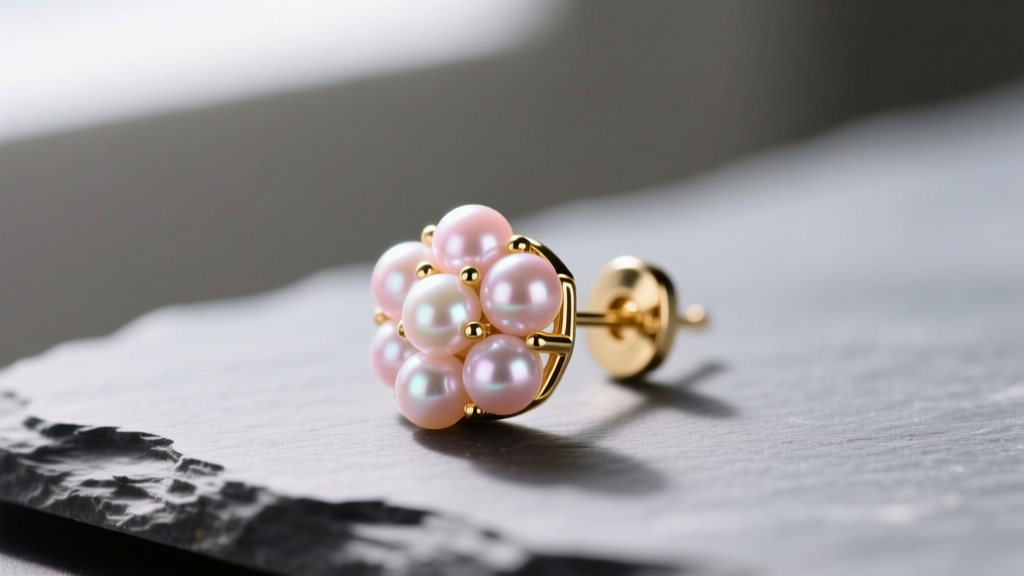
2026 Styling Frameworks: Beyond the Traditional Stud
The era of wearing a single pair of matched dainty pearl earrings is over. The 2026 styling ethos revolves around asymmetry, mixed textures, and strategic placement across the ear's anatomy.
The Asymmetrical Cluster
Instead of a single 6mm pearl in the primary lobe, the modern approach utilizes a cluster of varying micro-sizes. A popular configuration involves a 5mm pearl in the main lobe, a 3.5mm pearl in the second hole, and a 2.5mm micro-pearl in the third. This creates a 'tapered' effect that draws the eye upward toward the jawline. To maintain cohesion, keep the metal setting uniform—such as 14k yellow gold bezels—while allowing the pearl sizes to graduate.
Mixed-Metal Tension Settings
Another dominant 2026 trend is the integration of dainty pearls into mixed-metal tension settings. Designers are pairing the warm, organic luster of a 4mm cream-colored freshwater pearl with the sharp, industrial look of a white gold or platinum wire wrap. This juxtaposition of organic and industrial materials appeals to the modern minimalist who wants to avoid the 'vintage' or 'bridal' connotations traditionally associated with pearls.
Durability & Failure Modes: What Jewelers Won't Tell You
When purchasing dainty pearl earrings, structural integrity is a major concern that is rarely discussed on the sales floor. Because the pearls are so small, the surface area available for mounting is severely limited.
The Epoxy Degradation Problem
Most commercial dainty pearl studs are half-drilled and mounted on a metal peg using two-part epoxy resin. However, the peg for a 3mm pearl is exceptionally thin (often 0.5mm). When exposed to daily wear, sweat, cosmetics, and perfume, the epoxy bond degrades. It is incredibly common for consumers to lose a micro-pearl within the first year of daily wear because the glue simply dissolves or becomes brittle.
The Solution: Seek out jewelers who use laser-welded cup settings or threaded micro-pegs secured with cyanoacrylate and a mechanical crimp. If you must buy epoxy-set dainty pearls, remove them before showering and never apply perfume directly to the earlobe while wearing them.
Post Gauge and the 'Cheese-Cutter' Effect
To save on precious metal weight and match the delicate scale of the pearl, many manufacturers use 22-gauge (0.6mm) or even 24-gauge (0.5mm) posts for dainty earrings. While this looks proportional, a 22-gauge post is highly prone to bending. Furthermore, if the earring is heavy relative to the post thickness (such as a dainty pearl drop earring), the thin wire can cause the 'cheese-cutter effect,' slowly migrating through the lobe tissue and causing tearing. Always opt for 20-gauge (0.8mm) posts for primary lobe wear, even if the earring head is dainty.
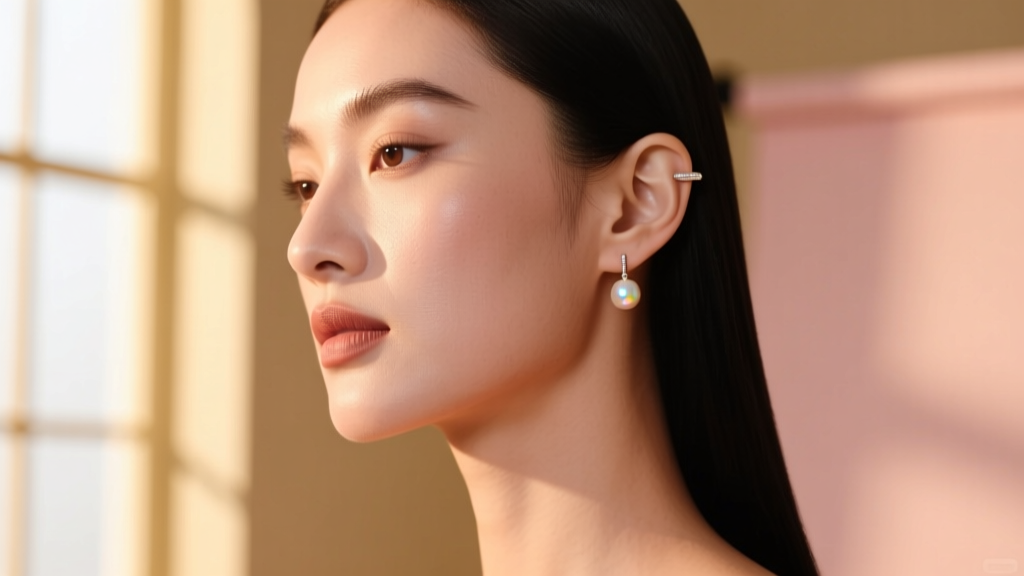
Investment & Pricing Tiers for 2026
Understanding the pricing landscape ensures you do not overpay for inferior grades or underpay for suspicious synthetics. Here is what you should expect to spend on dainty pearl earrings in the current market:
- Entry-Level ($40 - $90): Typically 3mm-4mm AAA freshwater pearls set in sterling silver or gold vermeil. Excellent for trend-driven styling and secondary piercings. Expect slight variations in matching and softer luster.
- Mid-Tier ($150 - $350): 4mm-5.5mm Hanadama Akoya pearls set in solid 14k gold. This tier offers the best return on investment, providing mirror-like luster, secure mounting, and nickel-free posts suitable for sensitive ears.
- Luxury & Designer ($500 - $1,200+): Features rare micro-pearls (like naturally colored Tahitian peacocks under 6mm) or proprietary designer settings (e.g., diamond-accented micro-halos). At this price point, you are paying for the brand's architectural setting design as much as the gemstone.
'The true luxury of 2026 is not size, but precision. A perfectly matched pair of 4.5mm Hanadama Akoya studs with rose overtones will outshine a mismatched pair of 9mm commercial pearls every single time.' — Senior Gemologist, Jewel Style Radar
Final Verdict
Dainty pearl earrings have evolved from a conservative staple into a highly technical, deeply personal styling tool. By prioritizing sharp luster over sheer size, demanding robust mechanical settings over cheap epoxy, and embracing asymmetrical curation, you can master the 2026 micro-elegance trend with confidence. Whether you opt for the satiny warmth of Edison freshwater or the mirror-like strike of Japanese Akoya, the key lies in the details.


