Dangling Pearl Earrings for Wedding: Technical Buyer's Guide
Master the technical specs of dangling pearl earrings for wedding day wear. Compare pearl grades, post gauges, and secure backing systems.

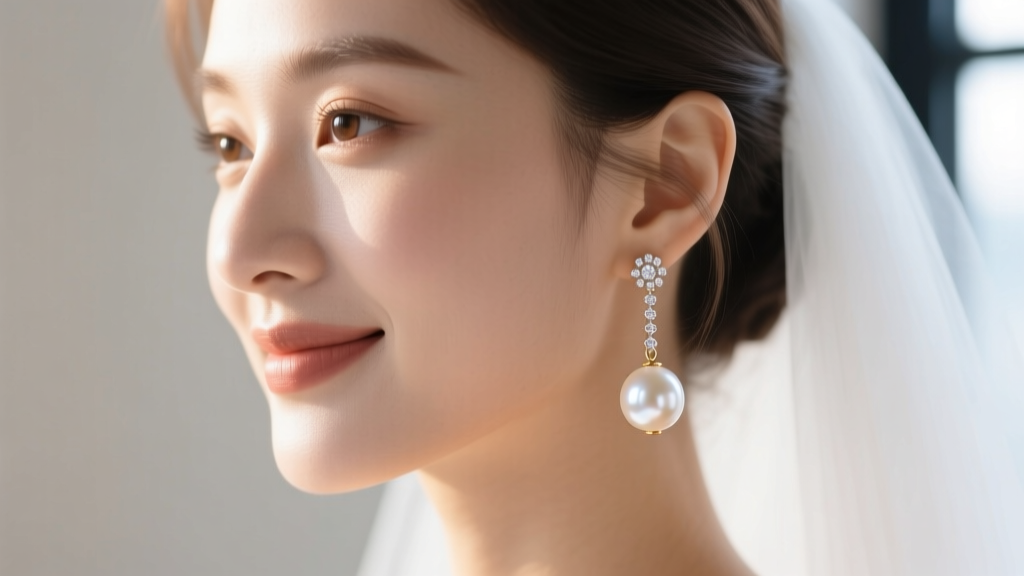
The Physics of the Dangle: Weight Distribution and Pendulum Dynamics
When selecting dangling pearl earrings for wedding day wear, aesthetics must be balanced with biomechanics. A wedding day involves up to 16 hours of continuous wear, encompassing emotional moments, physical embraces, and high-energy dancing. The primary mechanical challenge of a dangle earring is the pendulum effect. If the center of gravity is positioned too low or the overall mass exceeds 7 grams per earring, the rotational inertia will cause the jewelry to swing wildly when the bride turns her head. This not only creates a distracting visual helicopter effect in photography but also places undue shear stress on the earlobe piercing.
To mitigate this, expert jewelers engineer a micro-hinge at the connection point between the stud and the drop. This hinge should allow a restricted 45-degree range of motion, absorbing kinetic energy and preventing the pearl from whipping outward. Furthermore, the total weight of the earring should ideally remain under 5.5 grams to prevent earlobe fatigue and stretching over the course of the day.
Pearl Grading: Nacre Thickness and Luster Refraction
The visual impact of dangling pearl earrings for wedding photography relies entirely on the pearl's luster, which is a direct function of nacre thickness and crystalline aragonite alignment. According to the Gemological Institute of America (GIA), luster is the most critical value factor for pearls. For bridal jewelry, you must look beyond generic AAA marketing terms and demand specific gemological data.
Akoya pearls are the traditional choice for their sharp, mirror-like luster. A high-grade Hanadama-certified Akoya pearl, verified by the Pearl Science Laboratory of Japan, guarantees a minimum nacre thickness of 0.4mm. This dense nacre ensures the pearl will not peel or degrade when exposed to the acidic pH of human sweat or the alkaline environment of professional hairsprays.
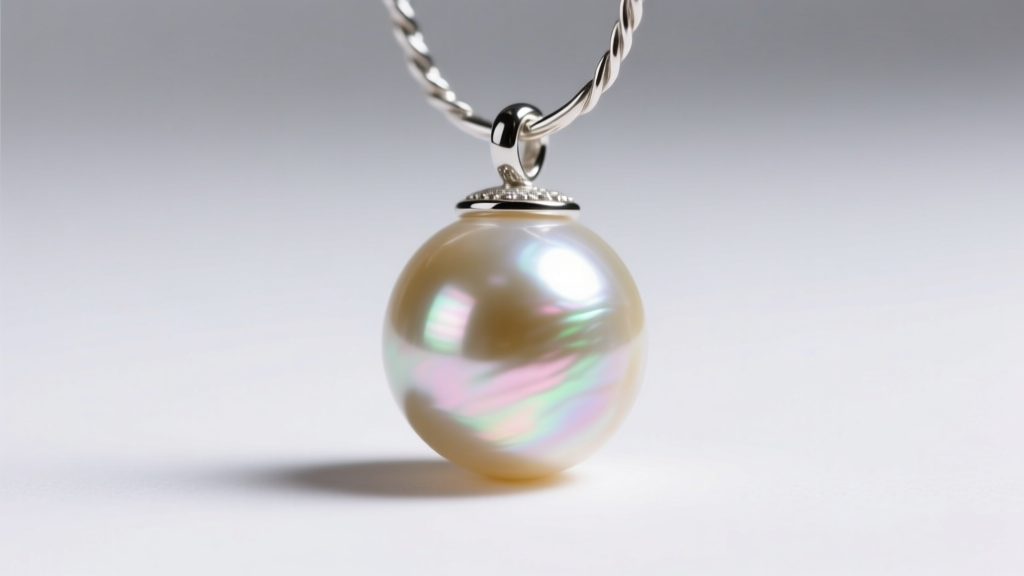
South Sea pearls offer a larger diameter (10mm to 15mm) and a satiny luster due to their thicker nacre layers (2mm to 6mm). However, their increased mass makes them challenging for dangle settings. If you prefer the size of a South Sea pearl, opt for a hollow-tube metal framework to offset the pearl's natural weight. Edison freshwater pearls present a modern, cost-effective alternative. These bead-nucleated pearls can achieve sizes up to 14mm with impressive luster, but buyers must verify the nacre coating via X-ray to ensure the bead nucleus is not visible through the surface.
| Pearl Type | Average Diameter | Nacre Thickness | Specific Gravity | Estimated Price Range (Pair) |
|---|---|---|---|---|
| Hanadama Akoya | 7.5mm - 9.0mm | 0.4mm+ | 2.72 - 2.78 | $800 - $2,500 |
| White South Sea | 10.0mm - 14.0mm | 2.0mm - 6.0mm | 2.60 - 2.70 | $1,500 - $5,000+ |
| Edison Freshwater | 9.0mm - 13.0mm | 1.5mm - 3.0mm | 2.65 - 2.75 | $300 - $900 |
Metallurgy and Post Gauge: Preventing All-Day Ear Fatigue
The structural backbone of your earrings dictates both comfort and safety. Standard bridal earrings often utilize 20-gauge (0.81mm) posts. While this fits most standard piercings, a 20-gauge wire lacks the tensile strength to support a heavy pearl dangle without bending. If the post bends, the backing will not sit flush against the ear, leading to irritation and a high risk of loss.
For dangling pearl earrings for wedding use, an 18-gauge (1.02mm) or 19-gauge (0.91mm) post is structurally superior. If your piercing was done at a standard 20-gauge, a jeweler can craft a tapered post that is 20-gauge at the tip for easy insertion, but flares to 18-gauge at the base to bear the load of the dangle.
Regarding metal alloys, nickel contact dermatitis is a significant risk during prolonged wear. The American Academy of Dermatology notes that nickel allergies can develop or worsen with prolonged exposure to sweat. Avoid standard 14k white gold, which is frequently alloyed with nickel to achieve its white color. Instead, insist on 18k white gold alloyed with palladium, or 950 Platinum. Platinum's density provides excellent structural rigidity, and its hypoallergenic properties make it the ultimate choice for sensitive bridal skin. If you must use palladium-white gold, ensure it is rhodium-plated to a thickness of at least 0.75 microns to prevent the underlying yellowish alloy from showing through during macro photography.
Security Systems: The Failure Mode of Friction Backs
The most common point of catastrophic failure in bridal jewelry is the earring backing. Standard butterfly friction backs rely on the mechanical tension of the metal scroll against the post groove. Over 12 hours, the accumulation of sebum, sweat, and cosmetic powders acts as a lubricant, reducing friction and allowing the backing to slide off silently.
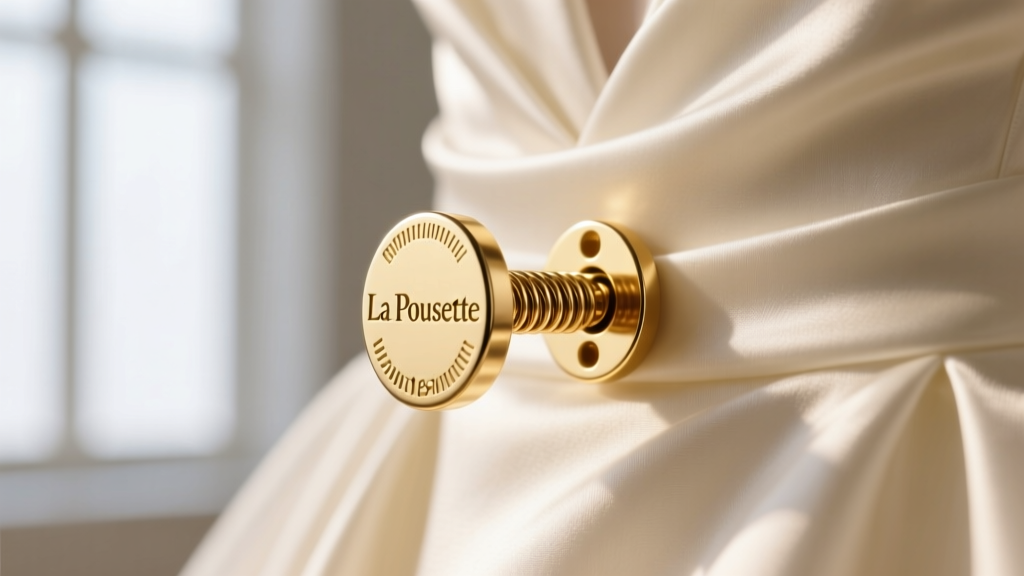
To secure valuable dangling pearl earrings for wedding day activities, you must upgrade to a mechanical locking system. The La Pousette backing is the industry gold standard. It features a spring-loaded internal mechanism that clicks securely over a precision-milled groove on the post. To remove it, you must pinch two microscopic wings, making accidental dislodgement physically impossible. Alternatively, a threaded screw-back post provides excellent security, though it requires careful alignment to avoid cross-threading the delicate precious metal threads.
Structural Integrity: Adhesives and Peg Settings
Most pearl dangles utilize a half-drilled pearl mounted onto a metal peg. The longevity of this bond depends entirely on the adhesive used. Cyanoacrylate (super glue) is strictly prohibited in fine jewelry; it cures brittle, turns white when exposed to moisture, and degrades rapidly upon contact with cosmetic solvents.
Master jewelers use a two-part thixotropic epoxy, such as Epoxy 330 or Devcon 5-Minute Epoxy. These adhesives cure to a hard, clear finish and possess high shear strength. Before bonding, the pearl's drill hole must be meticulously cleaned with isopropyl alcohol to remove any pearl dust or cutting oils. The metal peg should feature micro-grooves or a textured surface to increase the mechanical bonding area. A properly epoxied half-drilled pearl can withstand over 40 pounds of pull force, ensuring the pearl remains secure even if the earring is snagged on a lace veil.
Expert Insight: Always ask your jeweler to show you the adhesive specification sheet. If they cannot confirm the use of a jeweler-grade thixotropic epoxy, request that the pearls be unmounted and re-set using proper archival adhesives before the wedding day.
The 12-Hour Wear Test Protocol
Do not wait until the morning of the wedding to test your jewelry. Implement this protocol two weeks prior to ensure total reliability:
- The Heat Test: Wear the earrings in a steamy bathroom for 20 minutes to simulate dance-floor perspiration. Check if the post becomes slippery or if the skin shows signs of erythema (redness).
- The Snag Test: Drape a piece of fine tulle or lace (similar to your veil) over the earrings and gently pull. The micro-hinge should fold, preventing the pearl from catching and tearing the fabric.
- The Shake Test: Vigorously shake your head side-to-side. The dangles should exhibit controlled, dampened movement rather than wild, unchecked swinging.
By prioritizing biomechanics, precise metallurgy, and gemological data over superficial aesthetics, you ensure your bridal pearls remain secure, comfortable, and photogenic from the first look to the final send-off.


