Destine Earrings Trend 2026: The Fate-Mapped Ear Curation Guide
Discover the 2026 Destine earrings trend. Learn how to curate a fate-mapped ear party with celestial motifs, orbital chains, and asymmetrical placements.

The Rise of the Fate-Mapped Aesthetic
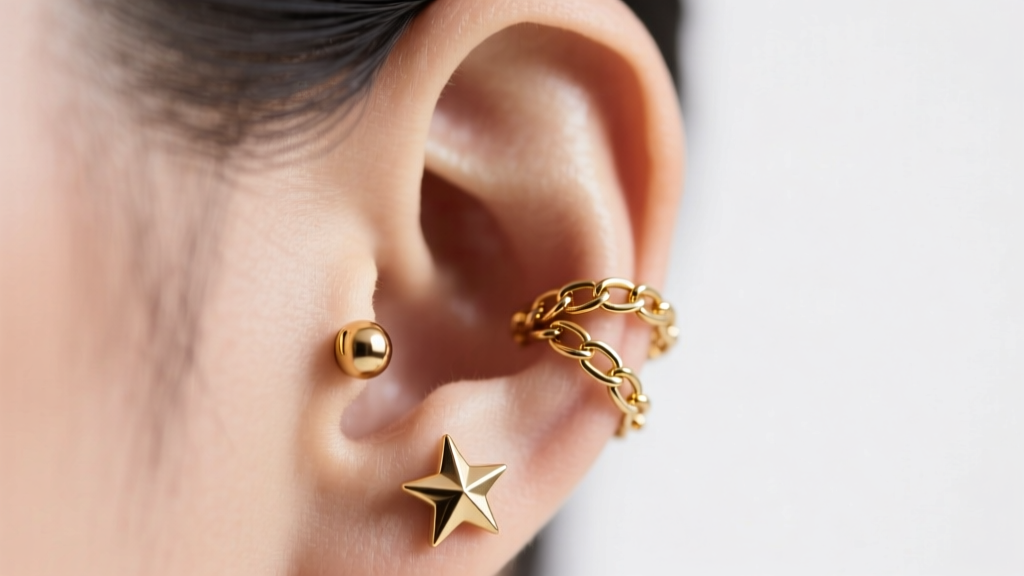
In the ever-evolving landscape of body modification and fine jewelry, the shift from symmetrical "ear parties" to highly personalized, narrative-driven curations has culminated in the viral Destine earrings trend of 2026. When stylists and piercing professionals refer to destine earrings, they are describing a specific subset of celestial and astrological jewelry designed to map the ear like a constellation. This "fate-mapped" aesthetic relies heavily on asymmetry, orbital threader chains, and interconnected motifs that symbolize destiny, fate lines, and personal mythology.
Unlike the heavily stacked, uniform ear curations of the early 2020s, the Destine trend embraces intentional imbalance. It treats the ear as a canvas for storytelling, where a delicate 14k gold chain might physically connect a helix stud to a lower lobe star motif, representing a "fate line." This trend has been championed by high-end jewelry houses and avant-garde piercing studios alike, moving away from mass-produced fast-fashion accessories toward bespoke, anatomically tailored pieces.
Anatomy of a Destine Ear Curation
Executing a flawless Destine ear curation requires a deep understanding of ear anatomy, gauge sizing, and visual weight distribution. The goal is to create a cascading effect that draws the eye upward and inward, mimicking the orbital paths of celestial bodies. Below is a structural blueprint for a classic fate-mapped ear setup.
| Piercing Zone | Jewelry Style | Gauge / Size | Material Grade | Est. Price Range |
|---|---|---|---|---|
| Upper Helix | Orbital Threader Chain | 16g (1.2mm) | 18k Solid Gold | $220 - $350 |
| Mid Conch | Star Cluster Stud | 16g (1.2mm) | ASTM F136 Titanium | $145 - $280 |
| Tragus | Crescent Moon Clicker | 16g (1.2mm) | 14k Solid Gold | $180 - $250 |
| Lower Lobe | Fate-Line Connector | 18g (1.0mm) | 14k Solid Gold | $95 - $160 |
The defining feature of this layout is the Fate-Line Connector in the lower lobe. This specialized piece features a subtle, weighted chain that drapes upward, clipping or threading into the upper helix or conch jewelry. This physical connection is the hallmark of destine earrings, transforming separate piercings into a unified, kinetic sculpture that moves with the wearer.
Material Science: Healing and Longevity
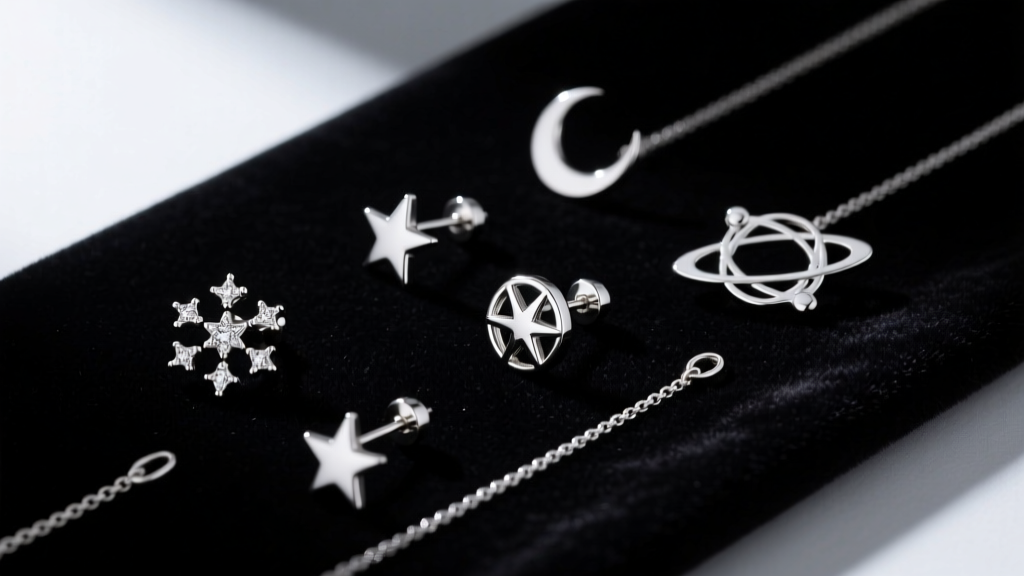
Because the Destine trend heavily utilizes cartilage piercings (helix, conch, tragus) and connecting chains that create tension across the ear, material selection is not merely an aesthetic choice—it is a medical necessity. Cartilage is notoriously avascular, meaning it heals slowly and is highly susceptible to irritation bumps and galvanic reactions.
The Titanium Standard for Fresh Piercings
If you are building a Destine curation on unhealed or recently pierced cartilage, implant-grade titanium is non-negotiable. According to the Association of Professional Piercers (APP), only titanium that meets the ASTM F136 or ASTM F1295 standards is considered safe for initial piercings. This specific alloy is completely nickel-free and biocompatible, drastically reducing the risk of contact dermatitis. Avoid "surgical steel" or "mystery metal" celestial pieces from online marketplaces, as they often contain nickel alloys that will cause severe reactions when subjected to the micro-movements of a connecting chain.
Gold Alloys for Healed Curations
For fully healed piercings (typically 9 to 12 months for cartilage), 14k or 18k solid gold is the premier choice for destine earrings. High-end manufacturers like BVLA (Body Vision Los Angeles) utilize nickel-free gold alloys that maintain structural integrity. Threader chains must be made from 14k or 18k gold rather than gold-plated brass, as the friction of the chain pulling through the fistula will quickly wear away plating, exposing the ear to toxic base metals.
Styling Framework: The Rule of Thirds
The most common mistake enthusiasts make when adopting the Destine trend is overcrowding the ear, resulting in a cluttered, heavy appearance that loses the delicate celestial narrative. Master piercers utilize the "Rule of Thirds" to balance visual weight.
- The Upper Third (Helix/Flat): This zone should feature the "anchor" piece. In a fate-mapped curation, this is usually a larger orbital ring or a brilliant-cut gemstone stud that catches the light. It provides the structural endpoint for any connecting chains.
- The Middle Third (Conch/Daith): This is the narrative core. A star cluster or an intricate sunburst motif sits here. Because the conch has a larger surface area, it can support wider, more detailed pieces without looking overwhelming.
- The Lower Third (Lobe/Tragus): This zone grounds the curation. The tragus often hosts a small, subtle crescent moon, while the lobe holds the starting point of the fate-line chain or a classic diamond huggie.
To maintain the avant-garde appeal of the Destine aesthetic, the opposite ear should remain intentionally minimalist. A single, flush-fitting labret stud or a plain gold huggie on the non-curated ear creates a striking asymmetrical contrast that highlights the complexity of the fate-mapped side.

Sleeping and Maintenance Protocols
The interconnected nature of destine earrings introduces unique maintenance challenges. Threader chains and orbital connectors are notorious snag hazards, particularly during sleep. Snagging can lead to traumatic tears in the fistula or severe irritation bumps on the helix.
"When curating an ear with connecting chains, I always advise clients to remove the fate-line connectors before sleeping. The tension from tossing and turning can easily migrate a healing conch piercing or tear a healed helix. Invest in a silk sleep bonnet or a specialized travel pillow with an ear-hole if you prefer to leave your base studs in overnight."
— Senior Piercer at a luxury London ear curation studio
Furthermore, cleaning a fate-mapped ear requires a shift in routine. Traditional cotton swabs will catch on the delicate chains and star motifs. Instead, use a sterile saline spray (0.9% sodium chloride) and gently pat the area dry with a non-woven gauze pad to prevent fibers from wrapping around the jewelry components.
Where to Source Authentic Destine-Inspired Pieces
As the trend has exploded, the market has been flooded with cheap, plated imitations that pose significant health risks. To achieve a genuine, high-quality Destine curation, look to established fine jewelry and professional body jewelry brands:
- BVLA: The gold standard for custom, high-end cartilage jewelry. Their celestial motifs featuring genuine VS-clarity diamonds and sapphires are unparalleled in quality, though pieces are typically priced between $300 and $800+ and must be ordered through a certified piercing studio.
- Maria Tada: An excellent entry point for accessible luxury. Known for her 14k gold clickers and threaders, her collections frequently feature the moon and star motifs essential to the Destine aesthetic, with prices ranging from $80 to $250.
- Astrid & Miyu: A pioneer in the ear curation space, offering trend-forward, fashion-grade pieces. While their materials may lean toward sterling silver and gold vermeil (best for fully healed lobes only), their pre-designed "ear stacks" perfectly capture the fate-mapped visual style for under $100.
Final Verdict on the 2026 Destine Trend
The Destine earrings movement represents a maturation in the jewelry industry. Consumers are no longer satisfied with simply wearing jewelry; they want to wear a story. By combining the ancient allure of celestial mapping with the precise, anatomical science of modern body piercing, the fate-mapped ear curation offers a deeply personal, visually stunning aesthetic. Whether you opt for a minimalist single-chain connector or a full, diamond-encrusted orbital constellation, prioritizing implant-grade materials and professional piercing placement will ensure your destiny is written in gold, not regret.


