Diamond Bezel Drop Earrings: 2026 Value & Budget Guide
Discover how to evaluate diamond bezel drop earrings in 2026. Compare lab-grown vs. natural pricing, metal grades, and hidden value traps before you buy.

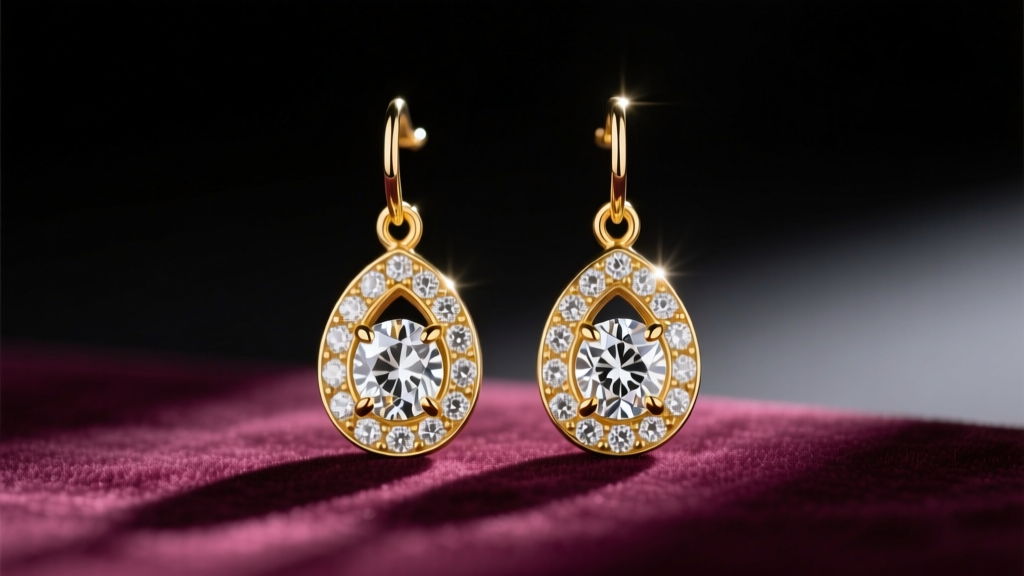
The allure of diamond bezel drop earrings lies in their perfect marriage of sleek, contemporary aesthetics and unparalleled gemstone security. Unlike traditional prong settings that leave diamond edges exposed to snagging and impacts, a bezel encircles the girdle in a custom-fitted metal rim. However, as we navigate the 2026 fine jewelry market, evaluating the true value of these pieces requires looking far beyond simple carat weight. Whether you are eyeing a delicate 0.50 CTW pair for everyday office wear or a dramatic 2.00 CTW statement piece for evening galas, understanding the intersection of metal weight, diamond origin, and structural engineering is critical to protecting your investment.
The Anatomy of Value: What You Are Actually Paying For
When assessing the budget for bezel drop earrings, you must account for the 'metal premium.' A bezel setting inherently requires more precious metal than a four-prong or six-prong basket. This means the gold or platinum weight significantly influences the baseline price, especially in 2026 where precious metal markets have seen notable fluctuations. Furthermore, the construction method of the bezel dictates both the aesthetic value and the manufacturing cost.
Cast vs. Hand-Fabricated Bezels
Most commercial jewelry under the $2,000 price point utilizes cast bezels. In this process, the setting is created from a wax model and cast in gold or platinum. Cast bezels tend to have thicker walls (often 0.8mm to 1.2mm), which can obstruct light entry and make the earring look slightly clunky. Hand-fabricated or die-struck bezels, typically found in high-end artisan pieces, are cut from solid sheets of metal. These allow for ultra-thin walls (0.3mm to 0.5mm), maximizing the visible surface area of the diamond and creating a sleeker profile. When budgeting, expect to pay a 20% to 35% craftsmanship premium for hand-fabricated settings, a cost that is entirely justified by the superior light performance and durability.
2026 Pricing Matrix: Lab-Grown vs. Natural Diamonds
The most significant shift in the 2026 jewelry landscape is the continued price stabilization of lab-grown diamonds. According to market analyses tracked by the International Diamond Exchange (IDEX), lab-grown diamonds now offer an incredible value proposition for bezel drop earrings, allowing buyers to prioritize ideal cut grades and larger carat weights without the exponential price scaling of natural stones. Because a bezel setting covers the outer edges of the diamond crown, light return is primarily dependent on the pavilion facets and the table. Therefore, prioritizing an 'Ideal' or 'Excellent' cut grade is non-negotiable, regardless of the diamond's origin.
| Diamond Origin | Total Carat Weight (CTW) | Metal Choice | Estimated 2026 Retail Range |
|---|---|---|---|
| Lab-Grown | 0.50 CTW (0.25ct each) | 14k Solid Gold | $650 - $950 |
| Lab-Grown | 1.00 CTW (0.50ct each) | 18k Solid Gold | $1,200 - $1,800 |
| Natural Earth-Mined | 0.50 CTW (0.25ct each) | 14k Solid Gold | $2,800 - $4,200 |
| Natural Earth-Mined | 1.00 CTW (0.50ct each) | Platinum 950 | $6,500 - $9,500 |
As outlined by the Gemological Institute of America (GIA), the optical properties of lab-grown and natural diamonds are identical. For bezel drops, opting for lab-grown stones in the G-H color range and VS1-VS2 clarity ensures an eye-clean, bright appearance while keeping your budget firmly in the four-figure range.
Metal Selection and Structural Integrity
The metal you choose impacts not just the color and price, but the structural viability of a drop earring. Drop earrings are subject to kinetic stress; every time you turn your head, the dangling portion swings, transferring torque to the ear post and the articulation joint.
- 14k Gold (58.5% Purity): The undisputed champion for drop earrings. The alloy mix (typically copper, silver, and zinc) provides high tensile strength. A 14k gold ear post is highly resistant to bending under the pendulum weight of a drop mechanism.
- 18k Gold (75% Purity): Offers a richer, warmer yellow hue and is hypoallergenic, but it is inherently softer. If choosing 18k gold for drops exceeding 1.5 inches in length, ensure the ear post is thickened to at least 1.1mm to prevent shearing.
- Platinum 950: Extremely durable and naturally white, but exceptionally heavy. A solid platinum bezel on a long drop earring can cause earlobe fatigue and stretching over time. If you prefer platinum, opt for a hollowed-out or 'honeycomb' gallery beneath the diamond to reduce overall gram weight.
The Articulation Point: A Hidden Failure Mode
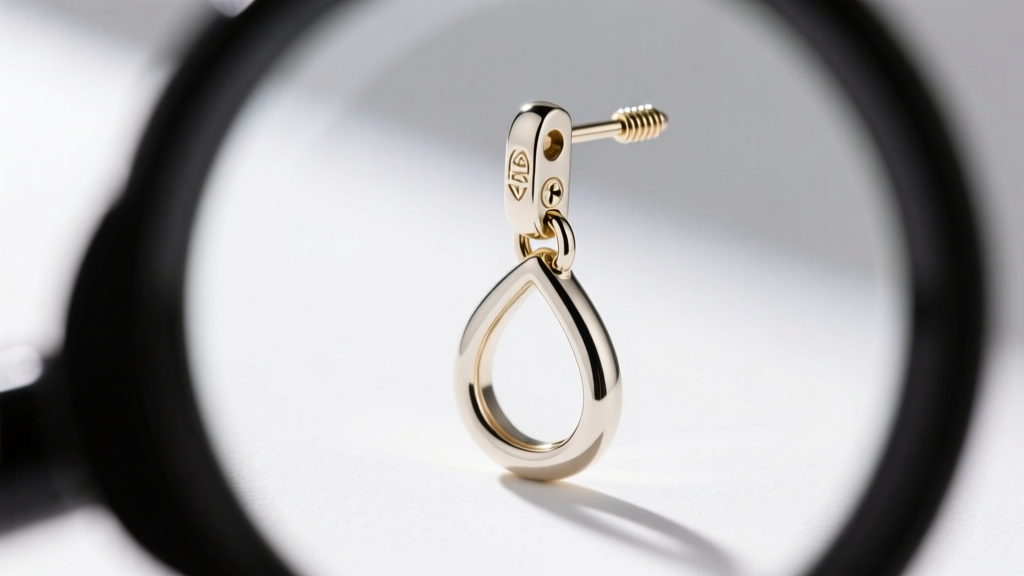
The most common point of failure in budget-friendly drop earrings is the articulation joint—the tiny link connecting the upper stud to the lower drop. Mass-market manufacturers often use simple soldered jump rings. Over time, the friction of the swinging drop wears through the soft solder, causing the earring to snap and the diamond to be lost. When assessing value, inspect the joint. High-value earrings utilize riveted hinges, laser-welded links, or interlocking die-struck loops that cannot pull apart. Never compromise on this microscopic but vital component.
Hidden Costs and Value Traps
When shopping for diamond bezel drop earrings, retailers often employ visual tricks that inflate the perceived value while masking poor material quality. Being aware of these traps is essential for the savvy 2026 buyer.
The 'Halo Illusion' Trap
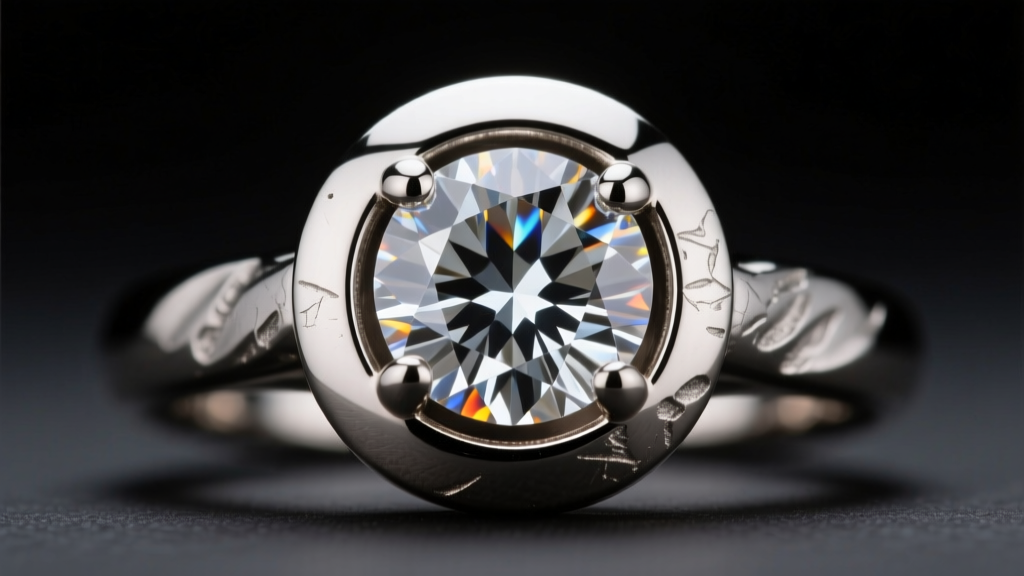
Some bezel settings feature a wide, highly polished metal rim that mimics the appearance of a diamond halo. While this makes a 0.25ct diamond look like a 0.75ct stone from a distance, it is a hallmark of budget manufacturing. This wide metal lip severely restricts light entry from the sides, resulting in a dark, lifeless diamond in dim lighting. True value lies in a precision-cut bezel that hugs the diamond's girdle tightly, exposing the maximum amount of the stone's crown.
'A well-engineered bezel should act as a mirror, reflecting light back into the pavilion, rather than a blindfold that blocks it. Always request a video of the earrings in diffuse, natural lighting before purchasing.' — Independent Gemological Appraisal Standards
Friction Backs vs. Locking Mechanisms
Drop earrings require secure backings. Standard friction backs (butterfly clasps) are entirely inadequate for the weight and movement of drop styles. The constant swinging will slowly work the friction back off the post, leading to catastrophic loss. Value-driven purchases must include threaded screw-backs, La Pousette locking backs, or heavy-duty jumbo silicone discs. If a retailer is selling $3,000 diamond drops with standard friction backs, consider it a red flag regarding their overall manufacturing standards. For deeper insights into jewelry manufacturing disclosures, refer to the Federal Trade Commission (FTC) Jewelry Guides.
Final Verdict: Maximizing Your Investment
Evaluating diamond bezel drop earrings in 2026 requires a holistic approach that balances gemological science with mechanical engineering. To maximize your budget, prioritize lab-grown diamonds with Ideal cut grades, housed in hand-fabricated 14k gold settings with secure locking backs and riveted articulation joints. By focusing on structural integrity and light performance over sheer carat weight or deceptive metal halos, you will secure a pair of earrings that are not only breathtakingly beautiful but built to withstand a lifetime of daily wear.


