The Modern Boy With Earring: Best Materials & Styles
Discover the safest, most durable earring materials for the modern boy with earring. Expert guide on titanium, gold, gauges, and active care.

The Evolution of the Boy With Earring: From Rebellion to Mainstream
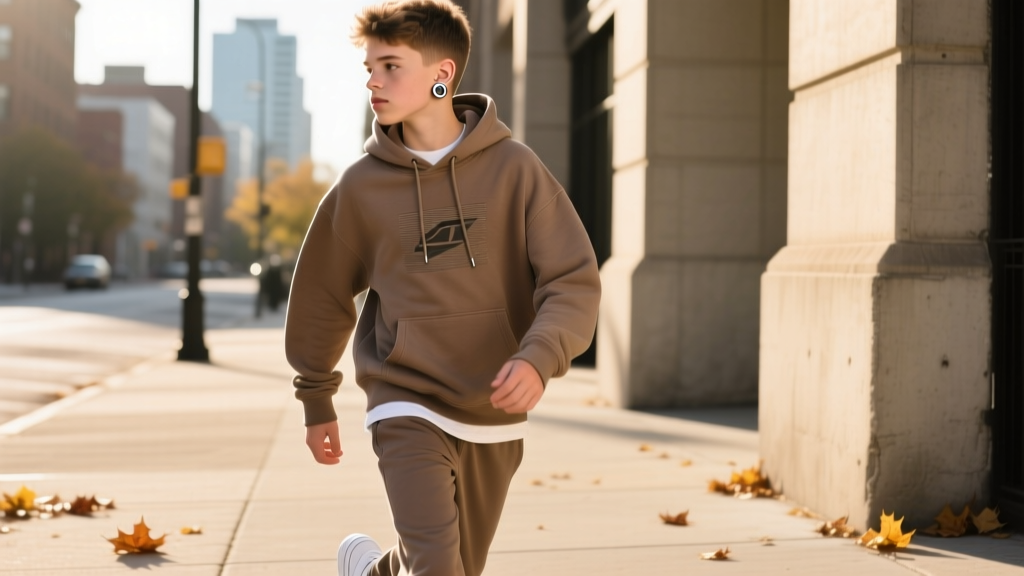
The cultural landscape of men's jewelry has shifted dramatically over the last decade. The concept of the 'boy with earring' is no longer confined to subcultural rebellion or historical piracy; it is a mainstream staple of modern streetwear, high fashion, and everyday personal expression. From subtle 14-karat gold huggies to industrial-grade titanium hoops, young men and boys are embracing ear adornments earlier and more diversely than ever before. However, this surge in popularity brings a critical, often overlooked variable into the equation: material science. When selecting jewelry for an active lifestyle, understanding the metallurgical properties of your earrings is not just a matter of aesthetics—it is a matter of long-term tissue health and biocompatibility.
The Hidden Dangers of Cheap Metals in Active Lifestyles
Boys and young men are frequently engaged in high-friction, high-sweat activities, from contact sports to skateboarding. This environment accelerates metal degradation and increases the risk of contact dermatitis. The most common culprit? Nickel. According to the American Academy of Dermatology, nickel allergy is the most common contact allergy worldwide, affecting up to 20% of the population. Once sensitized, the immune system will react to even trace amounts of nickel for life.
The 'Surgical Steel' Myth
Many commercial jewelry brands market 'Surgical Stainless Steel' (typically 316L or 316LVM) as hypoallergenic. This is a dangerous misnomer. While 316L steel is excellent for surgical tools, it contains between 8% and 10% nickel. The nickel ions can leach out when exposed to the saline environment of a healing piercing or the acidic pH of heavy sweat. For a boy with earring placements in the cartilage—where blood flow is minimal and healing is already notoriously slow—nickel leaching can cause hypertrophic scarring, chronic irritation bumps, and eventual rejection of the piercing.
Material Breakdown: What Actually Works for Growing Ears
To ensure longevity and health, the Association of Professional Piercers (APP) strictly recommends specific materials for both initial and long-term wear. Below is a comparative analysis of the top-tier metals suited for active individuals.
| Material Grade | Biocompatibility | Durability & Properties | Avg. Price Range (Per Piece) |
|---|---|---|---|
| Implant-Grade Titanium (ASTM F136) | Excellent (100% Nickel-Free) | Highly scratch-resistant, lightweight, can be anodized for color | $25 - $65 |
| Niobium (Commercially Pure) | Excellent (Nickel-Free) | Softer, highly malleable, excellent for seamless rings | $30 - $55 |
| 14k / 18k Solid Gold (Palladium Alloy) | Very Good (Must be Nickel-Free) | Prestigious, heavy, prone to scratching if alloyed with soft metals | $80 - $250+ |
| Platinum (950) | Excellent (Hypoallergenic) | Extremely dense, heavy, will not tarnish or oxidize | $200 - $600+ |
Deep Dive: Titanium vs. Gold
For the active boy with earring jewelry that needs to withstand helmets, hoodies, and sports gear, Implant-Grade Titanium (ASTM F136) is the undisputed champion. It is roughly 45% lighter than steel and possesses a superior strength-to-weight ratio. Furthermore, titanium can be treated with Physical Vapor Deposition (PVD) to achieve permanent, scratch-resistant black, gold, or rose-gold finishes without compromising the metal's biocompatibility.
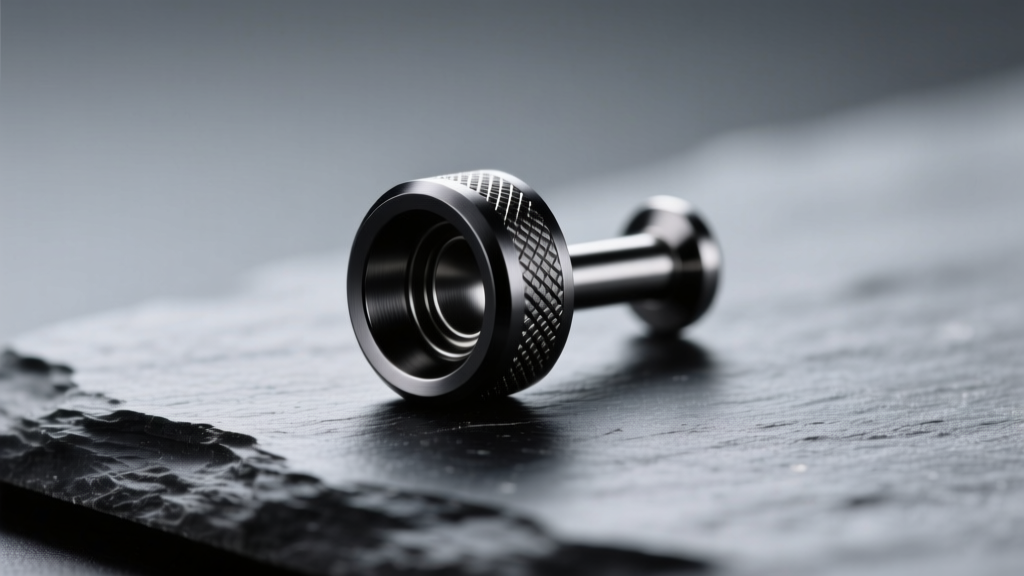
Solid gold remains a premium choice, but buyers must be vigilant. White gold is traditionally alloyed with nickel to achieve its silver color. Always verify that the gold is alloyed with palladium or silver instead. Furthermore, avoid gold-plated or gold-vermeil jewelry entirely; the friction from daily wear and sports will strip the microscopic gold layer within weeks, exposing the reactive brass or steel base metal underneath.
Gauge Sizes and Anatomy: Matching the Metal to the Piercing
Material is only half the equation; structural integrity relies on correct gauge sizing and threading mechanics. The 'gauge' refers to the thickness of the jewelry post. Using jewelry that is too thin can lead to the 'cheese-cutter effect,' where the metal slowly slices through the tissue during physical trauma.
- Standard Lobe Piercings (20g to 18g): Most initial lobe piercings are done at 20g (0.81mm) or 18g (1.02mm). For active boys, upgrading to 18g or even 16g after healing provides a thicker, more stable post that resists bending if snagged on clothing or equipment.
- Cartilage / Helix / Tragus (16g to 14g): Cartilage piercings should almost exclusively be fitted with 16g (1.29mm) or 14g (1.63mm) jewelry. The thicker post stabilizes the fistula (the piercing canal), reducing movement that causes irritation bumps.
- Threading Mechanics: Never use externally threaded jewelry (where the screw is on the post). The sharp threads tear the delicate fistula lining upon insertion. Always opt for internally threaded (screw on the decorative end) or threadless / push-pin jewelry, which uses tension to stay securely in place and offers a perfectly smooth post.
Practical Maintenance for the Active Boy
Even the highest-grade ASTM F136 titanium requires proper maintenance, especially when exposed to the elements. Sweat, chlorine from swimming pools, and environmental dirt can accumulate around the jewelry setting, leading to localized infections or foul odors.
- The Saline Rule: Clean the jewelry and surrounding tissue twice daily with a sterile, 0.9% sodium chloride wound wash. Avoid homemade salt solutions, as improper ratios can dehydrate and burn the tissue.
- Post-Sport Protocol: After heavy sweating or swimming, rinse the ears with clean, distilled water to remove acidic sweat and harsh pool chemicals that can degrade PVD coatings or dull polished gold.
- Friction Management: Avoid sleeping directly on fresh or irritated piercings. Utilize a U-shaped travel pillow to allow the ear to rest in the hollow center, preventing pressure necrosis and jewelry migration.
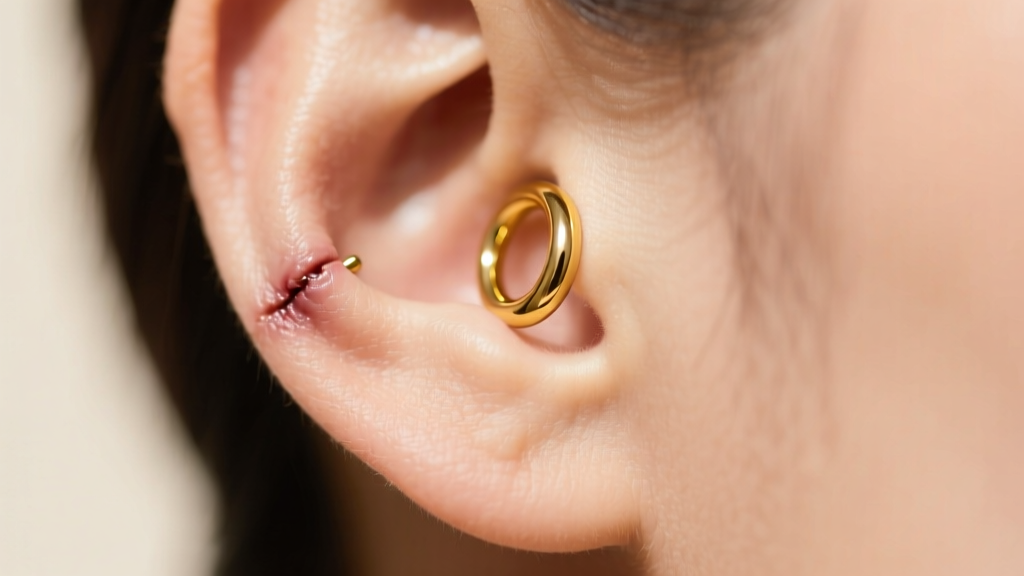
- Snag Prevention: For boys who play contact sports like football or wrestling, remove hoops and dangles entirely during practice. Opt for flush-fitting threadless labret studs or flat-back huggies that sit completely flush against the anatomy to eliminate snag hazards.
Final Verdict: Investing in Lifelong Wear
The modern boy with earring styling choices is vast, but the foundation of any good jewelry collection must be built on material integrity. Skipping the cheap mall-kiosk metals in favor of implant-grade titanium, pure niobium, or palladium-alloyed solid gold is an investment in both personal health and long-term aesthetics. By matching the correct gauge to the specific ear anatomy and adhering to a rigorous, sports-aware maintenance routine, young men can enjoy their body modifications safely, comfortably, and stylishly for a lifetime.


