How Much Is a Diamond Earring? 2026 Technical Pricing Guide
Discover exactly how much a diamond earring costs in 2026. Our expert guide breaks down pricing by carat, cut, lab-grown vs. natural, and metal settings.

The Core Question: How Much Is a Diamond Earring?
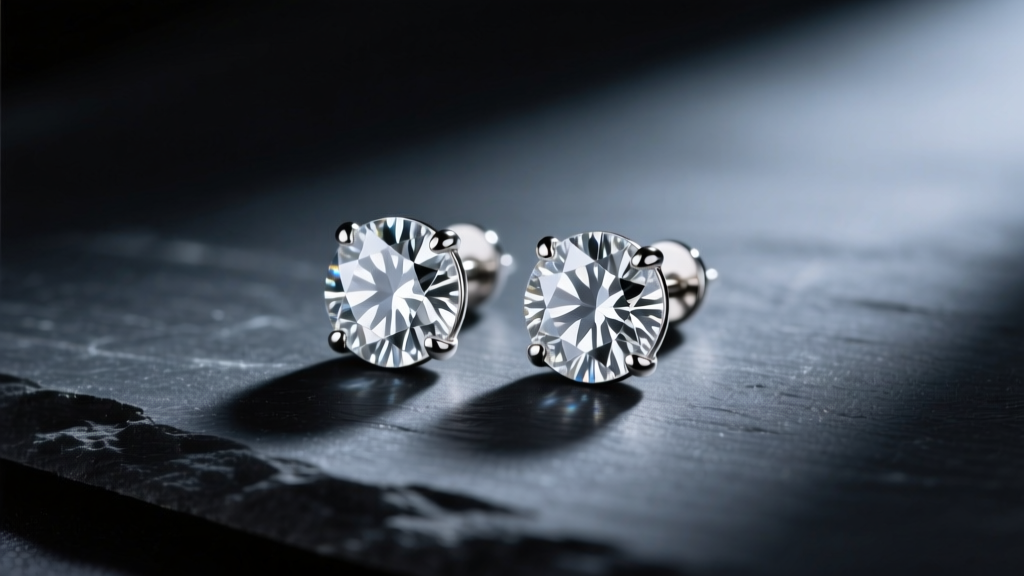
When consumers ask, "how much is a diamond earring," they are often met with vague estimates that fail to account for the complex variables of gemology and precious metal markets. As of 2026, the price of a single diamond earring can range from as little as $150 for a modest lab-grown stone to well over $25,000 for a high-carat, flawless natural diamond. However, fine jewelry is rarely bought in isolation; it is purchased in pairs. To provide a genuinely useful answer, we must dissect the technical metrics that dictate earring pricing, moving beyond generic retail markups and into the actual wholesale and gemological realities of the current market.
Understanding TCW and the 'Matched Pair' Premium
The most critical technical distinction in earring pricing is Total Carat Weight (TCW) versus individual carat weight. A 1.00ct TCW pair consists of two 0.50ct diamonds. Pricing is not strictly linear. A 1.00ct single diamond costs exponentially more than two 0.50ct diamonds of the same quality due to the rarity of large rough crystals.
Furthermore, buyers must account for the Matched Pair Premium. Finding two natural diamonds with identical face-up spread, color saturation, and inclusion patterns is exceptionally difficult. Cutters often sacrifice rough crystal yield to ensure the two stones in a pair match perfectly. Consequently, a matched pair of natural diamonds commands a 15% to 25% premium over the cost of buying two individual, unmatched stones of the exact same specifications. According to the Gemological Institute of America (GIA), symmetry in matched pairs is vital for light performance, as mismatched cuts will cause one earring to appear noticeably darker than the other under ambient lighting.
2026 Diamond Earring Pricing Matrix
The market has shifted significantly over the last few years, particularly with the stabilization of lab-grown diamond pricing. Below is a technical breakdown of average retail pricing for round brilliant stud earrings in 2026, assuming a baseline of Excellent Cut, G-H Color, and VS2-SI1 Clarity.
| Total Carat Weight (TCW) | Natural Diamond Pair (USD) | Lab-Grown Diamond Pair (USD) | Price Per Carat (Natural) |
|---|---|---|---|
| 0.50 ct TCW (0.25ct each) | $600 - $1,100 | $200 - $350 | $1,200 - $2,200 |
| 1.00 ct TCW (0.50ct each) | $2,200 - $4,500 | $500 - $900 | $2,200 - $4,500 |
| 2.00 ct TCW (1.00ct each) | $8,500 - $18,000 | $1,200 - $2,400 | $4,250 - $9,000 |
| 3.00 ct TCW (1.50ct each) | $22,000 - $45,000+ | $2,500 - $4,800 | $7,300 - $15,000+ |
Note: Prices fluctuate based on the Rapaport Diamond Report and specific retailer overhead. Always verify the exact grading report before purchasing.
Optimizing the 4Cs for Earlobe Viewing Distance
One of the most effective ways to manipulate how much a diamond earring costs is to optimize the 4Cs specifically for the earlobe. Earrings are viewed from a conversational distance of 2 to 3 feet, unlike engagement rings which are viewed from inches away. This physical reality allows for strategic downgrades that save thousands of dollars without sacrificing visual impact.
Color and Clarity: The Strategic Downgrade
For round brilliant studs, the human eye cannot easily distinguish between a D-color (colorless) and an I-color (near-faint) diamond once the stone is mounted on the ear and reflecting ambient light. Similarly, inclusions in an SI1 or even a well-chosen SI2 clarity grade are completely invisible to the naked eye at a 2-foot distance. By targeting H-I color and SI1 clarity, buyers can reduce their natural diamond budget by up to 35% compared to VVS1/F colorless stones, redirecting those funds toward a larger carat weight or a superior cut.
Cut Quality: The Non-Negotiable Metric
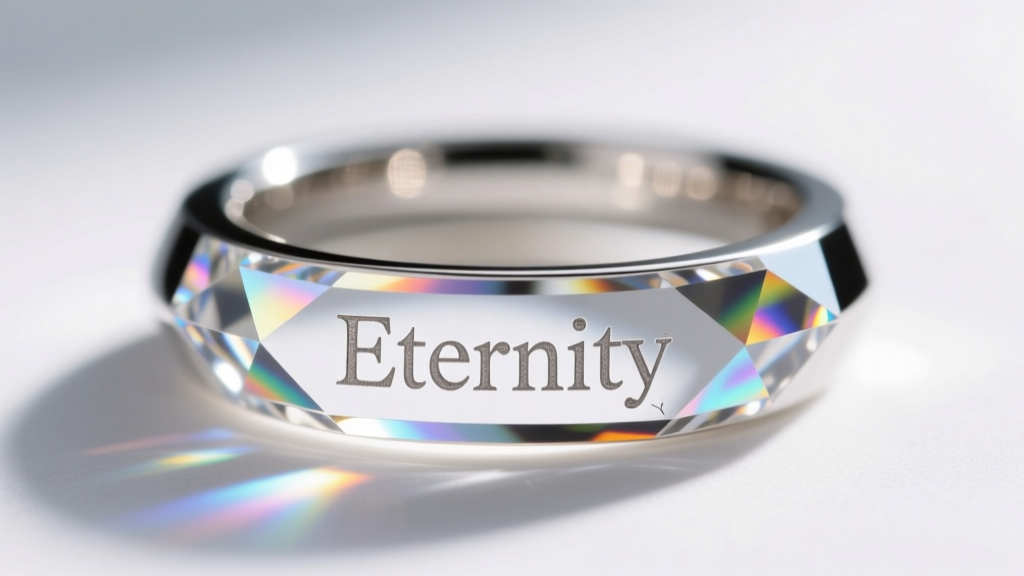
While color and clarity can be compromised, cut quality cannot. A poorly cut diamond will leak light, appearing dull and lifeless, regardless of its carat weight. For round brilliants, insist on a GIA "Excellent" or an AGS/IGI "Ideal" cut grade. Pay strict attention to the Hearts and Arrows optical symmetry, which maximizes scintillation (sparkle) from across the room. For fancy shapes like ovals or pears, avoid stones with a pronounced "bow-tie" effect—a dark shadow across the center of the stone caused by poor facet alignment.
Setting Styles and Metal Alloy Costs
The metal holding your diamond significantly impacts the final invoice. In 2026, precious metal commodity prices remain a major factor in jewelry manufacturing. Here is how different settings and alloys affect the bottom line:
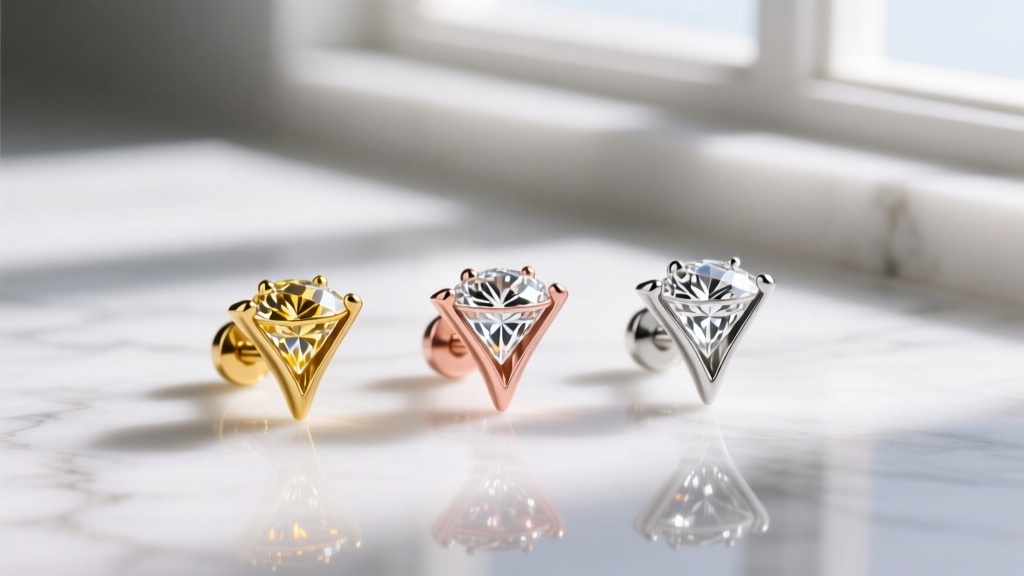
- 14k Gold (White, Yellow, or Rose): The industry standard for durability and cost. A standard 14k gold setting for a 1.00ct TCW pair adds approximately $150 to $250 to the total cost. It contains 58.5% pure gold, making it highly resistant to bending and prong wear.
- 18k Gold: Contains 75% pure gold, offering a richer color (especially in yellow and rose gold) but is slightly softer. Expect to pay a $100 to $150 premium over 14k gold.
- Platinum (950 Pt): The premier choice for heirloom-quality studs. Platinum is denser and heavier than gold. A platinum martini setting can weigh 3.5 grams compared to 1.8 grams for 14k gold, adding $400 to $700 to the base price of the earrings. However, its natural white color never requires rhodium plating.
Martini vs. Basket vs. Bezel Settings
The architecture of the setting also dictates price and wearability. Martini settings (3-prong) use the least amount of metal, maximizing light entry from the sides and keeping metal costs low. Basket settings (4-prong with a horizontal base) offer more security for stones over 1.00ct TCW but add slight weight. Bezel settings, where a continuous rim of metal surrounds the diamond, are the most secure and modern, but they require highly skilled labor and more metal, increasing the setting cost by 20% to 30%.
Hidden Costs: Certification, Upgrades, and Insurance
When calculating how much a diamond earring truly costs, buyers often overlook post-purchase and verification expenses.
"Never purchase a natural diamond over 0.50ct per ear without a GIA grading report, and never buy a lab-grown diamond without an IGI or GCAL report. The certificate is your only guarantee that the stone's technical specifications match the seller's claims." — Industry Gemological Standard
Certification Costs: If you are buying loose diamonds to have custom-set, expect to pay $80 to $150 per stone for a GIA dossier or full report. Lab-grown certifications via the International Gemological Institute (IGI) typically cost slightly less but are equally vital for verifying the stone's origin and 4Cs.
Insurance Premiums: Fine jewelry insurance (via providers like Jewelers Mutual or Brite) generally costs 1% to 2% of the appraised retail value annually. For a $5,000 pair of diamond studs, budget $50 to $100 per year to protect against loss, theft, or accidental damage.
Actionable Buying Framework for 2026
To ensure you secure the best technical value for your budget, follow this precise checklist before finalizing your purchase:
- Define your TCW threshold: Decide if you want subtle (0.50ct TCW), classic (1.00ct TCW), or statement (2.00ct+ TCW).
- Choose your origin: Opt for Lab-Grown if you prioritize maximum size and brilliance on a strict budget. Choose Natural if you value geological rarity and long-term heirloom prestige.
- Set the 4C parameters: Lock in Excellent/Ideal Cut. Cap your color search at H or I, and your clarity at SI1 or VS2.
- Verify the Match: Request high-resolution video of the actual matched pair to ensure the face-up diameters (measured in millimeters, not just carat weight) are identical.
- Select the metal: Choose 14k white gold for a cost-effective, bright setting, or platinum for lifelong durability without rhodium maintenance.
Understanding the technical anatomy of diamond pricing transforms a daunting purchase into a calculated investment. By leveraging the viewing distance of the earlobe and understanding the nuances of matched pairs, you can acquire exceptional diamond earrings that punch far above their weight class in both brilliance and value.


