Expert Care and Cleaning for Diamond Gauge Earrings
Learn how to properly clean, maintain, and protect your diamond gauge earrings. Expert tips on post thickness, prong care, and safe cleaning solutions.

Understanding Diamond Gauge Earrings and Post Vulnerability
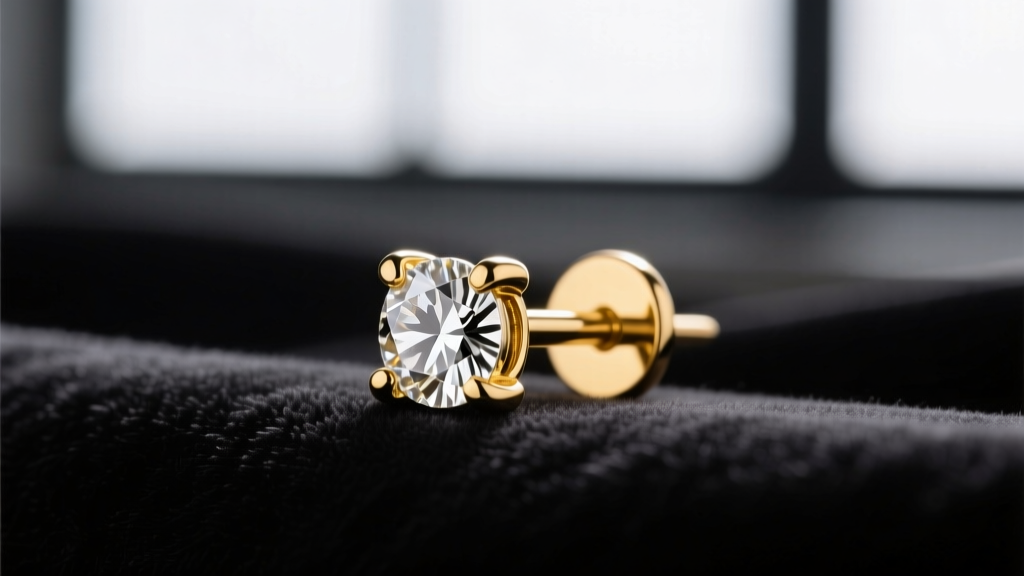
When investing in fine jewelry, most buyers focus entirely on the 4Cs of the diamond. However, the structural integrity of the earring post—specifically its gauge thickness—is equally critical to the longevity of the piece. The term diamond gauge earrings refers to the specific thickness of the metal post that passes through the ear piercing, which directly dictates how the earring must be handled, cleaned, and stored.
In the jewelry industry, post thickness is measured in gauges. The most common sizes for diamond studs are 20-gauge (0.81mm), 18-gauge (1.02mm), and occasionally 16-gauge (1.29mm) for heavier carat weights or cartilage placements. A thinner 20G post is highly susceptible to micro-bending and metal fatigue, especially when pushing friction backs into place. Understanding your specific gauge is the first step in establishing a proper maintenance routine that prevents catastrophic post failure and keeps your diamonds sparkling.
The Science of Diamond Grease and Post Tarnish
To clean diamond gauge earrings effectively, you must understand the chemical nature of the materials involved. Diamonds possess a lipophilic (oil-attracting) carbon lattice. This means the surface of your diamond naturally attracts and holds onto sebum, lotions, makeup, and cooking oils. When a diamond is coated in a microscopic layer of grease, its refractive index is compromised, resulting in a dull, lifeless appearance.
Simultaneously, the metal post—whether 14k gold, 18k gold, or platinum—interacts with the acidic environment of the ear canal. Dead skin cells, sweat, and soap scum accumulate in the microscopic grooves of the post where the earring backing secures. According to the Gemological Institute of America (GIA), regular exposure to household chemicals and cosmetics can degrade the alloy metals in gold posts over time, leading to a dull film that requires more than just a simple wipe to remove.
Step-by-Step Cleaning Protocol for Diamond Gauge Earrings
Proper cleaning requires a methodical approach that addresses both the lipophilic diamond and the delicate metal post. Avoid harsh chemicals that can damage the alloy composition of your specific gauge post.
Step 1: The Ammonia-Free Degreasing Soak
While ammonia is excellent for cutting grease, frequent use can degrade the structural integrity of lower-karat gold alloys and weaken the solder joint connecting thin 20G posts to the setting basket. Instead, create a solution of lukewarm water and a few drops of mild, ammonia-free dish soap (such as Dawn). Submerge your diamond gauge earrings for 15 to 20 minutes. This allows the surfactants to break the surface tension of the oils clinging to the diamond pavilion.
Step 2: Pavilion and Post Base Brushing
Remove the earrings from the soak and use a dedicated, ultra-soft baby toothbrush. Gently brush the underside (pavilion) of the diamond, where the majority of grease accumulates. Next, carefully brush the base of the post where it meets the setting basket. This junction is a prime trap for dead skin cells and lotion residue.
Step 3: Detailing the Post Grooves
The friction grooves at the end of the post are notoriously difficult to clean. Do not use metal tools, as they will scratch the gold or platinum. Instead, use a wooden toothpick or a soft interdental brush to gently dislodge compacted debris from the post notches. Rinse thoroughly under lukewarm running water, ensuring the drain is securely plugged.
Gauge-Specific Maintenance and Prong Checks
The maintenance requirements for diamond gauge earrings shift dramatically depending on the thickness of the post. Thinner posts require a gentler touch and more frequent inspections for metal fatigue, while thicker posts demand rigorous hygiene to prevent piercing irritation.
| Gauge Size | Diameter (mm) | Best For | Common Failure Mode | Cleaning & Care Focus |
|---|---|---|---|---|
| 20G | 0.81mm | Lightweight Lobe Studs (Under 0.50ct) | Post bending & metal fatigue at the solder joint | Friction back grooves; avoid lateral pressure when inserting backs |
| 18G | 1.02mm | Standard Lobe Diamonds (0.50ct - 1.50ct) | Prong wear from snagging on fabrics | Setting basket underside; check prong tension bi-annually |
| 16G | 1.29mm | Cartilage, Helix, & Heavy Drops | Tissue irritation from trapped debris on thick posts | Post threading; sanitize with isopropyl alcohol before re-insertion |
For 20G and 18G posts, always hold the earring head securely between your thumb and forefinger when pushing the friction back on. Applying pressure directly to the post without supporting the head will eventually snap the metal at the solder point due to leverage-induced metal fatigue.
What to Avoid: The Ultrasonic Cleaner Risk
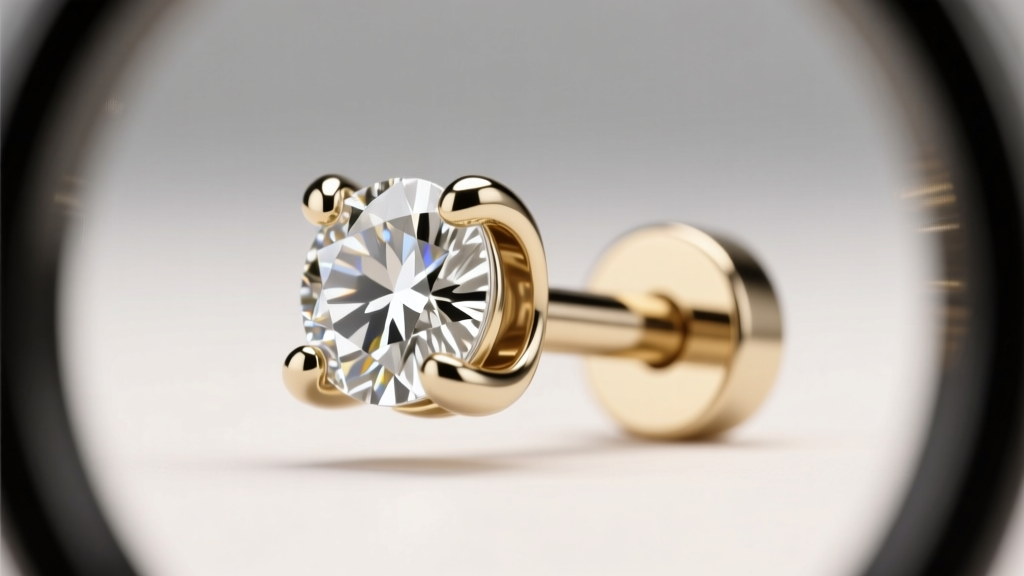
Many jewelry owners rely on at-home ultrasonic cleaners to restore the brilliance of their diamonds. While ultrasonic cavitation is highly effective at shaking loose dirt from the underside of a diamond, it poses a severe risk to certain diamond gauge earrings. The high-frequency vibrations can easily loosen the solder joint on lightweight 20G posts, causing the diamond head to detach from the post entirely.
Furthermore, if your diamond has been fracture-filled or has undergone laser drilling, the intense vibrations and heat of an ultrasonic cleaner can alter the filling material, leaving a cloudy or milky appearance. The Jewelers of America strongly recommends consulting with a professional gemologist before utilizing ultrasonic cleaning methods on any fine jewelry, particularly delicate stud earrings with thin gauge posts.
Storage and Daily Wear Best Practices
How you store and secure your diamond gauge earrings is just as important as how you clean them. The earring backing you choose must be compatible with your post gauge to prevent loss and minimize wear.
- Friction Backs (Butterfly Backs): Best for 18G and 16G posts. Over time, the metal loops on friction backs stretch out. If you notice the backing sliding off your 20G post too easily, replace the back immediately rather than squeezing the loops tighter, which compromises the metal's memory.
- Screw Backs: Ideal for 18G and 16G posts, particularly for high-carat diamonds. They require threaded posts. Always ensure the post is completely dry and free of soap residue before screwing the back on, as trapped moisture in the threads can lead to localized corrosion.
- La Pousette Backs: These locking backs feature a mechanical clutch that grips the post securely. They are excellent for 20G posts because they eliminate the need to forcefully push a tight friction back onto a thin, bendable wire.
Finally, never toss your diamond gauge earrings loosely into a jewelry box. Diamonds are a 10 on the Mohs hardness scale and will easily scratch the gold or platinum posts of other earrings, as well as the metal settings of neighboring rings. Store each pair individually in a soft, anti-tarnish flannel pouch or a dedicated compartment with a secure clasp to prevent the posts from bending under the weight of other jewelry.


