Material Guide for Diamond Shaped Earrings: Metals & Properties
Compare metals and materials for diamond shaped earrings. Discover how gold, titanium, and acetate affect weight, durability, and edge retention.

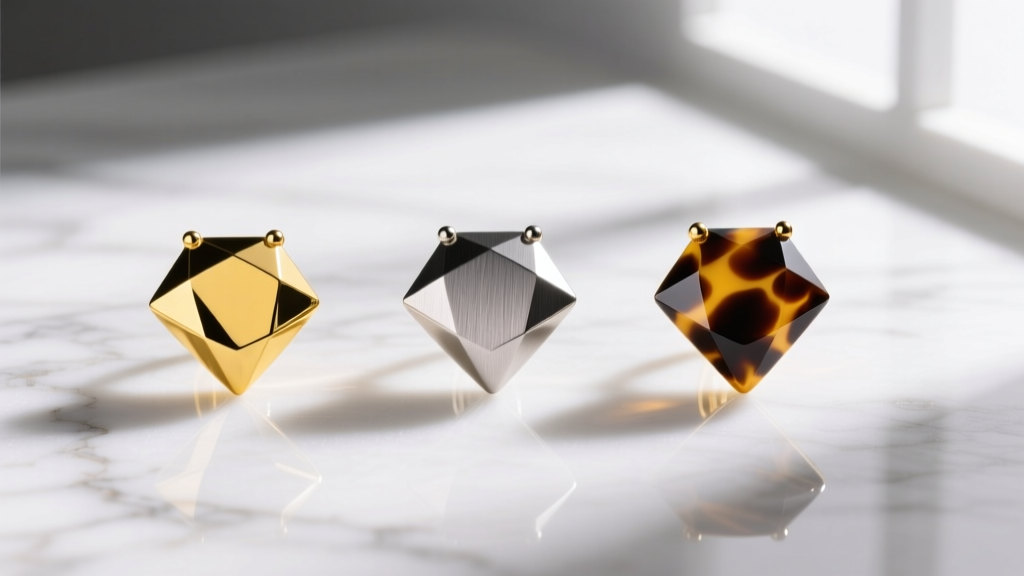
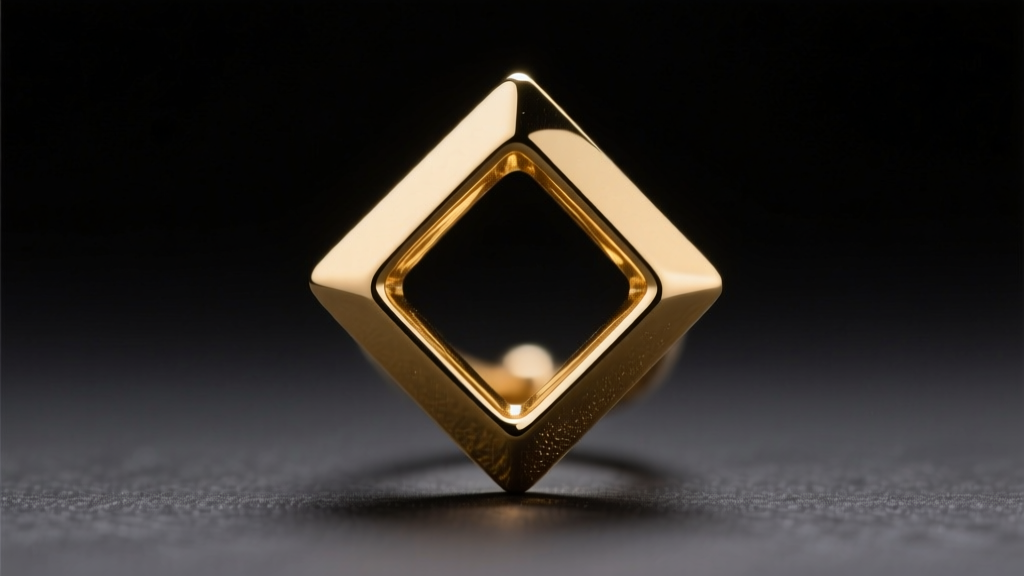
The geometric allure of diamond shaped earrings—often referred to in jewelry design as rhombus or kite silhouettes—lies in their sharp, elongated vertices and striking visual symmetry. However, this specific geometry presents unique structural challenges that are entirely dependent on the material used. Unlike circular hoops or smooth teardrop pendants, the sharp points of a diamond shape act as levers, snag points, and stress concentrators. Choosing the right metal or alternative material is not merely an aesthetic decision; it dictates the earring's longevity, comfort, and structural integrity.
In this comprehensive material comparison, we break down the metallurgical properties, weight profiles, and practical wearability of the most common materials used for diamond shaped earrings, providing a data-driven framework for your next jewelry investment.
The Geometry Problem: Why Material Matters for Rhombus Silhouettes
The defining feature of diamond shaped earrings is the presence of acute angles, typically at the top and bottom vertices. In materials science, sharp corners are natural stress concentrators. When an earring snags on a sweater or hair, the force is amplified at these vertices. If the material lacks sufficient hardness—measured on the Vickers Hardness (HV) scale—the points will bend, warp, or lose their crisp definition over time.
Furthermore, the elongated nature of the diamond shape often translates into larger surface areas. When crafted from dense metals, this increased volume results in significant weight, which can cause earlobe fatigue or stretching, particularly in dangle and drop variations. Therefore, evaluating materials requires a dual-lens approach: analyzing both surface hardness (for edge retention) and density (for wearable comfort).
Precious Metals: Gold, Platinum, and Silver Compared
Precious metals remain the standard for fine jewelry, but their alloy compositions drastically alter their performance in geometric designs.
14k vs. 18k Gold
Gold purity is the primary determinant of hardness. Pure 24k gold is far too soft for any structured jewelry. According to metallurgical data referenced by the Gemological Institute of America (GIA), 18k gold (75% pure gold) typically registers around 120-130 HV. While it offers a rich, warm color, the sharp bottom vertex of an 18k gold diamond earring is prone to bending if dropped or snagged.
Conversely, 14k gold (58.5% pure gold, alloyed with copper, silver, or zinc) boasts a Vickers hardness of approximately 140-160 HV. This 15-20% increase in structural rigidity makes 14k gold vastly superior for diamond shaped earrings with elongated, razor-sharp points, as it resists deformation and maintains its crisp geometric lines for decades.
Platinum and Sterling Silver
Platinum is incredibly durable and hypoallergenic, but its density (21.45 g/cm³) makes it problematic for oversized diamond dangles. A solid platinum rhombus earring measuring just 1.5 inches in length can weigh enough to cause the 'cheese-cutter effect,' slowly migrating through the earlobe piercing over time. Platinum is best reserved for small, lightweight diamond-shaped studs or huggies.
Sterling silver (92.5% silver, 7.5% copper) is highly malleable, with a hardness of roughly 65-75 HV. While affordable and brilliant, silver diamond earrings with sharp points will almost certainly bend upon impact. If you choose silver for this shape, opt for designs with slightly blunted or 'tumbled' vertices rather than knife-edge points.
Material Data Comparison Chart
| Material | Vickers Hardness (HV) | Density (g/cm³) | Best Suited For | Snag / Bend Risk |
|---|---|---|---|---|
| 14k Yellow/White Gold | 140 - 160 | ~15.0 | Sharp points, elongated dangles | Low |
| 18k Yellow Gold | 120 - 130 | ~17.5 | Studs, thicker geometric wires | Medium |
| Platinum (950) | 50 - 100 (Work-hardens) | 21.45 | Small studs, heavy pavé settings | Low (but heavy) |
| Sterling Silver | 65 - 75 | 10.4 | Blunted shapes, budget-friendly dangles | High |
| Grade 23 Titanium | 300 - 350 | 4.43 | Ultra-thin wires, sensitive ears | Extremely Low |
| Acetate / Resin | 15 - 25 | ~1.3 | Oversized, statement geometric drops | Medium (Scratches) |
Alternative & Hypoallergenic Metals: Titanium and Niobium
For wearers with metal sensitivities or those seeking ultra-modern, architectural aesthetics, alternative metals offer unparalleled performance for geometric jewelry.
ASTM F136 Titanium
When shopping for titanium diamond shaped earrings, the specific alloy grade is critical. The industry standard for body-safe, hypoallergenic jewelry is ASTM F136 (Ti-6Al-4V ELI). As outlined by ASTM International, this specific grade of titanium is used in surgical implants due to its biocompatibility and exceptional strength-to-weight ratio. With a Vickers hardness exceeding 300 HV, titanium will never bend or lose its sharp geometric points, even if crafted in ultra-thin 22-gauge wire. Furthermore, its low density (4.43 g/cm³) means even a massive 3-inch titanium diamond drop will feel virtually weightless on the earlobe.
Niobium and Anodization
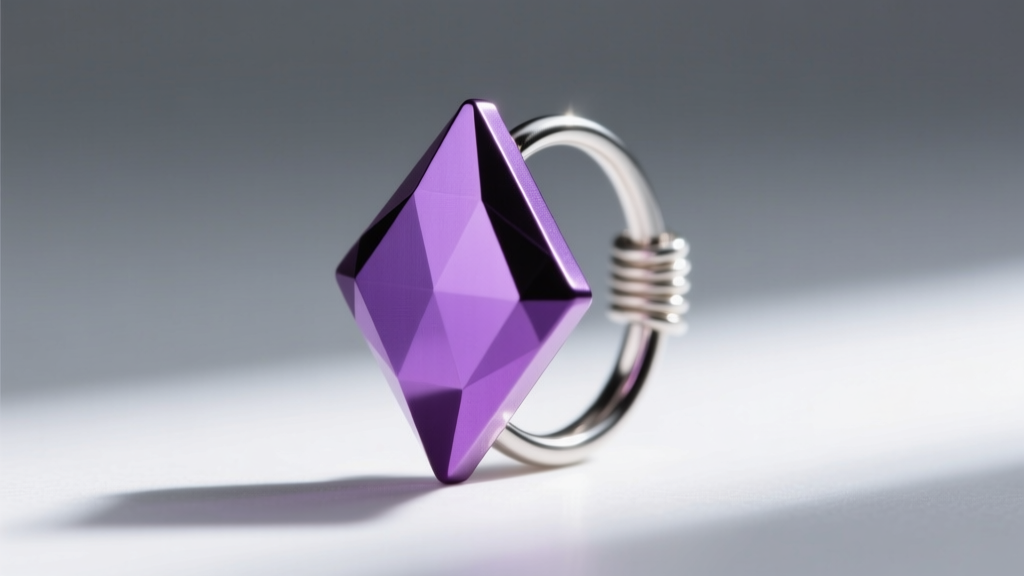
Niobium is another highly reactive, hypoallergenic metal that excels in geometric designs. Unlike gold or silver, niobium can be anodized using electricity to produce vibrant, permanent colors—such as electric blues, deep purples, and iridescent oilslicks—without the use of dyes or plating. While slightly softer than titanium, niobium holds a geometric shape beautifully and is a favorite among independent metalsmiths crafting avant-garde diamond ear cuffs and threadless studs.
Non-Metallic Options: Acetate, Resin, and Enamel
The 2026 trend cycle heavily favors oversized, sculptural jewelry, and diamond shapes are at the forefront of this movement. However, a solid metal earring measuring 4 inches from top to bottom is entirely unwearable due to gravity. This is where non-metallic materials become essential.
Cellulose Acetate: Derived from natural cotton fibers and wood pulp, acetate is the premier material for oversized geometric earrings. It can be polished to a glass-like shine, mimicking the look of tortoiseshell or translucent amber. Acetate is incredibly lightweight and warm to the touch, preventing the 'cold metal' shock in winter months.
Enamel over Brass/Silver: For opaque, color-blocked diamond shapes, vitreous or cold enamel applied over a rigid brass or silver base provides structural integrity while keeping the overall weight manageable. The enamel adds a microscopic layer of glass-like hardness, protecting the underlying metal from minor scratches.
Practical Buying Framework: Edge Finishing and Post Gauges
Beyond the base material, the manufacturing techniques applied to the diamond shape dictate its real-world comfort. When evaluating diamond shaped earrings, scrutinize these two critical details:
- Edge Finishing (Tumbled vs. Knife-Edge): A 'knife-edge' finish means the metal is filed to a sharp, distinct point. While visually striking, knife-edge 18k gold or silver will dent easily. 'Tumbled' or 'pillowed' edges are slightly rounded via a mechanical tumbling process, which work-hardens the surface and makes the earring far more resistant to daily wear and tear.
- Post and Wire Gauges: Standard earring posts are 20-gauge (0.81mm). However, if you are purchasing heavy diamond shaped drops made of dense metals like platinum or 18k gold, insist on an 18-gauge (1.02mm) or even 16-gauge (1.29mm) post or ear wire. The thicker gauge distributes the weight across a wider area of the piercing channel, preventing the earring from drooping forward and tearing the tissue.
"The success of a geometric earring design relies entirely on respecting the physical limitations of the chosen metal. A sharp point in 14k gold is an architectural triumph; the exact same point in sterling silver is a structural liability." — Master Jeweler & Metallurgist
Ultimately, selecting the perfect diamond shaped earrings requires matching your lifestyle to the material's properties. Choose 14k gold or titanium for sharp, snag-resistant points that survive daily wear. Opt for platinum or 18k gold for smaller, intricate studs where weight and color richness are paramount. For bold, oversized fashion statements, trust the lightweight versatility of acetate. By understanding these material properties, you ensure your geometric jewelry remains as crisp and striking as the day you bought it.


