Diamond Stud Earrings Screw Back Settings: 2026 Value Guide
Assess the true value of diamond stud earrings with screw back settings. Compare 2026 pricing, metal durability, and budget tiers for secure studs.

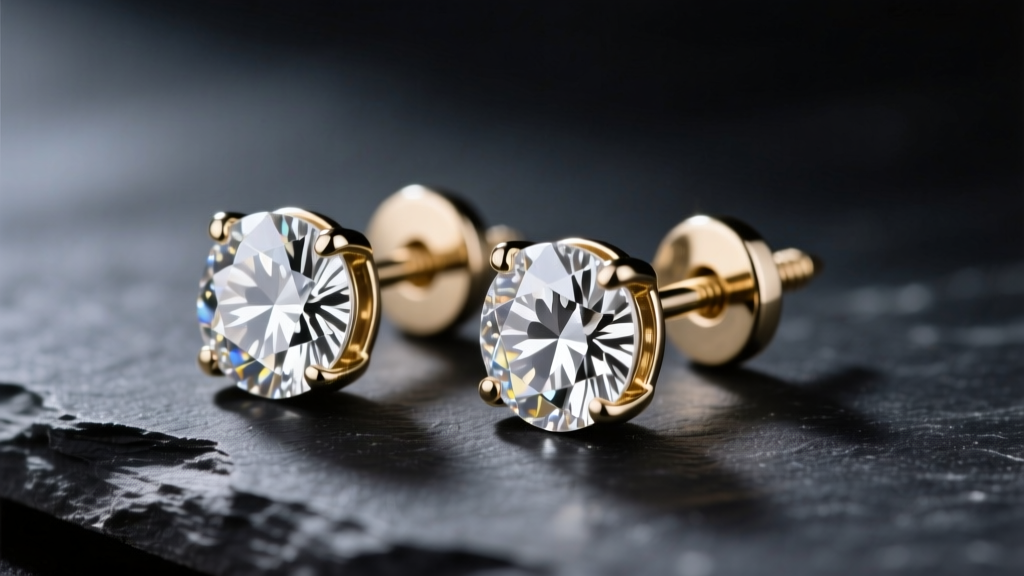
The True Cost of Losing a Diamond: Why Screw Backs Matter
When investing in fine jewelry, the focus is almost exclusively on the gemstone. However, the mechanical failure of an earring backing is one of the most common causes of catastrophic financial loss in jewelry ownership. Standard friction backs (push-backs) rely on the tension of a metal butterfly clutch against a notched post. Over time, this tension degrades, and a single snag on a sweater or towel can result in the loss of a diamond worth thousands of dollars.
If you are shopping for diamond stud earrings, screw back configurations offer a mechanical advantage that fundamentally changes the value proposition of your purchase. By utilizing a threaded post and a matching internally threaded backing, the earring is physically locked onto the earlobe. This guide breaks down the budget, value assessment, and structural integrity of screw-back diamond studs in the current 2026 market, helping you allocate your funds where they actually matter.
Decoding the Diamond: Where to Spend and Where to Save
Assessing the value of a diamond stud requires a different framework than evaluating an engagement ring. Because studs are viewed from a distance and in constant motion, the traditional hierarchy of the 4Cs (Cut, Color, Clarity, Carat) must be recalibrated for budget optimization.
The 'Spread' Illusion and Depth Percentages
For stud earrings, visual size (face-up spread) often dictates perceived value. A 1.00 carat total weight (ctw) pair with a deep cut (e.g., 64% depth) will measure significantly smaller across the top than a 0.90 ctw pair with a shallower cut (e.g., 59% depth). When assessing budget options, look for depth percentages between 58% and 61.5%. This maximizes the millimeter diameter per carat, giving you a larger-looking diamond without paying for hidden weight in the pavilion.
Clarity and Color Compromises
According to grading standards established by the Gemological Institute of America (GIA), diamonds in the SI1 to SI2 clarity range often feature inclusions that are invisible to the naked eye, especially when set in four-prong martini or basket settings and viewed from a conversational distance. Similarly, while a D-color diamond commands a massive premium, the human eye struggles to distinguish between F and H color grades once the diamond is mounted in white gold or platinum and reflecting ambient light. Dropping from VVS1/F to SI1/H can reduce the diamond cost by up to 45% with virtually zero visible compromise in a stud format.
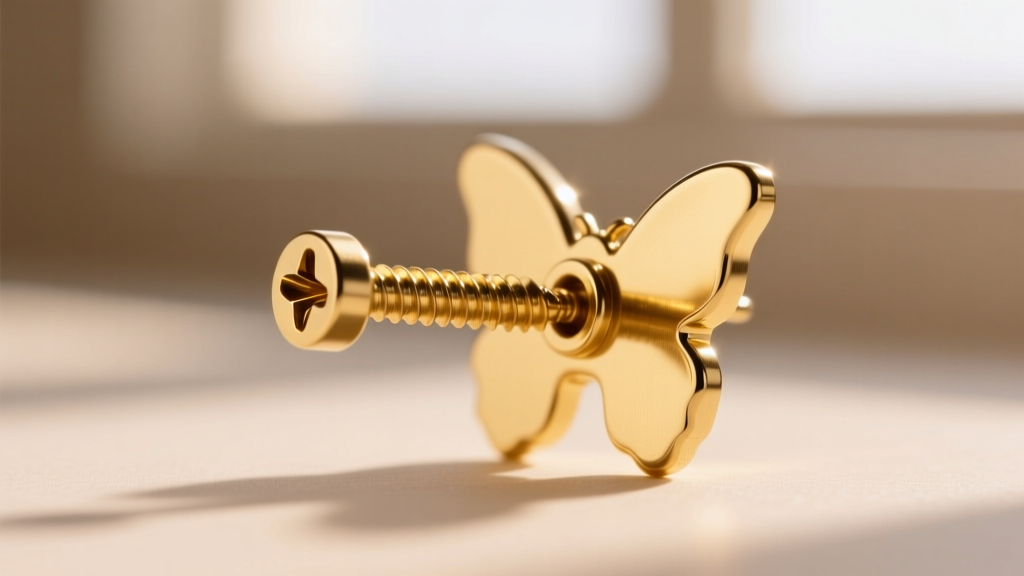
2026 Market Pricing: Lab-Grown vs. Natural Diamond Studs
The diamond market has experienced a seismic shift over the last few years. As of 2026, lab-grown diamonds have achieved absolute parity with natural diamonds in terms of optical, chemical, and physical properties, but their pricing models have diverged dramatically. When conducting a budget assessment, it is vital to understand what you are actually paying for.
| Total Carat Weight (ctw) | Natural Diamond (SI1/G) Avg. Price | Lab-Grown Diamond (VVS1/E) Avg. Price | Value Assessment |
|---|---|---|---|
| 0.50 ctw | $850 - $1,200 | $250 - $400 | Lab-grown offers superior clarity/color for the budget. |
| 1.00 ctw | $2,800 - $4,500 | $600 - $950 | Natural retains some resale value; lab-grown is purely aesthetic. |
| 2.00 ctw | $9,000 - $14,000 | $1,200 - $1,800 | Lab-grown allows buyers to reach the 2-carat milestone affordably. |
Note: Prices reflect the diamond cost only and do not include the precious metal setting or the premium for custom screw-back threading.
Industry analysts tracking the lab-grown diamond market note that while natural diamonds hold a degree of residual commodity value, lab-grown diamonds are priced as consumer goods. If your goal is pure visual impact and security on a budget, lab-grown diamonds paired with high-quality screw-back settings represent the highest utility per dollar in 2026.
Metallurgy and Threading: The Hidden Value Factors
The mechanical integrity of a screw-back earring is entirely dependent on the metal alloy used for the post and the backing. This is where many budget brands cut corners, leading to stripped threads and lost earrings.
- 14k Gold (58.5% pure gold): The absolute best value for screw-back posts. The alloy metals (copper, zinc, silver) provide excellent tensile strength, ensuring the external threads on the post do not strip or warp under the torque of daily screwing and unscrewing.
- 18k Gold (75% pure gold): Softer and more malleable. While it offers a richer yellow hue, 18k gold threads are highly susceptible to cross-threading and stripping over time. If you choose 18k, you must be exceptionally careful when attaching the backing.
- Platinum (95% pure platinum): The premium choice. Platinum is incredibly durable and will not wear down at the threads. However, it adds a significant premium to the base cost of the setting (often $300-$500 more than 14k gold).
Gauge Size and Thread Pitch
Pay close attention to the post thickness. Standard push-back earrings are often 20-gauge (0.81mm). However, a 20-gauge post is too thin to support reliable threading. High-value screw-back studs should feature an 18-gauge (1.02mm) post. This thickness allows for a standard 0.9mm thread pitch, providing enough surface area for the threads to grip securely without compromising the structural integrity of the metal.
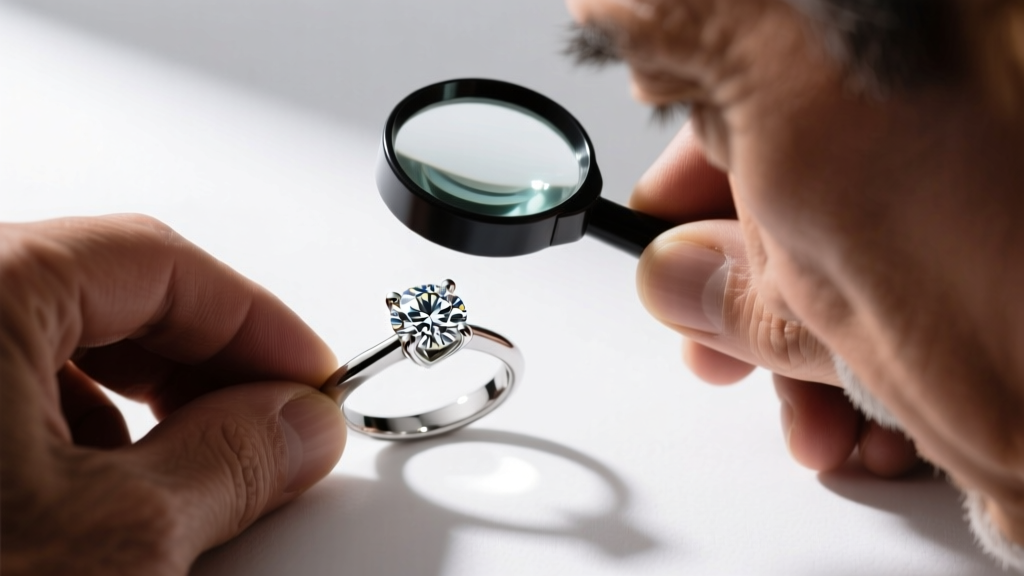
Budget Tiers: What Your Money Actually Gets You
To help you navigate the market, here is a practical breakdown of what you should expect when shopping for diamond stud earrings with screw back settings across three distinct budget tiers in 2026.
The $750 Entry Tier: Maximum Visual Impact
At this price point, you are prioritizing size and security over natural origin.
What you get: 1.00 ctw Lab-Grown diamonds (I/J color, SI1 clarity) set in 14k white gold with a standard 4-prong basket setting and 18-gauge threaded posts.
Value Verdict: Excellent for daily wear. The slightly lower color grade is masked by the brilliance of the cut and the reflective white gold setting.
The $3,500 Sweet Spot: The Balanced Investment
This tier bridges the gap between premium materials and respectable carat weight.
What you get: 1.00 ctw Natural diamonds (H color, SI1 clarity, Excellent cut) or 2.00 ctw Premium Lab-Grown (F color, VS1 clarity) set in 14k or 18k gold with a low-profile martini setting.
Value Verdict: The martini setting is crucial here. As carat weight increases, the earring becomes top-heavy. The martini design lowers the center of gravity, preventing the 'droop' effect on the earlobe, which is vital for keeping the screw-back aligned comfortably.
The $8,000+ Luxury Tier: Heirloom Quality
At this level, you are paying for flawless execution, premium metals, and natural rarity.
What you get: 1.50 to 2.00 ctw Natural diamonds (G color, VS1/VS2 clarity, Hearts & Arrows cut) set in Platinum with custom-machined, internally threaded posts (where the post is smooth and the backing has the internal threads, preventing hair snagging).
Value Verdict: True luxury. Internally threaded platinum posts are the gold standard for security and comfort, ensuring the threads never catch on hair or degrade.
Pro-Tip for Longevity: Never use toothpaste or harsh chemical dips to clean screw-back earrings. The abrasives can wear down the microscopic threading over time. Instead, use a soft-bristled brush with warm water and a drop of mild dish soap, being careful to clean the threads of the post to prevent lotion and skin cell buildup from jamming the mechanism.
Final Assessment: Is the Premium Worth It?
Screw-back settings typically add a $50 to $150 premium to the base cost of a pair of diamond studs compared to standard friction backs. When weighed against the potential financial and emotional devastation of losing a $3,000 diamond in a grocery store parking lot, this upfront cost is negligible. By strategically compromising on clarity and color—while strictly refusing to compromise on cut quality, post gauge, and threading mechanics—you can secure a pair of diamond studs that offer maximum brilliance, enduring physical security, and exceptional long-term value.


