How to Make Earring Cards for Display: Retail Guide
Learn how to make custom earring cards for display and retail. This step-by-step guide covers paper weights, hole sizing, and eco-friendly branding.

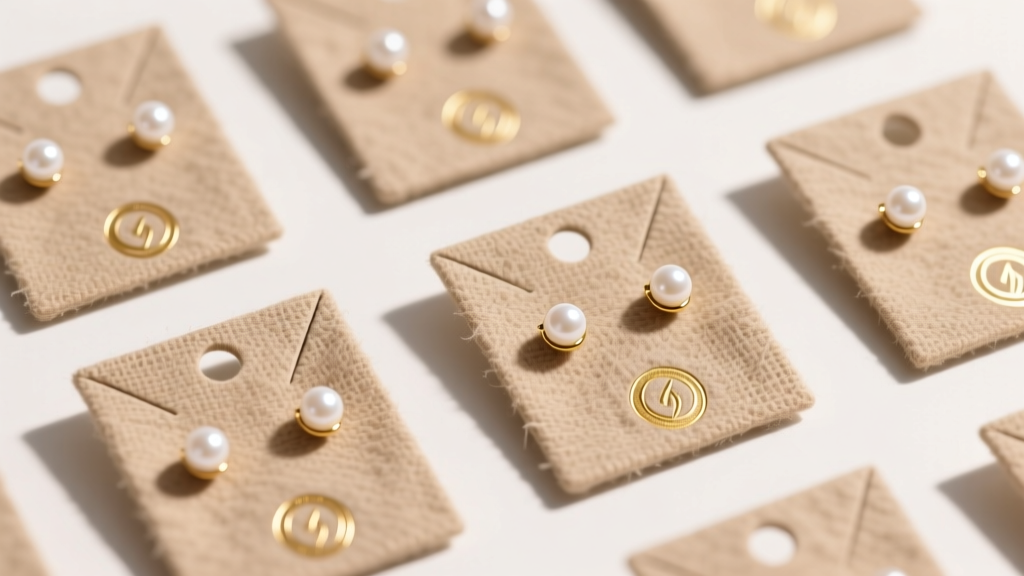
Why Custom Earring Cards Matter in Modern Retail
In the saturated jewelry market of 2026, the unboxing and display experience is just as critical as the craftsmanship of the earrings themselves. Whether you are vendoring at a high-end craft fair, wholesaling to local boutiques, or fulfilling direct-to-consumer Etsy orders, your packaging acts as a silent salesperson. Learning how to make professional earring cards for display elevates your brand perception, justifies premium pricing, and reduces product damage during transit.
According to the Etsy Seller Handbook, cohesive branding across packaging and display materials can increase customer retention by up to 33%. But creating these cards isn't just about slapping a logo on thin paper. It requires an understanding of structural integrity, material sustainability, and precise gauge sizing. A poorly constructed card will bend under the weight of a solid gold hoop, making a $200 piece of jewelry look like a $5 flea market find. This guide will walk you through the exact specifications, materials, and techniques needed to craft museum-quality display cards from your own studio.
The Material Matrix: Choosing the Right Cardstock
The most common failure mode for DIY earring cards is structural sagging. Heavy brass dangles, solid gemstone drops, or thick chain-link hoops will easily bend a standard 80lb cover stock, causing the earrings to droop and look cheap. For premium jewelry, you need rigidity, texture, and archival quality. Below is a breakdown of the best materials for different earring categories.
| Material Grade | Weight / Thickness | Best Earring Type | Est. Cost (Per Unit) |
|---|---|---|---|
| 16pt Uncoated Cardstock | 350 GSM / 0.016" | Lightweight studs, small huggies | $0.08 - $0.12 |
| 24pt Recycled Cotton | 600 GSM / 0.024" | Medium dangles, gemstone drops | $0.18 - $0.25 |
| Seed Paper (Plantable) | 400 GSM / 0.018" | Eco-brands, lightweight hoops | $0.30 - $0.45 |
| Kraft Board (Corrugated) | E-Flute / 1.5mm | Heavy statement pieces, large hoops | $0.15 - $0.22 |
| 32pt Black-Core Suede | 800 GSM / 0.032" | High-end diamonds, luxury bridal | $0.50 - $0.85 |
Sustainable packaging suppliers like EcoEnclose offer 100% post-consumer recycled paperboards that provide the rigid snap needed for heavier metals without relying on virgin tree pulp or plastic laminates. Always ensure your chosen paper is acid-free and lignin-free to prevent chemical reactions with your metals over time.
Tools of the Trade: Studio Setup
Before you begin cutting, you need the right equipment. A standard office hole punch will crush thick 24pt cotton paper and leave frayed, ugly edges. Invest in the following tools to ensure clean, retail-ready finishes:
- Heavy-Duty Screw Punch: Allows you to swap out interchangeable metal tips for exact millimeter sizing (e.g., 1.5mm, 2mm, 3mm).
- Guillotine Paper Cutter or Cricut Maker 3: For perfectly straight edges and identical dimensions across hundreds of cards.
- Corner Rounder (1/8" radius): Sharp corners catch on clothing and display racks, leading to bent and damaged cards. A slight radius drastically improves durability.
- Self-Healing Cutting Mat & X-Acto Knife: Essential for cutting custom slits for heavy leverback earrings.
Step-by-Step: Designing and Sizing Your Cards
Step 1: Dimension and Layout Strategy
Standard earring cards typically measure 2" x 3" or 2.5" x 3.5". However, if you are designing for oversized 2026 trend pieces—like sculptural resin dangles or heavy chain-link hoops—you must scale up to a 3" x 4" or even 3.5" x 5" footprint to maintain visual balance. Use vector software like Adobe Illustrator or the free alternative, Inkscape, to draw your cut lines and mark your hole-punch coordinates. Always leave a minimum 0.25" safe zone from the edge to prevent tearing, and ensure your logo is positioned in the lower third of the card so it isn't obscured by the earring itself.
Step 2: Precision Hole Punching
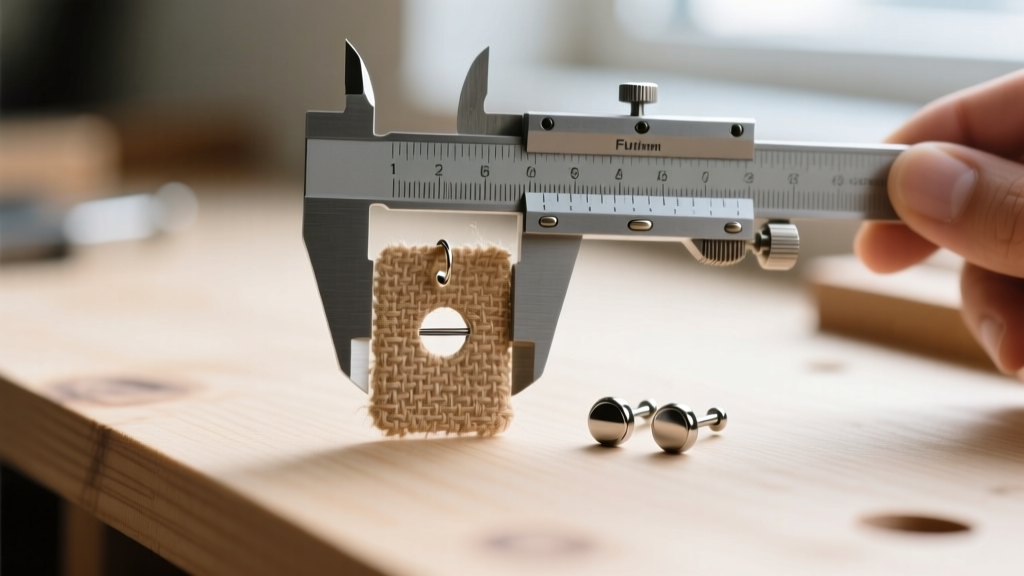
The hole size must perfectly match the earring post or wire gauge. A hole that is too large will look sloppy and allow the earring to slip through; a hole that is too small will bend the post when a customer or retailer tries to mount it, potentially ruining a delicate gold wire.
- Standard Studs (20g - 18g): Use a 1/16" (1.5mm) punch. This accommodates standard friction backs, silicone stoppers, and flat-back labrets securely without allowing the post to wobble.
- Standard French Hooks (20g - 16g): Use a 1/8" (3mm) punch. This allows the wire to slide through smoothly without catching or bending the curve of the hook.
- Heavy Dangles & Statement Pieces: Instead of a round hole, use a craft blade and a metal ruler to cut a 1/2" horizontal slit. This allows you to slide thicker ear wires, leverbacks, or even ear cuffs through without bending the metal. The structural integrity of the card remains intact, and the slit closes flush against the wire.
Step 3: Branding and Eco-Friendly Finishing
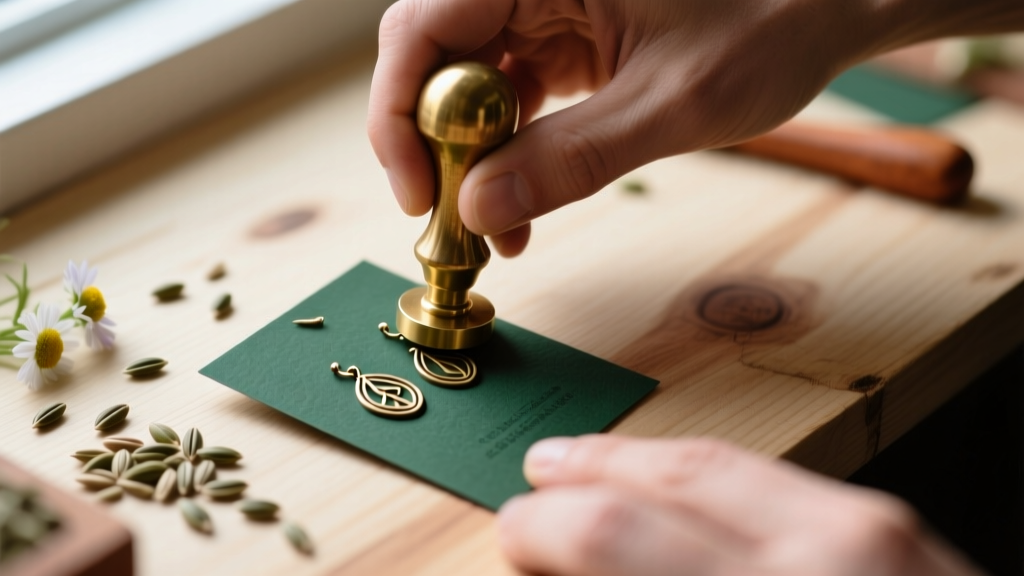
In 2026, consumers are highly sensitive to greenwashing. Avoid glossy UV coatings, plastic laminates, or metallic foil stamping if your brand ethos centers on sustainability, as these processes render the paper unrecyclable and contaminate compost streams. Instead, opt for tactile, eco-friendly finishing techniques that highlight the natural texture of your materials.
"Blind debossing or using soy-based ink stamps on raw cotton paper creates a premium, artisanal feel that aligns perfectly with modern eco-conscious jewelry buyers. It proves luxury doesn't require plastic." — Independent Jewelers Guild Display Guidelines
To execute this, order a custom brass stamp from a supplier like StampingPals or use a digital die-cutting machine with a debossing tip to press your logo directly into the thick cardstock. Pair this with a small, custom-printed belly band made of glassine (a naturally biodegradable translucent paper derived from wood pulp) to secure the earring backs and provide care instructions without using plastic polybags or synthetic adhesives.
Troubleshooting Common Display Failures
Even with the right materials, jewelers often encounter structural or aesthetic issues when manufacturing their own display cards. Here is how to troubleshoot the most common problems encountered in the studio:
Problem: The Card Bends When Hung on a Retail Rack
Solution: The standard 1/4" Euro-hole (sombrero hole) at the top of the card is tearing through the paper fibers under the weight of the inventory. Switch to a 24pt or 32pt cardstock, or reinforce the top header with a thin strip of self-adhesive linen bookbinding tape before punching the hanging hole. This distributes the weight across a wider surface area.
Problem: Silver Earrings Tarnish on the Card
Solution: Certain acidic compounds and sulfur traces in cheap, unbuffered wood-pulp paper can accelerate silver oxidation, leaving your sterling silver black before it even reaches the customer. Ensure your cardstock is certified acid-free and lignin-free. If you must use standard kraft paper for a rustic look, store the finished, loaded cards in an airtight bin with 3M anti-tarnish strips to absorb ambient sulfur.
Problem: Earring Backs Fall Off During Shipping
Solution: Friction backs easily slide off standard posts when jostled in the mail. If you are shipping directly to the consumer with the earrings mounted on the card, apply a tiny dot of museum wax or a removable glue dot to the back of the earring post before attaching the stopper. Alternatively, switch to screw-backs or flat-back labrets with secure O-rings for all mailed display cards.
Final Thoughts on Retail Presentation
Mastering the creation of custom earring cards for display is an exercise in both structural engineering and brand storytelling. By selecting the correct GSM weight for your specific earring styles, matching your hole punches to exact wire gauges, and utilizing sustainable finishing techniques, you transform a simple piece of paper into a premium retail asset. Invest in a quality paper cutter, a multi-size heavy-duty punch set, and acid-free materials, and your jewelry display will command the respect—and the price point—it deserves in the modern market.


