Best Metals and Materials for DIY Earrings: A Property Guide
Discover the best metals for DIY earrings. Compare titanium, niobium, and silver properties, gauge sizes, and workability for hypoallergenic jewelry making.

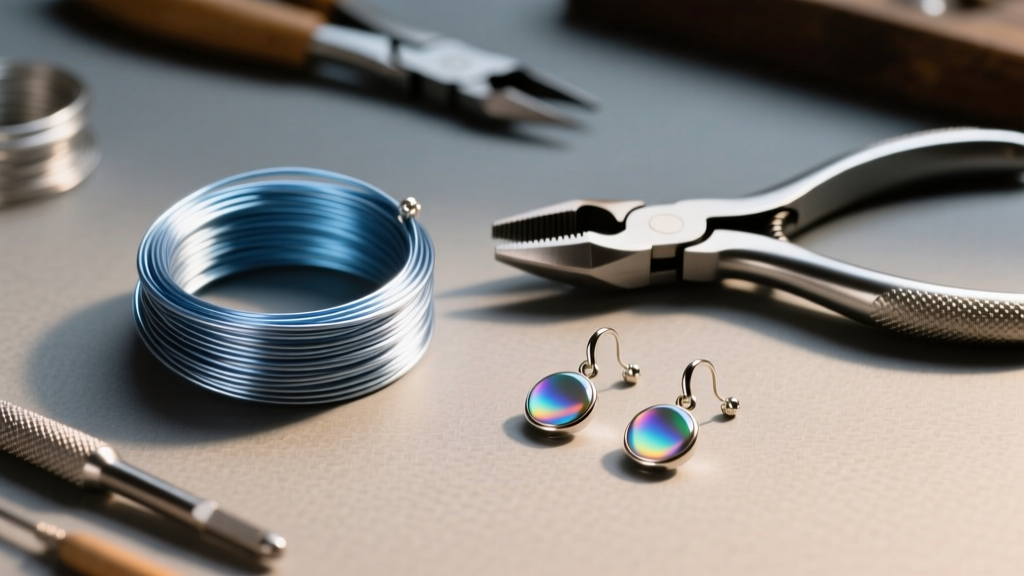
Creating your own jewelry is a rewarding pursuit, but when it comes to crafting pieces that sit directly inside a bodily piercing, material science is just as important as aesthetics. The market is flooded with misleading terms like "hypoallergenic" and "surgical steel," which can lead to severe contact dermatitis for your customers or friends. If you are serious about making high-quality, safe, and durable diy earrings, you must understand the metallurgical properties, workability, and biocompatibility of your chosen materials. This guide breaks down the exact grades, tempers, and gauge requirements for professional-grade earring fabrication in 2026.
The Metallurgy of Ear Wires: Tempers and Gauges
Before selecting a metal, you must understand wire temper—the measure of a metal's hardness and malleability. When you bend metal, it undergoes "work hardening," becoming stiffer and more brittle. Choosing the right starting temper is critical for diy earrings to ensure they hold their shape without snapping.
- Dead Soft: Extremely malleable. Ideal for intricate wire wrapping, weaving, and weaving around gemstones. It will work-harden as you manipulate it, but should never be used for the structural ear hook itself, as it will bend out of shape under the weight of a dangle.
- Half-Hard: The gold standard for ear wires and hooks. It offers the perfect balance of malleability for looping and stiffness to retain its shape when inserted into the earlobe.
- Full-Hard: Very stiff and brittle. Rarely used for standard ear hooks, but excellent for making rigid structural components or jump rings that must not warp under tension.
Gauge size dictates the thickness of the wire and must match the piercing type. For standard lobe piercings, 20-gauge (0.81mm) is the universal standard. It slides effortlessly through healed fistulas without causing stretching. For heavy dangles or cartilage projects, 18-gauge (1.02mm) provides necessary structural support. Conversely, 22-gauge (0.64mm) is best reserved for delicate, lightweight hooks or wrapping wire, as it will easily deform if snagged.
The Hypoallergenic Hierarchy: What Actually Works?
The term "hypoallergenic" is a marketing construct, not a metallurgical guarantee. According to the National Center for Biotechnology Information (NCBI), nickel allergy is one of the most common causes of allergic contact dermatitis, affecting up to 10% of the population. To create truly safe diy earrings, you must source metals with verifiable elemental compositions.
Titanium: The Biocompatible Benchmark
Titanium is the undisputed king of implant-grade jewelry. However, not all titanium is created equal. You must look for ASTM F136 or ASTM F67 certified titanium, as verified by ASTM International.
- Grade 23 (Ti-6Al-4V ELI): The absolute best for fresh piercings and highly reactive ears. It is incredibly strong, lightweight, and completely nickel-free.
- Grade 1 & 2 (Commercially Pure): Softer and easier to cut with standard flush cutters, but slightly less durable than Grade 23.
- Grade 5: Extremely hard. It will destroy standard jewelry flush cutters and requires specialized tungsten-carbide tooling to cut and file.
Niobium: The Reactive Metal
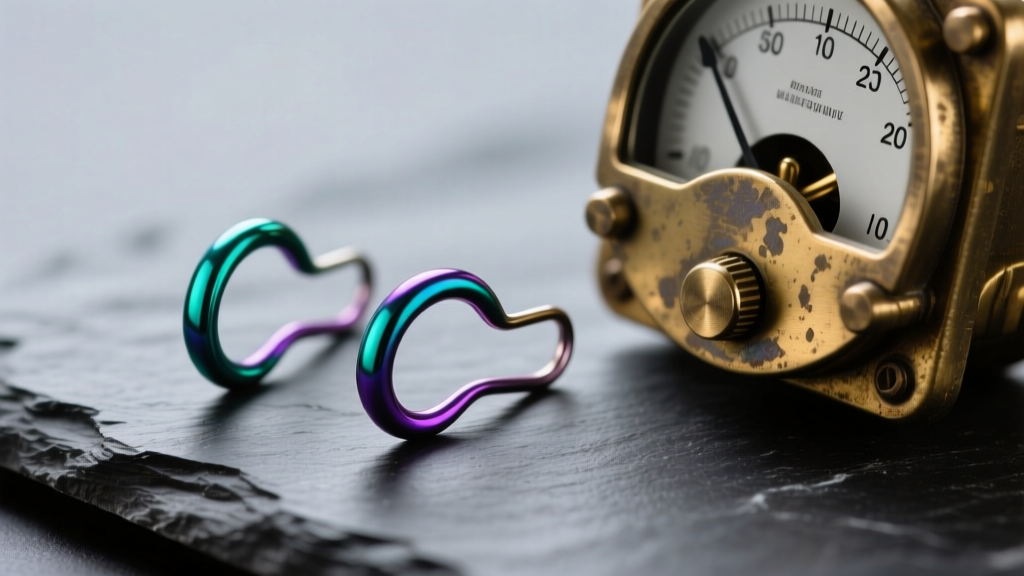
Niobium is a highly unreactive elemental metal that contains zero nickel. Its standout property for jewelry makers is its ability to be anodized. By applying a specific voltage via a rectifier, you can grow an oxide layer on the surface that refracts light, producing vibrant, permanent colors (like teal, purple, and gold) without using any dyes or plating. It is softer than titanium, making it much easier to cut, file, and shape into ear wires using standard hand tools.
The "Surgical Steel" Trap
Many beginners buy 316L surgical steel wire for their diy earrings, assuming it is safe. While 316L is excellent for watches and medical instruments, it contains up to 14% nickel. The nickel is trapped in the crystalline structure, but surface polishing or microscopic scratches can expose it to the skin's moisture, triggering reactions. For professional earring making, avoid stainless steel for the parts that pass through the piercing unless it is explicitly certified under the EU Nickel Directive (migration limit of 0.5 µg/cm²/week).
Material Comparison Chart: Workability vs. Durability
When sourcing materials from suppliers like Rio Grande or specialized wire vendors, use this matrix to determine which metal fits your design requirements and budget.
| Material | Tarnish Resistance | Workability | Relative Cost | Best Application |
|---|---|---|---|---|
| Argentium Silver | Excellent (Contains Germanium) | High (Fuses without solder) | High | Premium ear cuffs, intricate loops |
| Sterling Silver (.925) | Poor (Tarnishes with sulfur) | Very High | Medium-High | Classic ear wires, bezel settings |
| Niobium | Excellent (Anodized oxide layer) | Medium (Soft but gummy to cut) | Medium | Colorful hooks, lightweight hoops |
| Titanium (Gr. 23) | Excellent | Low (Hard on tools, springy) | Medium | Implant-grade studs, barbells |
| Copper / Brass | Poor (Oxidizes, turns skin green) | Extremely High | Low | Practice, decorative outer wraps |
Tarnish, Patina, and Sealing Strategies
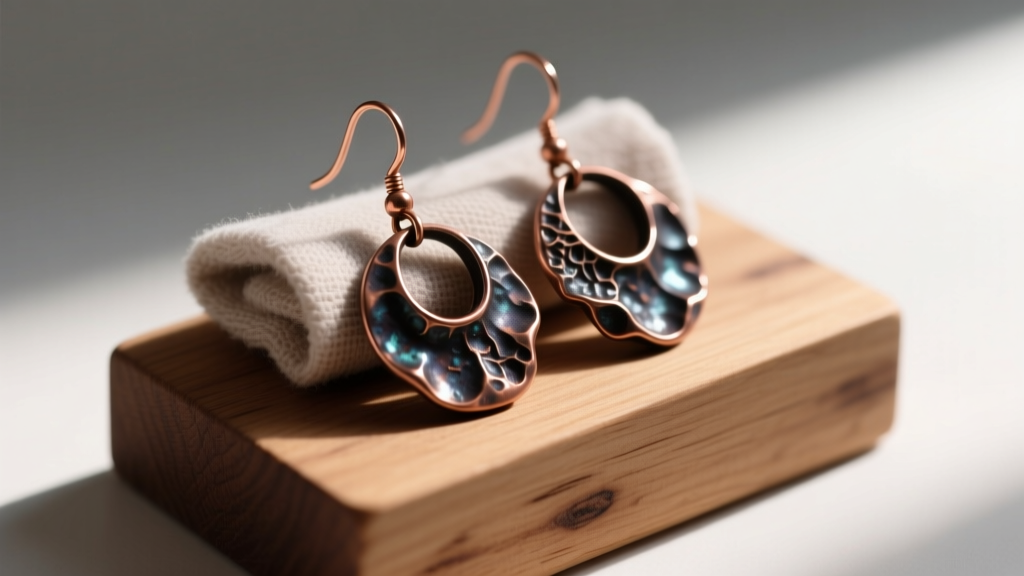
If you choose to work with reactive metals like copper, brass, or traditional sterling silver to keep material costs down, you must understand surface finishing. Unsealed copper will oxidize rapidly when exposed to the natural pH and salts of human skin, leaving a green residue on the earlobe.
While many amateur crafters suggest coating diy earrings in clear nail polish, this is a catastrophic failure point. Nail polish becomes brittle, chips microscopically, and traps moisture against the metal, accelerating localized corrosion. Instead, utilize professional jewelry sealants:
Pro Tip: For a permanent, professional seal on copper or brass ear components, apply a micro-crystalline wax like Renaissance Wax. Heat the metal slightly with a hairdryer, apply a microscopic layer of wax, let it cure for 15 minutes, and buff it with a microfiber cloth. This creates a moisture barrier that outlasts liquid polymer coatings and will not flake off inside a piercing.
Alternatively, embrace the oxidation. Using Liver of Sulfur, you can force a controlled, dark patina onto sterling silver or copper, then polish the high points. This antique finish is highly sought after in artisan markets and stabilizes the metal's surface.
Tooling and Sourcing for Specific Metals
Your material choice dictates your tooling. Working with titanium or half-hard stainless steel requires heavy-duty, heat-treated flush cutters. If you attempt to cut 18-gauge titanium with standard craft store cutters, you will dent the blades and leave sharp, jagged "pinch" marks on the wire that will tear the earlobe.
For softer metals like dead-soft silver, copper, or niobium, standard flush cutters are fine, but you must protect the wire's finish. Always use nylon-jaw pliers when bending loops or straightening wire. Steel pliers will mar the surface of soft metals, creating microscopic grooves that not only look unprofessional but also harbor bacteria when worn in the ear.
By prioritizing metallurgical integrity over cheap, mystery-alloy wire spools, your diy earrings will transition from amateur crafts to professional, heirloom-quality accessories that clients can wear safely for years to come.


