Do Earring Holes Close Up? Timelines & Quick Fixes
Wondering if your piercing will shrink? We break down the science of fistulas, lobe vs. cartilage closure timelines, and safe tapering fixes.

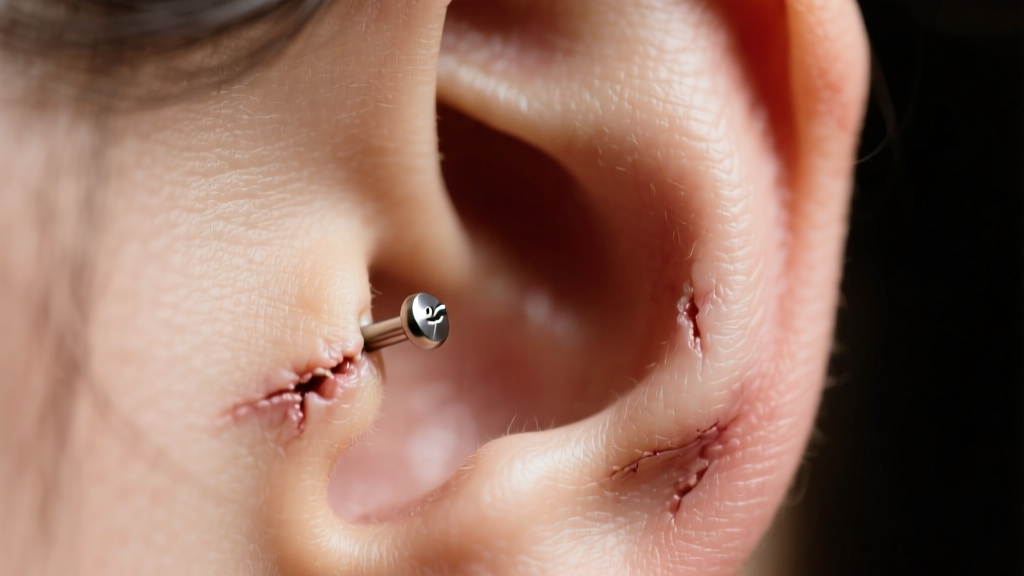
The Anatomy of a Piercing: Why Do Earring Holes Close Up?
To understand the mechanics of piercing closure, we must first look at the anatomy of the hole itself. When you get your ears pierced, the body does not simply leave an empty void; it constructs a biological tunnel known as a fistula. This tube is lined with epithelial cells (the same cells that make up the outer layer of your skin). The process of forming this tube is called epithelialization.
So, do earring holes close up? The short answer is yes, but the timeline and final result depend entirely on the maturity of the fistula and the tissue type. If jewelry is removed before the fistula is fully keratinized and supported by a mature collagen matrix, the body treats the hole as an open wound. According to the American Academy of Dermatology, the body immediately initiates the wound healing cascade—hemostasis, inflammation, proliferation, and remodeling—effectively zipping the tissue back together.
However, a fully mature fistula is essentially a permanent, skin-lined tube. While the opening may shrink significantly without the physical presence of jewelry to stretch it, the tunnel itself rarely disappears completely in older piercings.
Do Earring Holes Close Up? Lobe vs. Cartilage Timelines
The rate at which a piercing shrinks or closes is heavily dictated by its location. Earlobes are highly vascular, meaning they have a rich blood supply that promotes rapid healing but also allows for more elastic tissue remodeling. Cartilage, on the other hand, is avascular (lacking direct blood vessels) and relies on the perichondrium for nutrients. This makes cartilage piercings notoriously stubborn to heal, but paradoxically faster to shrink when irritated or left empty.
| Piercing Location | Age of Piercing | Time to Noticeable Shrinkage | Likelihood of Full Closure |
|---|---|---|---|
| Earlobe (Standard 20G-16G) | Fresh (Under 6 months) | 12 to 48 hours | Extremely High |
| Earlobe (Standard 20G-16G) | Mature (1 to 5 years) | 2 to 4 weeks | Low (Hole shrinks to 22G) |
| Earlobe (Standard 20G-16G) | Vintage (10+ years) | Months to Years | Very Rare (May need tapering) |
| Cartilage (Helix/Conch) | Fresh (Under 1 year) | 1 to 12 hours | Extremely High |
| Cartilage (Helix/Conch) | Mature (2+ years) | 1 to 3 weeks | Moderate to High |
Note: Timelines are estimates based on average tissue elasticity. Individual genetics, age, and skin hydration levels play a significant role.
The "Point of No Return" for Stretched Lobes
When discussing whether earring holes close up, we must address stretched earlobes. The earlobe is composed of collagen and elastin fibers. When you stretch a piercing beyond a certain threshold, you risk tearing the elastin network, leading to permanent deformation.
In the professional piercing community, the general consensus is that 00G (approximately 8mm to 10mm) is the absolute "point of no return" for most people. If you stretch beyond 00G, the lobe will almost certainly not shrink back to a standard earring size without surgical intervention (lobuloplasty). If you keep your stretches at 0G (8mm) or smaller, there is a much higher probability that the fistula will shrink back to fit a standard 14G or 12G post after several months of downsizing.
Troubleshooting: How to Safely Reopen a Shrunk Piercing
If you have left your earrings out too long and are now struggling to reinsert them, do not force it. Forcing a standard butterfly-back earring post through a shrunk fistula is one of the most common causes of micro-tears, blowouts, and hypertrophic scarring. The sharp, 90-degree edge of a standard post acts like a cheese wire, slicing through the delicate epithelial lining.
Step 1: Assess the Shrinkage and Prepare the Tissue
First, take a warm shower or apply a warm, damp compress to the ear for 5 minutes. This increases localized blood flow and softens the collagen matrix. Next, apply a high-quality lubricant to the earlobe. Pure jojoba oil or sterile saline are excellent choices. Avoid petroleum jelly (Vaseline), as it is highly viscous, traps anaerobic bacteria inside the fistula, and can degrade certain jewelry materials like acrylics or silicones.
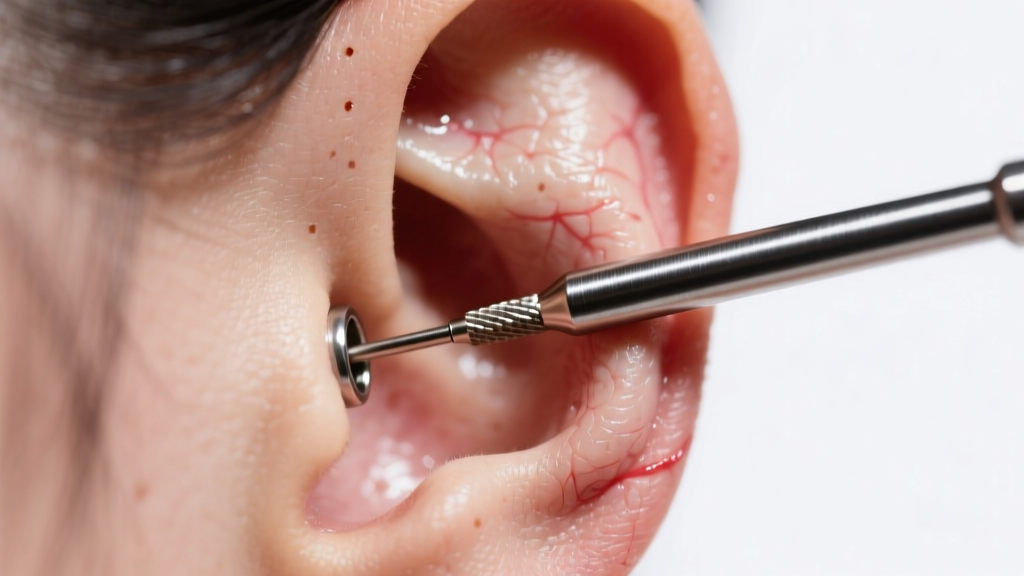
Step 2: Use a Beveled Insertion Taper
To safely reopen the hole, you need a tool designed for gradual dilation. An insertion taper features a smooth, gradual slope ending in a blunt tip.
- For slightly shrunk lobes: Start with a 20G or 18G titanium or surgical steel taper. Coat the taper in jojoba oil and gently guide it through the fistula. Never push through sharp pain; a mild stretching sensation is normal, but pain indicates tissue tearing.
- For severely shrunk cartilage: Cartilage is unforgiving. If a taper does not slide through with minimal pressure, stop immediately. Cartilage lacks the elasticity of the lobe and will chip or develop perichondritis if forced.
Step 3: Follow Up with Proper Aftercare
Once the taper is through, immediately follow it with a sterile, implant-grade titanium barbell or stud. The Association of Professional Piercers (APP) strongly recommends implant-grade titanium (ASTM F-136) for reinsertions, as it is completely nickel-free and biocompatible, minimizing the risk of contact dermatitis in a freshly stressed fistula.
Pro Tip: Never use a standard earring post to "push through" a closed hole. If a taper fails, the fistula has likely healed over with dense scar tissue, and you will need a professional piercer to re-pierce or use a hollow needle to core out the blockage.
Preventative Maintenance: Keeping Holes Open Without Jewelry
There are many scenarios where you must remove metal jewelry: MRI scans, contact sports, strict corporate dress codes, or surgical procedures. To prevent your earring holes from closing up during these periods, you must use a retainer. However, not all retainers are created equal.
Material Breakdown for Ear Retainers
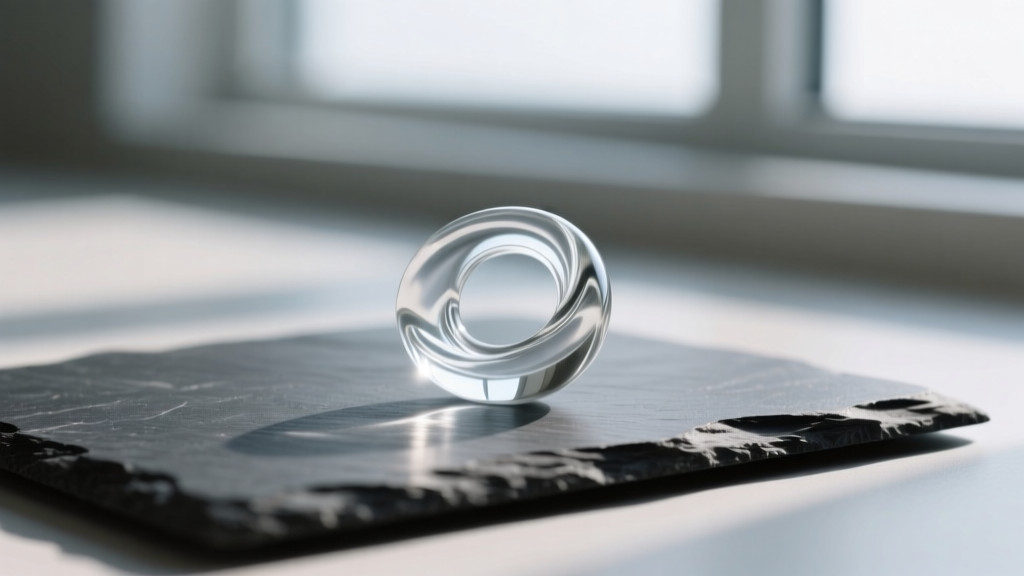
- Borosilicate Glass (Pyrex): The gold standard for long-term retention. Glass is completely non-porous, hypoallergenic, and can be sterilized in an autoclave. It will not harbor bacteria or cause allergic reactions, making it safe to wear for months at a time.
- PTFE (Polytetrafluoroethylene / Teflon): Highly flexible, biocompatible, and completely MRI-safe. PTFE is excellent for cartilage piercings or active individuals who need a retainer that can bend with the ear without snapping.
- Bioplast / Acrylic: Often sold in mall kiosks, these are highly porous. Under a microscope, acrylic retainers look like sponges, trapping dead skin cells and sebum. They should only be used for short-term emergencies (under 48 hours) to prevent the hole from closing while waiting for an MRI or surgery.
- Silicone O-Rings: Only applicable for stretched lobes (8G and larger). Silicone is too grippy and heavy for standard lobe or cartilage piercings and can cause pressure necrosis if used incorrectly.
When to See a Professional Piercer
While minor shrinkage can be managed at home with a taper and lubrication, there are distinct scenarios where DIY troubleshooting becomes dangerous. You should book an appointment with an APP-certified piercer if:
- The hole is completely sealed: If you cannot see light through the fistula, the epithelial tube has closed. Forcing jewelry will create a false passage (a new, jagged tear) rather than reopening the original tunnel.
- You experience a blowout: If the tissue folds outward, resembling a donut or a small lip around the piercing, you have suffered a blowout. This requires immediate downsizing and professional massage therapy to rebuild the collagen matrix.
- Signs of infection appear post-reinsertion: If the lobe becomes hot to the touch, throbs, or secretes yellow/green purulent fluid (not to be confused with normal clear/white sebum or lymph), remove the jewelry, apply a sterile saline compress, and consult a medical professional.
Final Thoughts on Fistula Longevity
Ultimately, whether earring holes close up depends on how long you have nurtured the fistula. A fresh piercing is a fragile wound that demands constant jewelry presence to remain open. A decades-old lobe piercing is a permanent anatomical feature that will merely shrink in diameter when neglected. By understanding the biology of your piercings, utilizing proper tapers for troubleshooting, and selecting high-quality glass or PTFE retainers when metal isn't an option, you can maintain your ear canvas for a lifetime.


