Do Earrings Hurt? A Buyer's Guide to Painless Piercings
Wondering if getting your ears pierced hurts? Discover what to look for in starter earrings, from implant-grade titanium to needle vs. gun methods.

The Short Answer: Do Earrings Hurt?
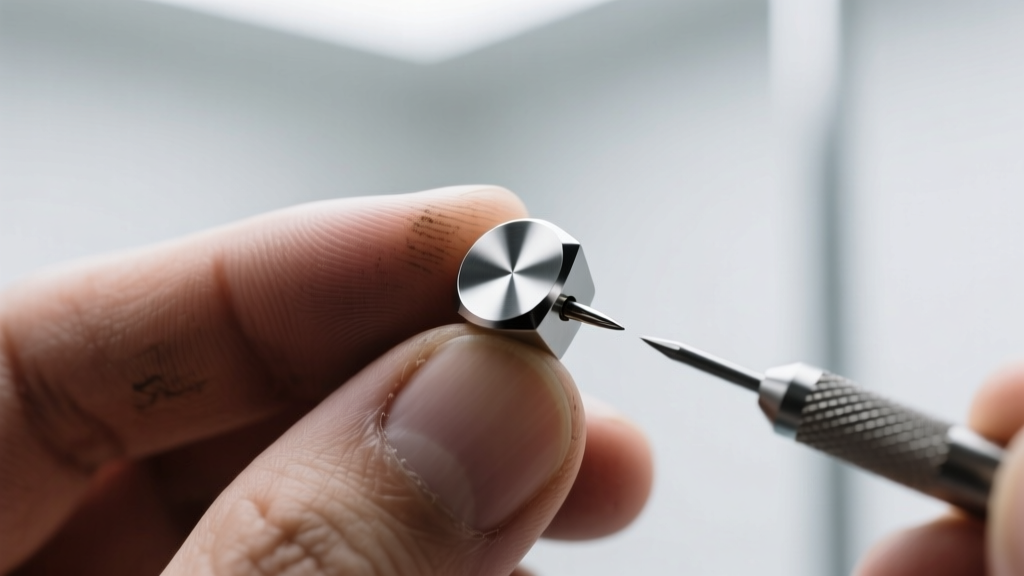
When people search for the answer to the question, "do earrings hurt?" they are usually conflating two entirely different experiences: the momentary pinch of the piercing process itself, and the lingering, throbbing ache caused by wearing the wrong jewelry. The truth is that the initial puncture should be brief and highly tolerable. However, if your ears are throbbing, itching, or burning days after getting pierced, the pain is not a natural part of healing—it is a direct result of poor jewelry selection, improper piercing methods, or allergic contact dermatitis.
As a buyer, your primary goal should be minimizing trauma to the tissue. This means understanding the metallurgy of starter earrings, the biomechanics of ear anatomy, and the crucial differences between piercing tools. In this comprehensive buying guide, we break down exactly how to curate a painless piercing experience and what specific jewelry specifications to look for when shopping for your first (or fiftieth) pair of earrings.
The Pain Scale: Lobe vs. Cartilage Piercings
Not all ear piercings are created equal, and the pain you experience depends heavily on the anatomical location. Tissue density and nerve endings dictate the sensation.
- Earlobes (Standard & High Lobe): Rated 2/10 on the pain scale. The lobe consists of soft, vascular tissue with minimal nerve density. It feels like a quick, sharp pinch followed by a warm sensation.
- Upper Cartilage (Helix, Forward Helix): Rated 4/10. Cartilage is denser and requires more pressure to puncture. You will hear a distinct "pop" or crunching sound, which is entirely normal and often more startling than painful.
- Inner Cartilage (Conch, Tragus, Daith): Rated 5-7/10. These areas have thicker cartilage pads and are surrounded by more complex nerve networks. The pressure during the procedure is intense but brief.
While the initial procedure is fleeting, cartilage piercings take significantly longer to heal (6 to 12 months) compared to lobes (6 to 8 weeks). Choosing the correct jewelry from day one is non-negotiable for cartilage, as the tissue is prone to severe swelling and irritation bumps if subjected to heavy or reactive metals.
Why Your Earrings Might Hurt *After* Piercing
If your piercing hurts continuously after the first 48 hours, you are likely dealing with one of three common jewelry-related issues:
1. Allergic Contact Dermatitis
The vast majority of commercial mall-kiosk earrings are made from "surgical steel" or mystery alloys that contain high levels of nickel. According to the Mayo Clinic, nickel allergy is one of the most common causes of allergic contact dermatitis, leading to redness, severe itching, weeping, and a burning pain that many mistake for infection.
2. The Butterfly Back Trap
Standard friction-backed "butterfly" earring posts are notorious for causing pain. The sharp metal prongs often dig into the sensitive skin behind the earlobe, especially when sleeping. Furthermore, the tiny crevices in the butterfly clutch harbor bacteria and dead skin cells, suffocating the wound and delaying healing.
3. Heavy Dangles on Fresh Tissue
Wearing heavy drop earrings or large hoops before a piercing is fully mature puts sheer stress on the fistula (the piercing channel). This can lead to migration, tearing, and a condition known as the "cheese cutter effect," where the heavy jewelry slowly slices through the tissue.
The Starter Earring Buying Checklist
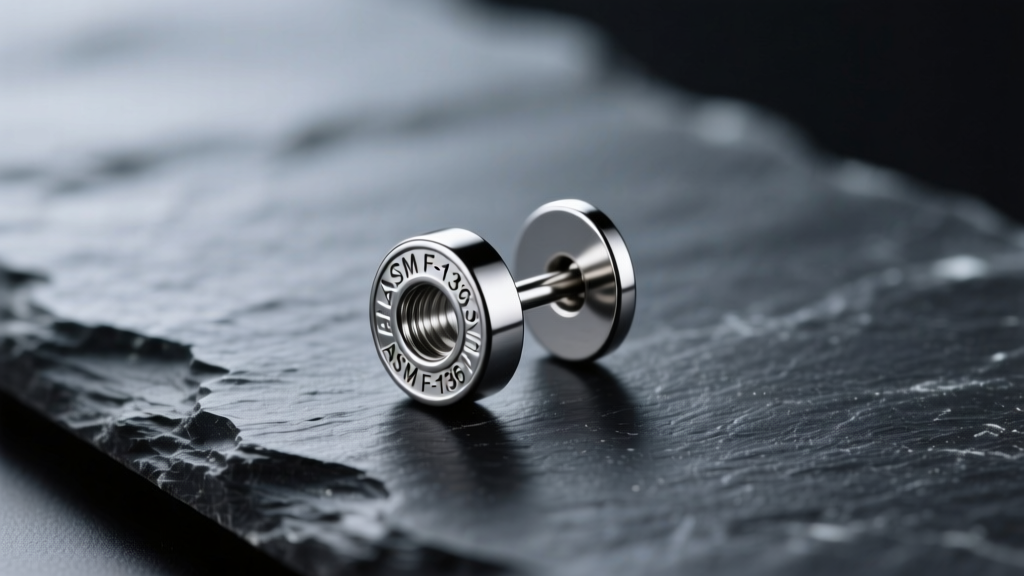
To ensure a painless healing process, you must act as a discerning buyer. Ignore marketing buzzwords like "hypoallergenic" (which has no legal medical definition in jewelry) and look for specific material grades. The Association of Professional Piercers (APP) strictly recommends the following materials for fresh piercings:
| Material Grade | Nickel Content | Biocompatibility | Average Price Range |
|---|---|---|---|
| Implant-Grade Titanium (ASTM F-136) | Zero | Excellent (Medical standard for implants) | $30 - $85+ |
| Niobium (Highly Polished) | Zero | Excellent (Hypoallergenic elemental metal) | $25 - $60 |
| Solid 14k or 18k Gold (Nickel-Free Alloy) | Zero (if properly alloyed) | Very Good (Avoid white gold, which contains nickel) | $80 - $250+ |
| "Surgical" Stainless Steel (316L) | High (8-10%) | Poor for fresh piercings (Triggers dermatitis) | $10 - $30 |
Buyer Tip: Always ask the jeweler or piercer for the mill certificate or proof of ASTM F-136 compliance. If they cannot provide it, do not put that metal in an open wound.
Gauge Sizes: Thicker is Actually Better
A common misconception is that a thinner earring post will hurt less. In reality, piercing with a thicker gauge provides better structural integrity and reduces pain during the healing phase.
Standard earlobe piercings done with a piercing gun often use 20-gauge (0.8mm) or 18-gauge (1.0mm) posts. However, professional piercers typically use 16-gauge (1.2mm) or even 14-gauge (1.6mm) needles. Why? A thicker post distributes the weight of the jewelry more evenly across the tissue. If you wear a heavy earring on a thin 20-gauge wire, it acts like a wire cheese cutter against your earlobe, causing micro-tearing, inflammation, and persistent aching. When buying starter studs, opt for 16-gauge or 14-gauge flat-back labrets to provide a stable, pain-free foundation.
Needle vs. Gun: How the Method Changes the Pain
The tool used to create the piercing dictates the initial pain and the subsequent trauma to the tissue. This is a critical factor in your buying journey, as you are essentially "buying" a service alongside the jewelry.
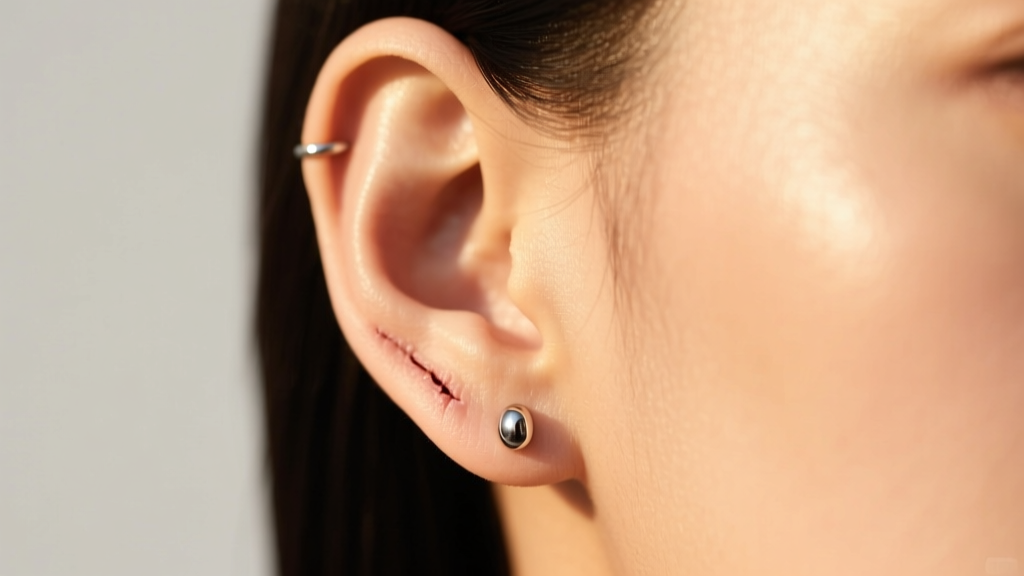
Never allow a piercing gun to touch your cartilage. Guns cannot be sterilized in an autoclave, and they rely on blunt force trauma to shove a sharpened earring stud through the tissue. This shatters cartilage, leading to severe pain, cauliflower ear deformities, and massive irritation bumps.
Hollow, single-use medical needles (used by professional piercers) slice a clean, crescent-shaped piece of tissue out of the ear. This results in significantly less trauma, less bleeding, less pain, and a much faster healing time. When budgeting for a piercing, allocate your funds toward a reputable professional studio rather than a mall kiosk; the reduction in pain and complication risks is worth the premium.
Flat Backs vs. Butterfly Backs: A Comfort Breakdown
The backing mechanism of your earring is just as important as the front design. For a truly painless experience, especially when sleeping, you must upgrade your jewelry wardrobe.
- Threadless Push-Pin (Flat Back): The gold standard for comfort and security. A slightly bent pin is inserted into a hollow flat-back post, creating tension that holds the jewelry firmly in place. The flat disc sits flush against the back of the ear, eliminating neck pokes and hair snags.
- Internally Threaded (Flat Back): The threads are on the post rather than the decorative end, meaning no sharp metal screws are dragged through your healing fistula.
- Friction/Butterfly Backs: Should be entirely avoided for new piercings and minimized for mature ones. They trap moisture, restrict airflow, and cause mechanical irritation.
Final Verdict: Investing in a Painless Experience
So, do earrings hurt? The piercing itself is a momentary, manageable sensation. But wearing cheap, heavy, or nickel-laced earrings will absolutely cause prolonged pain, swelling, and frustration. By investing in implant-grade titanium, choosing the correct gauge thickness, opting for flat-back mechanisms, and insisting on hollow-needle techniques, you can bypass the agony of bad piercings. Treat your ear anatomy with the respect it deserves, and your jewelry will feel as good as it looks.


