How to Choose a Gold Earring Men Love: Sizing, Karats, and Care
Learn how to choose the perfect gold earring men love. Our step-by-step guide covers karat grades, gauge sizing, lobe vs. cartilage, and daily care.

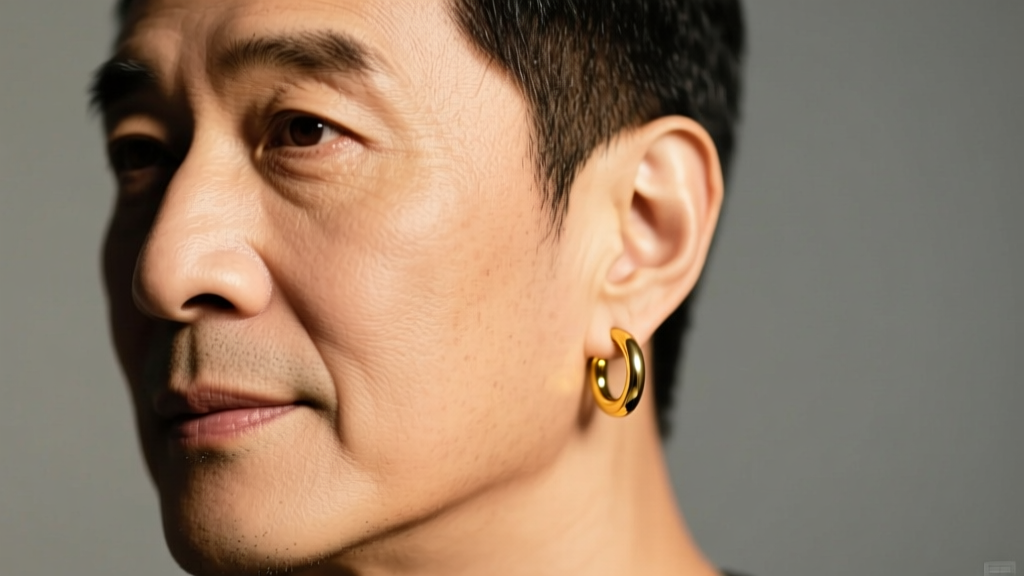
Finding a high-quality gold earring men will actually wear every day requires more than just picking a shiny design. As men's jewelry continues to evolve in 2026, the market has shifted away from flashy, oversized novelty pieces toward refined, anatomically correct, and metallurgically sound staples. Whether you are buying your first lobe stud, upgrading to a cartilage huggie, or shopping for a gift, navigating the intersection of gold purity, gauge sizing, and piercing anatomy is critical.
This step-by-step guide strips away the marketing fluff. We will break down the exact karat grades suited for daily wear, how to measure your fistula for a perfect fit, and the maintenance routines required to keep precious metals looking pristine.
Step 1: Decode the Karat System for Men’s Daily Wear
Gold purity is measured in karats (k), with 24k being 100% pure gold. However, pure gold is far too soft for body jewelry; it will scratch, bend, and lose its shape within days. To create durable jewelry, gold is alloyed with metals like copper, silver, and zinc. When selecting a gold earring men can wear in the shower, at the gym, and while sleeping, you must balance color richness with structural integrity.
- 10k Gold (41.7% pure): The most durable and affordable option, but it has a pale, slightly brassy yellow hue. It is highly resistant to scratching but may cause reactions in those with nickel sensitivities if alloyed poorly. Price range: $50 - $150.
- 14k Gold (58.5% pure): The undisputed champion for daily-wear men's earrings. It offers a rich, warm yellow color while maintaining excellent tensile strength. Most high-end body jewelry brands default to 14k for lobe and cartilage hoops. Price range: $150 - $450.
- 18k Gold (75.0% pure): Prized for its deep, luxurious yellow tone and hypoallergenic properties (as it contains fewer alloy metals). However, it is noticeably softer than 14k and more prone to micro-scratches on high-friction areas like the tragus. Price range: $300 - $800+.
Expert Tip: If you are opting for white gold, ensure the piece is rhodium-plated or alloyed with palladium rather than nickel, as nickel-white gold is a leading cause of contact dermatitis in fresh and healed piercings.
Step 2: Measure Your Gauge and Diameter Accurately
The most common mistake buyers make is guessing the thickness of the earring post. The body jewelry gauge system is inverse: the higher the number, the thinner the metal. According to the Association of Professional Piercers (APP), wearing a post that is too thin can cause the 'cheese-cutter effect,' where the jewelry slowly migrates and slices through the tissue.
| Piercing Placement | Standard Gauge Size | Millimeter (mm) | Best Earring Styles |
|---|---|---|---|
| Standard Lobe | 20g or 18g | 0.81mm - 1.02mm | Studs, small clickers, threadless ends |
| Stretched Lobe | 14g to 00g | 1.60mm - 10.0mm | Plugs, tunnels, heavy solid gold hoops |
| Helix / Cartilage | 16g | 1.29mm | Flat-back labrets, huggies, seamless rings |
| Tragus / Conch | 16g or 14g | 1.29mm - 1.60mm | Threadless push-pin studs, captive bead rings |
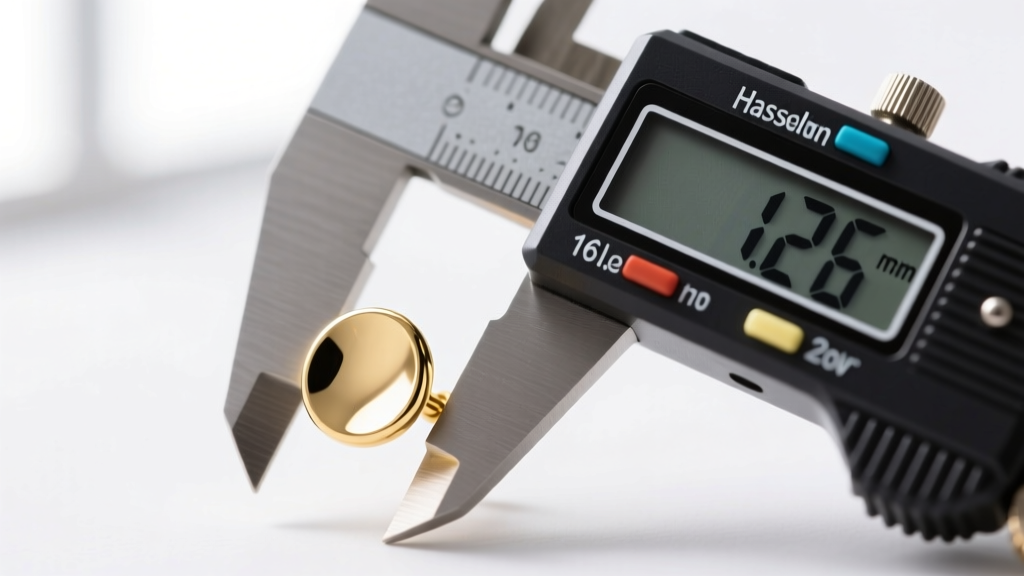
For hoop earrings (like huggies or clickers), diameter is just as crucial as gauge. A standard lobe huggie usually requires an inner diameter of 8mm to 10mm to sit flush against the earlobe without pinching. For a helix piercing, a 10mm to 12mm diameter is typically required to accommodate the curvature of the ear's outer rim.
Step 3: Match the Earring Style to Anatomy and Lifestyle
A gold earring men will love long-term must complement both their facial structure and their daily habits. Here is how to map styles to anatomy.
Lobe vs. Cartilage Mechanics
For lobe piercings, standard butterfly-back studs are common in commercial jewelry, but they harbor bacteria and poke the neck during sleep. Upgrade to flat-back labrets or threadless push-pin ends. These sit flush against the back of the ear, offering superior comfort and security.
For cartilage, avoid externally threaded jewelry (where the screw pattern is on the post itself). Pushing a threaded post through a cartilage fistula causes micro-tears. Always opt for internally threaded (the screw is on the decorative end) or threadless (tension-fit) 14k or 18k gold options.
Face Shape Pairings
- Angular / Square Faces: Soften sharp jawlines with curved gold huggies or small, rounded seamless hoops. Avoid long, geometric dangles that exaggerate facial angles.
- Round Faces: Introduce structure with geometric gold studs, such as small squares, baguette-cut gems, or linear barbell ends.
- Oval Faces: Highly versatile; almost any gold earring style, from minimalist studs to thicker 14k gold ear cuffs, will maintain facial balance.
Step 4: Verify Gold Purity and Hallmarks
The Federal Trade Commission (FTC) strictly regulates how gold is stamped and sold in the United States. When investing in fine jewelry, you must know how to verify authenticity to avoid paying premium prices for gold-plated brass.
Look for the hallmark stamped on the post or the inside of the hoop band. A legitimate 14k piece will be stamped with '14k', '14K', or '585'. An 18k piece will read '18k', '18K', or '750'. If the piece is stamped with '14k HGE' (Heavy Gold Electroplate) or '14k GF' (Gold Filled), it is not solid gold and should not be worn in unhealed or sensitive piercings, as the base metal will eventually oxidize and cause infections.
Step 5: Establish a Maintenance Routine for Longevity
Even the highest quality solid gold requires maintenance to combat environmental factors. Men's grooming products, natural sebum, and environmental pollutants create a film that dulls gold's natural luster.
The Weekly Cleaning Protocol
- Mix a few drops of mild, phosphate-free dish soap (like Dawn) into a bowl of warm distilled water.
- Soak the gold earring for 5 to 10 minutes to loosen dead skin cells and sebum.
- Gently scrub the earring, paying special attention to the clasp mechanism and the back of the gemstone setting, using a baby-soft toothbrush.
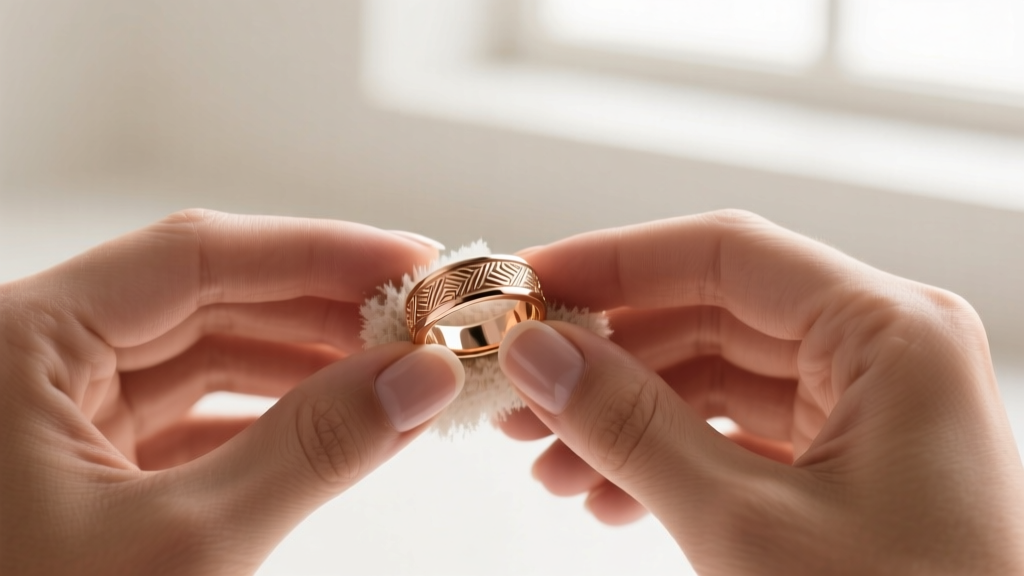
- Rinse thoroughly under warm water and pat dry with a lint-free microfiber cloth.
Avoid Stress Corrosion Cracking
Never wear solid gold jewelry in a chlorinated swimming pool or a hot tub. Chlorine reacts with the alloy metals (like copper and silver) in 14k and 18k gold, causing a phenomenon known as stress corrosion cracking. This can literally cause the prongs holding a diamond or the hinge of a clicker hoop to snap without warning.
Piercer's Golden Rule: 'Never sleep in clicker hoops or seamless rings, even in fully healed lobes. The pressure of your head against the pillow can warp the gold, permanently ruining the hinge tension or bending the ring into an oval. Swap to a flat-back stud for sleeping if you want to keep your jewelry intact.'
Choosing the right gold earring men will cherish for years is an exercise in precision. By prioritizing 14k or 18k solid gold, respecting the anatomy of your specific piercing gauge, and committing to a safe cleaning routine, you secure a piece of jewelry that elevates your style while remaining completely biocompatible.


