Padlock and Key Earrings: The Ultimate Occasion Gift Guide
Discover the perfect padlock and key earrings for every milestone. Our expert gift guide covers materials, gauges, and occasion-matching tips.

The Hidden Language of Padlock and Key Jewelry
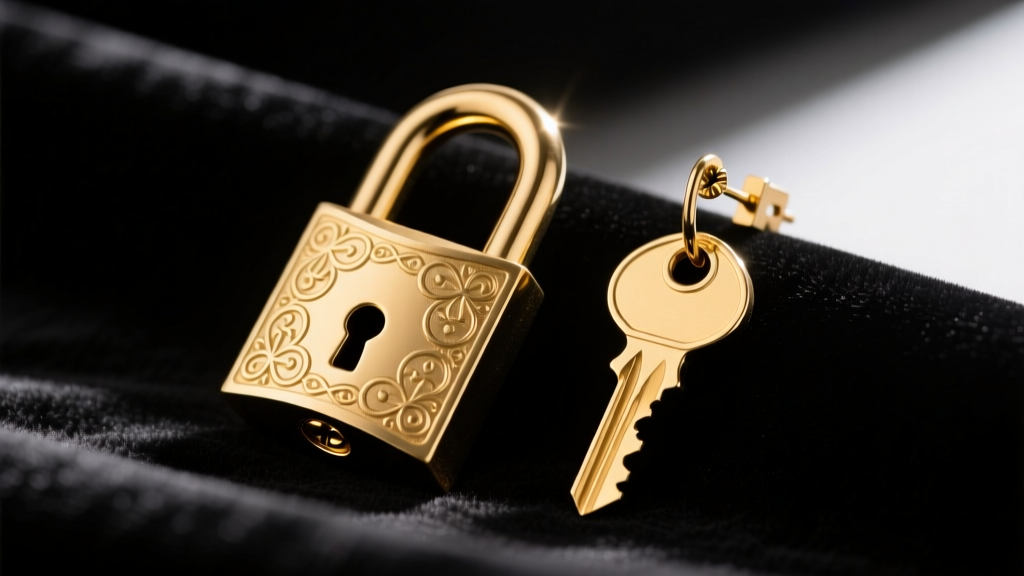
Gifting jewelry is an exercise in semiotics, and few motifs carry as much historical weight and emotional resonance as the padlock and key. In the Victorian era, lockets and padlock jewelry were frequently used to guard secrets, secure love letters, and symbolize a heart that had been safely 'locked' by a singular devotion. Today, as we navigate the jewelry trends of 2026, padlock and key earrings have evolved from antique curiosities into modern, minimalist statements of commitment, personal security, and milestone achievements.
However, selecting the right pair requires more than just an appreciation for the symbolism. Because padlocks are inherently asymmetrical and often carry more physical weight than standard studs, understanding the metallurgy, gauge thickness, and clasp mechanics is critical. This comprehensive guide will help you match the perfect padlock and key earrings to specific life occasions while ensuring the hardware stands the test of time.
Occasion Matching: When to Gift Padlock and Key Earrings
Romantic Milestones and 'Locking' Commitments
The most traditional application of the padlock motif is in romantic relationships. Gifting a pair where one ear wears the padlock and the other wears the key—or a single stud featuring both elements intertwined—serves as a powerful alternative to a promise ring. For a first anniversary or a significant Valentine's Day, opt for 14k or 18k yellow gold. The warmth of the gold reflects the intimacy of the occasion, and the durability ensures the piece can be worn daily without excessive wear.
Graduation and Unlocking New Chapters
Padlock and key earrings are profoundly meaningful for high school or college graduations. The key represents the unlocking of potential, new opportunities, and the transition into adulthood. For this occasion, sterling silver or white gold offers a crisp, forward-looking aesthetic that pairs beautifully with professional attire. Consider a sleek, geometric padlock design rather than an ornate vintage replica to align with a modern graduate's everyday wardrobe.
Mother-Daughter and Platonic Bonds
The symbolism of 'keeping someone safe' or 'holding the key to my heart' translates beautifully to non-romantic bonds. A mother gifting her daughter a small, lightweight titanium or silver padlock stud before a study-abroad trip is a modern talisman of protection. For best friends, mismatched sets (one wears the lock, one wears the key) serve as a sophisticated upgrade to the childhood trope of splitting a heart necklace in half.
Material Grades and Pricing Tiers
When investing in symbolic jewelry, the material dictates both the longevity and the skin-compatibility of the piece. According to the Federal Trade Commission's Jewelry Guides, precious metals must be accurately stamped and accompanied by a maker's mark to guarantee purity. Below is a breakdown of the most common materials used for padlock and key earrings.
| Material | Purity / Grade | Average Price Range | Best Occasion | Durability & Notes |
|---|---|---|---|---|
| Sterling Silver | 92.5% Silver (925) | $35 - $90 | Graduation, Platonic Gifts | Prone to sulfur tarnish; requires rhodium plating for long-term shine. |
| 14k Gold | 58.5% Pure Gold | $150 - $350 | Anniversaries, Daily Wear | Excellent tensile strength; ideal for supporting the weight of a padlock. |
| 18k Gold | 75% Pure Gold | $300 - $650 | Major Milestones, Luxury | Rich color but softer; intricate key teeth may wear down over decades. |
| Implant-Grade Titanium | ASTM F136 | $45 - $120 | Travel, Sensitive Ears | Hypoallergenic, ultra-lightweight, and entirely corrosion-resistant. |
Hardware, Gauges, and Failure Modes
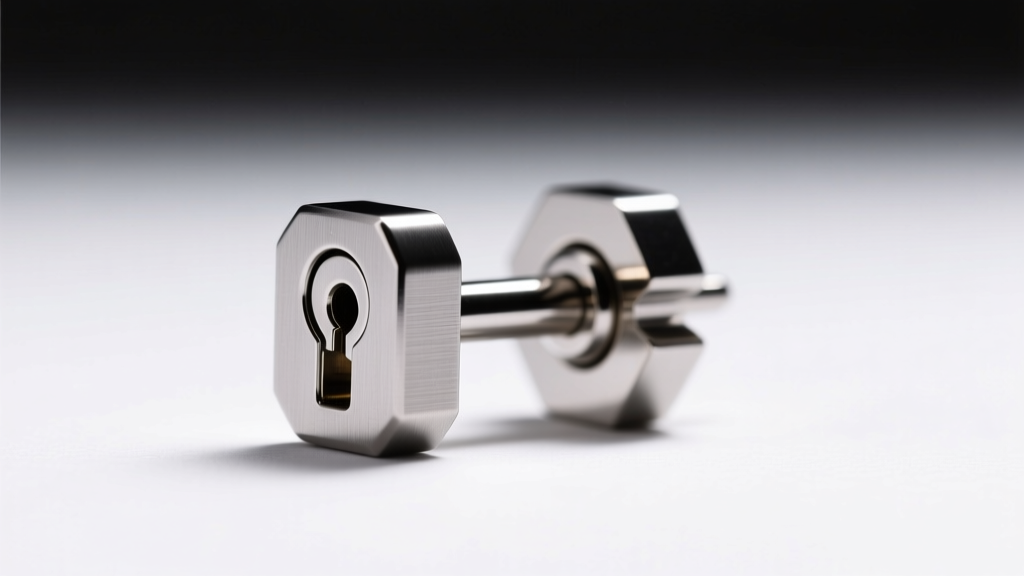
The most common point of failure in novelty-shaped earrings is the hardware. A padlock, even a miniature one, is denser and heavier than a simple gemstone stud. This extra weight creates a pendulum effect that can slowly stretch the earlobe piercing or cause standard friction backs to slip off.
Gauge Thickness Matters
Standard lobe piercings are typically done at 20-gauge (0.81mm) or 18-gauge (1.02mm). For padlock earrings, you should actively seek out 18-gauge posts. The slightly thicker wire provides the necessary structural integrity to support the lock's weight without bending. If you are gifting a key-shaped huggie for the upper cartilage (helix), you will likely need a 16-gauge (1.29mm) hoop, as cartilage piercings are generally pierced at this thicker dimension. Jewelry manufacturing suppliers like Rio Grande emphasize that matching the correct wire temper and gauge to the jewelry's center of gravity is essential for preventing metal fatigue.
Clasp Mechanics: Avoiding the 'Dropped Earring' Syndrome
- Standard Butterfly Backs: Avoid these for heavy gold padlocks. The friction groove is easily worn smooth by the weight of the lock, leading to loss.
- Screw-Backs: The gold standard for security. The post is threaded, and the backing screws on, making it impossible for the padlock to fall off accidentally.
- La Pousette (Locking) Clutches: A premium mechanical clasp that features a tiny spring-loaded trigger. It locks securely onto the post and is highly recommended for high-value 18k gold pieces.
"When gifting a piece with a heavy focal point like a padlock, always inspect the backing mechanism. A secure screw-back or locking clutch isn't just a functional detail; it's an assurance that the sentimental value won't be lost to a faulty friction post." — Master Bench Jeweler
Expert Ear Curation: Styling the Padlock Motif
In 2026, the 'curated ear' trend relies on thematic storytelling rather than random placement. Padlock and key earrings offer a unique opportunity to create a narrative across the ear's anatomy.
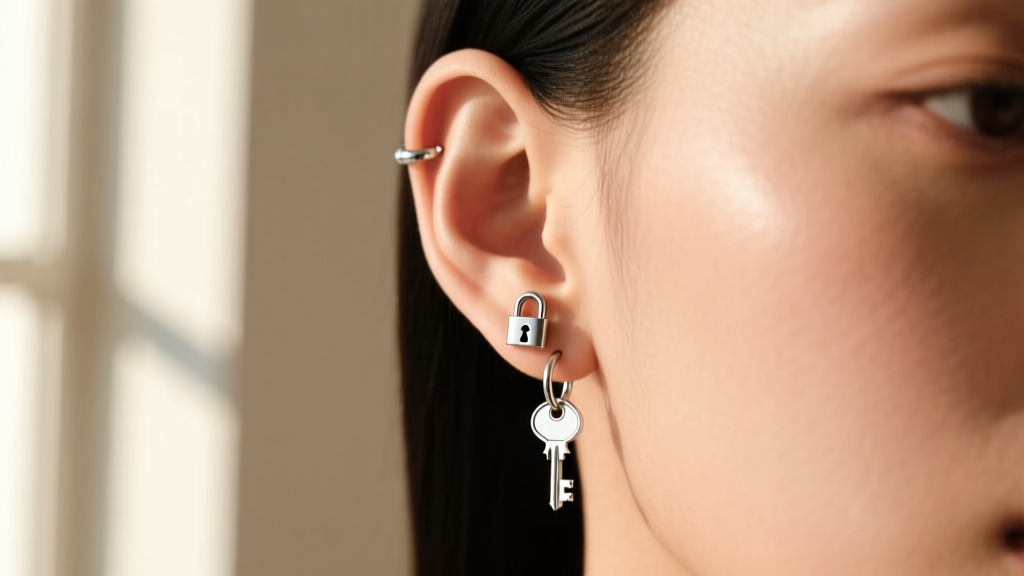
For a balanced look, place the heavier padlock stud in the primary lobe piercing to anchor the ear. Then, use a delicate, lightweight key-shaped huggie or a tiny key charm on a threadless end in the upper helix or flat piercing. This draws the eye upward and creates a cohesive 'unlocking' visual path from the bottom of the ear to the top. Avoid placing heavy padlocks in secondary or tertiary lobe piercings, as the tissue there is thinner and more prone to tearing under asymmetrical weight.
Maintenance: Preventing Tarnish and Clasp Slippage
To ensure the gifted earrings remain pristine, include a care guide with your present. Sterling silver padlocks will react with sulfur in the air and skin oils, leading to a dark patina. Store them in an anti-tarnish cloth pouch rather than an open jewelry box. For gold pieces, the primary concern is the accumulation of lotion and soap behind the padlock mechanism, which can dull the engraving and gum up screw-back threads. A gentle soak in warm water with a drop of mild dish soap, followed by a soft brushing with a baby toothbrush, will keep the intricate key teeth and lock mechanisms functioning flawlessly for generations.


