2026 Gift Guide: The Best Princess Cut Stud Earrings
Discover the ultimate 2026 gift guide for princess cut stud earrings. Learn about carat weights, V-prong settings, and occasion matching for every budget.

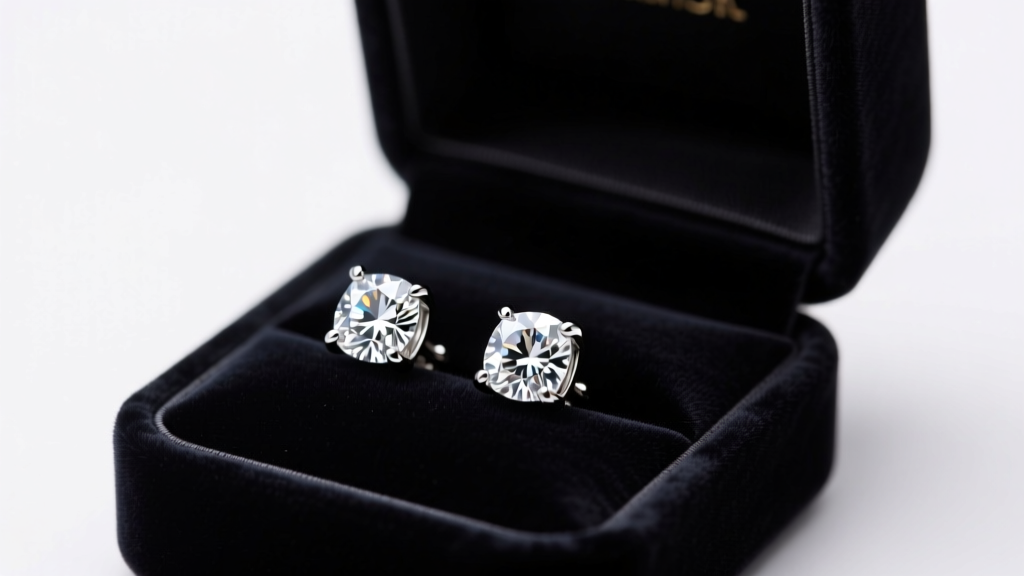
The Enduring Appeal of the Square Brilliance
When it comes to milestone gifting, few jewelry pieces carry the emotional weight and everyday versatility of diamond stud earrings. While the round brilliant has historically dominated the market, the modern gift-giver in 2026 is increasingly gravitating toward the sharp, geometric elegance of princess cut stud earrings. Offering a contemporary square silhouette with a facet structure that delivers intense, fiery scintillation, the princess cut is a masterclass in optical performance. However, gifting this specific shape requires a nuanced understanding of its unique anatomy, structural vulnerabilities, and setting requirements. This comprehensive guide will help you navigate the technical specifics and occasion-matching strategies to select the perfect pair.
Decoding the Anatomy: What Makes a Princess Cut Shine?
Unlike round diamonds, which are graded heavily on symmetry and proportion, the princess cut relies on a complex pavilion faceting pattern to generate its signature brilliance. According to the Gemological Institute of America (GIA), the chevron facets on the underside of the diamond dictate the stone's light return. When reviewing grading reports for a gift, pay close attention to these specific metrics:
- Length-to-Width Ratio: For a perfectly square princess cut, demand a ratio between 1.00 and 1.04. Anything above 1.05 will appear noticeably rectangular, which can look asymmetrical when paired as studs.
- Depth Percentage: The ideal depth ranges from 65% to 75%. Stones cut too deep (over 78%) will hide carat weight in the belly, making a 1.00-carat stone face up as small as a 0.80-carat stone. Shallow stones will suffer from light leakage and a glassy appearance.
- Chevron Count: Princess cuts typically feature two, three, or four chevron facets. Two chevrons produce larger, chunkier flashes of light, while four chevrons create a highly active, "crushed ice" scintillation. For stud earrings viewed from a distance, three or four chevrons generally offer the most dynamic sparkle.
Occasion Matching: Carat Weight and Budget Matrix
Matching the total carat weight (TW) to the recipient's milestone is crucial for both aesthetic impact and budget management. In 2026, the rise of high-quality lab-grown diamonds has completely shifted the pricing paradigm, allowing gift-givers to scale up carat sizes without compromising on clarity or color. Below is a strategic framework for occasion matching.
| Milestone Occasion | Ideal Carat Weight (TW) | Recommended Setting Style | Estimated Budget (Lab / Natural) |
|---|---|---|---|
| Sweet 16 / Quinceañera | 0.50ct - 0.75ct | Bezel or Low-Profile Basket | $400 - $600 / $1,200 - $2,000 |
| College Graduation | 1.00ct - 1.50ct | 4-Prong Martini | $700 - $1,200 / $2,500 - $4,500 |
| 5th or 10th Anniversary | 2.00ct - 3.00ct | Secure Basket with V-Prongs | $1,400 - $2,500 / $6,000 - $12,000+ |
| Major Milestone (40th/50th) | 4.00ct - 5.00ct | Halo or Heavy-Weight Basket | $3,000 - $5,000 / $15,000 - $30,000+ |
Setting Security: Protecting the Four Corners
The most critical failure mode of the princess cut is its vulnerability at the four 90-degree corners. Because these points are sharp and bear the brunt of accidental impacts against steering wheels, doors, and desks, they are highly prone to chipping. The American Gem Society (AGS) emphasizes that proper prong architecture is non-negotiable for square stones.
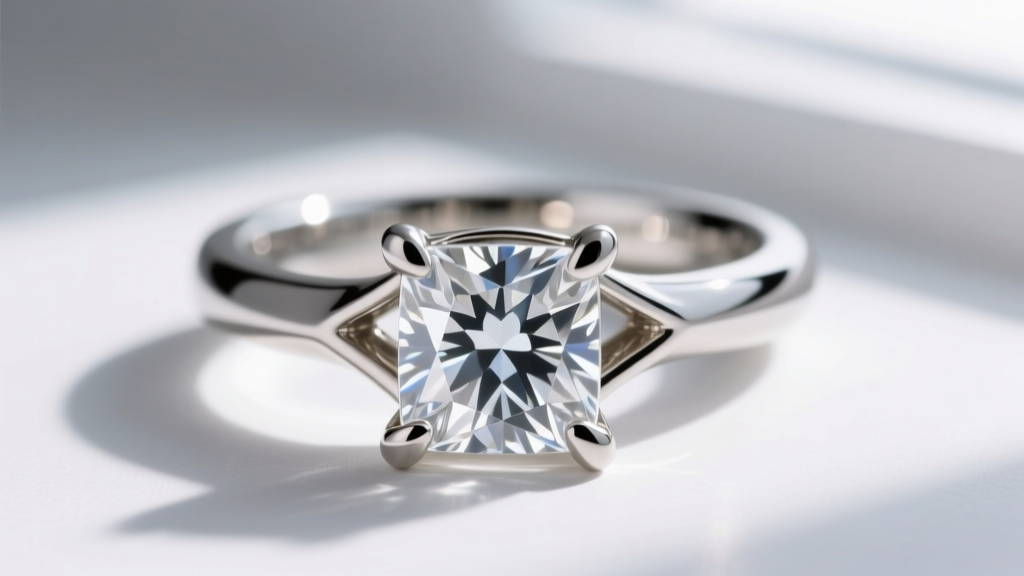
Martini vs. Basket vs. Bezel
When selecting the metalwork for your gift, you will encounter three primary setting styles. Each serves a different lifestyle:
- The Martini Setting: Characterized by three or four prongs rising from a single point, resembling a cocktail glass. This design maximizes light entry from the sides, offering unparalleled brilliance. However, it sits higher on the earlobe, making it more susceptible to snagging on hair and clothing. Best for: Recipients who prioritize maximum sparkle and lead low-impact lifestyles.
- The Basket Setting: Features a horizontal metal band connecting the prongs, creating a "basket" that sits lower and flatter against the ear. This provides superior structural integrity and comfort for everyday wear. Best for: Active professionals and daily-wear gifting.
- The Bezel Setting: A continuous rim of metal completely encircles the diamond. While it sacrifices about 10% of the stone's visible surface area and side-light entry, it offers absolute corner protection. Best for: Athletes, healthcare workers, or those with highly active hands-on lifestyles.
Jeweler's Insight: Never purchase a princess cut stud in a standard round prong setting. Always ensure the setting utilizes "V-prongs"—specialized prongs shaped like a 'V' that cup and protect the sharp corners of the diamond. If the product description does not explicitly state V-prong protection, walk away.
Post Gauge and Earring Backings: The Unseen Details
A common mistake in gifting high-value earrings is ignoring the hardware that actually secures them to the ear. The post gauge (thickness) and the backing mechanism dictate the longevity and security of the gift.
- Post Gauge: Standard lobe piercings accommodate 20-gauge (0.8mm) or 18-gauge (1.0mm) posts. For princess cut studs under 1.00ct TW, a 20-gauge post is standard and comfortable. For heavier stones (2.00ct TW and above), an 18-gauge post is required to prevent the earring from drooping or tearing the earlobe over time.
- Friction Backs (Butterfly): The industry standard, relying on tension to stay in place. Adequate for smaller, lighter studs, but prone to loosening over time due to hair brushing and clothing changes.
- Screw Backs: The post is threaded, and the backing screws on. Highly secure and ideal for active recipients or children, though some users find the threading tedious to align daily.
- La Pousette Backs: The gold standard for luxury gifting. These feature a mechanical locking mechanism with dual springs that click securely onto a notched post. They offer the ease of a push-back with the security of a screw-back, and are highly recommended for anniversary gifts exceeding $3,000.
Metal Selection: Platinum vs. White Gold in 2026
The metal you choose frames the diamond and affects long-term maintenance. While 14k and 18k white gold remain popular due to their lower entry price, they are alloyed with nickel or palladium and plated with rhodium to achieve a bright white finish. Over 12 to 18 months of daily wear, this rhodium plating will wear off, revealing the slightly yellowish underlying alloy and requiring costly re-plating.
For a significant milestone gift in 2026, Platinum is the superior choice. It is naturally white, hypoallergenic, and denser than gold. When platinum scratches, the metal merely displaces rather than wearing away, developing a soft patina that many collectors appreciate. If budget constraints necessitate white gold, opt for 14k over 18k for earrings, as the higher nickel/zinc content in 14k makes it harder and more durable for the thin prongs required in princess cut settings.
Lab-Grown vs. Natural: Navigating Modern Gifting Etiquette
The diamond market has undergone a seismic shift. Lab-grown diamonds are chemically, physically, and optically identical to mined diamonds, but they currently trade at a 70% to 85% discount. From a gifting perspective, lab-grown stones allow you to gift a flawless, 2.00-carat TW pair of princess cut studs for the price of a mid-grade 0.75-carat natural pair.
However, gifting etiquette requires transparency. Always ensure the lab-grown diamonds come with a reputable grading report (such as IGI or GIA) and that the seller has laser-inscribed the girdle with a lab-grown identifier. If the recipient values the geological rarity and potential long-term value retention of earth-mined stones, a smaller, high-quality natural diamond is the more thoughtful choice. Open communication about the recipient's stance on sustainability versus tradition is the key to a successful gift.
The Final Unboxing Experience
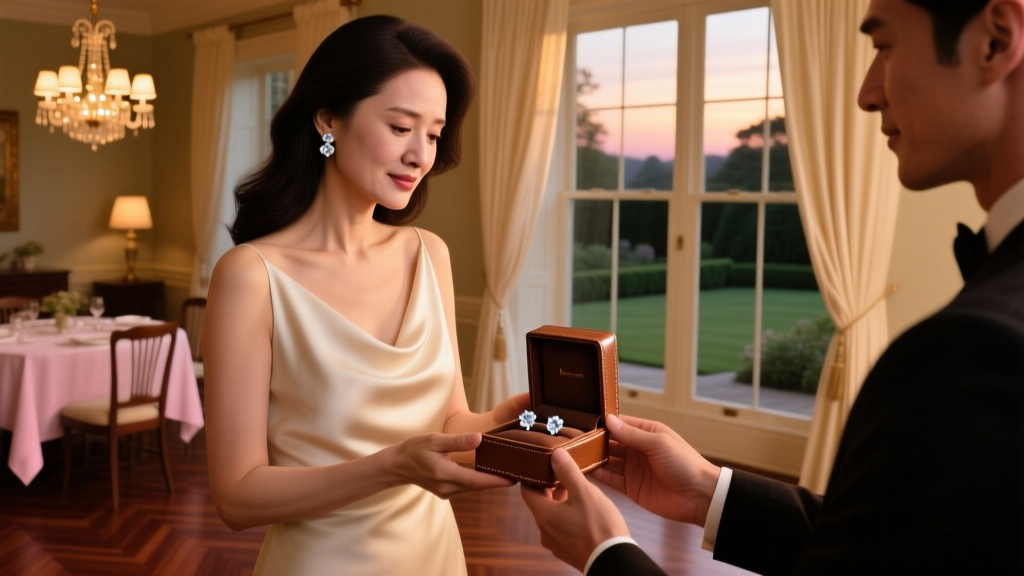
When presenting princess cut stud earrings, the packaging matters as much as the product. Because the square shape is highly geometric, present the earrings in a slotted leather or velvet box that forces the studs to sit perfectly parallel to one another, emphasizing their symmetry. Finally, always purchase from a jeweler that offers a 30-day return window and a lifetime upgrade policy. This ensures that if the recipient desires a larger carat weight for a future anniversary, the initial gift can serve as a stepping stone rather than a final destination.


