Does Brass Earrings Tarnish? The Ultimate Alloy Care Guide
Does brass earrings tarnish? Discover the metallurgy behind copper-zinc alloys, why they turn skin green, and expert prevention methods for jewelry care.

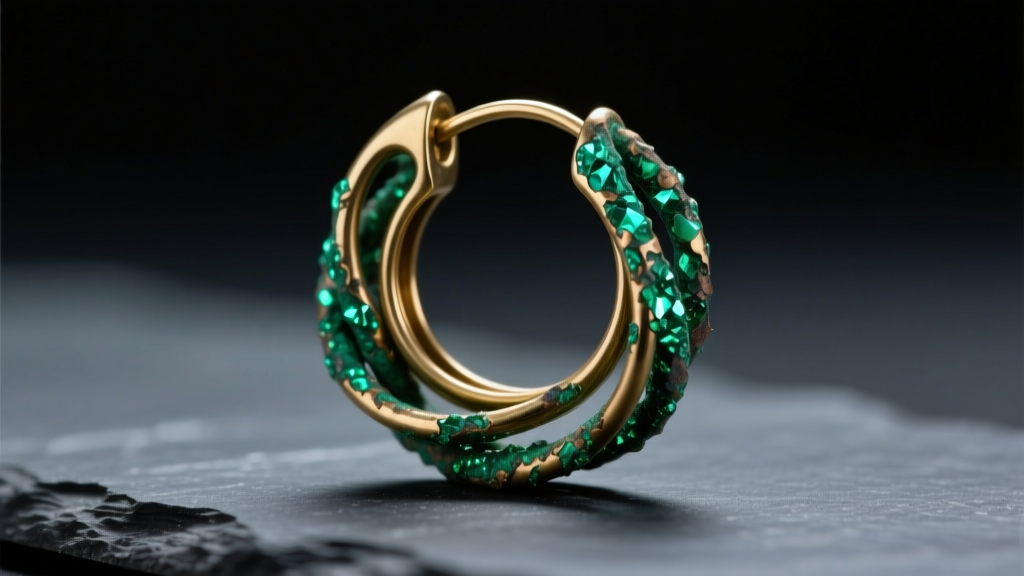
If you have ever asked yourself, "does brass earrings tarnish?", the short answer is an unequivocal yes. Brass is a beautiful, cost-effective alloy widely used in fashion jewelry, but its metallurgical composition makes it highly reactive to environmental factors and human biology. As a base metal, brass requires specific care protocols to maintain its golden luster and prevent the dreaded "green earlobe" effect.
In this comprehensive guide, we dive deep into the material science of brass earrings, comparing its properties to alternative metals, and providing actionable, expert-level frameworks for prevention, maintenance, and restoration.
The Short Answer: The Chemistry of Brass Oxidation
Brass is not a pure element; it is an alloy primarily composed of copper (Cu) and zinc (Zn). The most common jewelry-grade brass is C26000 (Cartridge Brass), which consists of roughly 70% copper and 30% zinc. It is the copper content that makes brass susceptible to tarnishing.
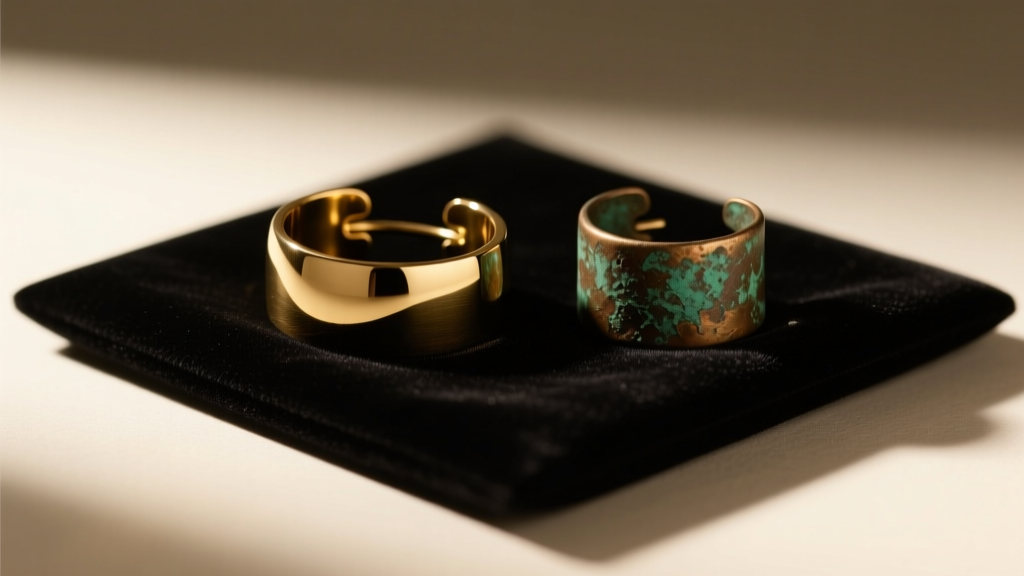
When exposed to oxygen and moisture, copper undergoes an oxidation reaction, forming copper oxide, which appears as a dull, dark brown or black film. When sulfur compounds in the air or trace chemicals in cosmetics are introduced, copper sulfide forms, accelerating the darkening process. Over time, and in the presence of chlorides or carbonates (found in sweat), brass can develop verdigris—a powdery, bright green patina of copper carbonate.
Metallurgist's Note: Unlike pure gold or platinum, which are noble metals and resist oxidation, brass is a reactive base metal. Tarnish is not a defect; it is the natural thermodynamic tendency of copper to return to a more stable, oxidized state.
Why Brass Turns Your Earlobes Green (The Galvanic Reaction)
The infamous green stain left on the skin by brass earrings is not an allergic reaction, nor is it a sign of toxicity. It is a simple chemical leaching process driven by your body's natural chemistry.
Human sweat is mildly acidic, typically ranging from a pH of 4.5 to 7.0, and contains lactic acid, urea, and sodium chloride. When a 20-gauge (0.81mm) or 18-gauge (1.02mm) brass earring wire rests against the earlobe, the acidic sweat acts as an electrolyte. This triggers a micro-galvanic reaction that dissolves trace amounts of copper ions from the alloy. These copper salts (specifically copper chloride and copper chelates) are green and are easily absorbed into the superficial layers of the epidermis, leaving a distinct green ring.
According to the Gemological Institute of America (GIA), this discoloration is harmless and can be easily washed away with soap and water, but it remains a major aesthetic deterrent for jewelry wearers.
Material Showdown: Brass vs. Alternative Earring Metals
To understand where brass fits in the jewelry ecosystem, we must compare its physical and chemical properties to other common earring materials. Below is a structural comparison of standard earring alloys.
| Metal / Alloy | Composition | Tarnish Rate | Skin Discoloration | Hypoallergenic? | Avg. Price (Studs) |
|---|---|---|---|---|---|
| C26000 Brass | 70% Cu, 30% Zn | High (Weeks) | High (Green) | No (Trace Pb/Ni) | $12 - $25 |
| C95400 Bronze | 89% Cu, 11% Sn | Medium (Months) | Moderate (Green) | No | $15 - $30 |
| 925 Sterling Silver | 92.5% Ag, 7.5% Cu | Medium (Sulfur) | Low (Black/Gray) | Mostly | $25 - $60 |
| ASTM F136 Titanium | Ti, Al, V (Grade 5) | None (Passive) | None | Yes (Implant Grade) | $35 - $85 |
While brass offers a warm, golden hue that closely mimics 14k or 18k yellow gold at a fraction of the cost, its high tarnish rate and potential for skin discoloration make it inferior for everyday, uncoated wear—especially in high-humidity environments.
How to Stop Brass Earrings From Tarnishing
If you love the aesthetic and weight of brass but want to avoid the maintenance, you must create a physical barrier between the copper alloy and the environment. Here are the three most effective methods utilized by modern jewelers.
1. Electrophoretic Coating (E-Coating)
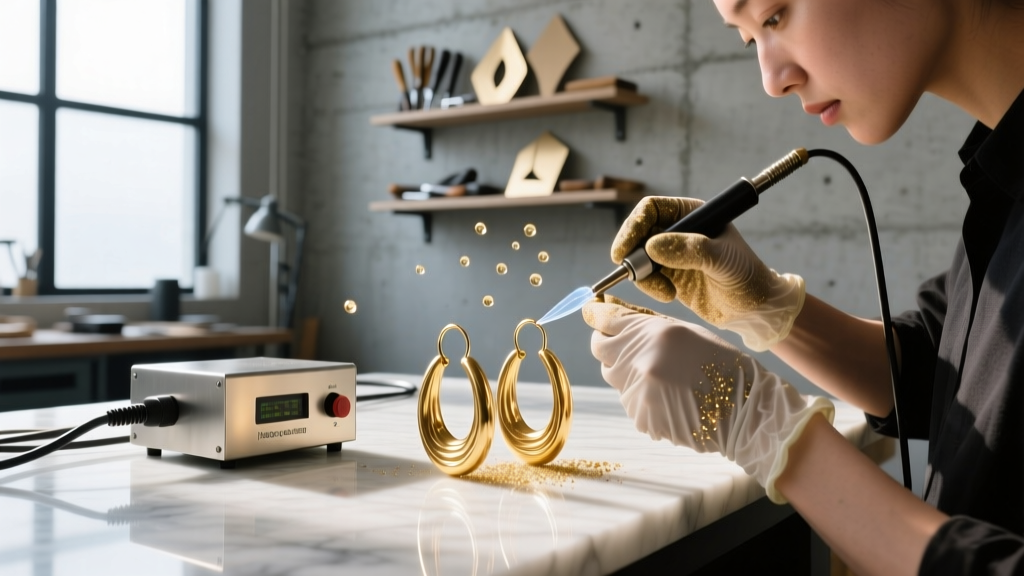
E-coating is the industry standard for protecting base metals. The brass earrings are submerged in a water-based polymer solution, and an electrical current is applied. This causes the polymer to bind evenly to the metal, creating a microscopic, flexible shield (usually 2 to 5 microns thick). High-quality e-coated brass earrings can resist tarnish and skin discoloration for 2 to 3 years of regular wear before the coating wears thin at the friction points (like the earring post or clasp).
2. Rhodium Flash Plating
Some manufacturers plate brass with a micro-layer of rhodium (a platinum group metal) to give it a white-gold or silver appearance while completely sealing the copper underneath. However, because brass is soft, it can flex and cause the rigid rhodium layer to micro-crack, allowing moisture to penetrate and cause sub-surface tarnishing.
3. The DIY Polymer Barrier Method
For vintage or raw brass pieces, applying a thin layer of clear polyurethane-based nail polish or a specialized jewelry guard (like Eurotool's Jewelers Secret) to the earring posts and hooks will prevent the galvanic sweat reaction. Reapply every 4 to 6 weeks, as the friction of inserting the earring will wear the polymer away.
When to Abandon Brass: Cartilage Piercings and Nickel Allergies
While brass is generally safe for healed, standard lobe piercings when coated, it should never be used for fresh piercings, cartilage piercings (like the helix or tragus), or stretched earlobes.
Furthermore, many commercial brass alloys (such as C36000 free-machining brass) contain up to 3% lead to make the metal easier to cut and shape in factories. While lead exposure from solid jewelry is minimal, the Mayo Clinic warns that contact dermatitis is frequently triggered by trace nickel or lead in base metal alloys. If your earlobe becomes itchy, red, or flaky after wearing brass, you are likely experiencing allergic contact dermatitis, not just simple oxidation.
The Expert Alternative: For sensitive ears or cartilage piercings, always upgrade to implant-grade titanium (ASTM F136). Titanium forms a passive oxide layer that is entirely biocompatible, meaning it will never tarnish, leach ions, or trigger nickel allergies.
Restoring Tarnished Brass: A Step-by-Step Protocol
If your raw brass huggies or hoops have already succumbed to oxidation, you can reverse the chemical reaction using mild abrasives and weak acids. Follow this protocol to restore the factory shine without damaging the structural integrity of the earring.
- Step 1: The Acid Bath. Mix equal parts fresh lemon juice and baking soda to form a paste. The citric acid reacts with the copper oxide, while the baking soda provides a gentle, non-scratching abrasive.
- Step 2: Application. Use a soft-bristled baby toothbrush to gently work the paste into the crevices of the earring. Avoid aggressive scrubbing on 22-gauge or thinner wires, as brass has a lower yield strength and can easily warp.
- Step 3: Neutralization. Rinse thoroughly under warm distilled water. Tap water contains chlorine and fluoride, which can immediately begin new oxidation cycles.
- Step 4: The Polish. Dry completely with a microfiber cloth, then buff with a specialized brass polishing cloth (impregnated with micro-abrasives and anti-tarnish oils).
Warning: Never use harsh ammonia-based cleaners (like standard window cleaners or heavy-duty brass dips) on high-zinc brass alloys. Ammonia can cause "dezincification," a form of corrosion where the zinc is selectively leached out of the alloy, leaving behind a porous, brittle copper sponge that will easily snap under the pressure of being worn.
By understanding the metallurgy of your jewelry, you can make informed decisions about when to embrace the living patina of raw brass, and when to demand the protective barriers necessary for long-term, irritation-free wear.


